Tripscoop›Europe›ITALY›From Sixteenth-Century Courts to the Valley of Good Wine: a Day in Gattinara - Part One
ITALY · Europe
The story
Persuading the prince-electors to support the young Charles V in his rise to the imperial throne, guiding the negotiations for an alliance between England, the Holy Roman Empire and the Holy See after the French invasion in 1521 of the territories of Navarre and Calais, or mediating so that during the Diet of Worms even Martin Luther could express his own reasons: these are just some of those particularly delicate international occasions in which the extraordinary diplomatic skills of Cardinal Mercurino Arborio di Gattinara were decisive. The great politician and humanist from the Valsesia town, who even became Grand Chancellor of Charles V, succeeded where others would not even have dared thanks to his preparation and his tenacity, but not only.
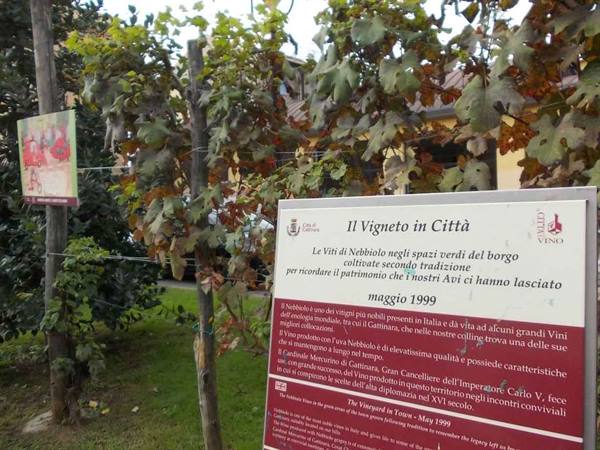
He also had a powerful ally of irresistible charm: the wine of Gattinara, which he himself made known abroad and which helped to calm spirits in more than one case, managing to transform meetings bristling with hostility into convivial occasions of constructive exchange. While the names of many of those guests have now fallen into oblivion, the Gattinara d.o.c.g. wine continues to shine with international fame.
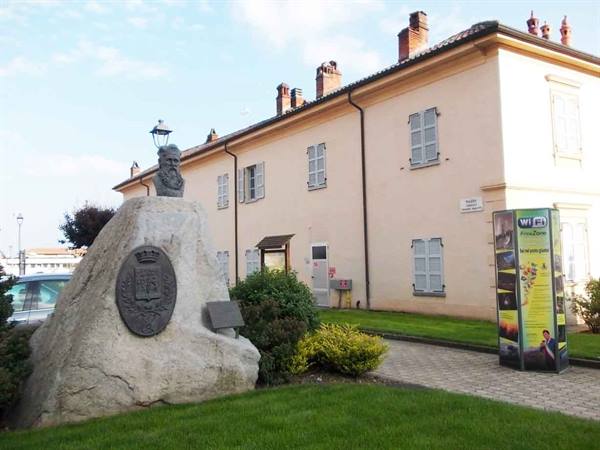
Our trip to Gattinara falls precisely in the ideal period to get to know the soul of the town of Roman origins, founded in 1242 as a free borough by Vercelli and known for its good wine since the times of Charlemagne: the days of the grape harvest, when the endless rows of the surrounding vineyards take on the warm colours of autumn and deliver to the winemakers the ripe bunches of Nebbiolo. Bunches also present in the municipal coat of arms, in which a fine big cat guards the vine laden with grapes. The same cat holding a glass of red wine also appears in the cartoons that help student sommeliers memorise the names of Piedmontese wines so as to make them remember the Gattinara wine, even though the place name is probably not linked to cats, but derives from the Latin term “catuli ara”, that is, the altar of Catullus.
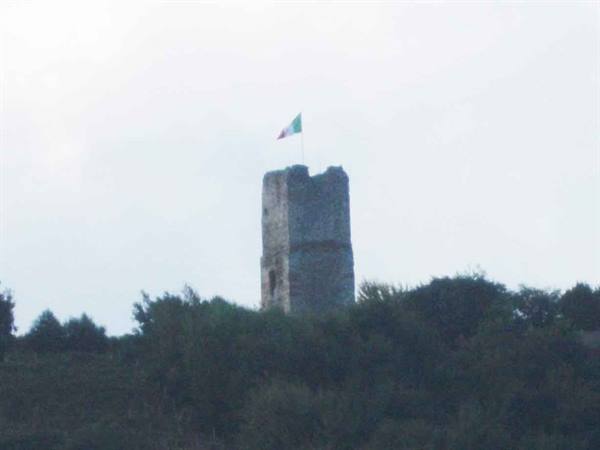
After a little tour among the wine hills we reach the ancient Torre delle Castelle, whose massive structure, part of a defensive complex of which the remains can be seen today, dominates the town from above. The tower dates back to the eleventh century, while the fourteenth-century surrounding masonry curtains were raised during the Visconti dominion. The nearby little church of ancient origins was destroyed in 1950, and in its place today stands the Cappella della Madonna della Neve, erected by the Alpini.
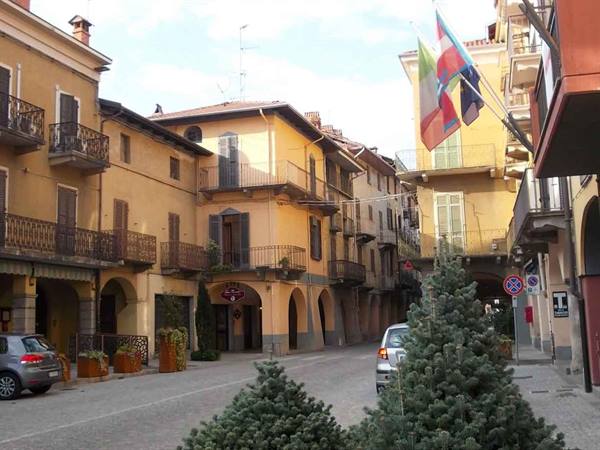
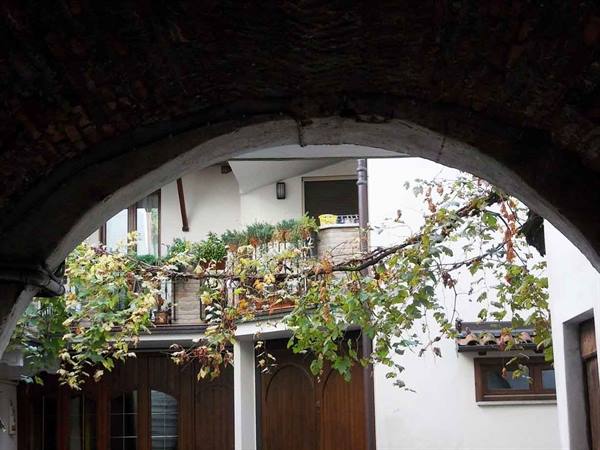
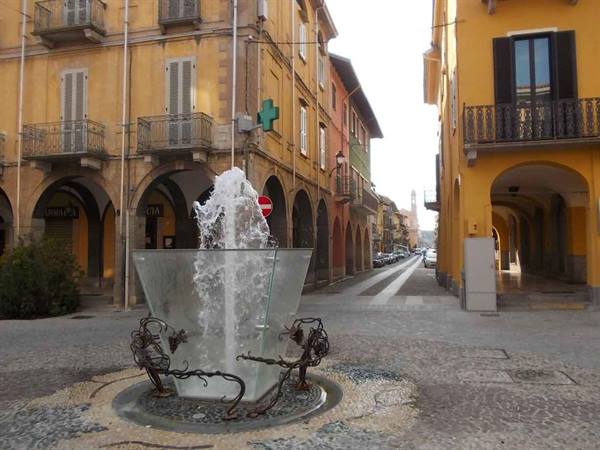
Returning to the historic centre, our walk among the picturesque colourful buildings adorned with balconies full of flowers takes us back in the footsteps of Cardinal Mercurino Arborio. It was in fact he who expressed in his will the wish that a monastery of Poor Clare nuns and a convent of Lateran canons be founded in Gattinara. The monastery of Santa Chiara came into operation in 1532 and, although Mercurino Arborio had died two years earlier, it was as if he had continued to watch over it through his sister Lucrezia, whom he himself had appointed as the first abbess of the convent. Today of the structure, now disused, you can still admire the courtyard that preserves the Renaissance lines of the cloister, as well as the church of Santa Chiara.
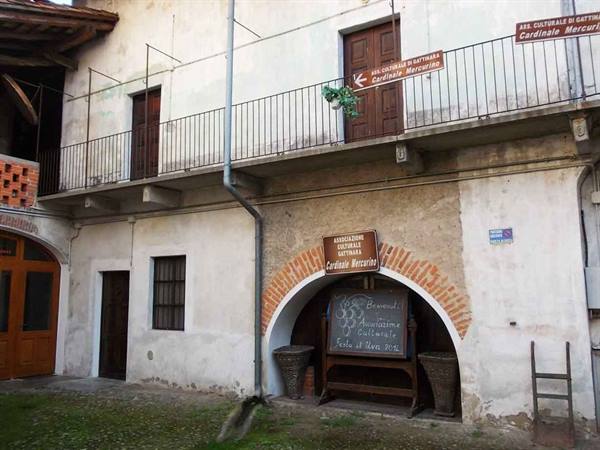
In the centre we also visit the birthplace of Cardinal Mercurino, loved in the town also because he made it possible for girls from poor families to have a dignified dowry. A short distance away are the church of San Francesco and its adjoining convent. Until the seventeenth century, on the spot stood the church of San Giulio, built in 1447 as an ex-voto for liberation from the scourge of wolves that at the time terrorised the people of Gattinara with their raids into the built-up area. The old church was demolished in 1619 to make room for the convent of the Franciscan friars, present in the town since the previous century as spiritual assistants to the Poor Clares.
There are those who, with a touch of mischief, say that the monastery of Santa Chiara and the convent of San Francesco were connected by secret tunnels that would have served to facilitate the exchange, not necessarily only of a spiritual nature, between the inhabitants of the two convents.
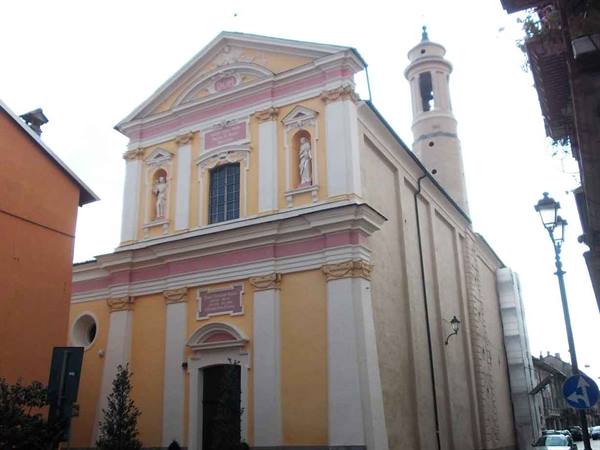
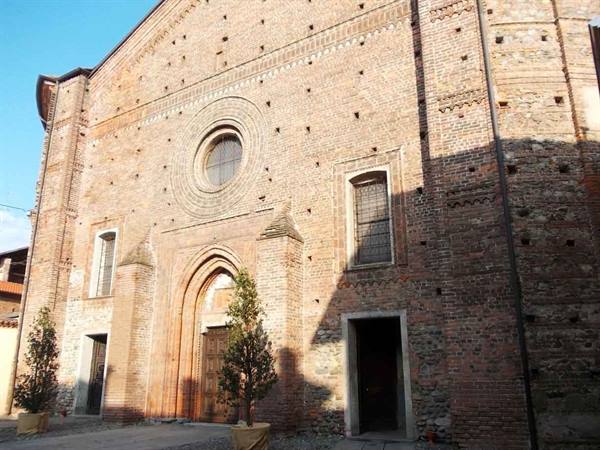
Besides the Tower, drawing the town's skyline is the imposing dome together with the bell tower of the parish church of San Pietro, where Mercurino di Gattinara is buried. Built, again at the wish of Cardinal Mercurino who here managed to give a home to the Lateran regular canons, the church stands on the site of an ancient parish church dedicated to San Pietro. Of the original structure, the base of the bell tower and the facade adorned with terracotta friezes remain today. At the parish house you can admire several valuable works of art, including a canvas by Gaudenzio Ferrari, of the Last Supper.
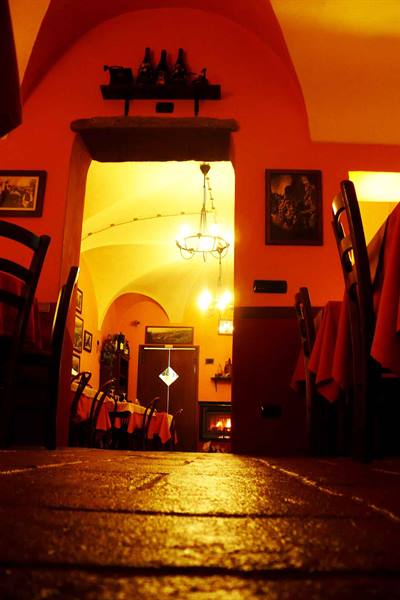
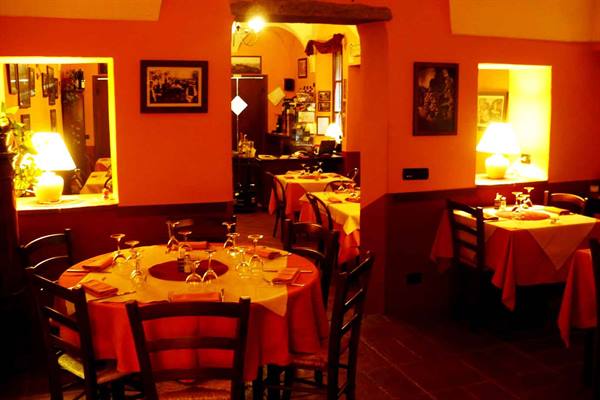
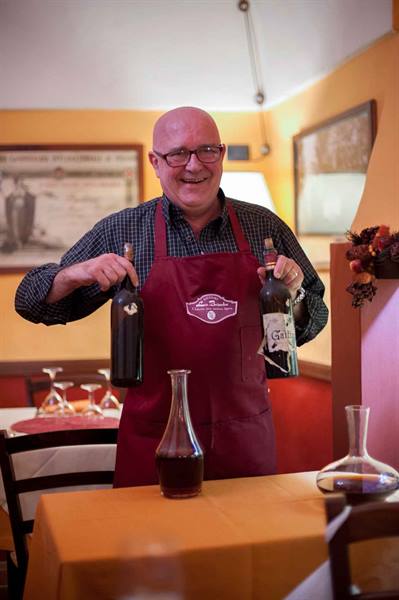
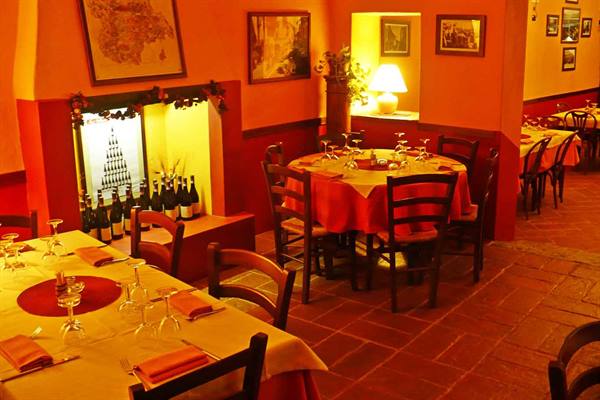
We remain immersed in the atmosphere of the Gattinara of old also during our dinner, at the Osteria La Briòska, in corso Valsesia. When we settle into the characterful room with double-umbrella vaults, we seem to be in an ancient convent, and exchanging a few words with the owners, we discover that it is exactly so. “The foundations of this building date back to 1242, the year of the town's foundation. The room we are in is instead of sixteenth-century origin and is characterised by the typical vaults that were used in refectories at the time. This courtyard was probably inhabited by the monks of a community, and at the bottom were Cardinal Mercurino's vegetable gardens.
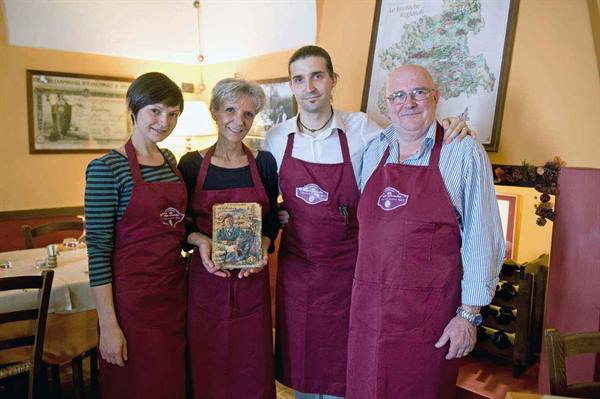
In the building there are several small rooms, each with a fireplace: these are very probably ancient monks' cells,” Mrs Pinuccia and Mr Tino, the owners who run the restaurant together with their son Pietro and daughter-in-law Rosanna, with the collaboration of Giulia in the dining room, explain to us. Their story continues, moving on to more recent times, speaking of the peasant traditions that help keep alive a convivial spirit, joking and sincere at the same time. “The name Briòska comes from a typical custom that has now disappeared. In the nineteenth century, when in Gattinara a wine producer had leftovers, he could open a small outlet in his own home to sell the wine by retail. These were the so-called briòske, easily recognisable thanks to a juniper plant placed at the entrance.”
In the years that preceded the opening of the Osteria, which took place on 11 October 2007, in the premises of the establishment there was the clothing shop of Mr Tino's father, a business later transformed into a tailoring workshop that produced leather garments. If before this place was the destination of those who wanted a fine fashionable garment, today it also draws people from far away who want to enjoy a good dinner based on the flavours of the territory and the poor cuisine of the past, washed down with the legendary Gattinara wine. Wine, which before long it will also be possible to taste and buy at the wine shop attached to the osteria and run by Pietro and Rosanna. “While at the osteria we serve exclusively labels from the territory, at the wine shop it will also be possible to find some particular and little-known wine,” the owners anticipate.
The journey's photographs
14 photographs · click to open them full screen
0 reader comments