The story
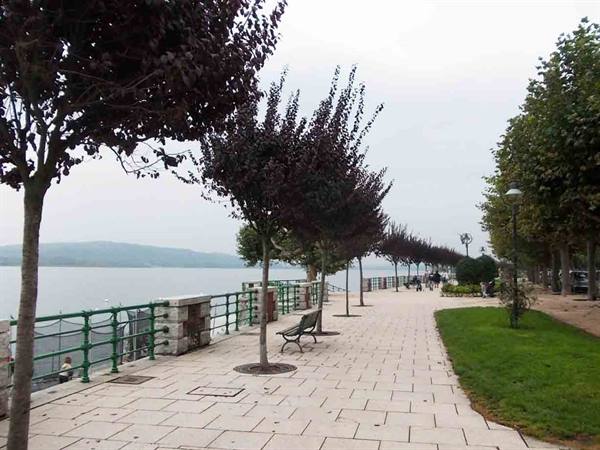
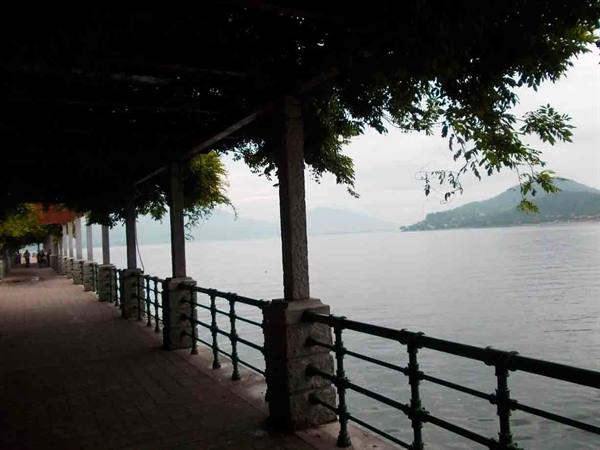
Lively holiday resort in summer, a quiet and timeless place in autumn and winter, when against the cobalt-blue backdrop of Lake Maggiore wrapped in a light haze you can make out the pastel colours of a town of very ancient origins: here's a snapshot of Arona, situated on the Piedmontese shore of the lake. Its proximity to Milan, along with its architectural and natural beauties, make it one of the ideal destinations for escaping stress and rediscovering a pleasant, human-scale dimension. The charm of this landscape full of poetry, which today attracts numerous tourists, left even the travellers who ventured to these parts several millennia ago far from indifferent.
The stilt-house community that inhabited this territory indeed dates back to the Bronze Age, and it was precisely in the present-day municipality of Arona, in the Lagoni di Mercurago Nature Park, that Italy's first stilt house was discovered in 1860. For some years now the archaeological site has been part of UNESCO's world heritage. When we talk about prehistory, we often imagine a lifestyle limited to the essentials, between hunting and gathering berries; in this case, however, history tells us of a rather evolved civilisation, known as the Terramare Civilisation, whose citizens were engaged in the "international" trade of amber from the Baltic Sea and tin from the Ore Mountains, goods that were transported on the Po as far as the Adriatic.
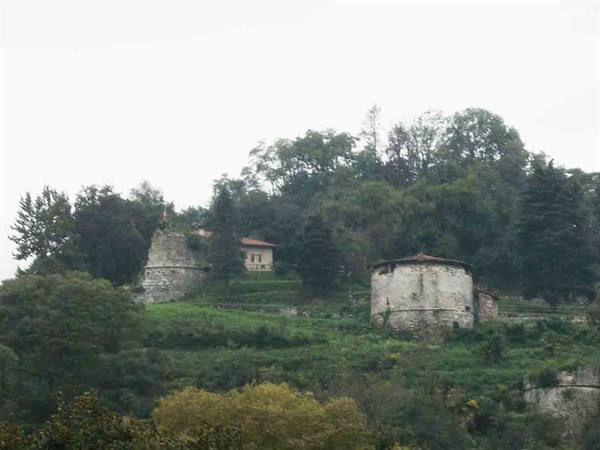
A log canoe carved from wood found in the Lagone peat bog, together with three wooden wheels, bears witness to these ancient and fervent trading activities. The inhabitants of the territory soon realised the need to defend themselves from attacks, and it's a multitude of other objects, including everyday ones such as a fine bronze anklet, found near the Rocca, that tell the origins of the manor house that was once imposing. "An impenetrable fortress surrounded by five walls that make access impossible, with a tall, slender tower topped by a fluttering flag." With these words the French writer Stendhal described the vision that captured his imagination during his journey to Arona. Founded before the year 1000 by the Lombards, the castle was largely destroyed by the Napoleonic army shortly after Stendhal's visit.
Today you can admire the remains of the ancient fortress, including several bastions and round bastions, as well as its enchanting park inhabited by numerous animals, open to the public for some years with a series of attractions including an exhibition that retraces the history of the Rocca Borromea and several historical films of the Arona area. In 1538 the future cardinal St. Charles Borromeo was born in the Rocca. Appointed cardinal when he was just over twenty, Charles played a decisive role in the implementation of the Council of Trent and the Tridentine reform. Besides the Rocca, the memory of the religious figure with the proverbial solid and unshakeable faith is also preserved by the imposing sculpture known as the Sancarlone.
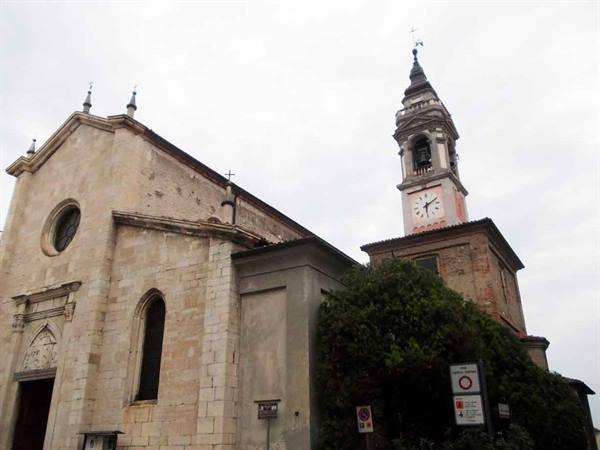
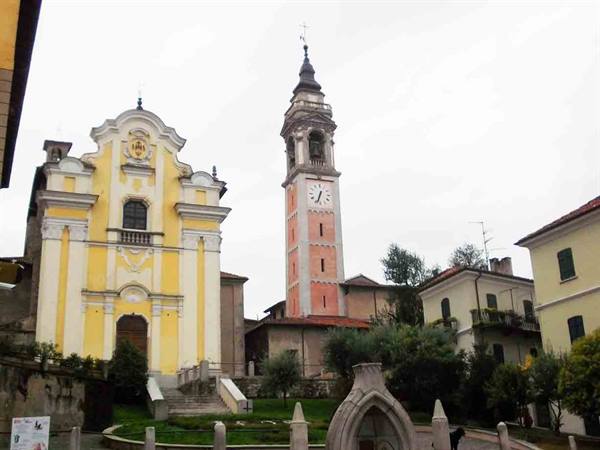
Over thirty metres tall, the statue erected on the Sacro Monte di San Carlo, in the hamlet of the same name, is inspired by the Statue of Liberty in New York. Returning to the historic centre we admire several buildings of great beauty and historical importance, including the Broletto, erected at the end of the 14th century near the church of Santa Maria di Loreto. Among the Gothic arches of the portico, in a series of medallions worn by time, the portraits of the nobles governing the city can still be recognised. At the 18th-century Villa Ponti, figures such as Napoleon, Toscanini and Stravinsky were hosted. During our walk we also reach the splendid Collegiate Church of the Nativity of the Virgin Mary, dating back to the 15th century, which houses several precious works of art inside, including a polyptych by Gaudenzio Ferrari from 1511.
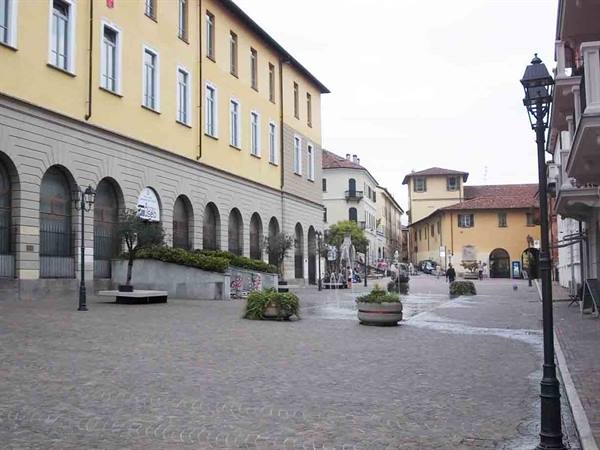
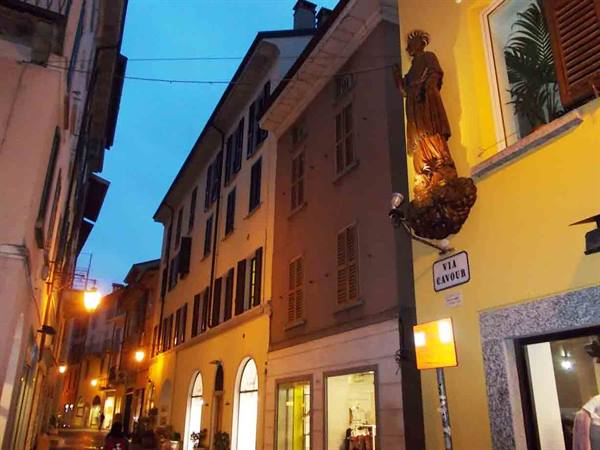
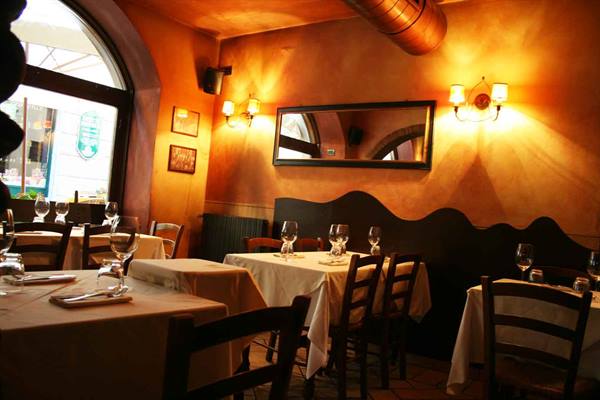
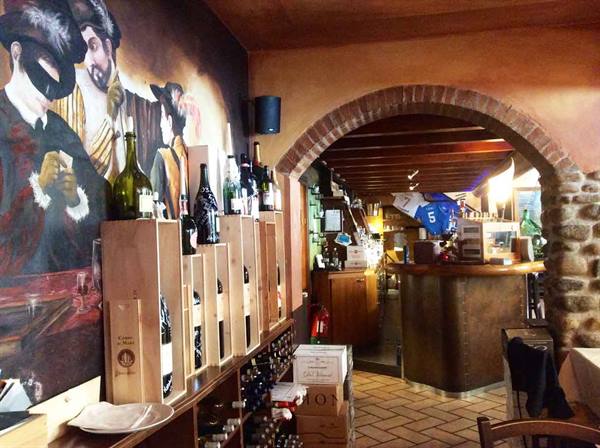
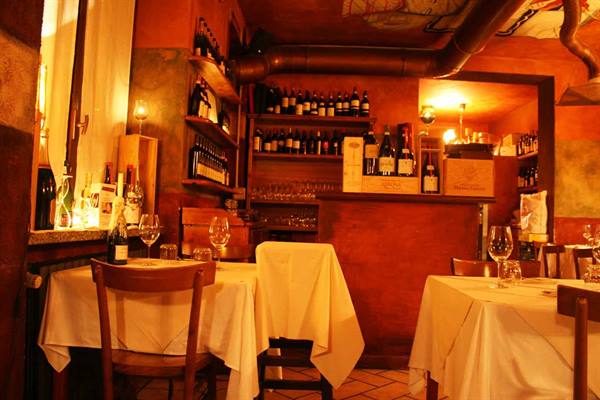
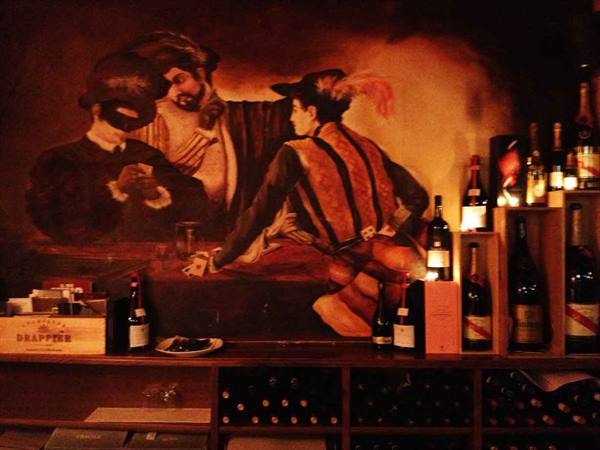
Walking along some characteristic streets of the pedestrian area, very pleasant also thanks to the numerous shops and art workshops, we arrive in front of the church of the Holy Martyrs, also known as San Graziano, built on the site of an ancient Benedictine abbey. After this lovely tour, pleasantly tired and with a bit of an appetite, we decide to stop for dinner at the Ristorante La Ruga del Corso, in via Cesare Battisti, a stone's throw from the church of San Graziano. Entering, we're welcomed in the elegant and trendy bar area, where we start the evening with a pleasant aperitif. Moving into the beautiful dining room with its warm and intimate atmosphere, made even more charming by the soft lighting, we chat for a bit with the owner Matteo, discovering that here too we're inside a historic building: "The restaurant was created from an ancient 1400s convent.
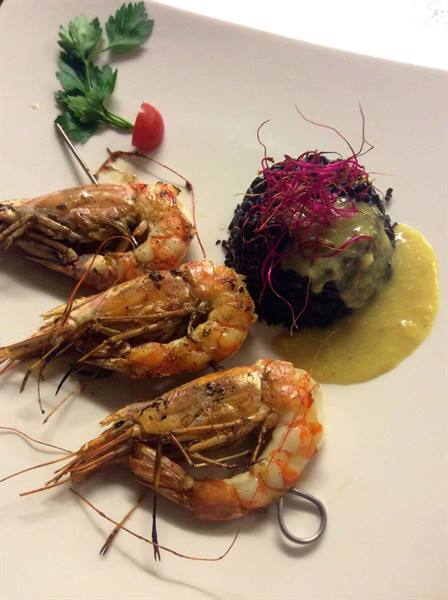
An evocative location where in 2003 we created a venue with the aim of combining bar and dining, enhancing the qualities of both. The restaurant is part of the Eccellenze Italiane circuit with a regular certificate. During our happy hours it's professional barmen who serve the tasty cocktails, along with glasses of wine and nibbles, while on Sunday evening the big buffet is very popular, with pizzas, focaccias and first courses until 21.30." Our dinner, featuring sea-fish and meat specialities, which make up a menu that often changes based on the seasonality of always very fresh products, begins with an exquisite little soup of baby octopus with black bread and grilled scallops on a potato and black truffle coulis.
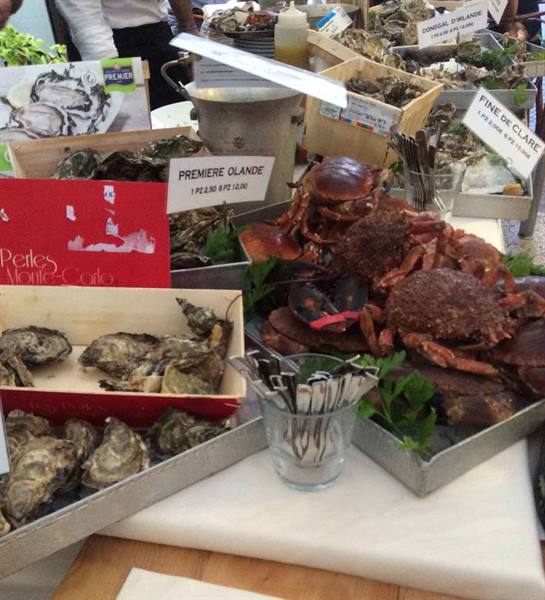
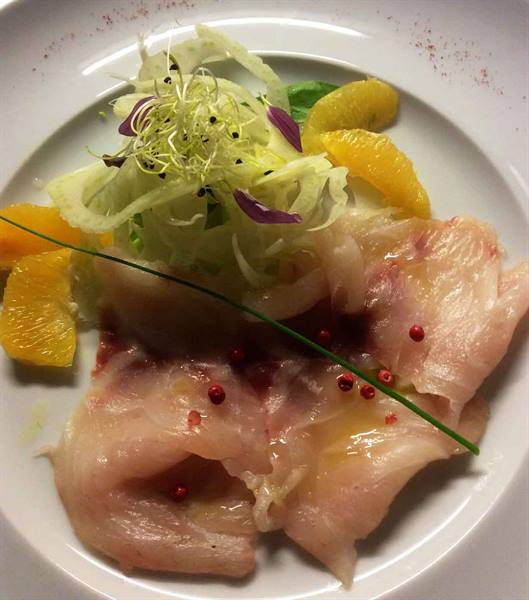
We also taste the warm seafood salad with potatoes, the sea bream carpaccio with citrus and pink pepper, as well as a mix of raw fish, while meat lovers choose the very good knife-cut beef tartare with its condiments, without giving up even the excellent cured meats from the local valleys with preserves. A few real gourmets in our group taste fresh oysters, also available with the aperitifs. We continue with scialatielli with seafood and Gragnano paccheri with tuna ragù and its bottarga, but the gnocchi with toma cheese and bacon are also much loved. We wash down these good things with excellent wines from the rich list, which includes over 400 labels from all over Italy but also French ones, as well as a wide selection of sparkling wines, also both Italian and French.
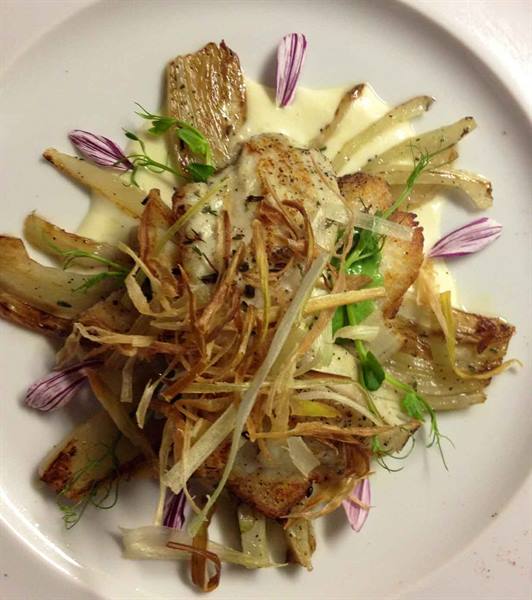
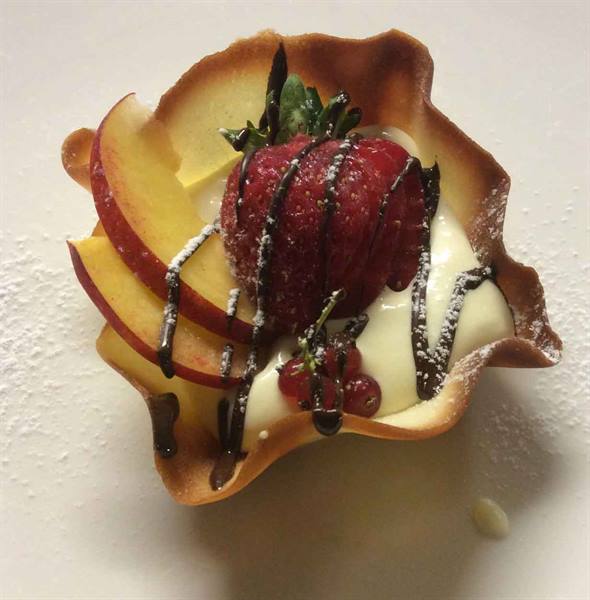
Among the fish dishes we taste the seared tuna with sesame seeds on a potato flan and soy sauce, and we can't resist the monkfish chunks on a chickpea cream with rosemary either. Our "carnivore" friends, meanwhile, delight in a nice Fiorentina steak, and the spectacular elephant-ear Milanese cutlet also wins converts. Finally, we gladly give in to the sweet temptations of the home-made desserts, including the tiramisù reworked with gianduja, the biscuit cannolo with ricotta and dark chocolate shavings with orange sauce, as well as a tasty white chocolate and raspberry cake and the Catalan cream with chocolate and ginger.
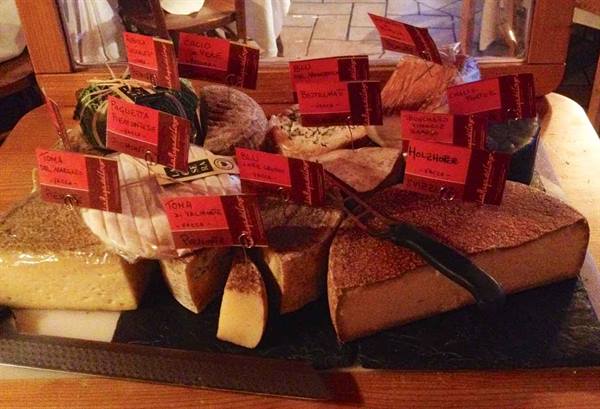
Our day in Arona ends with a selection of Italian and French cheeses from the trolley, which we enjoy with home-made mostardas and jams that we're sure Stendhal would also have appreciated; we will undoubtedly follow in his footsteps, gladly returning to Arona for new days out.
Francesca Bertha
FOR INFORMATION:
Cafè Ristorante La Ruga del Corso Via Cesare Battisti, 12 Arona (NO) Tel.: 0322/44196
The journey's photographs
17 photographs · click to open them full screen
0 reader comments