Tripscoop›Europe›ITALY›Once upon a time in Turin... A day discovering the fabulous capital of Piedmont
ITALY · Europe
The story
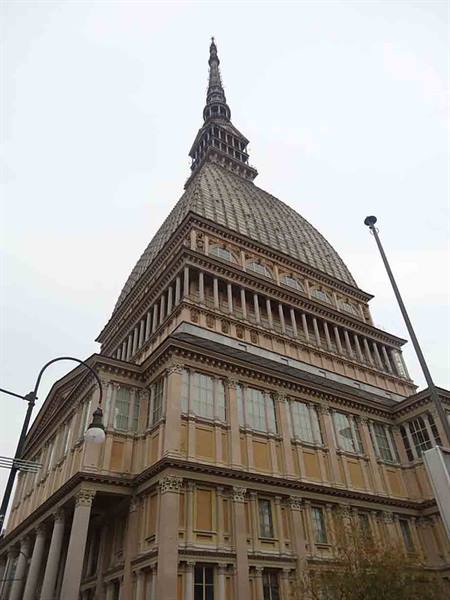
Long kilometres of monumental porticoes bearing witness to centuries of history, sumptuous Savoy residences, Liberty buildings dripping with floral decorations, the dome of the Mole Antonelliana towering 167.5 metres high against the white mountain ranges of the Alps that surround the city of many souls. Countless museum rooms that gather the historical, artistic and scientific memory of humanity, a place of religious pilgrimage as the home of the Holy Shroud, but also a mysterious city steeped in magic that Giorgio De Chirico called 'the most profound, the most enigmatic in the world': these are just a few frames of the imaginary film that could tell the story of Turin. It is no coincidence that the first film industry was established precisely in the Piedmontese capital, where in 1896 the Lumière brothers, inventors of the cinematograph, gave the first screening of a film in Italy.
Our walk through the centre begins right from what was for a long time considered the tallest masonry construction in Europe: the Mole Antonelliana, symbol of Turin. According to the initial plans, the building was to become a Jewish place of worship, but the various difficulties that arose during its construction, begun in 1863, made the Jewish community change its mind, and ten years later it gave it up, trading the Mole, at the time covered by a temporary roof at a height of 70 metres, with the City of Turin in exchange for a plot of land on which to build a synagogue. The architect Alessandro Antonelli worked on the Mole with dedication until his death, in 1888, at the age of ninety. In the city, the rudimentary lift operated by a pulley, with which the elderly architect rose dozens of metres up to personally check the state of the works, became legendary.
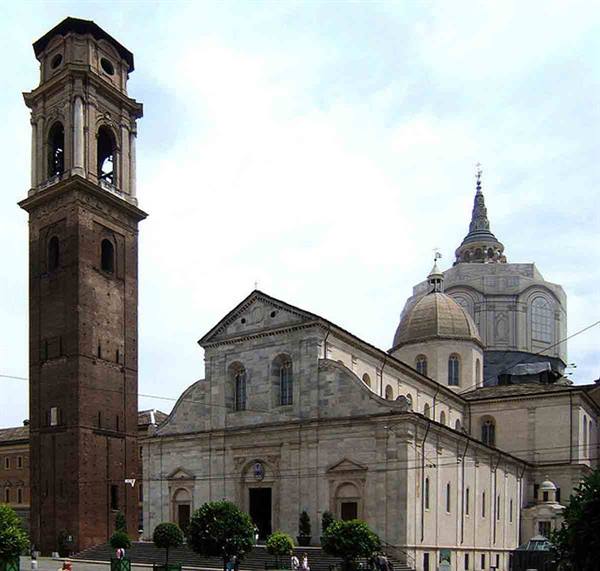
However, unfortunately he could not see the work finished as we know it today, inaugurated only ten years after his death. Inside the Mole is the National Cinema Museum, one of the most visited museums in Italy, which reconstructs the history of cinema through an exciting interactive tour. During our journey back through Turin's history we also reach the Porta Palatina, a monument that in Roman times allowed access to the city from the north, then called Augusta Taurinorum. Together with the ancient theatre, it is included in the Archaeological Park inaugurated in 2006. Because of the imposing urban planning works carried out from the 17th century onwards, in Turin there are not many medieval or Renaissance monuments, but for example the 15th-century Duomo is one of them. Named the Cathedral of San Giovanni Battista, it is the city's main place of worship.
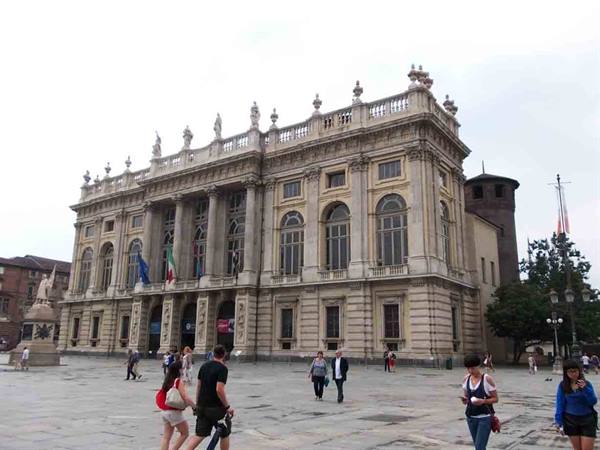
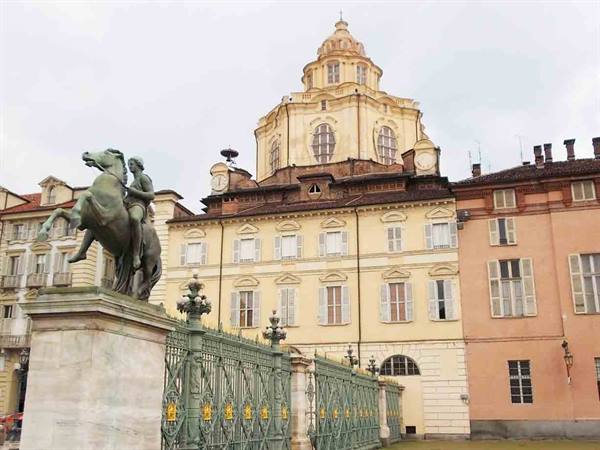
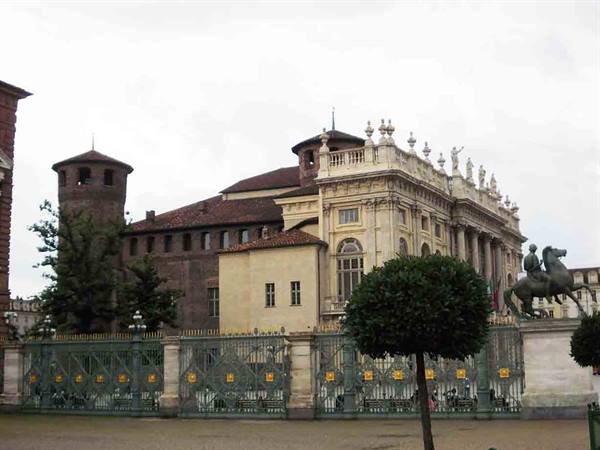
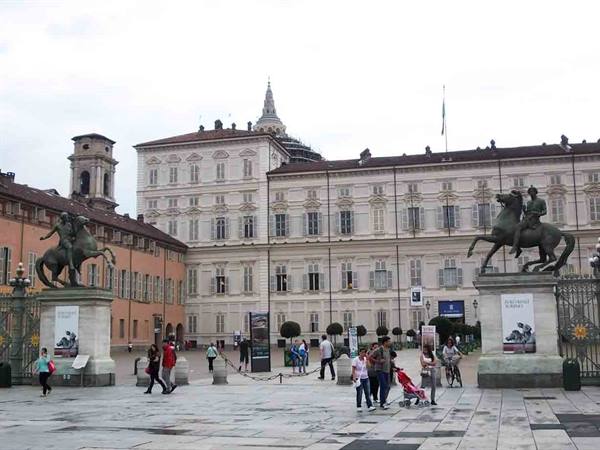
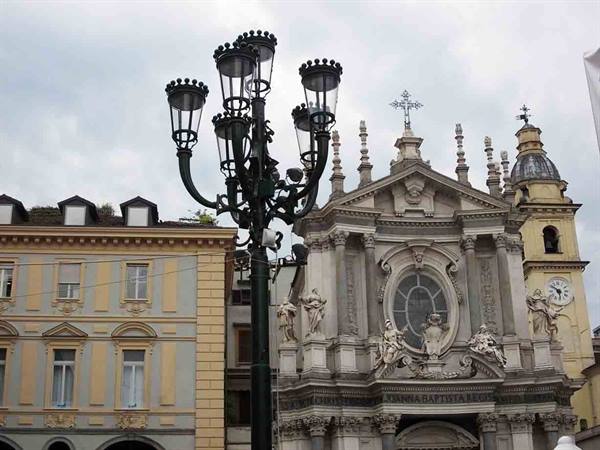
Inside, beneath the sumptuous Royal Tribune, the Shroud is kept in a case, shown to the faithful on the occasion of the great expositions. We thus arrive at the Savoy era, which was certainly one of the most fruitful also from an architectural point of view. Turin became the capital of the Duchy of Savoy in 1559, and in 1713, the year in which the dukes of Savoy obtained the title of king, it became the capital of the kingdom. Several marvellous buildings in the centre date from that historical period, today part of the Unesco serial site Savoy Residences, including Palazzo Carignano, the architectural complex of Palazzo Madama and the Casaforte degli Acaja, as well as the stupendous Royal Palace, the theatre of the kingdom's politics for at least three centuries.
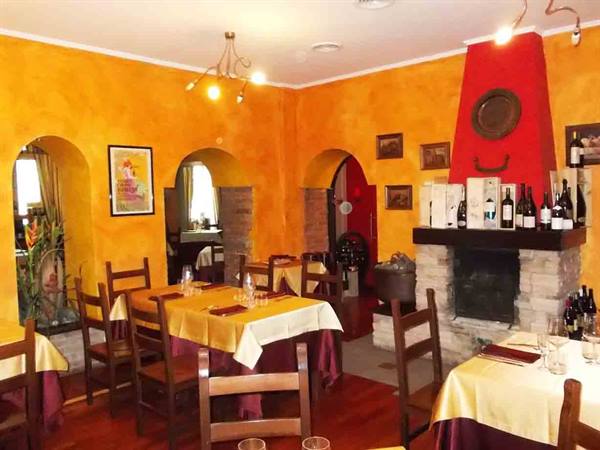
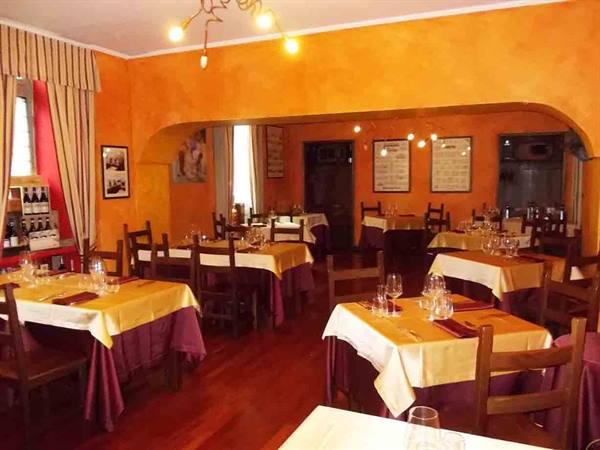
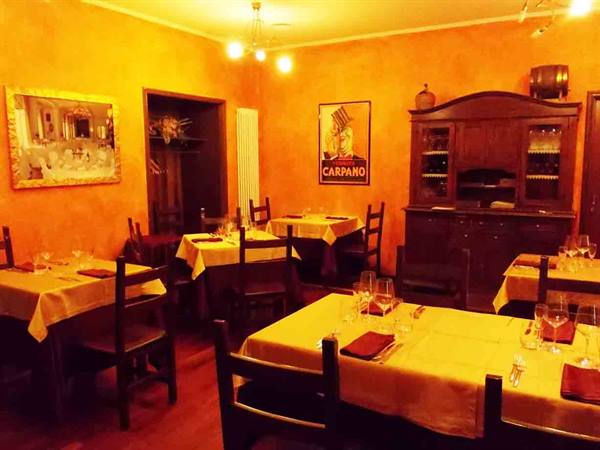
The sumptuous building, designed between the end of the 16th and the beginning of the 17th century, and originally used as a bishop's palace, represents the heart of the Savoy court and is among the most visited monuments in Italy. Our day continues in Turin's history also at the table, and from the royal court a short walk is enough to keep dreaming of times gone by, reaching the Ristorante C'era una volta at corso Vittorio Emanuele II 41, a stone's throw from Porta Nuova station. Situated on the first floor of a 19th-century building, the place strikes us for its warm and welcoming atmosphere. A desk of other times near the entrance with a historic model of a typewriter on top, period books and a display of fine oils and spirits, are all details full of poetry that help create a special environment where even nostalgia becomes a pleasant ingredient.
'The restaurant was founded in 1969, and our philosophy is to blend culinary tradition with the refinement of the creations customised by the chef and patron Angelo. Since 2007 we have paired the restaurant activity with catering too, offering an elegant service with high-quality dishes,' Mr Luciano, the owner who welcomes us in the dining room, explains to us. We begin with the traditional bagna caoda, and with the pear and Robiola di Roccaverano tarte tatin with cougna. Among the tasty starters we also enjoy a puff pastry with Santena asparagus and emulsified cherry tomato. We continue with the typical agnolotti del plin with Cortemilia hazelnuts, while our friends choose the Carnaroli rice nest with peas and pancetta in Barolo.
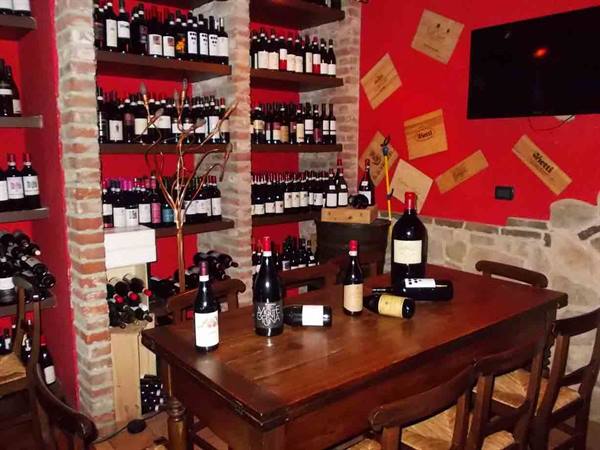
We cannot resist either one of the restaurant's specialities, the tajarin alla Vittorio Emanuele II, made with a Piedmontese fassona ragù, with three different cuts of meat sautéed with white wine. Speaking of wine, one of the restaurant's flagships is its cellar, which holds over 400 important labels, mainly Piedmontese, without neglecting the best national labels and not even Italian and French sparkling wines. It is also possible to eat inside the cellar, tasting selected spirits at the end of dinner and smoking a cigar. Among the dishes we choose an exquisite seared fassona with barba di frate, and we also taste the strips of fassona in caramelised Barolo. Our friends opt for the crunchy toma cheese with broad beans, while some of us go for the classic mixed fried and boiled dishes.
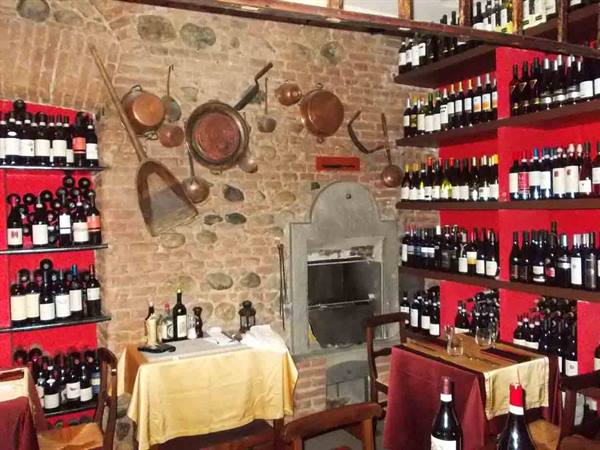
Chatting a little with the owners we discover that it is also possible to taste various types of meat cooked on the hearth on the spot, in front of the guests: it will be the culinary experience to try next time. Coming back here in autumn, we will also find an authentic triumph of mushrooms and truffles, fragrant and exquisite protagonists of numerous specialities. Our Turin day ends in great sweetness thanks to the tasty house desserts, including 'Piemonte in bocca', a dish made up of bunet, gianduia mousse and chocolate fondue. We cannot resist either the round hazelnut tartlet on zabaione cream and the Mombaruzzo amaretti panna cotta on passito cream. There is still a lot left to see in this city, where we will certainly be happy to return to discover new chapters of that lovely novel that begins like this: 'Once upon a time in Turin...'
Francesca Bertha
FOR INFORMATION:
Ristorante C'era una volta Corso Vittorio Emanuele II, 41 Torino Tel.: 011/655498
The journey's photographs
13 photographs · click to open them full screen
0 reader comments