Tripscoop›Europe›ITALY›A City Where You Feel at Home: a Trip to Biella between Art, History and Good Food
ITALY · Europe
The story
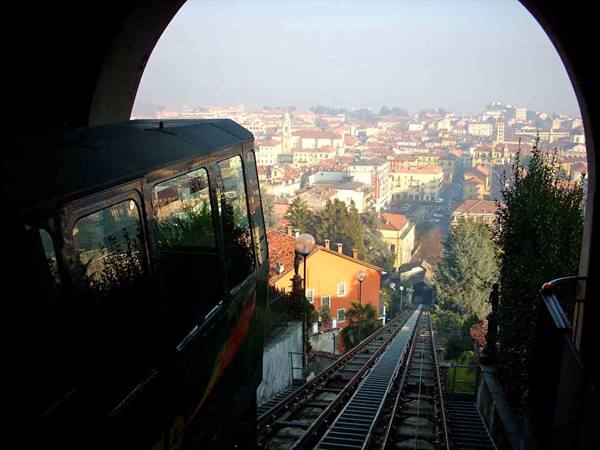
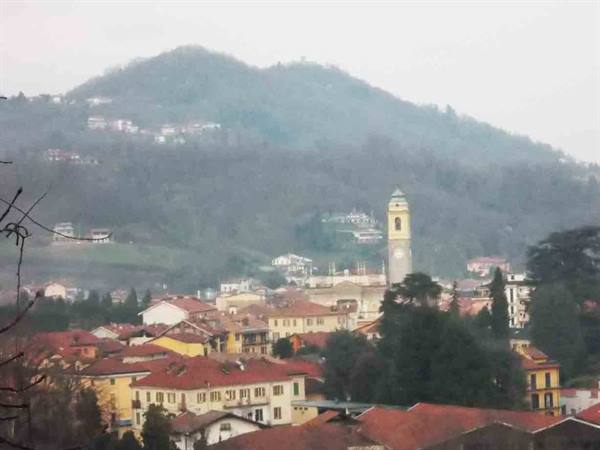
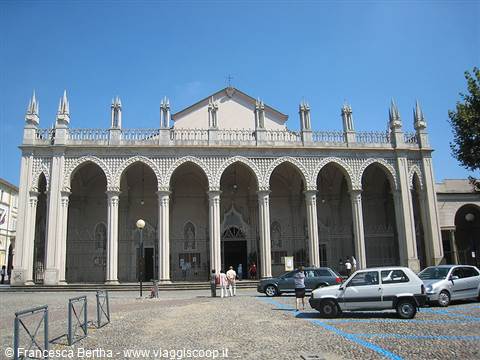
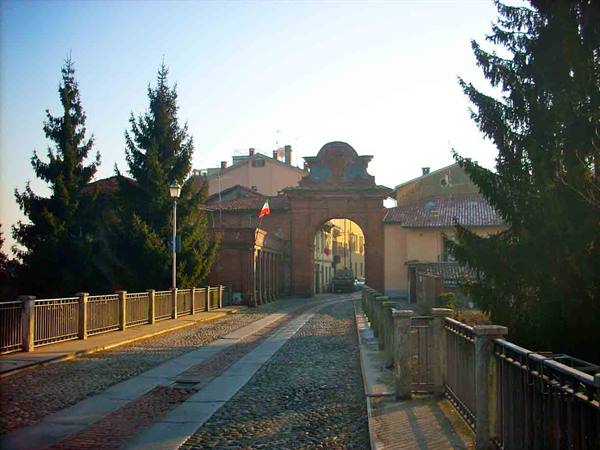
To travel through time, sometimes it is enough to take the funicular: arriving in Biella, a beautiful art city in the Prealps, this is the first surprise that wins us over. Yes, because the town, besides its flat districts, called precisely Biella Piano, and its hamlets from which the breathtaking mountain chains of the Biellese Alps stand out, has a historic centre located on a hill 480 metres high. The medieval village of the Piazzo is connected to the lower part of the town by the funicular, as well as by a series of characteristic alleys, which the people of Biella call coste.
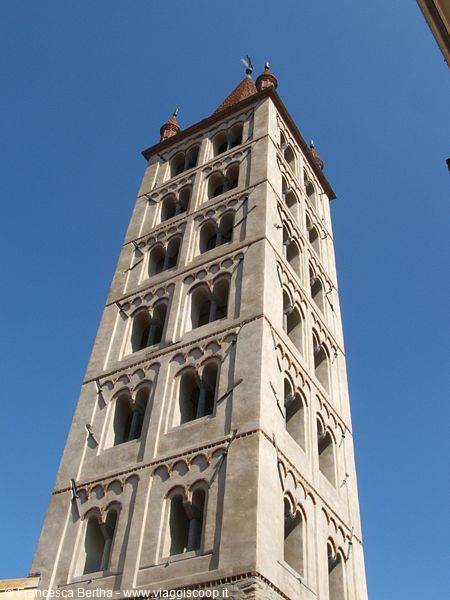
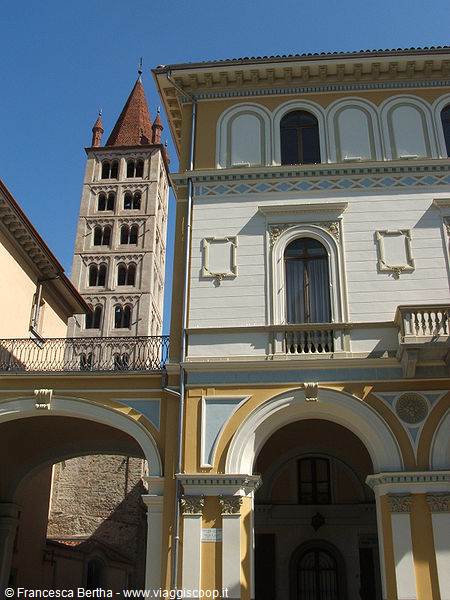
If today we can walk in this district where every stone seems to tell a story many centuries long, we owe it to the far-sighted decision of Uguccione, bishop of Vercelli, who in the twelfth century granted some important privileges, such as the administration of justice, the slaughtering of meat and the possibility of holding a weekly market, to the people who were willing to live on the Piazzo hill. Thus Biella began to become a municipality, and meanwhile the bishopric also secured a safe refuge from the struggles between the Vercelli Ghibellines and the Biella Guelphs. Today the scenic piazza Cisterna with the Palazzo Cisterna, the porticoes with terracotta decorations and the stone capitals remind everyone, locals and tourists, of a history rich in art and culture that still continues.
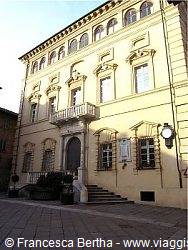
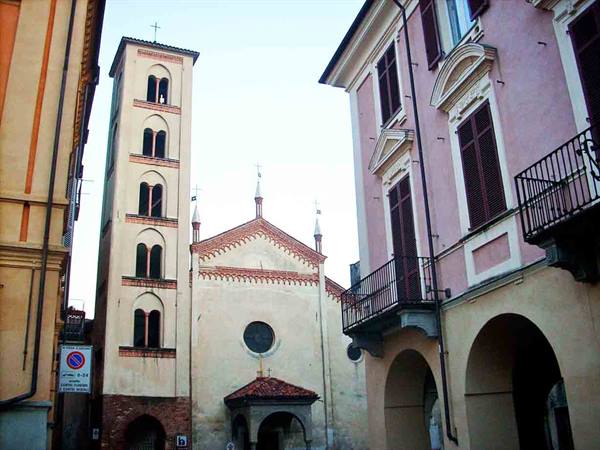
During our walk we admire, among other things, the sixteenth-century Church of San Sebastiano, which preserves inside it extraordinary paintings by Piedmontese artists, while in its cloister is the Museo del Territorio, where finds from a Roman necropolis are exhibited, as well as ceramics and paintings. Palazzo La Marmora, with its tall octagonal tower and its beautiful eighty-metre-long facade, was also a suggestive stop on our Biella day.
If the province of Biella, in particular the valley of the river Elvo, are also famous for a gold deposit, that of Bessa, formed a million years ago, the real gold of this town, for many years, was wool. Already back in 1245 the College of Wool Merchants and that of Weavers were included in the Statutes of Biella, and in more recent times, from the early eighteenth century onwards, with the introduction of more modern processing methods in the wool mill, the town became an important centre of textile production.
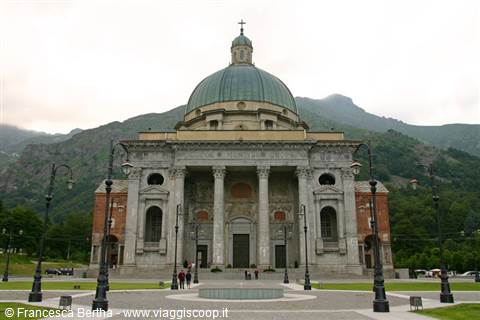
But Biella is also a destination for religious tourism, thanks to the Sanctuary of Oropa, an important place of Marian worship, located in the hamlet of the same name, about a dozen kilometres from the centre. According to tradition, the Sanctuary, dedicated to the Black Madonna, was founded by Saint Eusebius, bishop of Vercelli, in the fourth century.
In Biella art is breathed in all its forms, and indeed the town is also home to an important musical event, the Biella Festival, which since 1978 has attracted singer-songwriters and musicians from all over Italy, but also from abroad.
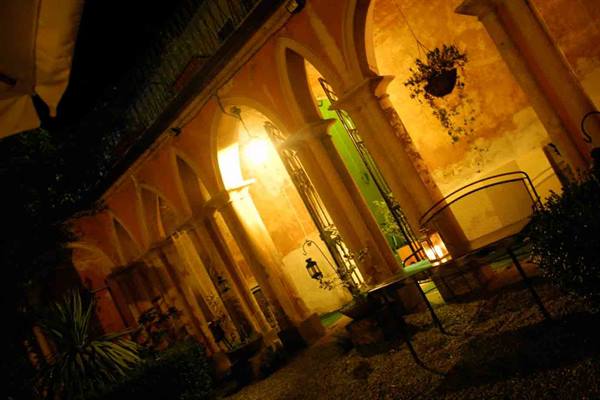
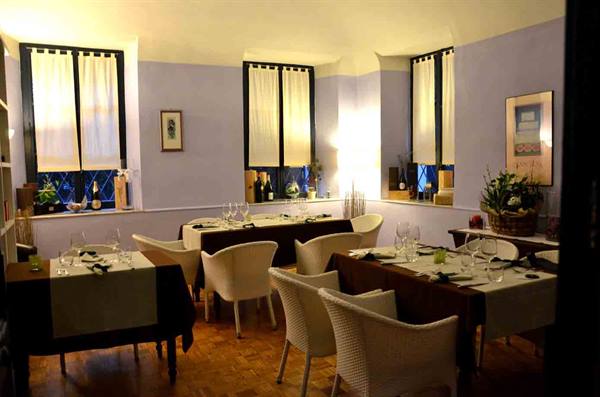
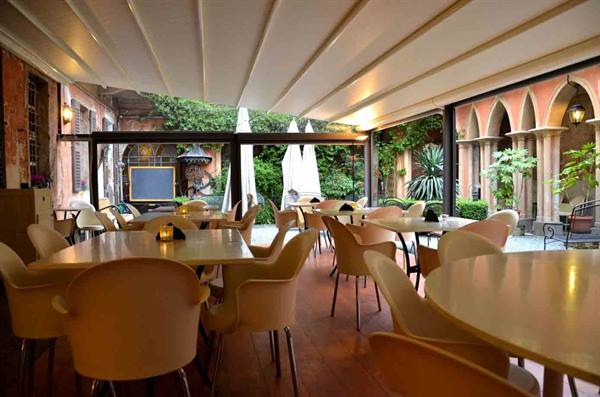
To continue our journey through time and the arts, we take the funicular again and move to the centre, feeling, after so much walking, a fair appetite. We reach the Ristorante Vineria At Home, located in via Orfanatrofio, and immediately discover that we are in a historic location: here, around 1500, the Monastery of Santa Caterina was founded. One is enveloped by the suggestive atmospheres of the past as soon as one crosses the gate: the pointed-vault portico of the dehors recalls the architectural style of centuries ago. Where once the silence of a convent reigned, today we find an elegant but informal environment, with a calm and relaxing atmosphere, where the warm welcome also contributes to feeling at home. "At Home", precisely: a place sheltered from the summer heat where you can meet up with friends for a chat while tasting good wine and sampling tasty but light dishes.
"For the summer months, until 30 September 2014, we have decided to give our restaurant a new look. To spend pleasant evenings in town leaving the stress of everyday life outside the gate, we await everyone in our cool garden with the renewed wine bar. Everyone can taste their favourite wines, sample new ones and meet the producers in person. All accompanied by tasty finger food, platters rich in cheeses and refined cured meats, and tastings of our specialities," the owner explains to us.
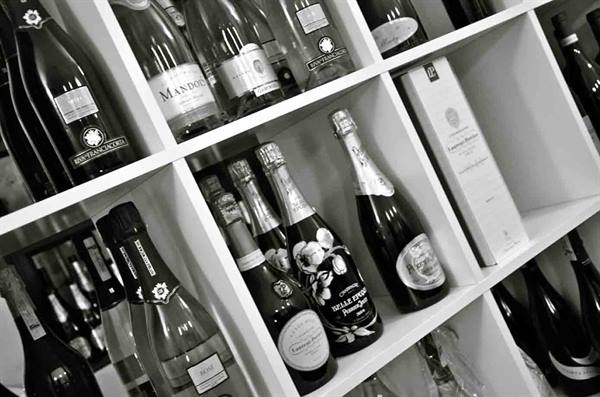
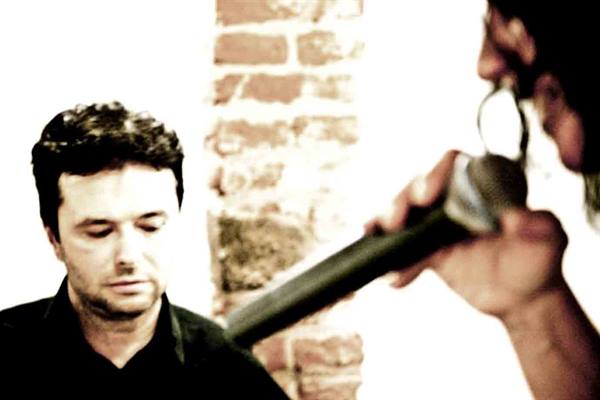
Taking advantage of the warm late-spring evening, we settle into the dehors and, listening to pleasant live music, we begin to enjoy fresh summer dishes including tasty flans such as the Sicilian timballo with maccheroni and pistachio ragù from Bronte, and the broccoli soufflé on carrot cream with a parmesan wafer. Some of our friends cannot resist the very colourful salads such as the Mediterranean one, with prawns, fennel and oranges, or the Hellenic one, with lamb's lettuce, feta, pears and tomato. Between one course and another, we sip excellent local wines, but also national and foreign ones, chosen from the more than 130 labels of the very well-stocked wine bar.
We accompany the tasting also with imaginative slices of dressed bread: homemade with mozzarella fior di latte bites, grilled courgettes and cherry tomatoes, or cereal toast with Norwegian salmon, avocado and red onion from Tropea. The platters of artisan cured meats are also a great success, and finally we cannot resist either a selection of excellent cheeses.
Now that we have discovered this place, we will certainly return gladly, also to take part in evenings with live music and cultural and artistic moments, and we are sure: every time it will be like finding ourselves at a friend's home.
Francesca Bertha
FOR INFORMATION:
Ristorante Vineria At Home Via Orfanatrofio, 23/A Biella Tel.: 015/23197
The journey's photographs
14 photographs · click to open them full screen
0 reader comments