The story
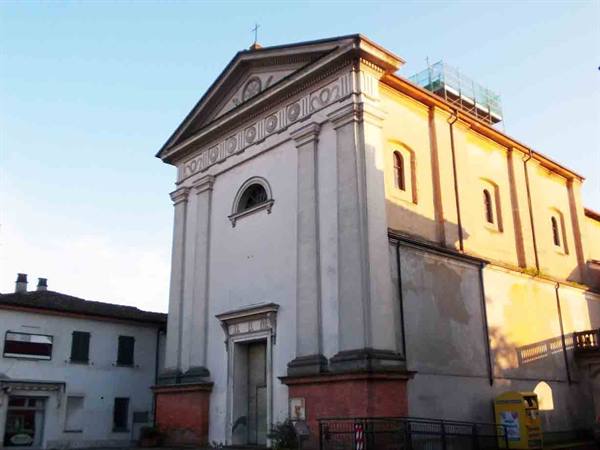
That day, in October 1837, the notes of Verdi's Messa solenne could be distinctly heard even at some distance from the parish church of Santo Spirito. The many people attracted by the beauty of the music in the hamlet of Croce Santo Spirito did not know they were witnessing an event that would go down in history: the work was being conducted by its own composer, Giuseppe Verdi. The famous composer, then twenty-four, was still what today would be called an “up-and-comer”, and many of the most important events of his life — both the tragic ones that would strike his family and the joyful ones linked to success — would happen in the months and years to come. The festival of the Madonna del Rosario, on the occasion of which Verdi's concert took place, still returns every year, keeping alive the town's musical tradition, which is also linked to another famous musician, Giovanni Gagliardi.
Born in 1882, Gagliardi was a passionate accordionist as well as a convinced pacifist. At the time the accordion was not held in great esteem, but the enthusiasm with which the artist proposed it to the professionals won over much resistance, and he managed to impose his instrument even on the record companies. Arriving in the town, the young people in our group hypothesise a fairy-tale origin for the place name, which according to them comes from a mysterious glass castle, but the books tell us a different story, even though a castle did exist. In Roman times Marcus Brutus had a fortress built here, perhaps contemporary with that of Zibello, as a bulwark of the empire after the defeat of the Gauls by the consul Marcus Aurelius. Unfortunately the manor could not withstand the storms of history, and as early as a document of 1221 it is spoken of as a heap of ruins.
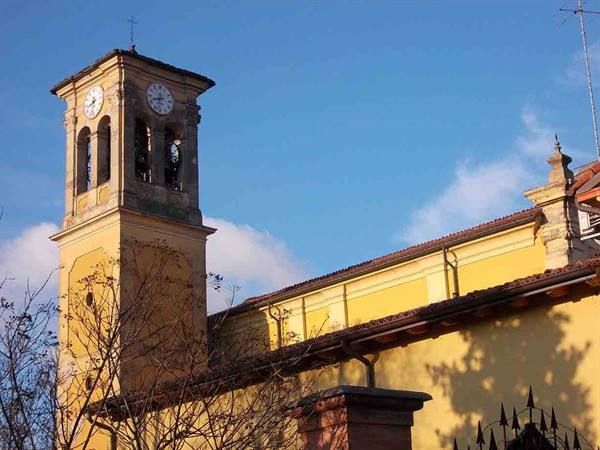
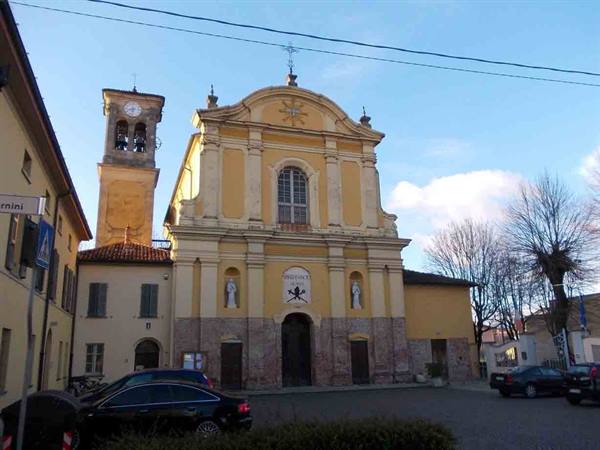
Its memory, however, lives on in the place name, which comes from “castrum vetus”, that is, “old castle”. The church of San Giovanni Battista dates back to 1123, perhaps even to the 10th century; it was remodelled in the eighteenth century after the damage suffered during the flooding of the Po. Inside we admire a sixteenth-century Assumption painted by Vincenzo Campi and the eighteenth-century altarpiece of the Cremonese school, depicting the preaching of Saint John.
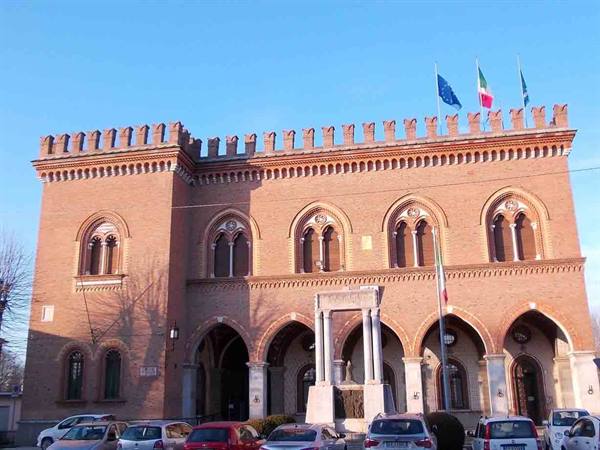
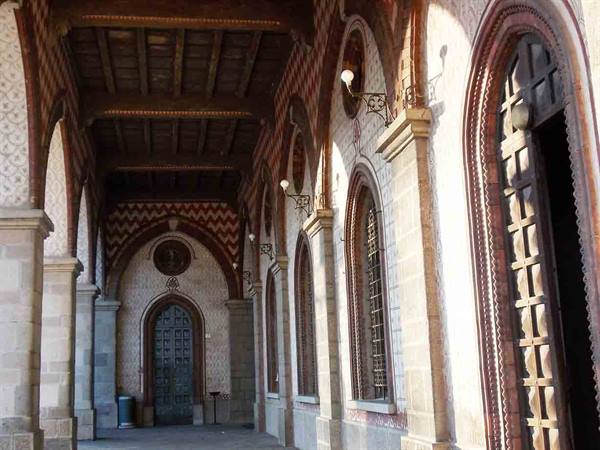
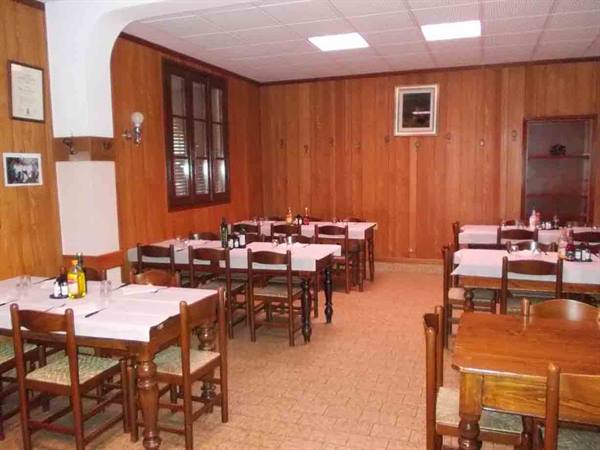
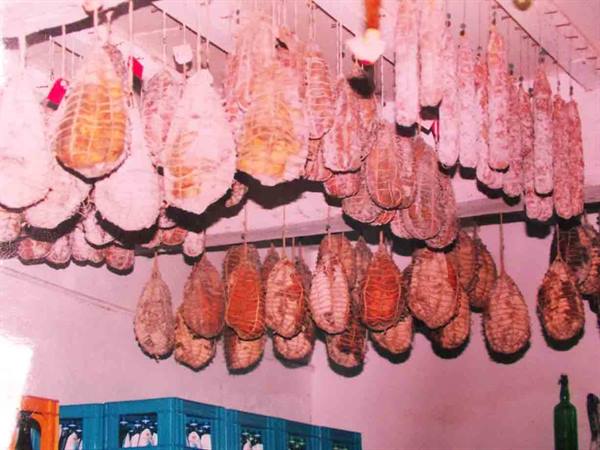
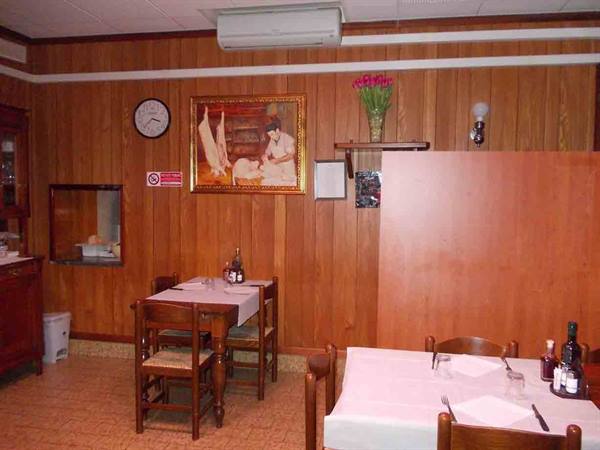
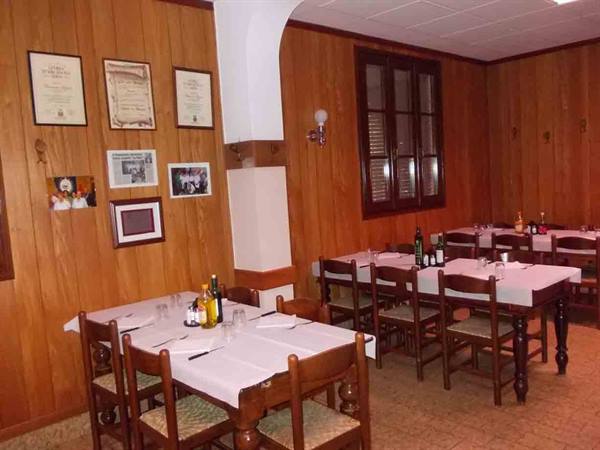
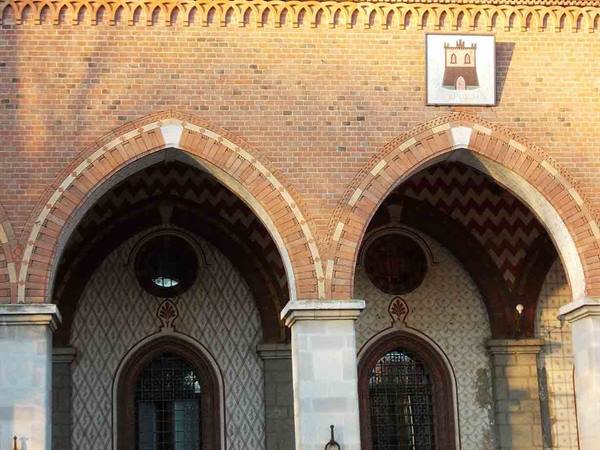
In the centre we also visit the handsome town hall, built in Gothic style by Arnaldo Meazza. Besides its artistic beauties, Castelvetro Piacentino is also appreciated for its natural ones: in fact, the town is part of the municipalities of the Strada del Po e dei Sapori della Bassa Piacentina, and is therefore a destination for tourism increasingly attentive to nature, to the sometimes slightly hidden charm of the area and to good food. Our day too continues in the name of flavours, when we settle into one of the characteristic rooms, furnished with taste and simplicity, of the Trattoria della Pace, on via Bernini. Welcoming us with great kindness are Mrs Angela and her husband Ennio Guarneri, who run the place together with their children Barbara (the cook) and Roberto. Chatting with the owners, we discover that the trattoria is, in a sense, the home of the area's best cured meats.
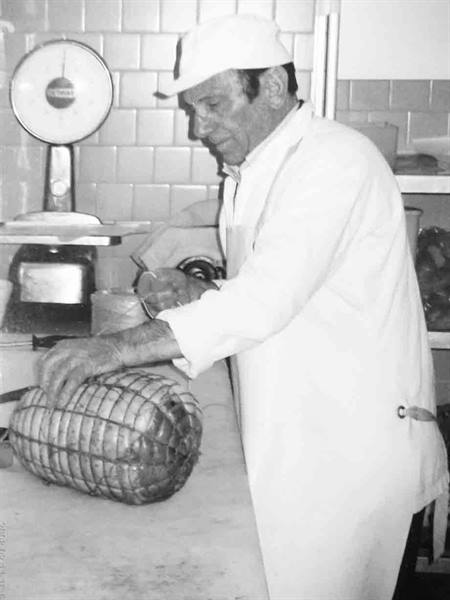
This is thanks to Mr Ennio, who from boyhood had learned the art of making cured meats, which he continues to prepare with enthusiasm, producing exquisite culatelli, coppe, salami and cotechini. “I had learned this trade when I was a boy, from a gentleman who had a moustache and was in the habit of explaining things only once. If he thought I had not tied the cured meat I was working on properly, he simply cut the string and I had to start all over again,” Mr Ennio tells us, also explaining how a good culatello is made: “you have to put the meat under salt with the aromas, then tie it with the pig's bladder on top. Once tied, the meat is kept in the workshop for a few days to let the water out, then moved to a slightly warmer room to dry, after which the curing can begin, which in summer continues in a cool room and lasts about two years.
In the case of 7-8 kilo pieces, the curing must be at least 18 months; for coppa a little less, while salame is good after just 2-3 months.” The trattoria, run by Mrs Angela's family since 1980, has been enlarged over the years with the addition of the little sitting room, while an old grocery store once attached to the premises has been closed. The restaurant's history also holds many festive memories and has seen the presence of famous figures too, including Mina, of whom they keep a signed photograph. “Until a few years ago we held the festival in the street here in front of the trattoria, with the orchestra and the dance floor, and we, together with the Cantina Bacchini, cooked for the people. There was an enormous amount of work to do, but we had a great time,” recalls Mrs Angela.
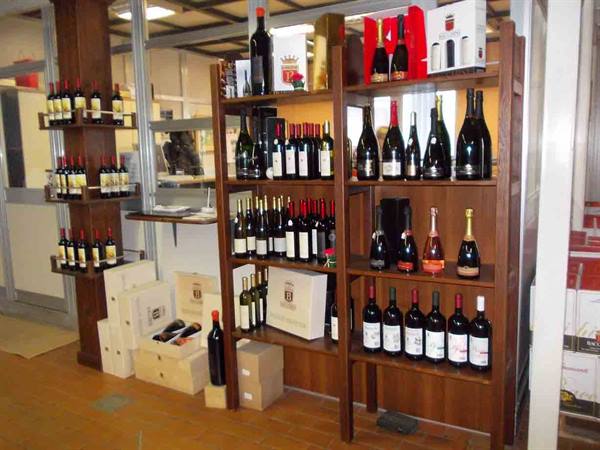
Our dinner in the name of the best traditional cuisine begins with a fine starter of cured meats, pancetta and lardo, followed by the typical first courses made with homemade pasta: pisarei e fasò and tortelli with ricotta and spinach. We wash down these delights with the excellent wines of the Cantina Bacchini, which stands right opposite the trattoria, and so before leaving we will also buy a few bottles. Next, we taste meat dishes such as grilled sausage, the nodino and some ribs. Some of us cannot resist the tripe, but the horse meat is very popular too. Among the stars of the dinner, the fantastic torta fritta with warm spalla cotta di San Secondo, cut by hand to order. Delicious and not at all greasy, it is the trattoria's speciality that attracts customers even from far away.
“Initially we made it only on Wednesday evenings, but today it is always available, except on Tuesday evening and Thursday,” the owners explain. Our day in Castelvetro ends by giving in to the house's sweet temptations, including tiramisù, tarts, apple cake, zabaione and nougat and chocolate mousse. Many pleasant reasons to return to these parts soon.
Francesca Bertha
FOR INFORMATION:
Trattoria della Pace Via Bernini, 87 Castelvetro Piacentino (PC) Tel.: 0523/823330
The journey's photographs
12 photographs · click to open them full screen
0 reader comments