The story
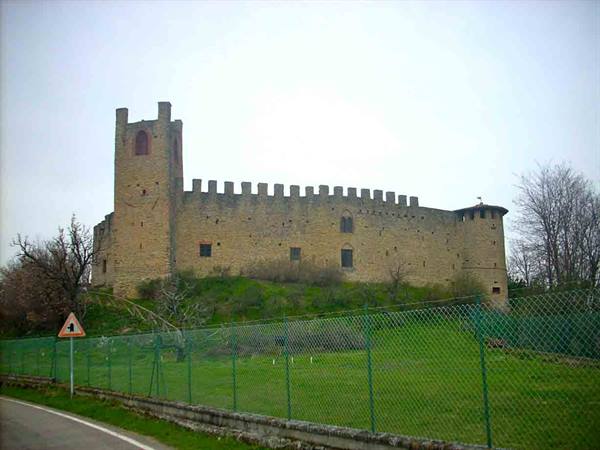
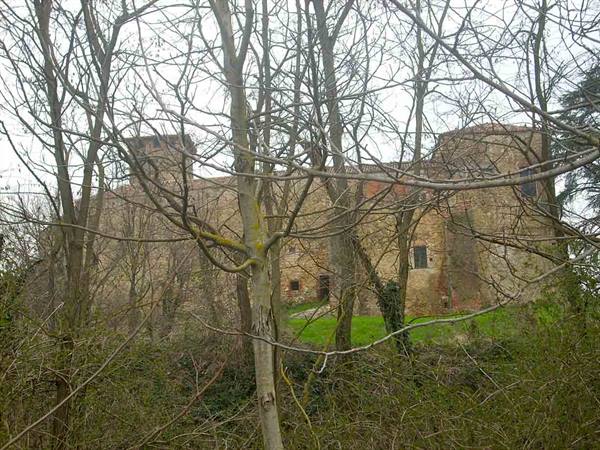
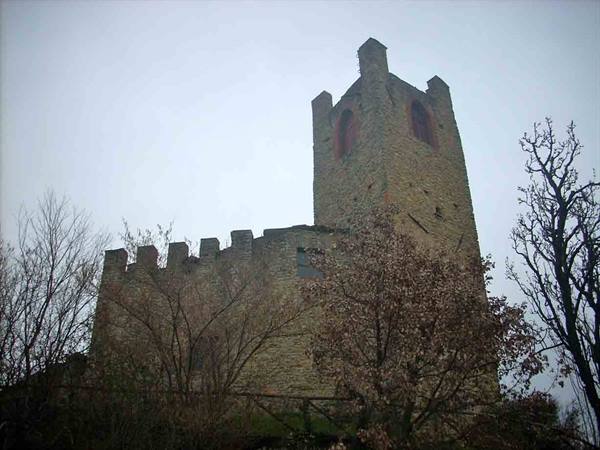
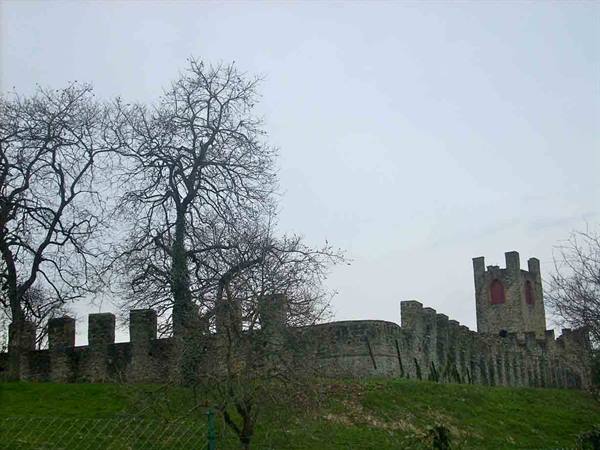
Even those who have never been to Carpaneto have probably experienced a moment of emotion connected to this town thanks to music: the wood of the white hornbeam is used to make certain components of piano mechanisms, as well as percussion sticks; this tree was once very common in the municipality's territory, which, as its coat of arms shows, takes its name precisely from that tree species. The tree, then, and not the fish, although another theory supports the toponym's origin from "carpa" (carp). Arriving in a historic municipality whose origins date back to Roman times, and which was mentioned for the first time in 758, it's normal to expect the presence of a castle. But Carpaneto surprises us in a big way: we find as many as six castles, not counting the remains and ruins of several other manors. Six castles, spread across as many hamlets, but strangely no news of ghosts.
Instead we discovered a fine story, somewhere between mystery and legend, concerning the castle of Torre Confalonieri, which became popular thanks to the noble family that gave the place its name, and in particular to one of its illustrious descendants: Saint Conrad. The event that led to the conversion of the young nobleman Conrad Confalonieri, born in 1290, was a tragic hunting episode that took place in the woods of Carpaneto. That day Conrad had the idea of setting fire to the brushwood to flush out the game, but a sudden gust of wind turned the cheerful day into a tragedy: the fire spread in an instant, burning woods and houses. Later the Ghibelline government blamed a farmer for the fire, but when Conrad learned that they wanted to execute him for his fault, he confessed that he had been the author, albeit involuntary, of the disaster.
As a result, all his assets were confiscated, and that phase of his life began which gave Carpaneto a saint. Continuing our historical pilgrimage among the hamlets, we also visit the castle of Magnano, already mentioned in 1288, the castle of Travazzano, where Emperor Lothair II stayed in 1136 and which until recent times was the summer residence of the bishops of Piacenza. Our "castle tour" also numbers among its stops the castle of Cerreto Landi, in whose courtyard are the foundations of an ancient isolated tower, used as a last refuge in case of attack. We also admire the castle of Zena, inside which are notable frescoes and a large fireplace with a coat of arms.
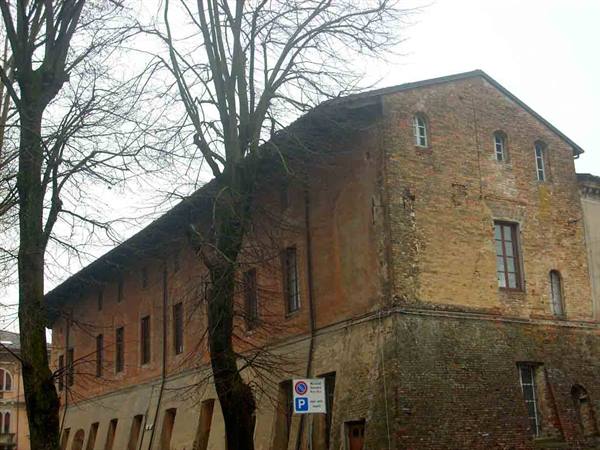
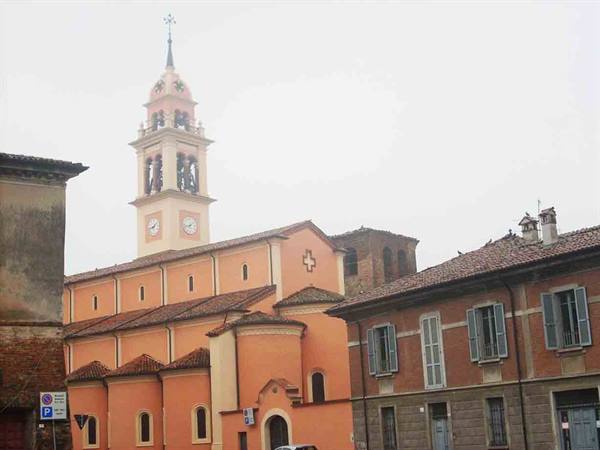
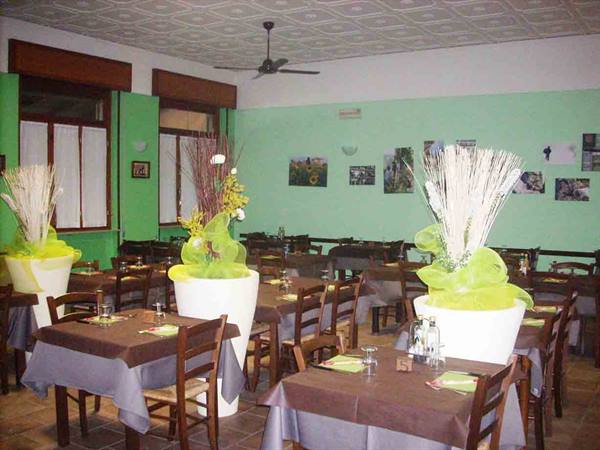
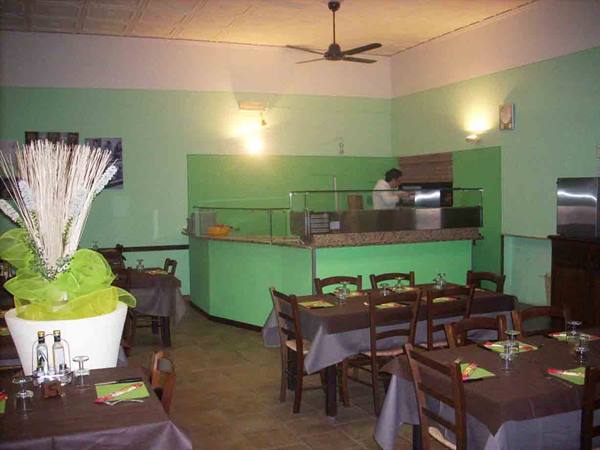
Naturally, a castle couldn't be missing in the town centre either, probably dating back to the 12th century: after suffering numerous devastations over the course of history, a good part of the 15th-century section of the imposing structure has been preserved, and today it houses the Town Hall. Wandering through the centre we also admire the parish church of Saints Fermo and Rustico, from the 15th century, built on the remains of a previous place of worship. Our day in Carpaneto continues with a journey within a journey: we decide to stop at the Ristorante Pizzeria Bellaria, in the hamlet of Caminata di Ciriano, where we're welcomed by a very pleasant, family atmosphere rooted both in the traditions of the area and in Irish and American ones.
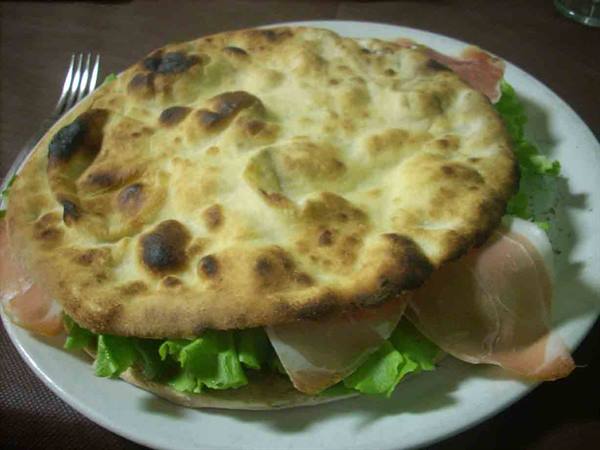
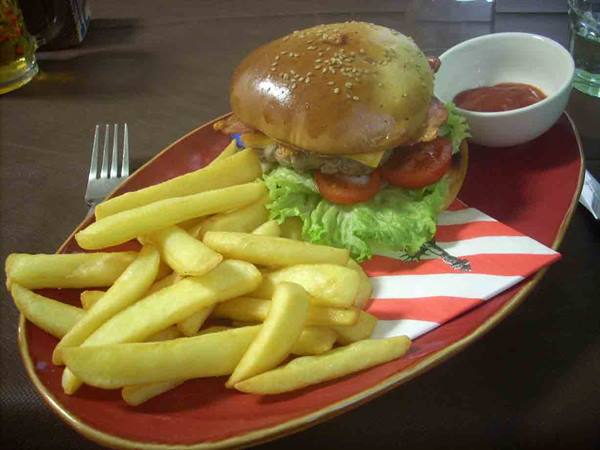
The credit goes to the owners Mario Umberto Matassa, the cook, and Elena Leoni, who have run the restaurant for almost two years with great enthusiasm and imagination. "I'm from Belfast, my parents were restaurateurs. Then I travelled the world, working in catering in New York and Philadelphia too. I'm still a food journalist, I write about Italian cuisine for English magazines, and I've published a book, 'Tuscany', dedicated to Tuscan cuisine", Mr Mario tells us. A good part of our group opts for the pizzas and the fantastic focaccias: the undisputed star is the Bellaria focaccia, filled with salad, fresh tomato, cured ham, mozzarella and oregano. The American Cheese Steak Focaccia and the Greek focaccia, as well as the hamburgers, are also a big hit.
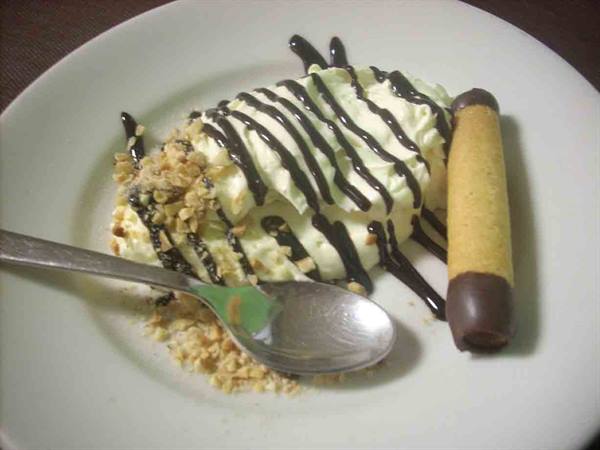
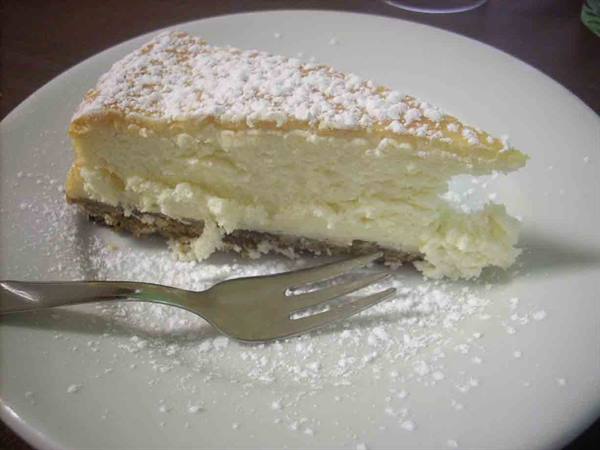
But the traditional dishes are no less succulent: we start, in fact, with mixed cured meats, also enjoying the Parma cured ham and the coppa piacentina. Among the first courses, all prepared with homemade pasta, we choose the anolini in broth, the classic tortelli, the pisarei e fasò, and we also range across the risottos, one more succulent than the next. We wash down these goodies with excellent local wines from nearby cellars. We continue with tasty meat dishes, enjoying tagliate and fillets of genuine Irish meat from an organic farm. Our day ends among the sweet temptations of the house, including tiramisù and the Dolce Bellaria, but also specialities such as the American Apple Pie and the New York Cheesecake.
We'll certainly come back here, both for a lovely day out in the Piacenziano Geological Nature Reserve, and to enjoy, on the large summer terrace, that fresh and light air that gives the Ristorante Bellaria its name, where we'll also be able to attend evenings of live music.
Francesca Bertha
FOR INFORMATION:
Ristorante Pizzeria Bellaria Loc. Ciriano, Carpaneto Piacentino Tel.: 0523/850539 Facebook: Ristorante Pizzeria Bellaria
The journey's photographs
12 photographs · click to open them full screen
0 reader comments