Tripscoop›Europe›ITALY›Sailing from the Lanterna to Lampedusa: A Day in Genoa Between Art, History and Good Food
ITALY · Europe
The story
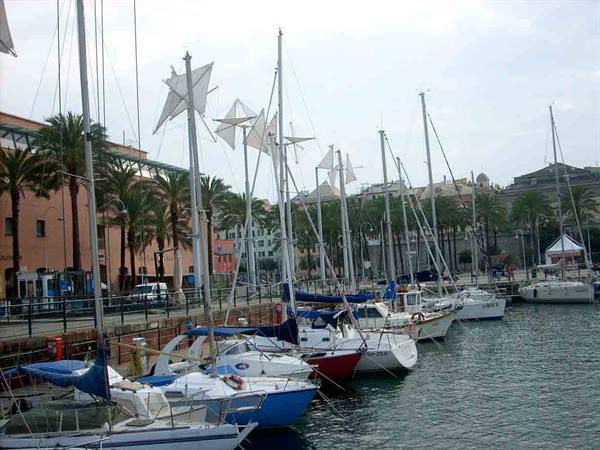
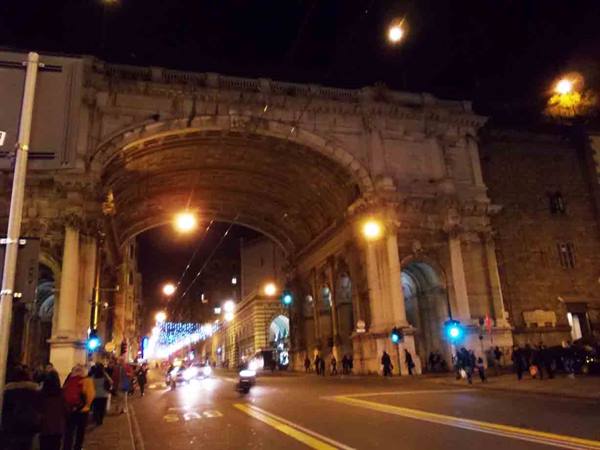
A wonderful natural amphitheatre overlooking Italy's most important port, welcoming the traveller with a breathtaking spectacle of colourful houses, sea, boats and ships from every corner of the world: this is Genoa, historically known as "La Superba", for eight centuries the heart of a powerful maritime republic and today an important city of art and a destination for international tourists. Arriving here, especially from a plain wrapped in fog or from some city steeped in winter smog, is like a jolt of light, warmth and poetry. All it takes is a ray of sunshine and the colourful houses light up like so many pieces of a rainbow, and as you stroll through the evocative Old Port it is inevitable that the now legendary songs of Fabrizio De André echo in your ears.
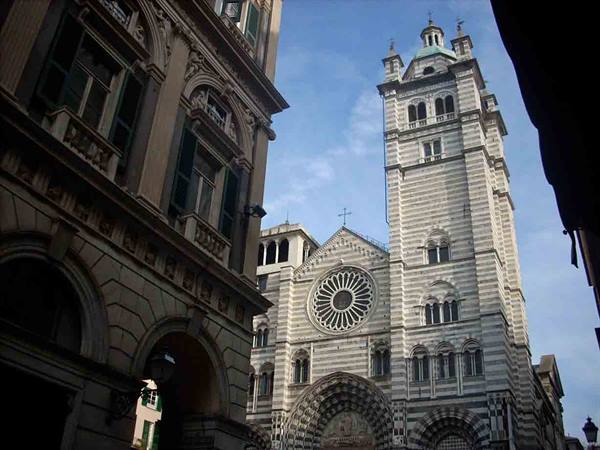
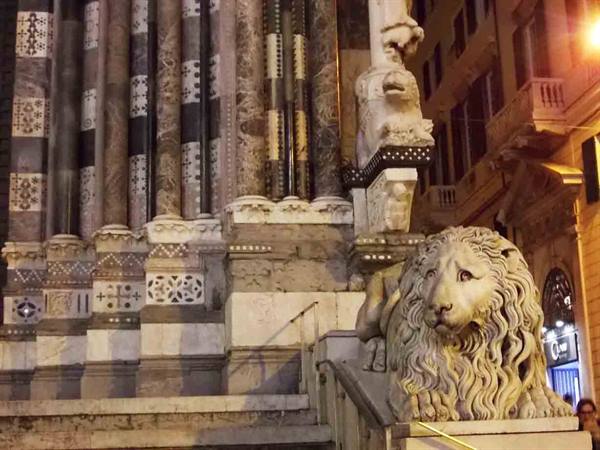
From the port, crossing Piazza Caricamento, we reach Sottoripa, home to Italy's oldest public arcades, built between 1125 and 1133. We also venture into the caruggi of the old medieval quarter and then, following via San Lorenzo, we arrive at the Cathedral of the same name, erected on the spot where, according to legend, Saint Lawrence and Pope Sixtus II, on their way to Spain, were hosted in a house. After the saint's killing, a chapel and then a small church were built in his memory, while the splendid cathedral, with its façade striped in white and black in typical Ligurian style, was consecrated in 1118, before the works were finished. In reality the religious building remained unfinished: according to the original design it should have had two bell towers, but because of the architect's death, the left one was never completed.
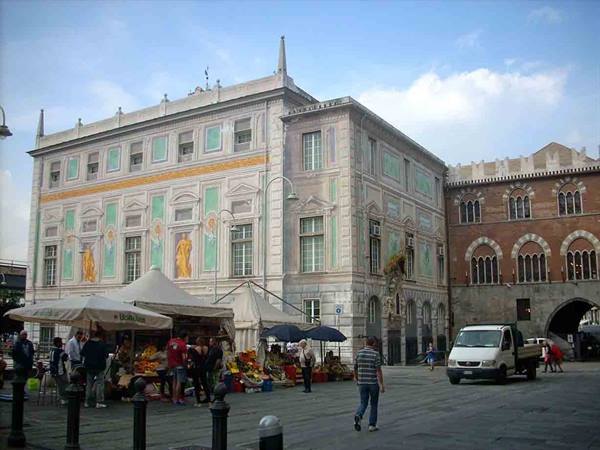
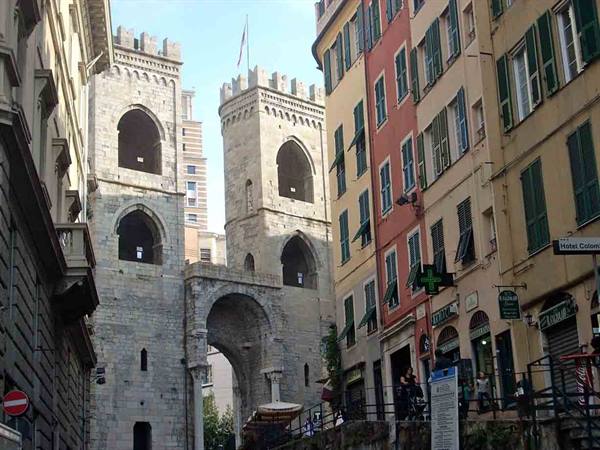
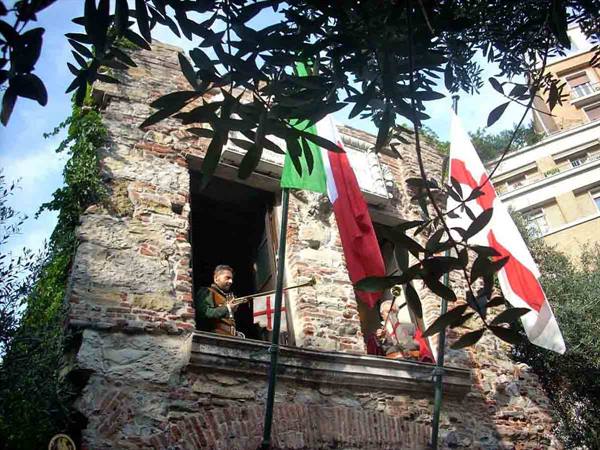
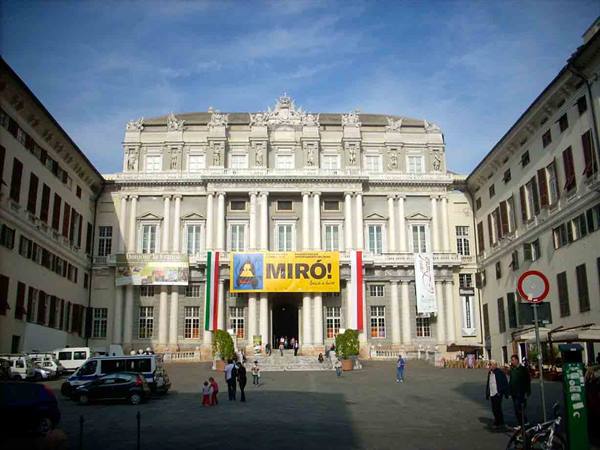
Inside the three-nave church you can admire numerous wonderful frescoes and other artworks from every era. Continuing up the slope, we reach Porta Soprana, which in medieval times was the main gateway into the city. A few metres from its two elegant towers we visit the house-museum of Christopher Columbus, within whose walls the future navigator lived in his youth, between 1455 and 1470. We are told that the modest house, probably destroyed during the bombing of Genoa in 1684 by the Sun King, was rebuilt in the 18th century. The construction of the splendid Palazzo Ducale, on the other hand, is linked to important Genoese military victories (against Pisa in 1284 and against Venice in 1298); restored for the 1992 Colombiadi, it now hosts major art exhibitions.
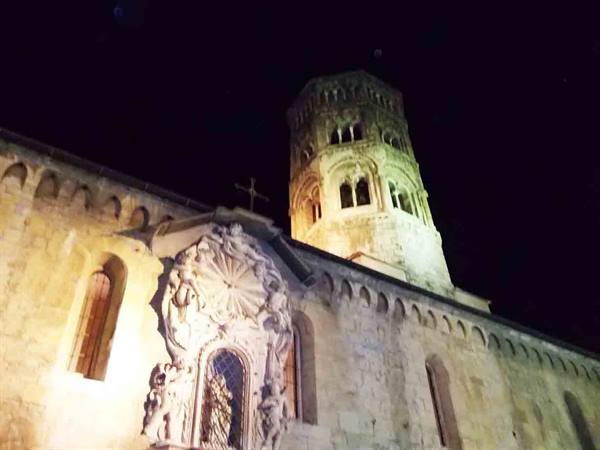
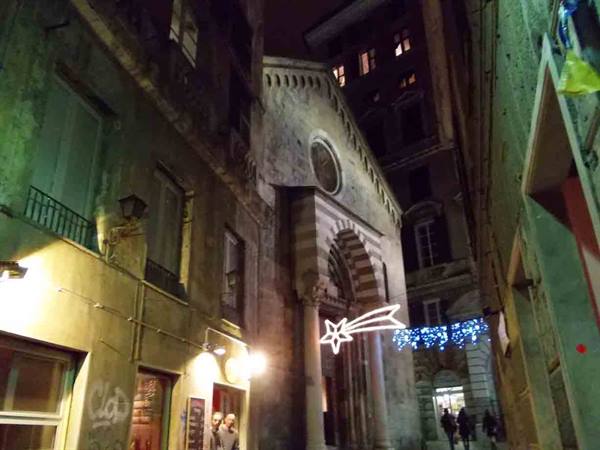
After admiring the adjoining Piazza De Ferrari, the city's main square, we decide to wander among the caruggi, slipping into a characteristic alley right opposite Palazzo Ducale. After a few steps we are in Piazza delle Erbe, considered the hub of Genoese nightlife. A quarter with a magical charm, where centuries of history and fine old buildings form the backdrop to today's multicultural reality. Above the 16th- and 17th-century houses soars the bell tower, an octagonal lantern tower decorated with friezes and a double order of mullioned and three-light windows, of the beautiful church of San Donato, the most significant example of Genoese Romanesque, dating back to the 12th century. After this fine tour through Genoese history, we ideally board a sailing ship and reach the Sicilian, or rather Lampedusan, coast, but, surprise, even there we will meet another great Genoese.
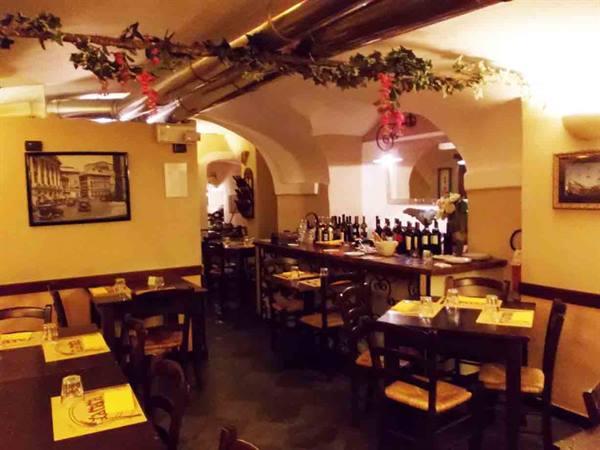
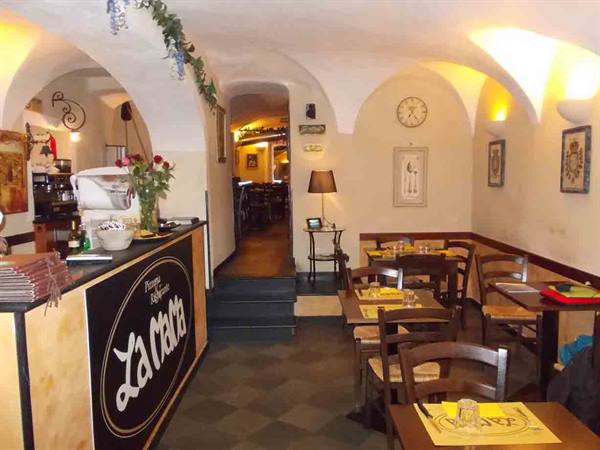
To make this journey within a journey, we need only take a seat at the tables of the Ristorante Pizzeria La Mama, in via di San Bernardo, a step away from Piazza delle Erbe. Three characteristic, intimate little rooms with the original stone vaults, and beautiful images of the Genoa of old on the walls. Walls that witnessed moments that went down in history: "The building of today's restaurant in the 19th century was the home of the Mameli dei Mannelli family, and it was right here that Goffredo Mameli was born, in 1827. Not only that: Giuseppe Verdi also came here, spending whole afternoons chatting with the author of the national anthem," Giuseppe Cappello, the owner, tells us.
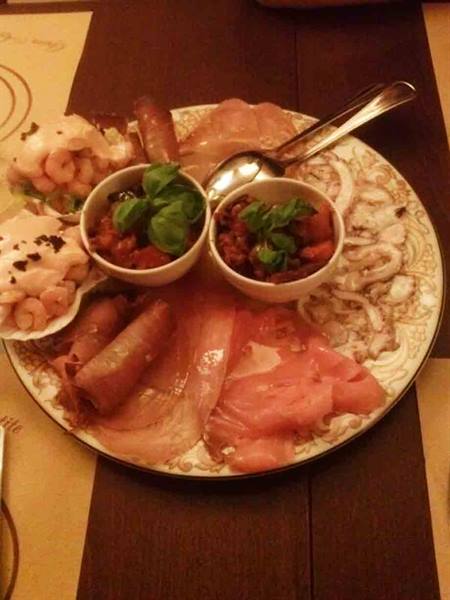
A native of Lampedusa, in summer the owner runs various hotel businesses on the Sicilian island, while in winter he devotes himself, together with his family, to the Genoese restaurant, following in the footsteps of his father, who in the 1950s ran a venue also in the historic centre. Our dinner in the name of authentic Sicilian flavours begins with a rich starter called Cuore del Mediterraneo, which includes a trio of smoked fish (tuna, swordfish and salmon), a prawn cocktail in a terrine of caponata, some whitebait fritters and an exquisite seafood salad. We continue with the spaghetti Lido with swordfish, fried aubergines and tomato, with a Sicilian touch thanks to mint. We also very much like the tagliatelle La Mama, with tomato, minced sausage, aubergines, courgettes and basil, plus a little cream.
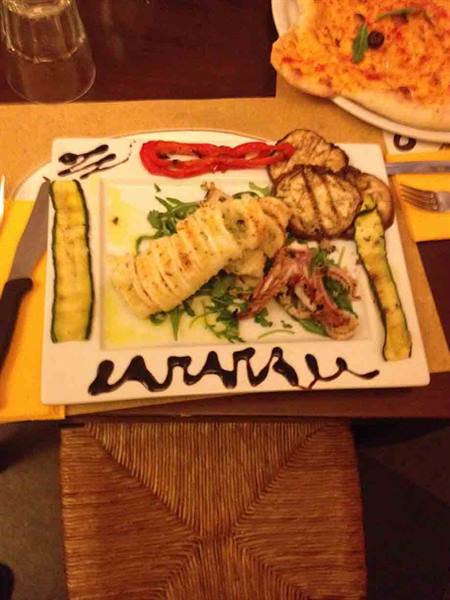
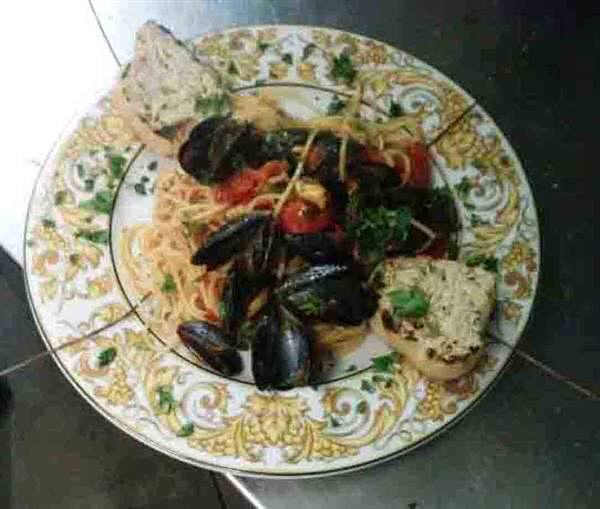
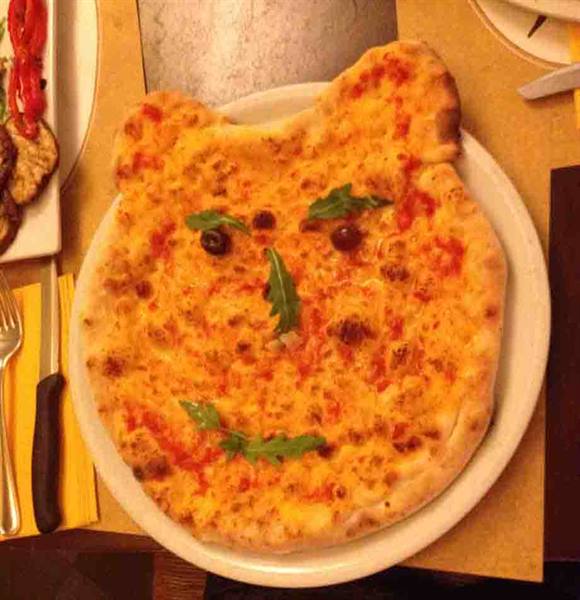
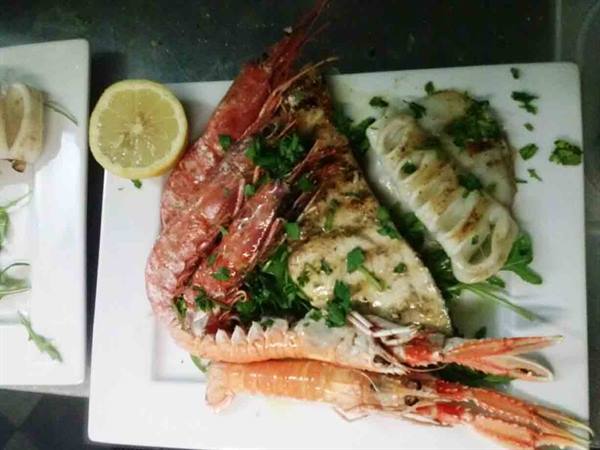
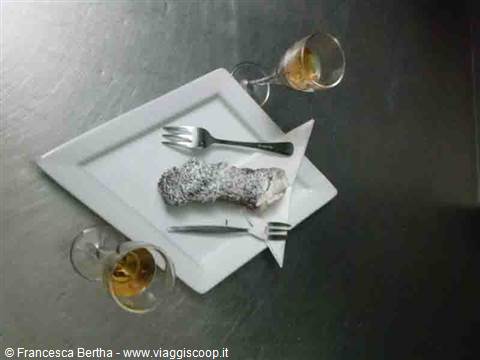
We certainly do not pass up the famous pasta alla Norma either, but we also taste typical specialities such as pasta with cuttlefish ink, pasta with sardines and fennel or bucatini with broccoli, tomato, raisins, pine nuts and anchovies, with toasted grated bread on top. Part of our group cannot resist the excellent pizzas and focaccias, including the pizza Lampedusa, with mozzarella, cherry tomatoes, rocket and smoked swordfish, the traditional focaccia with Ligurian cheese and some farinate. Among the dishes, the swordfish alla palermitana is a great success, breaded and grilled with garlic and parsley, but we also taste fantastic grilled fish and meat. Finally, we gladly give in to the sweet temptations of the homemade desserts: the authentic Sicilian cannoli and cassate, as well as the walnut cake, the strudel and the tiramisù.
After this splendid day we know that, to live unforgettable emotions again, we need only follow the light of the Lanterna, magically able to illuminate the sea all the way to Sicily.
Francesca Bertha
FOR INFORMATION:
Ristorante Pizzeria La Mama Via di San Bernardo, 70 Genoa Tel.: 010/2518937
The journey's photographs
19 photographs · click to open them full screen
0 reader comments