Tripscoop›Europe›ITALY›Out and About with the Lioness of Italy: A Day in Brescia Between Art, History and Seduction
ITALY · Europe
The story
What were the seats of Longobard power like? Why was Ermengarda, Desiderio's daughter, so sad? What do the talking statues say? What does the Lioness of Italy have to do with the dog's tomb? These are just a few of the curious questions we found answers to while visiting Brescia, the second most populous city in Lombardy and certainly one of the richest in artistic beauty. UNESCO confirms it too, having declared many monumental areas of the centre a World Heritage Site, now part of the "Longobards in Italy: Places of Power" listing.
Our walk begins with the traces of the Roman era, when the city was called Brixia. We really feel as if we are in Rome: the Brescia archaeological complex preserves the largest Roman-era public buildings in northern Italy. In Piazza del Foro, built from the 1st century BC and completed by Vespasian, we admire the remains of the civil basilica, the portico and the Capitolium, where the three cells of the altars dedicated to Minerva, Jupiter and Juno are visible. A sort of chessboard carved into the floor lets us imagine the days when the merchants of the Roman forum's shops passed the time challenging each other to long games between the Corinthian-style columns.
A few hundred years later came perhaps the city's most famous monument: the Monastery of Santa Giulia, founded in 753 by Duke Desiderio, future king of the Longobards, and his wife Ansa. The female monastery, whose first abbess was the royal couple's daughter, Anselperga, owned considerable assets and was at the centre of an intense trading activity. Also part of the convent complex is the very ancient basilica of San Salvatore, which preserves numerous valuable frescoes.
Within the monastery walls, the seclusion was veiled in deep sadness when Ermengarda, King Desiderio's other daughter, took refuge there; her real name is not even known to historians: it was Alessandro Manzoni who christened her so in his 1822 drama "Adelchi", which told her story. The woman, who died at just 22, was the wife of Charlemagne, who repudiated her because she had been unable to give the emperor an heir.
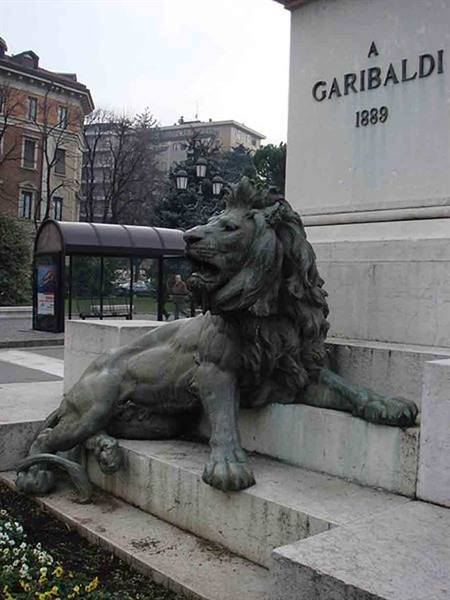
It is instead to Giosuè Carducci and his ode "Alla vittoria" that we owe the name "Lioness of Italy", referring to Brescia as a tribute to its valiant resistance against the Austrians during the revolt of the Ten Days in 1849.
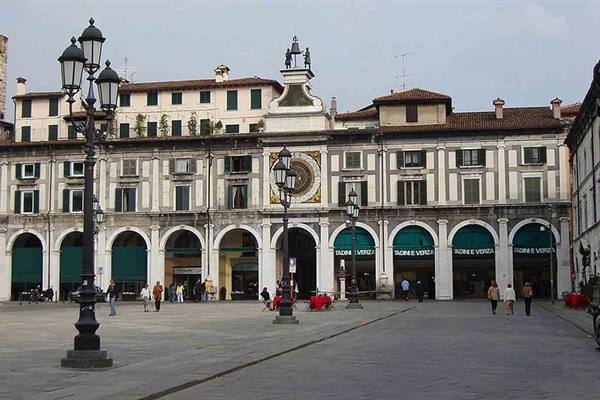
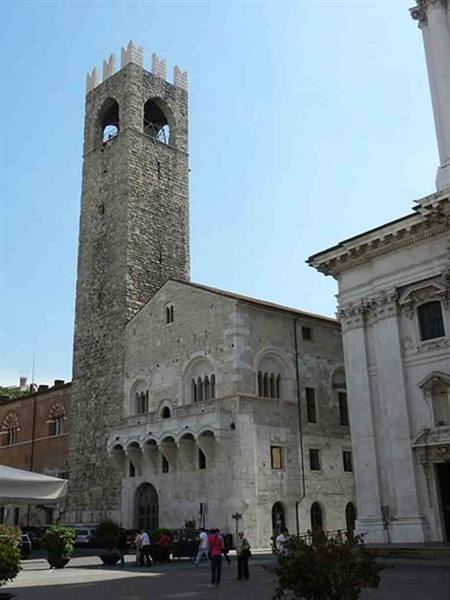
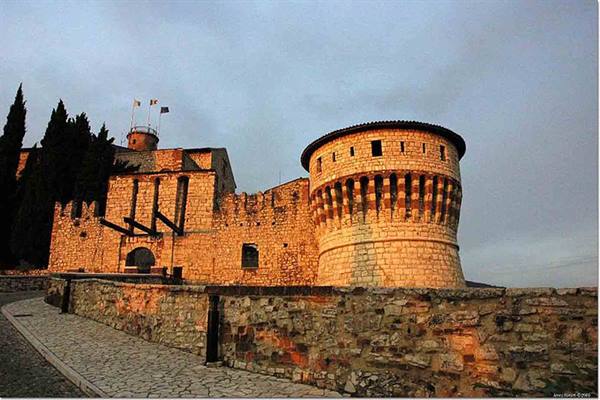
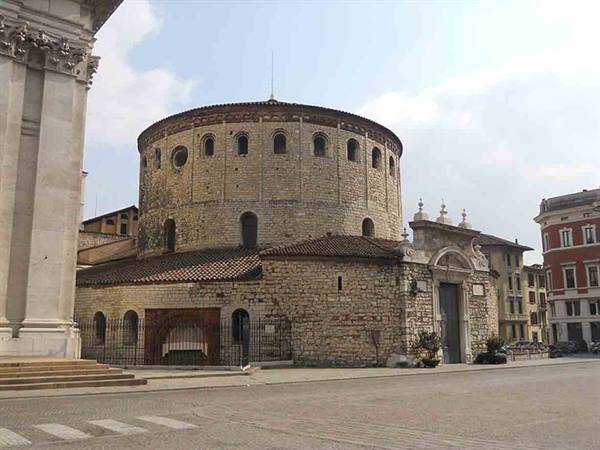
During our walk we also visit the New Cathedral and the evocative Old Cathedral, one of the most important examples of Romanesque rotundas in Italy. After a fine stroll around the splendid Piazza della Loggia we decide to admire the city from above as well, from the Castle, built in the 13th century by the Visconti on an earlier site and enlarged over the 15th and 16th centuries. Today the stronghold sits in a very large public park and hosts cultural events. Staying among the heights, it is on the Ronchi hills that the curious neo-Gothic little temple known as the dog's tomb stands. Originally the building was meant to hold the remains of two benefactors, but in the end, it is said, only a dog was buried there.
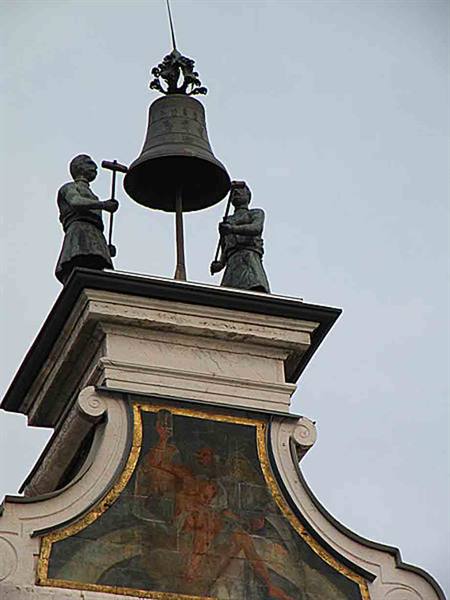
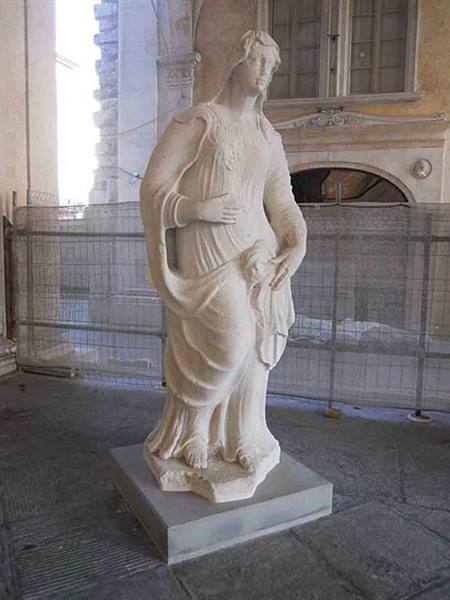
Back in the centre, the discovery of the city continues through the "words" of some sculptures. Incredible but true: in Brescia there are talking statues, so called because until the end of the 19th century citizens used to attach critical messages against the rulers on them. The best known is the 16th-century Lodoiga, located under the portico of the Loggia, answered by the "Macc dèle ure", the mechanical figures at the top of the Clock Tower, and the Montasù dèle Cosére, the big face of the Cossere.
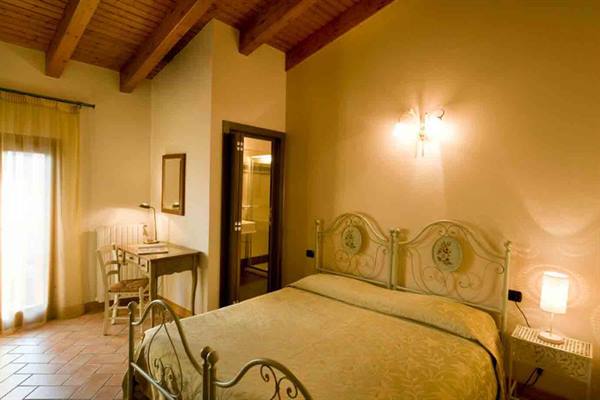
From the charm of the city to the passion of the senses the road is short: just the time it takes to reach, a stone's throw from the centre and the trade fair, the Carne e Spirito Restaurant, located inside the Hotel Noce, an intimate and comfortable hotel. After leaving the car in the video-surveilled car park, we settle into our rooms, elegant and fitted with every comfort, including free wifi. Each room is named after a tree, so it feels as if you are staying among magnolias, cherry trees, willows and birches. Details that win the heart, and that make this establishment the favourite destination of lovers. In fact, besides reduced winter rates and the "Special Fair" offer, the "Romantic Escape" package is much sought after, an original chance to surprise your better half by spending an unforgettable weekend together amid heart-stirring pampering.
Those who would rather opt for a long stay in a place offering an excellent value for money will find a welcome at the Villa Noce Guest House, just 150 metres from the Hotel Noce.
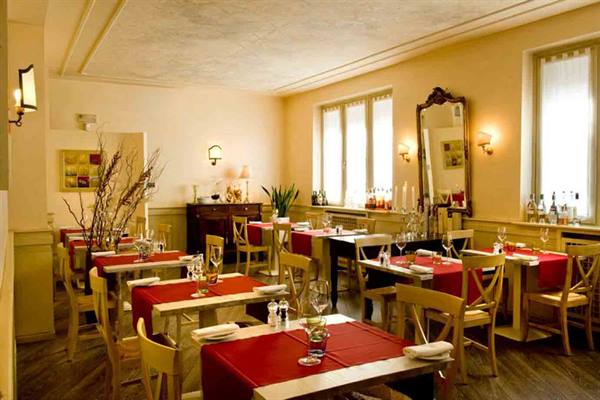
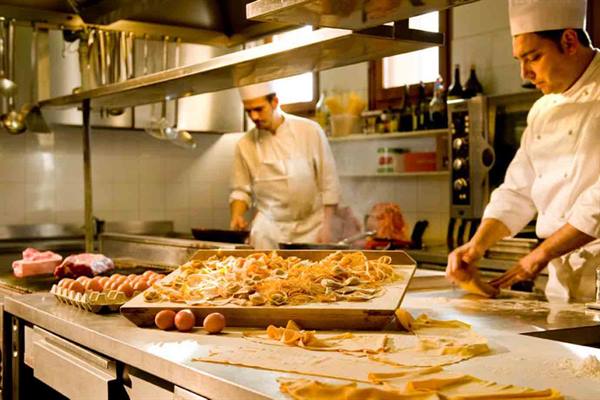
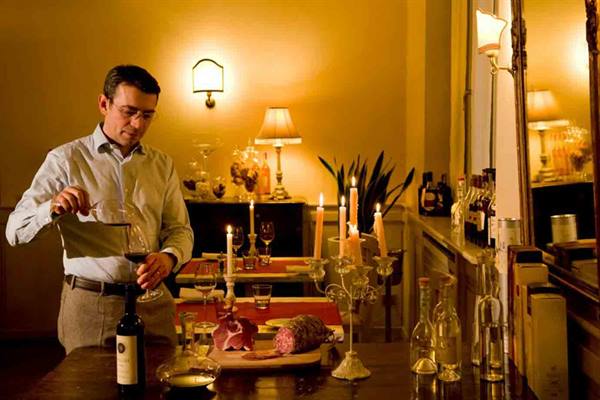
"Carne e Spirito" is the first aphrodisiac restaurant in Italy, where in an intimate and refined setting an intriguing blend of pleasure and taste is created. It is the only hotel restaurant in Brescia to be listed in all the national food guides. The venue's speciality? Seduction, of course. Chatting with the owner, chef Paride Pedroni, we discover that the restaurant has been winning people's hearts since 1987. "When our family took over the business it was a simple trattoria with an adjoining bowling green. In 1990 the building was completely rebuilt and enlarged, and so the Hotel Noce was born, refurbished in 2012. Since 2000, under my management, the careful family-style service continues, but with an evolved food-and-wine approach, with creative cooking based on excellent-quality ingredients.
For a couple of years now, moreover, thanks to the fixed-price tasting menus, our dishes have become affordable for every pocket," the owner explains.
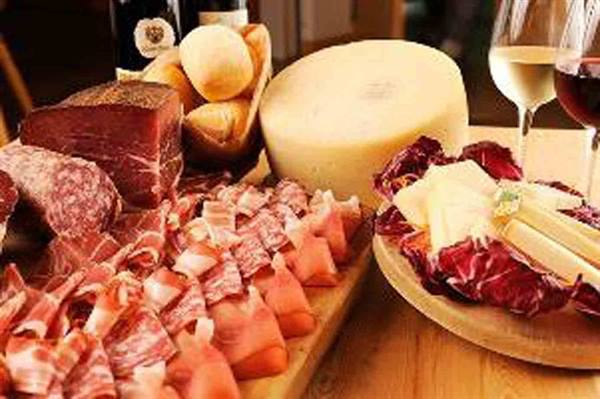
Part of our group indeed opts for the tasting menus, including the "Fiorentina", starring the rib steak and introduced by a board of selected cold cuts and cheeses, or the much-requested "Bourguignonne", a convivial menu inspired by the Swiss tradition. Those who instead choose the à la carte menu take a multisensory journey of goodness, starting with land-based starters such as the salame di Pozzolengo, the lardo and the hand-cut Pata Negra ham from Bellota, the Zibello D.O.P. culatello and the Cecina de León, and continuing with delicious fresh-pasta first courses dressed with tasty meat sauces, including game, as well as vegetable or cheese sauces.
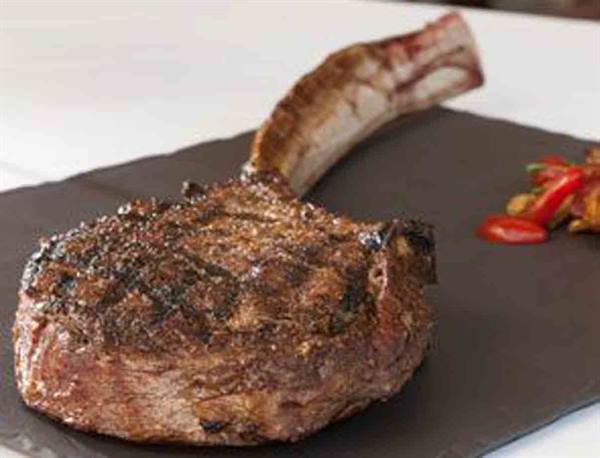
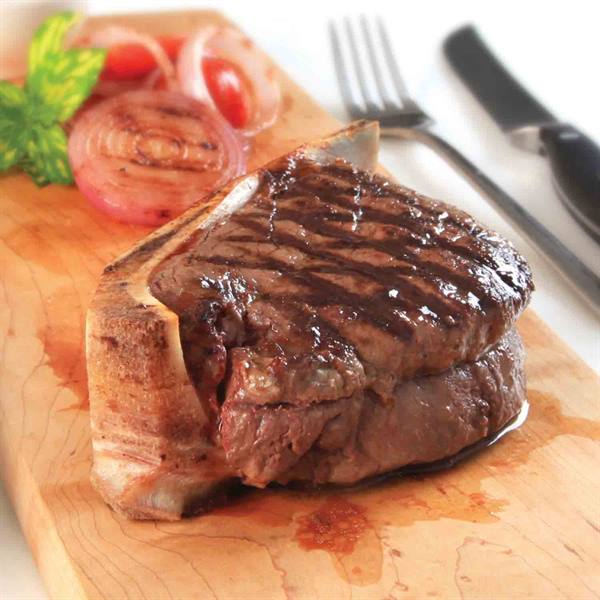
The highlight of the evening is certainly the meat dishes made from the finest cuts, such as the very rare Tomahawk, described as "the delight of carnivores", the American Premium Black Angus, the fassone fillet, the Pata Negra suckling pig, the bone-in fillet, the Vaca Vieja and the highly prized Japanese Kobe beef. We wash these delicacies down with very select wines: 700 national and international labels perfectly preserved in the cellar, including Tuscan wines from almost impossible-to-find vintages, as well as great French wines, in particular Bourgogne and Bordeaux. Fans of bubbles greatly appreciate the excellent Franciacorta sparkling wines, along with a vast selection of Champagne. To round off the meal we sip dessert and meditation wines, also served by the glass, and special spirits.
Following the chef's wise pairing advice, our glasses are filled with true elixirs for the spirit.
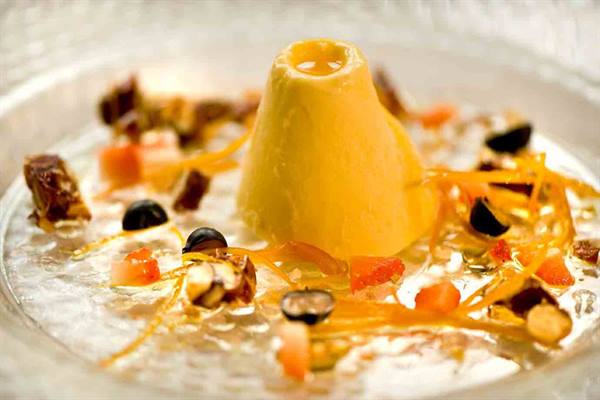
Our evening ends with the sweet temptations of the house desserts and the decision to come back here again for romantic escapes and aphrodisiac dinners for two.
Francesca Bertha
FOR INFORMATION
The journey's photographs
15 photographs · click to open them full screen
0 reader comments