Tripscoop›Europe›ITALY›On the Via Francigena, Discovering the Art and Flavours of the Past: A Day in Vercelli
ITALY · Europe
The story
In one of the areas richest in canals and waterways of the Po Valley, on the banks of the river Sesia, surrounded by wide rice fields, stands one of the most beautiful cities of art in northern Italy. Our day in Vercelli was a succession of colours, of the faces of figures who animate old paintings, frescoes and contemporary works, and of long, restorative walks among monuments of rare beauty.
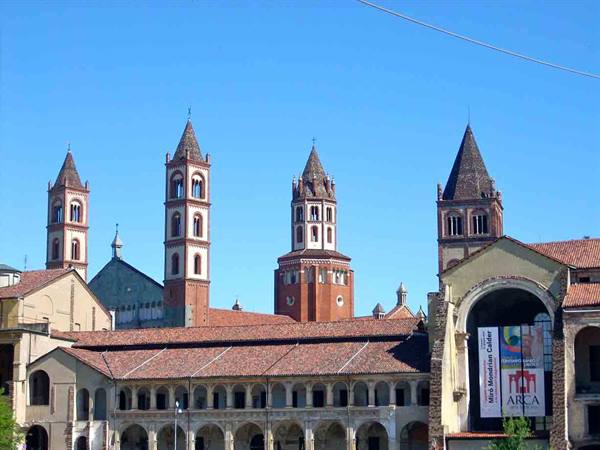
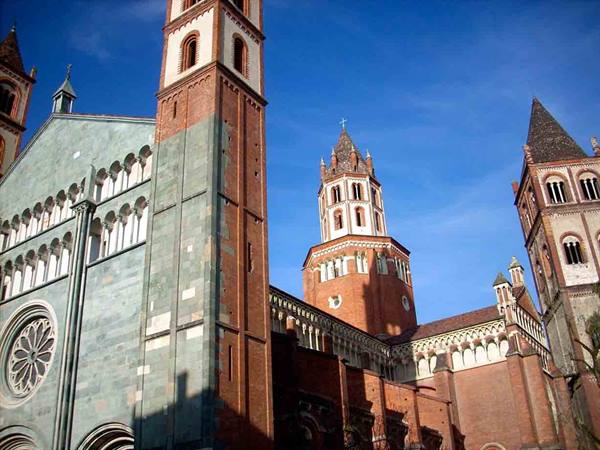
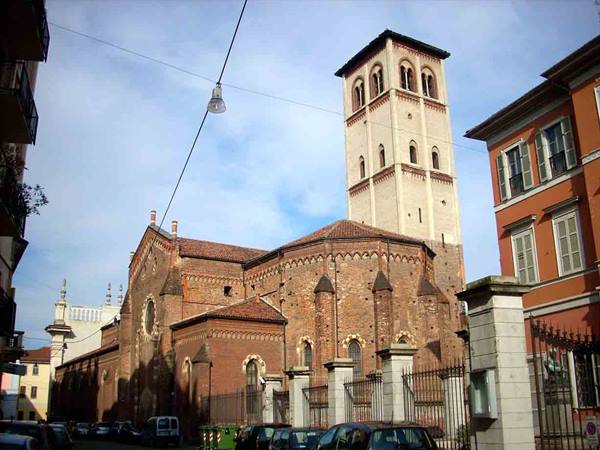
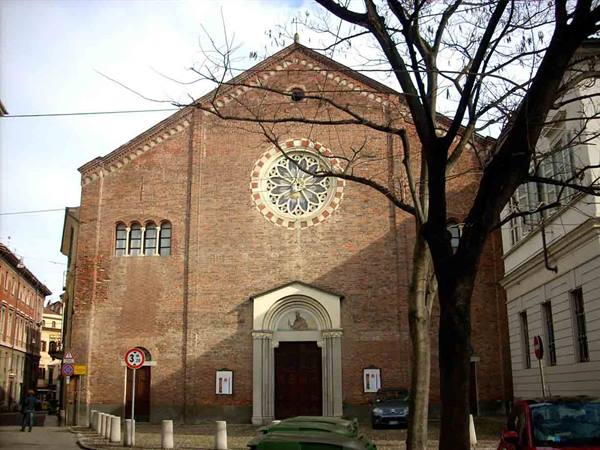
We ideally follow in the footsteps of the pilgrims of the Via Francigena, which passed right through here, and we first visit the monument that still attracts numerous tourists, even religious ones, from the Anglo-Saxon Protestant countries too: the basilica of Sant'Andrea, built between 1219 and 1227 on the initiative of Cardinal Guala Bicchieri, who, as papal legate, had won the esteem and gratitude of the English king Henry III, obtaining the revenues in perpetuity of the abbey of Saint Andrew at Chesterton, Cambridge. The cardinal summoned some canons of Saint-Victor from Paris, entrusting them with the title of the abbey and of the hospital for pilgrims to be built. It is probably to these canons that Vercelli owes the introduction of the novelties of Gothic architecture that make the basilica of Sant'Andrea an important early example of Italian Gothic.
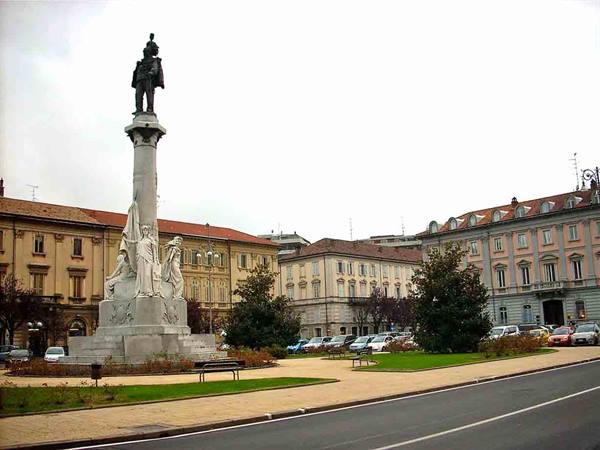
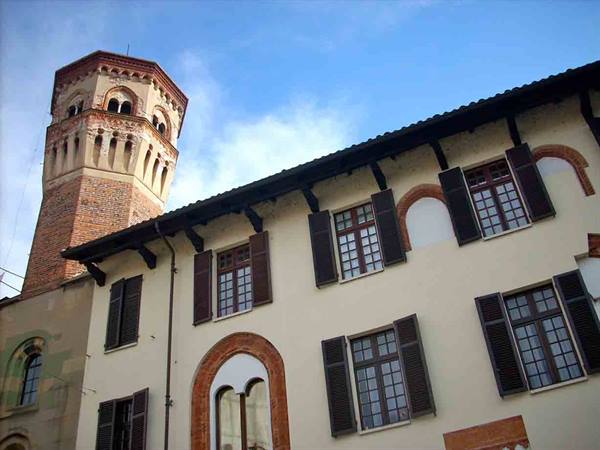
This city boasts several firsts; it is, for example, home to the oldest university in Piedmont, dating all the way back to the 13th century. But Vercelli's cultural wealth has even more ancient roots: it enjoyed full Roman citizenship as early as 49 BC, and this meant the presence of roads, monuments, baths, as well as the aqueduct and the amphitheatre. Perhaps the most characteristic square of Vercelli is the medieval Piazza Cavour, with its old porticoed houses overlooked by the curious Torre dell'Angelo. Our art-focused walk thus starts from antiquity, crosses the Middle Ages and moves into the 16th century with Gaudenzio Ferrari, to then arrive in the modern age thanks to the extraordinary exhibitions of the Guggenheim collection that every year attract thousands of people to the Arca di Vercelli, an exhibition space located at the deconsecrated church of San Marco.
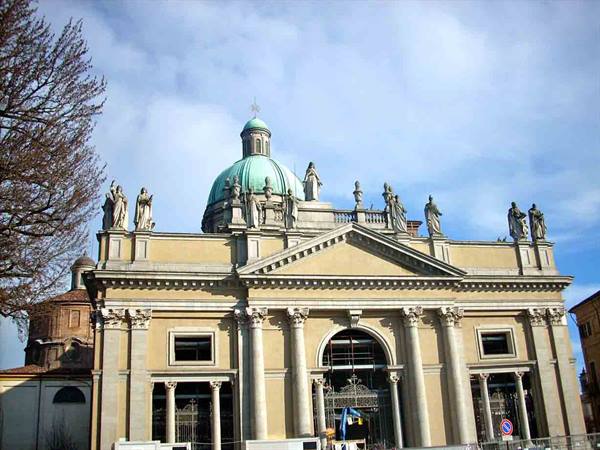
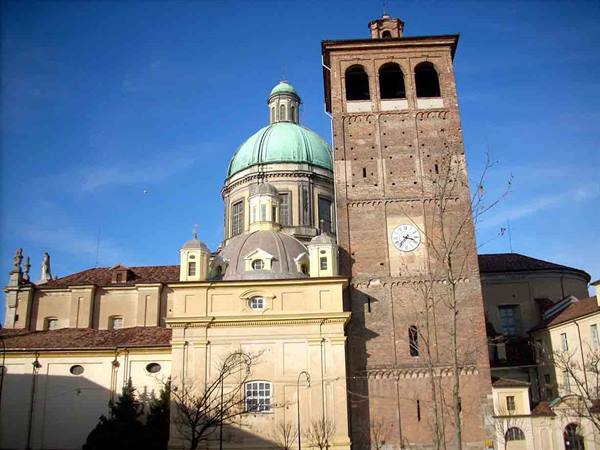
Moreover, in this city, at the Museo Borgogna, is the second most important picture gallery in Piedmont. For Gaudenzio Ferrari the Vercelli period was among the most important of his career. Indeed, it was in Vercelli that he devoted himself most to painting, creating magnificent frescoes inside the Church of San Cristoforo, considered by several scholars the peak of Ferrari's artistic expression. Vercelli's religious history is remarkable too, starting with the city's first bishop, Saint Eusebius, who lived between 283 and 371, also famous for his commitment to the fight against the spread of the Arian heresy. In the square named after the bishop stands the Church of Sant'Eusebio, the Cathedral of Vercelli, rebuilt several times, while its mighty bell tower is the original one from the 12th century.
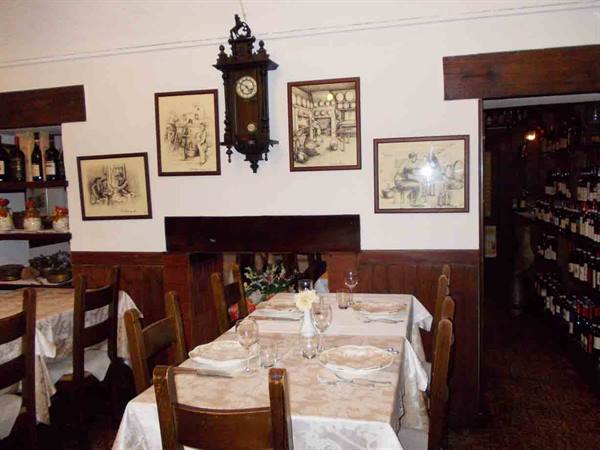
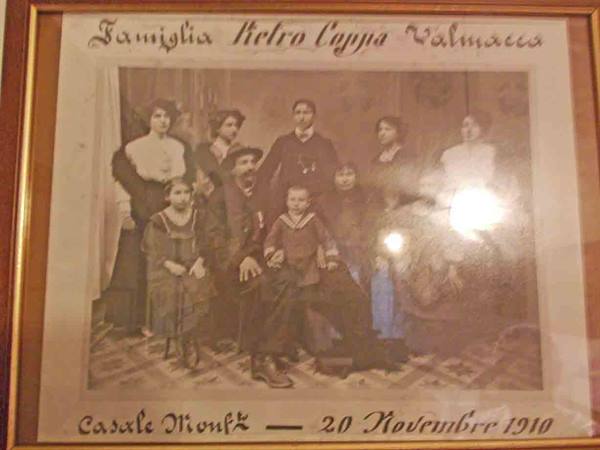
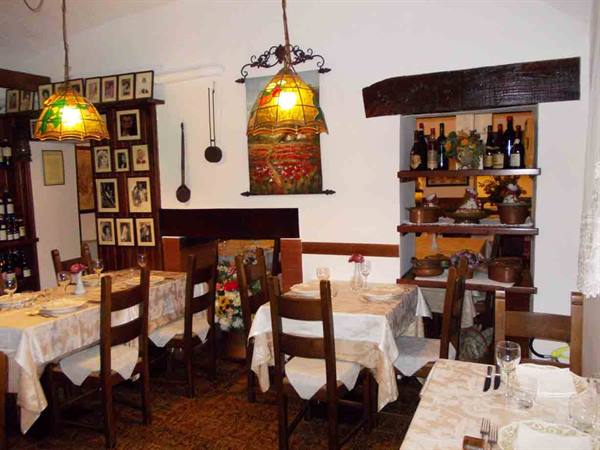
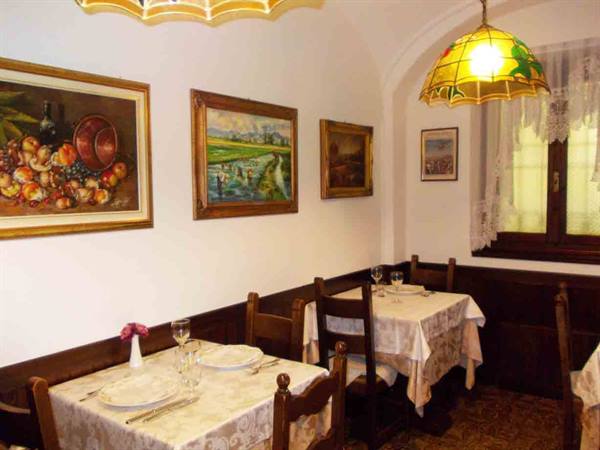
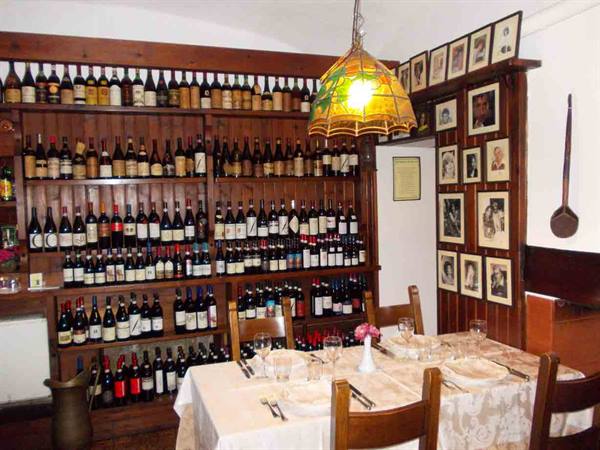
We stay in the fascinating world of Vercelli's history and traditions for dinner too, stopping at the Ristorante Il Paiolo, in the very central Viale Garibaldi, a stone's throw from the Basilica. We are in one of the most characteristic venues of the city, and it is a real pleasure to be welcomed into the warm, rustic setting of the restaurant managed with great passion by Roberto Coppa, a cook with decades of experience. As we settle at our table, in one of the three pretty little rooms, tastefully furnished, we notice some vintage photos on the walls. "These are my great-grandparents, who had a hotel-restaurant, a staging post, in Valmacca," Mr Coppa tells us. The story continues with memories of the times when the owner's aunt had a restaurant-bar opposite the Coppa family's house.
"When I was little, my aunt often called me to make agnolotti; having small fingers, I was very good at it, and I still make them by hand as I did then. I roll out the dough, arrange the little balls, and put the other sheet on top. The same for the tajarin: I always make them fresh on the spot, rolling out the dough for the portion ordered by the customer and cutting it with a knife." Freshness, impeccable quality of the raw materials, seasonality of the products and authenticity of the recipes are the secrets of the restaurant's success, managed by Mr Coppa since 1994. The wait before dinner flies by in a moment, also thanks to the excellent durum-wheat bread from Mussomeli, freshly baked in-house, accompanied by a cheese whipped with piccantine olives. We begin with the typical and delicious carne cruda alla piemontese, prepared strictly on the spot.
The rich starter also includes peppers and cabbage with bagna cauda and a chicken-breast salad made with tarragon. Moving on to the first courses, here we taste the dish that is the restaurant's absolute speciality: the panissa, always prepared on the spot and served in the copper pot as tradition dictates. The other rice dishes are fantastic too, such as the rice with toma cheese from Piode. Depending on the season you can also find rice with asparagus, nettles, hops and even with the exquisite vineyard peaches. Some of our friends instead opt for the irresistible tajarin with mushrooms or truffle. We wash these delicacies down with excellent wines selected from over a hundred labels, almost all Piedmontese, including the Gattinara Travaglini.
We continue with the boiled fassone beef with the appropriate sauces, the guinea fowl breast with porcini mushrooms, and the typical donkey stew, but we also cannot resist the braised fassone and the goose breast with cabbage. There are many good reasons why we will soon and gladly return to Vercelli, and the tasty homemade desserts of Il Paiolo are certainly among them: the walnut and peanut cake, the chestnut dessert, made only with chestnut flour, but also some excellent original ice creams, with quinces or with grappa-soaked grapes, masterpieces of taste.
Francesca Bertha
FOR INFORMATION:
Ristorante Il Paiolo Viale Garibaldi, 72 Tel.: 0161/250577
The journey's photographs
14 photographs · click to open them full screen
0 reader comments