The story
A melody made of a few notes, simple but evocative, resounds through the historic centre and travels far; it gathers pace along the river and, bouncing off the walls of old mills, kilns and villas, spreads across the endless meadows of the surrounding plain. This music is the “campanò”, and the one who still plays it today is the campaner, the person who from the top of the bell cell works by hand the clapper that strikes the bronze of the bells. Magical atmospheres of other times form the backdrop to our trip to Marcon, a town once perhaps the property of a Roman landowner named Marcus, and from 997 certainly belonging to the Benedictine abbey of Mogliano. Today as centuries ago, the charm of this town is closely tied to the nature in which it is immersed.
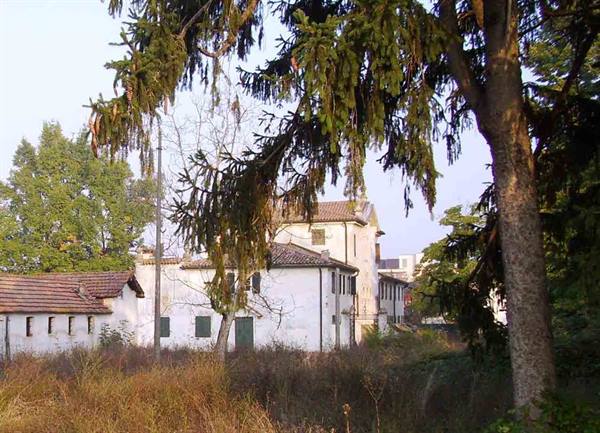
Almost fairy-tale names belong to the rivers that cross its territory, once marshy and covered in woods: Zero, Dese and Fossa Storta. The area was reclaimed in the 16th century, and already at that time some far-sighted Venetian nobles built villas here, some of which still exist, at least in part, such as the 17th-century Villa Pauletta. Of Villa Astori, built in the following century, the Tempietto di San Giuseppe remain, the private oratory, and the barchessa, the rural service building typical of Venetian villas, which housed the farmers' dwellings but also the kitchens and stables.
The river Zero, today also known for its lovely park, populated by numerous species of trees, has also been, over the centuries, the soul of the area's productive activities: towards the end of the 17th century there were as many as eight mills on its banks, two of them on Marcon's territory, one of which was active until 1970. Besides water, fire was important too: in the municipality there were three kilns used for the production of clay bricks, whose extraction was for a long time a widespread industrial activity in these countryside areas. During our walk we visit a very well-preserved “fornasotto”, dating back to the early 1900s. Marcon is an ideal destination for birdwatching lovers too: at the Cave di Gaggio there is in fact a LIPU Oasis, in whose vegetation, typical of formerly marshy areas, countless birds live, in particular herons.
At certain times this site hosts almost all the species of this family present in Italy.
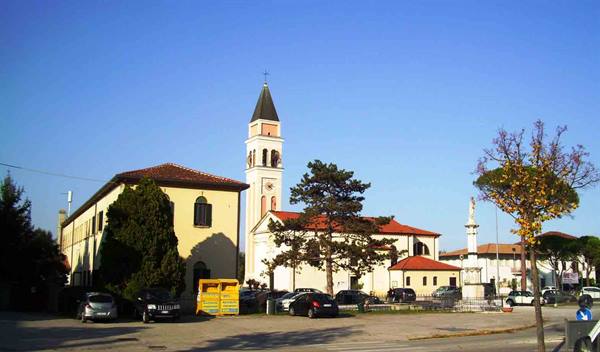
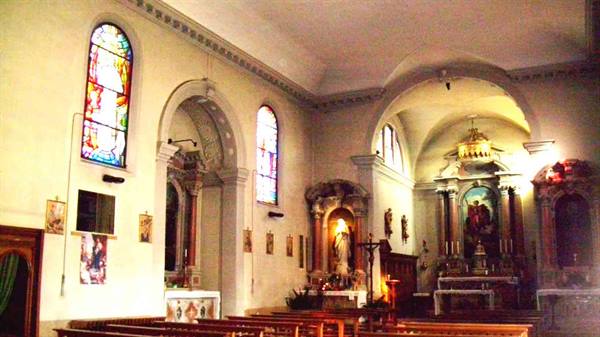
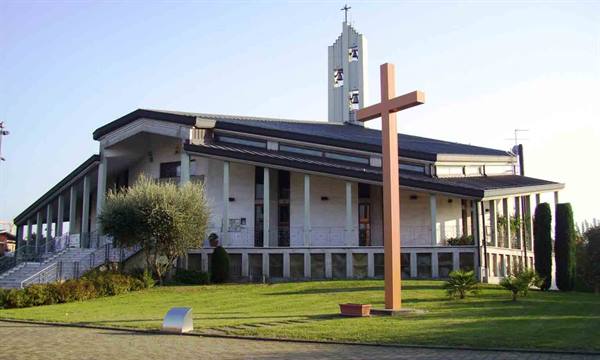
After the beauties of nature we also admire those of art, visiting the arcipretal church of San Giorgio, the one whose bell tower the evocative “campanò” resounds from. Mentioned as early as the 12th century, the religious building houses no fewer than five 18th-century altars, a precious polychrome antependium and other valuable works including canvases by Giuseppe Boldini. The new parish church, dedicated to the patron saints of Europe and consecrated in 1999 by Pope John Paul II, has modern features instead. After this nice little tour, a bit tired but happy and hungry, we reach the Trattoria Ca' Nostra, on via Don Ballan.
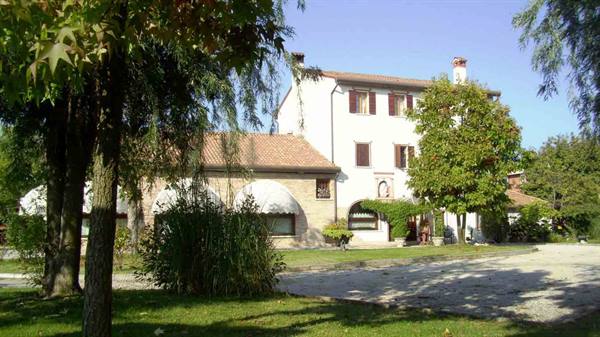
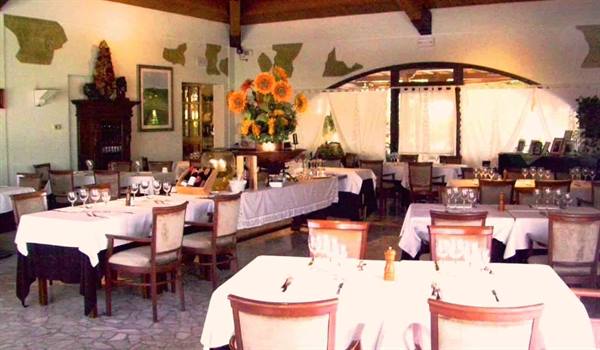
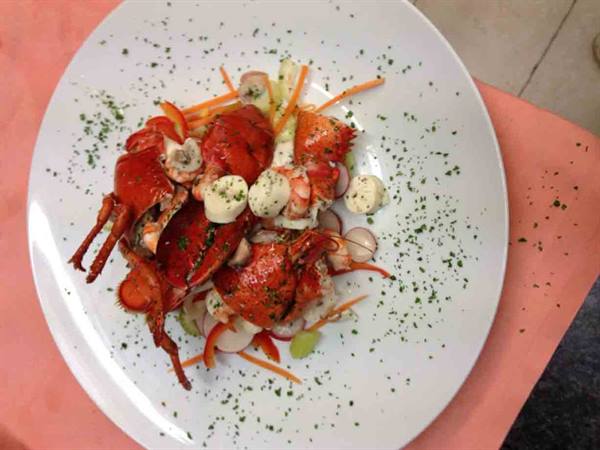
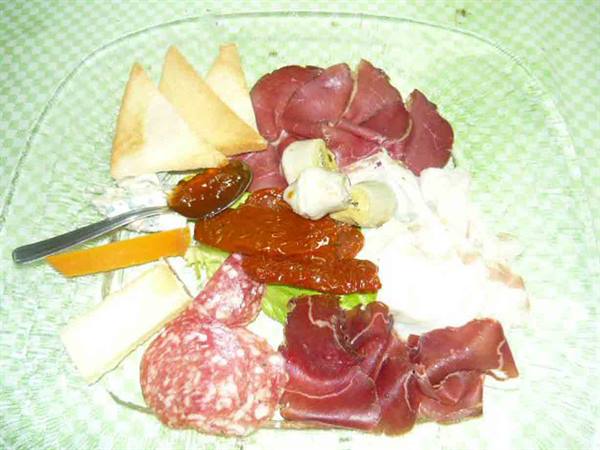
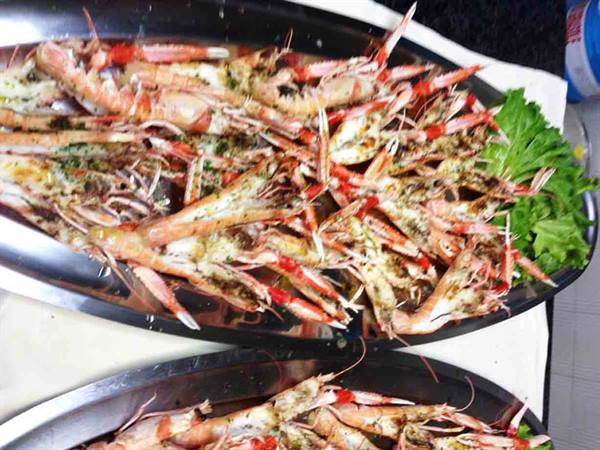
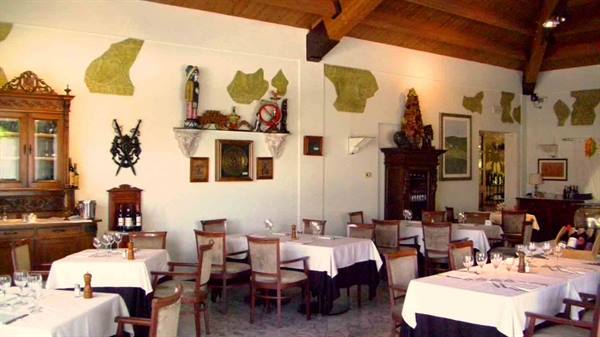
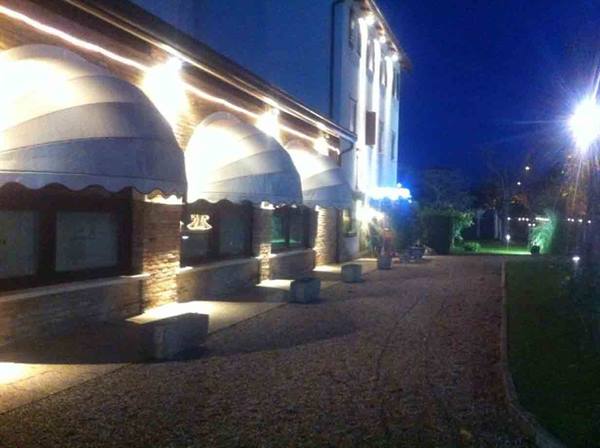
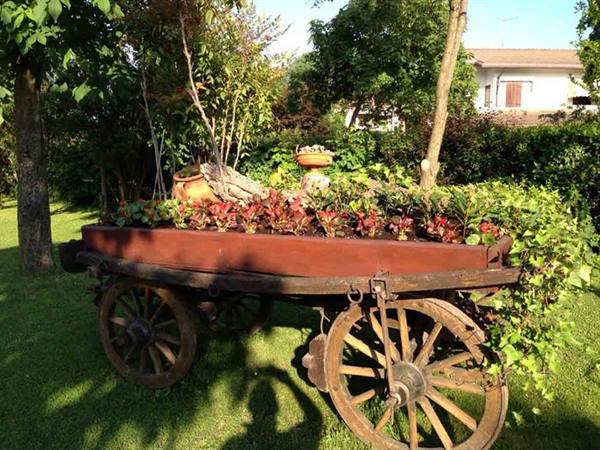
The location is spectacular, immersed in greenery and flowers that embrace the large outdoor area, while the spacious indoor dining room strikes you with its style, which perfectly combines elegance and familiarity, features that also make the place ideal for organising ceremonies. “Ours is refined, quality cuisine, which combines tradition with experimentation, and the fish and meat menus can satisfy even the most demanding palates,” the owners explain to us. We start with the very rich Ca' Nostra salad, which includes chunky lobster, boiled octopus and prawns with raw seasonal vegetables. We also taste the creamed dentex soup with warm croutons, while our friends who prefer meat enjoy a rustic starter made of venison ham, goose salami, little artichokes, sun-dried tomatoes in oil and a tasting of Mimolette, Roquefort and Tuscan pecorino.
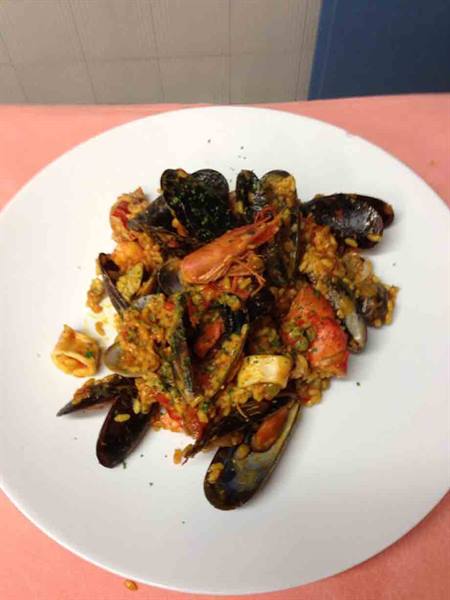
Next, we delight in first courses of homemade fresh pasta dressed with various sauces, both fish and meat, but the risottos with cuttlefish ink with langoustines and porcini are much liked too, as is the seafood one. Among the dishes we can't resist a lovely mixed Adriatic fry, made with sole, squid, whitebait, schiette, sardines and prawns, all served with polenta, but the baked turbot with potatoes, cherry tomatoes and olives wins converts too. Our “carnivore” friends instead much appreciate the bistecca alla fiorentina, of Tuscan beef. Now that we've discovered these places of timeless charm, we'll certainly return here both for regenerating walks amid nature and for events in the name of good food.
Text: Francesca Bertha Consultancy and part of the photographs: Stefano Zanus
FOR INFORMATION:
Trattoria Ca' Nostra Via Don Ballan, 2 Marcon (VE) Tel.: 041/5951041
The journey's photographs
14 photographs · click to open them full screen
0 reader comments