The story
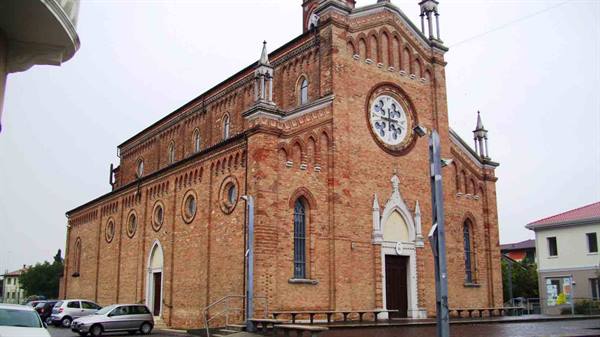
A natural oasis enclosed between the green of the woods, of the meadows and the blue of the lagoon's salt waters, the fresh waters of the river and the salty waters of the sea: it's in this magical place of eternal charm that we decided to escape for a day of relaxation. The first to be struck by the beauty of this extraordinary landscape were the ancient peoples, probably prehistoric ones too, certainly the Romans, as attested by finds including amphorae and glassware, and not only: at the locality of Ponte Catena, the buried remains of a bridge in a perfect state of preservation have been found. Water and land are the two elements that also emerge in the place name “Musile”, which might mean, in old Venetian, “dam, embankment”, but in the Middle Ages was a synonym for “meadow enclosed for grazing”.
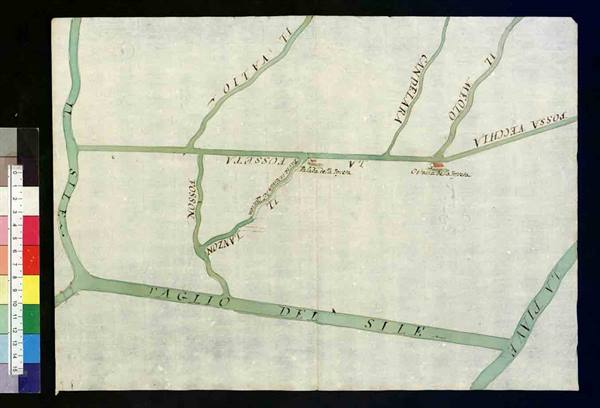
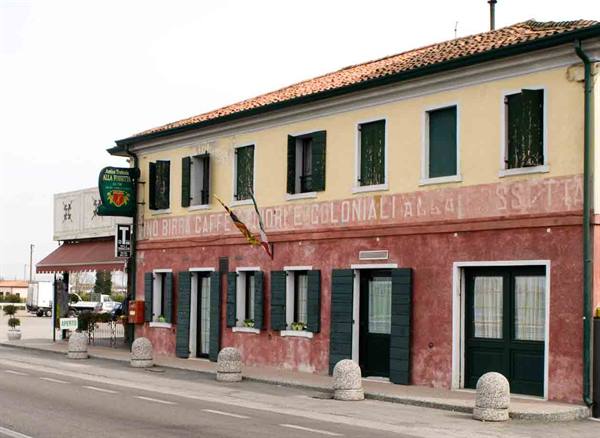
For sure there's a famous enclosed meadow in Musile, and it's the market one, much frequented already in the 10th century. The locality soon became a crossroads of important trade in goods, and its strategic position was notably strengthened by the great hydraulic works by the Serenissima, which in 1483 decided to dig the Fossetta canal to favour water communications with Venice. As attested by a late 1400s map containing the relevant indication, the Osteria della Fossetta already existed on the site at that time. Where there is a river, with its bends embracing the territory, reaching now from one side, now from the other, surprises are the order of the day. Unfortunately, bad ones too, such as floods.
But in Musile, the Piave flood of 1250 gave rise to a charming custom that is still among the village's main summer attractions today: the Solemn Pact of Friendship (Patto Solenne d'Amistà). Once upon a time there was a chapel consecrated to Saint Donatus on the left bank of the river, on the territory of the municipality of San Donà di Piave. After the flood the little church passed to the right bank, at today's Musile. At that point the two municipalities sealed a pact: San Donato remained the patron saint of ancient Musile, in exchange San Donà kept its own name by paying an annual tribute of two capons “vivi et ruspanti pingues et optimi” (alive and scratching, fat and excellent). Every year on 7 August, the patronal feast, the mayor of San Donà hands the feathered gifts to the mayor of Musile.
Our trip along the “ancient water ways” also takes us to visit the territorial environmental education laboratory at the former primary school of Castaldia, in the hamlet of Caposile, where adults and children can discover the magical world of the river and the lagoon through an engaging multimedia display. The beauty of this landscape has always inspired poets and writers, from the educator and poet Lisa Davanzo, born in Musile in 1917, to Ernest Hemingway, who devoted wonderful lines to the lagoon in his novel “Across the River and into the Trees”.
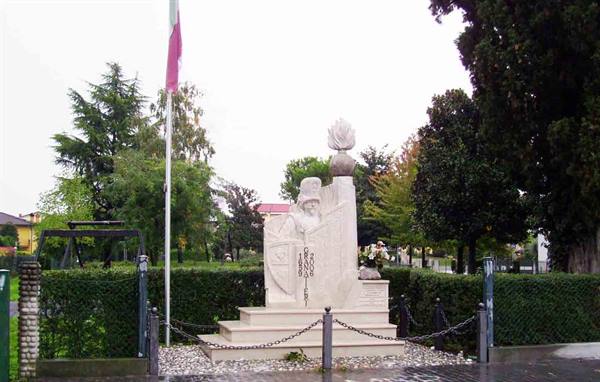
Hemingway, who was a volunteer with the American Red Cross during the First World War, served in the Lower Piave, and at one o'clock on the night between 8 and 9 July 1918, disobeying orders to bring supplies to the Italian soldiers stationed on the Piave embankment, was wounded by the shrapnel of an enemy grenade, but still managed to carry a seriously wounded soldier to safety, saving his life. For this deed, at the end of the war he received the silver medal from our government. We follow in the famous writer's footsteps in our choice of restaurant too: we stop at the Antica Trattoria Alla Fossetta, where a copy of his autograph testifies that in 1948 Hemingway, returning from a hunting trip, stopped to eat a nice plate of spaghetti. This episode too is part of that long series of events that had won this restaurant the title of Historic Veneto Establishment.
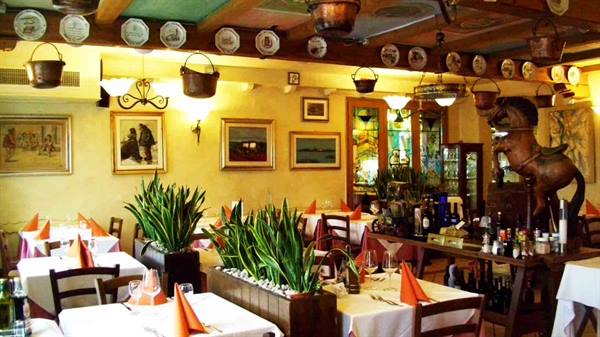
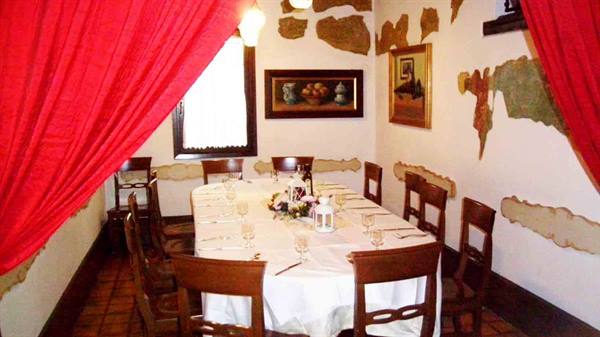
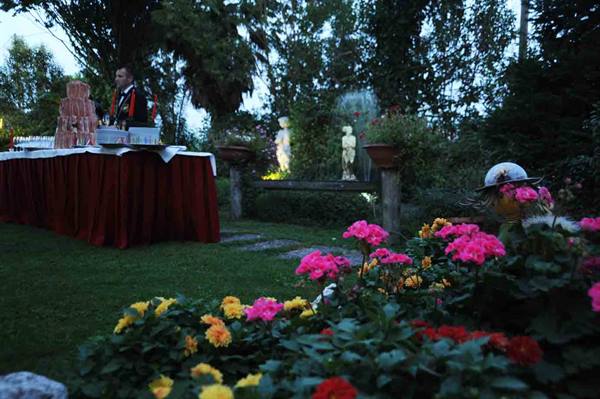
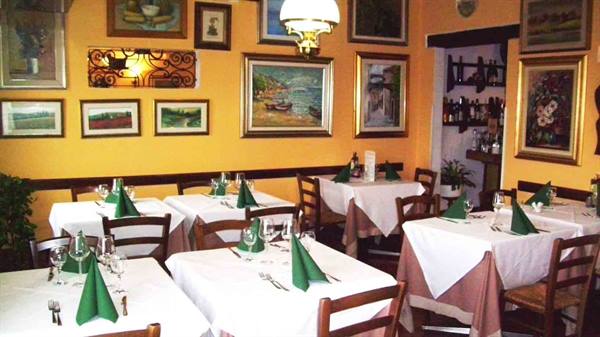
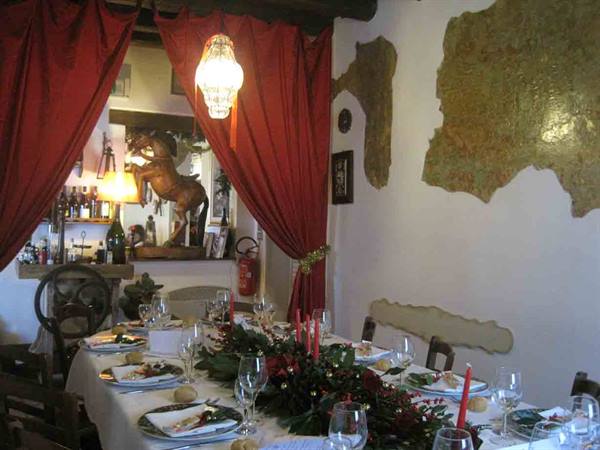
It has been run since 1986 by the Doretto family, with Flavio the elder brother and his collaborators in the kitchen under the supervision of mother Elsa, who had taken over the business almost thirty years ago together with father Riccardo. In the dining room is the younger brother Alessandro, a passionate and expert connoisseur of wines, grappas and cheeses; at the bar is Mariella, Flavio's wife, who will be able to advise you on which of their specialities to buy to take home. We discover that, besides being part of Assoristora and the “Risi e Tochi” brotherhood, the restaurant is also a member of the AIC, so even our coeliac friend can enjoy an exquisite dinner without worries. Given the fine weather, we sit on the welcoming outdoor terrace, but we notice that the large indoor dining rooms are an excellent location for events and parties.
We start with the very typical brasiola del Piave and the Fùmera exclusive charcuterie, a family creation following peasant tradition, and then we enjoy exquisite fresh tagliatelle with duck and maccheroni with Raboso, sausage and radicchio. We wash down these delights with excellent wines, of which the Doretto family, originally from Lison, are great connoisseurs. Besides Raboso (the wine list features all the great producers of Raboso Piave doc), we also have the pleasure of tasting a Prosecco superiore D.O.C.G. extra dry from Valdobbiadene that for 25 years has been produced exclusively for this restaurant.
After the first courses we delight in a vast choice of grilled meat, the restaurant's strong point: (the big pork chop, a much-requested dish, the mixed grill with sausages, ribs, chicken and pancetta, Veneto-supply-chain beef with tagliate, fiorentine and costate, and the latest offering, the fassona from Piedmont shoulder recommended for 4 people, besides succulent specialities of Piedmontese fassona. Some of our friends instead choose local fish dishes, someone is already looking ahead to the cold months enjoying a nice mixed boil, and we all taste the Treviso radicchio prepared in many ways, while returning in spring we'll be able to taste the Verdon radicchio from Roncade, offered for just one month.
Now that we've discovered this corner of peace, we'll certainly be back soon, also to attend the many food and wine events organised by the Trattoria, including the one dedicated to “bigoi in salsa e polenta con renga”, 5 days before Christmas, Easter and Lent, the MagnalOCA, a menu with goose as the star in the days around St Martin's, 11 November (an unmissable appointment also for what the proverb says: “Chi no magna l'oca a S.Martin, non fa el beco de un quatrin!” — whoever doesn't eat goose at St Martin's doesn't earn a penny!) and the Maialonga, a menu with pork as the star, between the end of November and mid-December, the period when in farming families the pig is still slaughtered today.
Text: Francesca Bertha Consultancy and part of the photographs: Stefano Zanus
FOR INFORMATION:
Antica Trattoria Alla Fossetta Via Fossetta, 31 Musile di Piave (VE) Tel.: 0421/330296
The journey's photographs
13 photographs · click to open them full screen
0 reader comments