The story
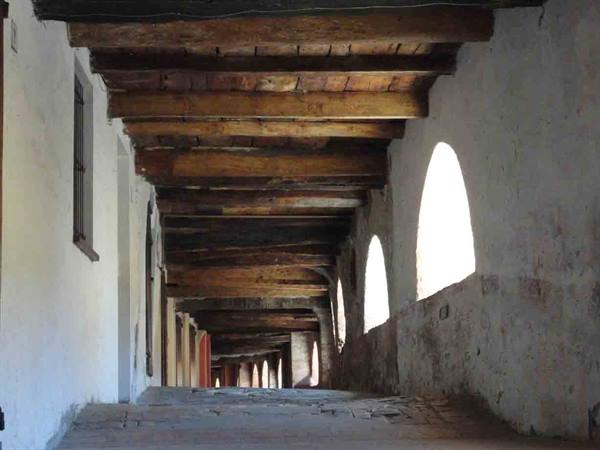
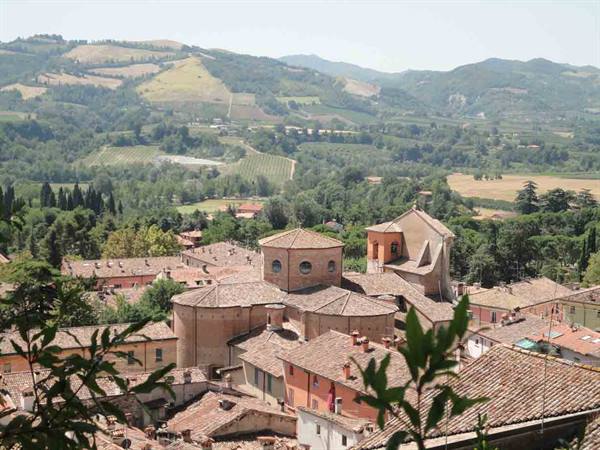
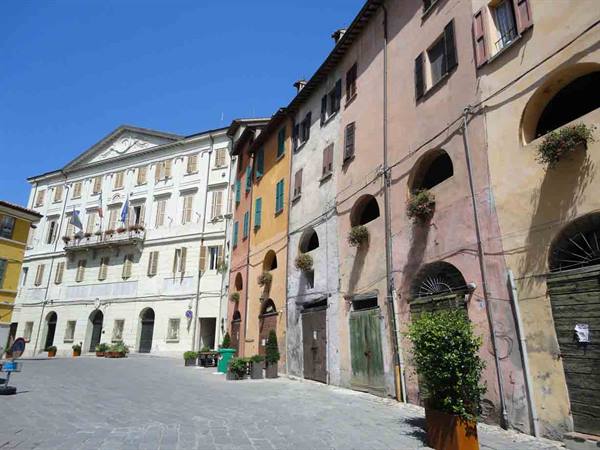
A line of donkeys pulling two-wheeled carts loaded with gypsum slowly makes its way along the raised road lit through thick arched windows that from a distance look like upside-down half-moons: it is this evocative image, resurfaced from the past, that introduces us to the charm of Brisighella, which is part of the "Most Beautiful Villages in Italy". The characteristic road that leads us into the heart of the old town is called via del Borgo, or via degli Asini. Built in the 14th century, it represents the oldest defensive bulwark of the city: before the carters' donkeys, which transported gypsum from the quarries above the town, the road was a patrol walkway and a communication route. Around us stretches the Regional Park of the Vena del Gesso Romagnola, a true paradise for hikers.
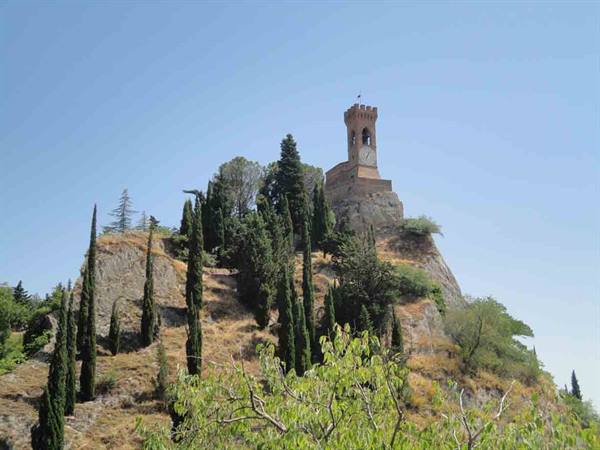
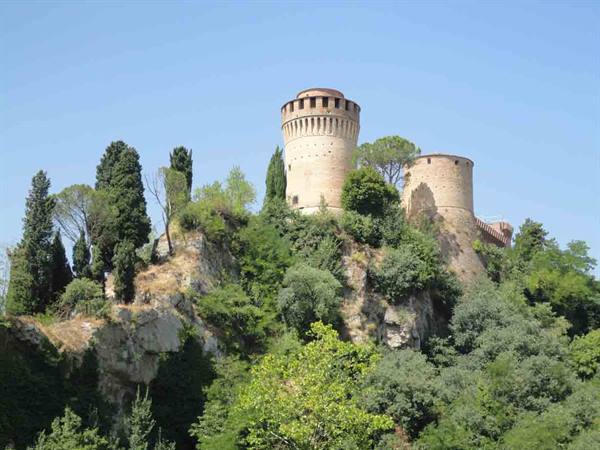
Following the various tourist routes of the Park, known for the Miocene gypsum outcrop, you discover caves and sinkholes, wild rocks and dense woods where you can spot many species of birds of prey, including the eagle owl. Like every evocative place, these caves too inspired fantasies and mysteries in protohistoric times, also becoming places of worship of the god of the waters. Few towns have a "skyline" as original as that of Brisighella, where the three most significant monuments rise towards the sky on top of as many rocky pinnacles of selenite. As in fairy tales, these are a castle, a tower and a church, and each of these buildings has something special. The church is the Sanctuary of the Madonna del Monticino, where a sacred terracotta image from 1626 is venerated, probably an ex-voto by an unknown author.
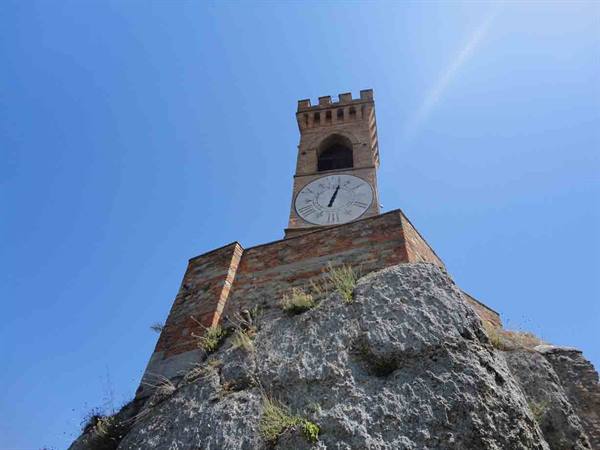
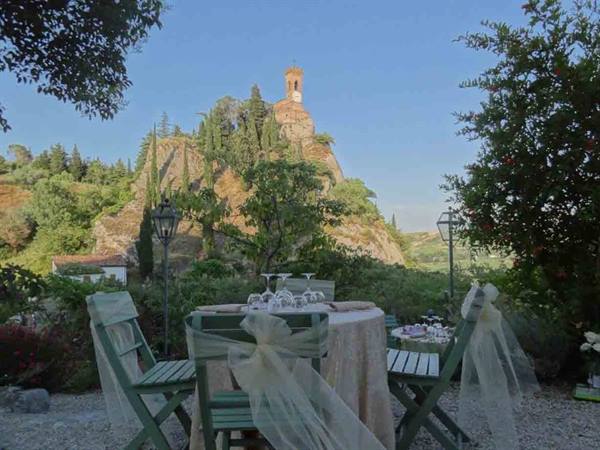
The Clock Tower, dating from 1290, has a six-hour dial and is made of squared blocks of gypsum. It was erected to monitor the movements of those besieged in the nearby castle of Baccagnano and until 1500 it formed, together with the fortress built in 1310 by Francesco Manfredi, Lord of Faenza, the defensive system of the town. Among the many sieges the fortress underwent over the course of history, the one by the duke of Urbino in 1494 remained famous, forced to desist by the strenuous resistance led by Dionisio Di Naldo. Today visitors to the fortress are greeted by the voice of this historic hero, who announces the "talking stones", by touching which you can hear the history of the fortress and also attend the multimedia representation of a siege.
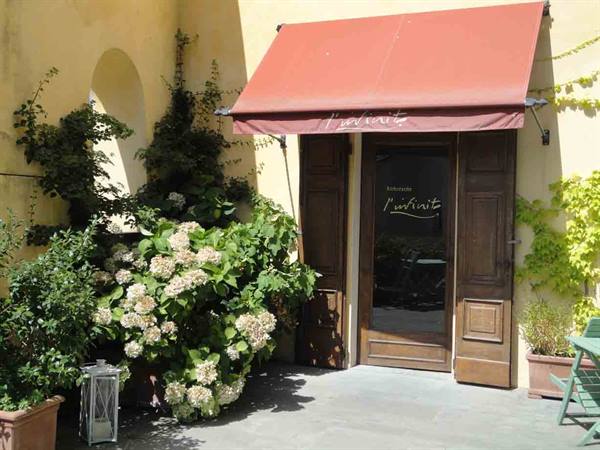
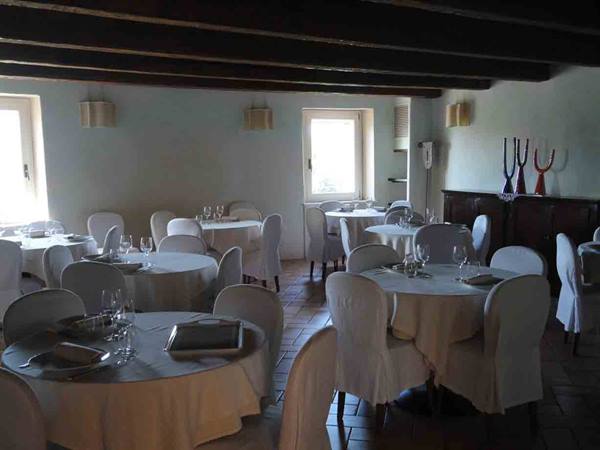
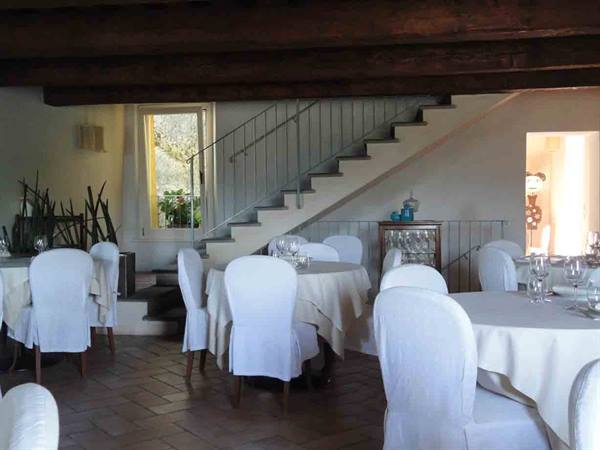
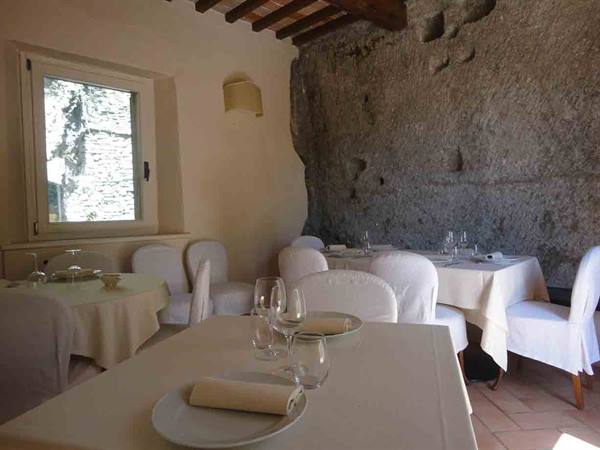
Our day continues at a beautiful 15th-century house whose inhabitants at the time almost certainly witnessed the exploits of captain Di Naldo first-hand. Today the historic building is a refined stronghold of taste: the home of Ristorante L'Infinito. Carefully restored in 1999, the restaurant perfectly reflects its name: guests, as well as enjoying the delicacies of traditional cuisine, based on the recipes that the owner, Mrs Maria, inherited from her mother and skilfully reworked, also take away emotions that last, precisely, forever. Inside we admire particular corners such as the little garden, some parts in typical crystal gypsum, and the walls of the dining room painted by the "master of colour" Gino Pellegrini.
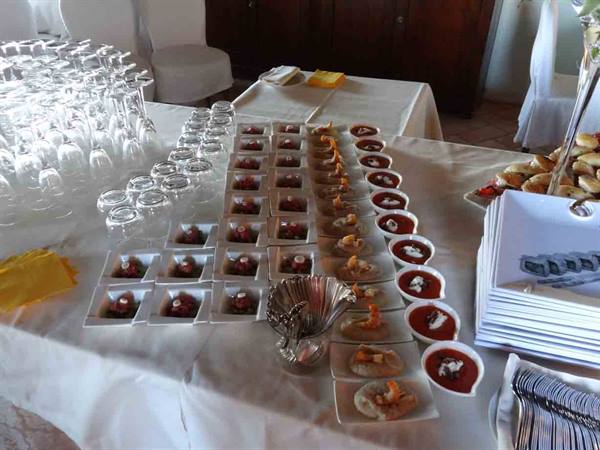
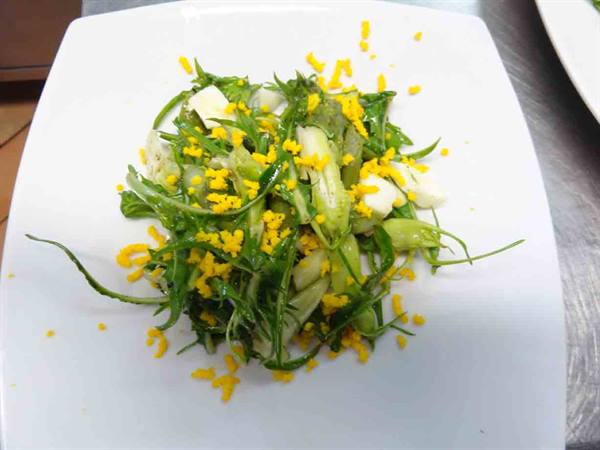
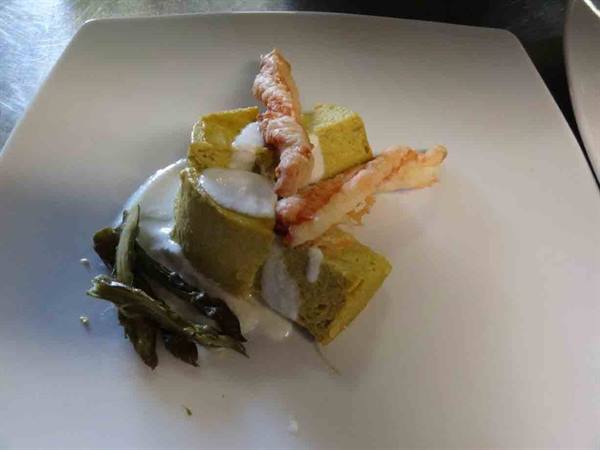
The elegant setting does not intimidate, however, thanks to Mrs Maria, who with twenty-two years of experience in the restaurant trade manages to make everyone feel at home. We sit outside, on the beautiful natural terrace overlooking the Clock Tower. Our dinner begins with a cold tomato pudding flavoured with basil and oregano, served on a base of burrata. We also taste the courgette flowers stuffed with ricotta and baked au gratin with cherry tomatoes, and the fried pizza served with culacchia, that is, culatello from Langhirano. We go on with the "dirty" sfoglia, prepared according to the ancient recipe, filled with soft Romagnolo cheese and parmesan, dressed with courgettes and courgette flowers. We also taste the dry passatello on a cream of fresh peas and julienne of ham. Every dish is prepared with seasonal local ingredients, without preservatives.
We wash down these delights with excellent local wines, also tasting a few Tuscan labels and some Franciacorta sparkling wine. Among the exquisite dishes we choose the cooked and raw scottona, a bone-in Florentine steak cooked rare on the grill and presented alongside a tartare of the same meat. The fillet of Romagnola heifer smeared with mustard and wrapped in culaccia, cooked in the pan, is also a great success. We still have so much to discover in this wonderful town, and this time our trip ends on a very sweet note thanks to the house desserts, including the apricot semifreddo, the ricotta mousse with peach and the puff pastries with chantilly cream and strawberries: an infinite pleasure.
Text: Francesca Bertha Consulting and photographs: Valeria Balbiano
FOR INFORMATION:
Ristorante L'Infinito Via del Trebbio, 12 Brisighella (RA) Tel.: 0546/80437
The journey's photographs
14 photographs · click to open them full screen
0 reader comments