Tripscoop›Europe›ITALY›Fortresses with a view of history, between art and good food: a day in Sarzana
ITALY · Europe
The story
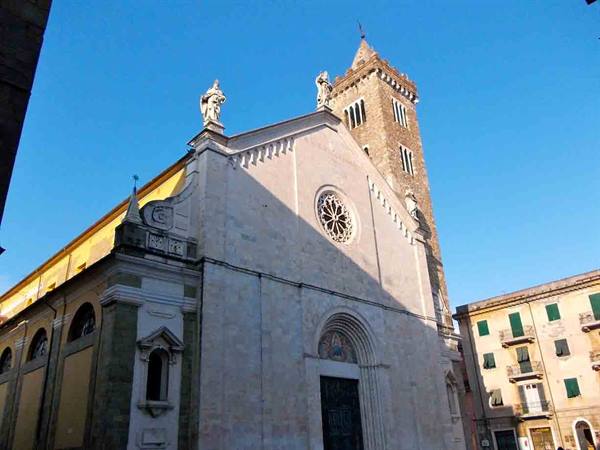
The clang of sharpened swords breaking against the massive pillars of the cathedral could be heard distinctly that day even outside the church, where a very colourful crowd of the lords' companions and consorts was gathered, along with vassals and many onlookers. It was 1353 and Sarzana was recovering from a turbulent period of wars between the seigneurial powers of the time, some siding with the Ghibellines, some with the Guelphs. In 1348 the town had also been struck by a terrible plague. That day, in the Co-cathedral of Santa Maria Assunta, representatives of the Visconti and of the Florentine republics gathered to sign an important peace treaty. To seal their peaceful intentions (later betrayed, within a year), the parties performed the ritual of breaking their swords.
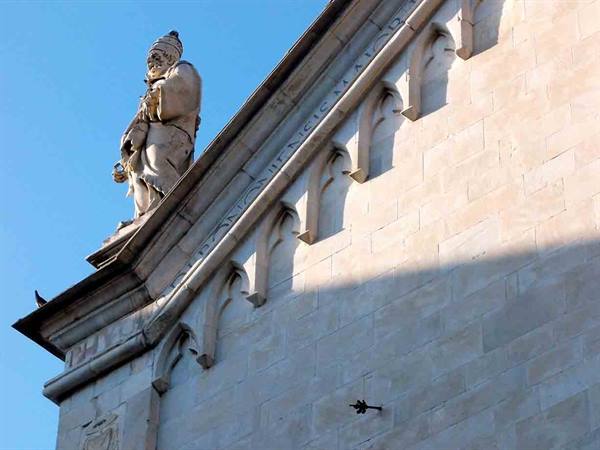
When, during our walk through Sarzana, we reach the very central Co-cathedral, built from 1204 onwards, a local lady points out to us the black hilt of a sword embedded in the white façade of the religious building. We thus discover that that ancient ritual also had a curious epilogue: the “burial” of a sword in the church façade. Today that bizarre detail is among tourists' favourite photographic targets.
A few decades earlier Sarzana had also been visited by a famous peacemaker, Dante Alighieri himself, who in 1306 signed the important Peace of Castelnuovo. Sarzana, along with Castelnuovo Magra, are thus the only certain places of Dante's long exile, apart from fatal Ravenna.
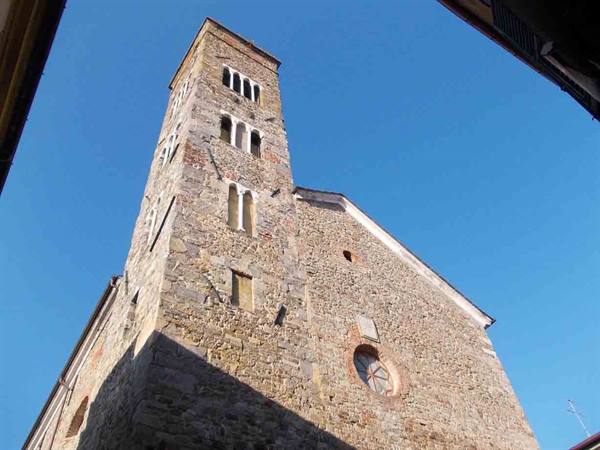
The Sarzana area was inhabited since the Neolithic, as some stele statues found in the area show. From the Roman period onwards its strategic position, at the crossroads of important communication routes, determined its fortune, making it an agricultural and commercial centre, but also a judicial and religious one of great importance. Being a bishop's seat, the town attracted numerous master sculptors and painters who, since the Middle Ages, produced remarkable monuments and works of art. Besides the Cathedral, we also admire the Pieve di Sant'Andrea, the town's oldest building. Its bell tower has stood out among the alleyways of the centre since about the mid-14th century, but the first records of the church date back to 1128.
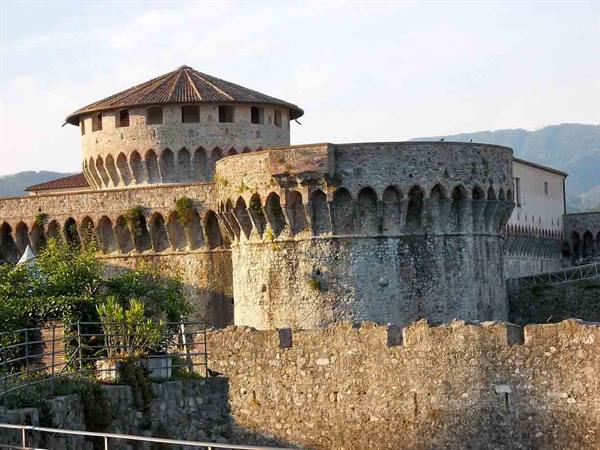
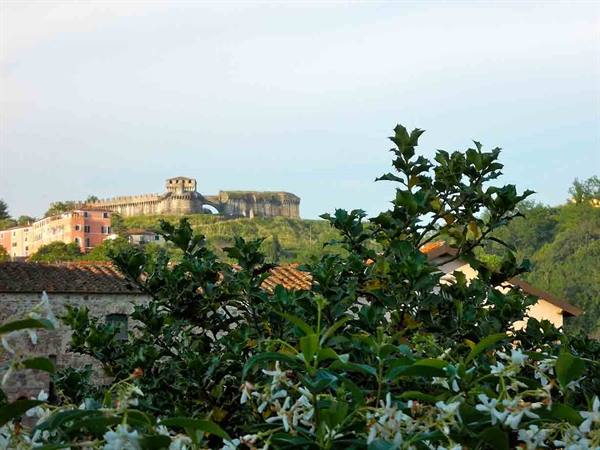
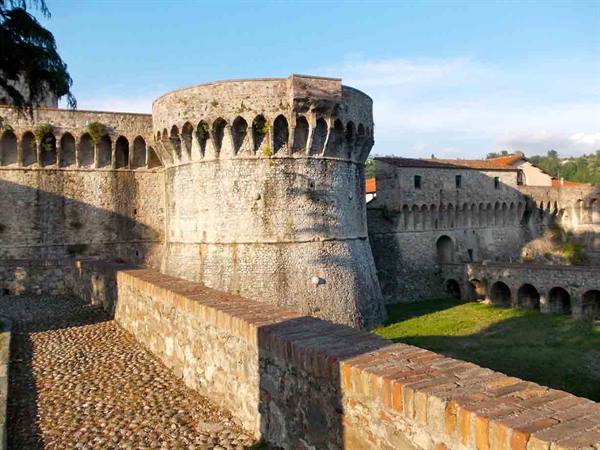
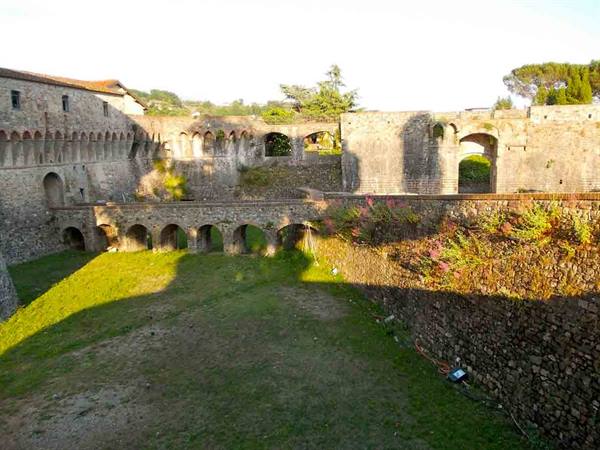
Such a beautiful and strategic town also had to be defended, and today we can admire as many as two spectacular fortresses that fulfilled this function over the long centuries of history. One of Sarzana's symbols is indeed the military fortification of Sarzanello, which stands on the nearby hill of the same name, dominating the Magra valley. The existence of a first military structure on the site dates back to before the year 1000. Back in the historic centre, we visit the Cittadella, also known as Fortezza Firmafede, likewise very ancient, dating in its original form to the 13th century. Its imposing towers, immersed in the scent and colours of flowers, today form the backdrop to numerous cultural events and exhibitions.
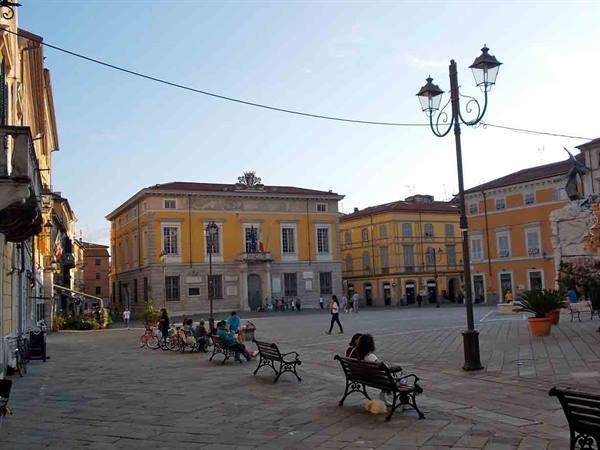
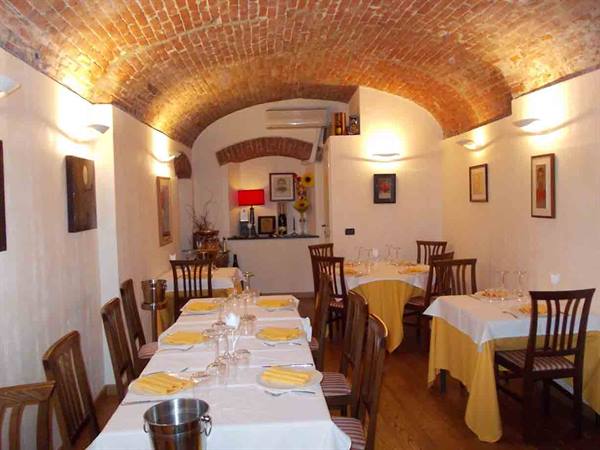
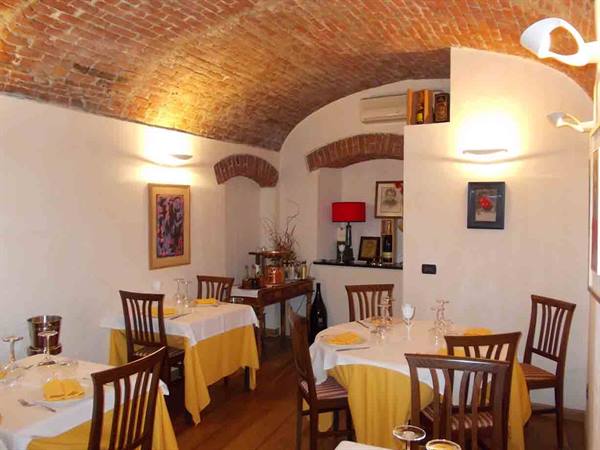
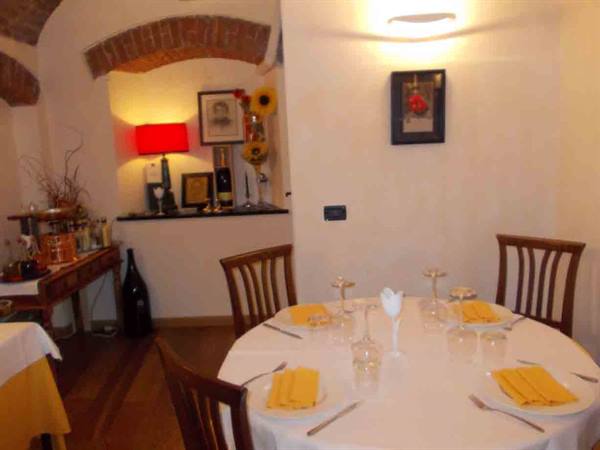
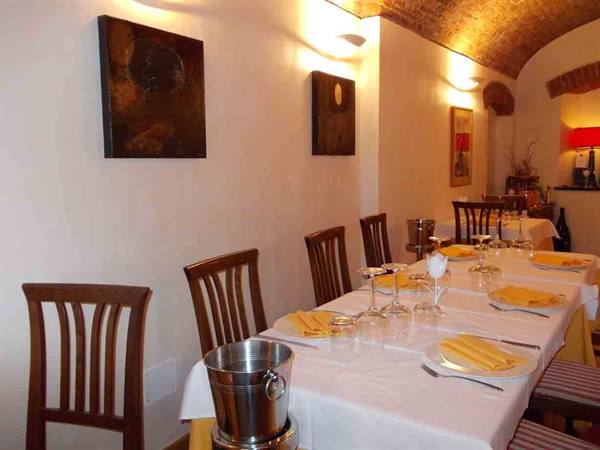
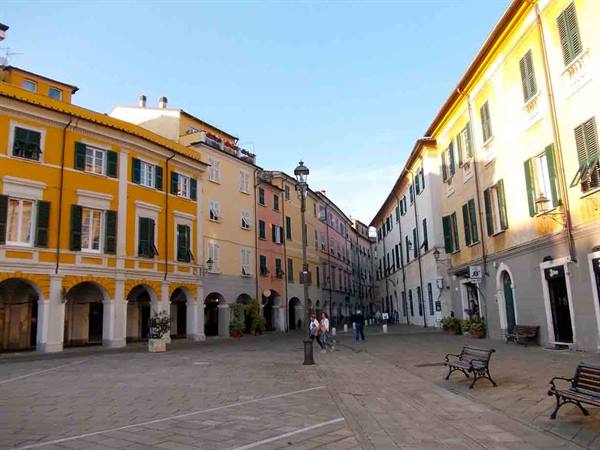
Our walk takes us to the very central Piazza Matteotti, the heart of the town, from which we also reach the historic via Mascardi, known for its many antiques shops. It's right opposite the entrance to this street that we decide to stop for dinner, at Ristorante I Capitelli. Given the fine weather, we settle at the tables of the outdoor area, near the capitals of the 17th-century palazzo that give the place its name, characteristic and finely restored by the owners Antonio Albignani and his partner Adriana, who have run the restaurant since April 2012. “We've kept the tradition of the past management, but enriched it with our experience and the flavours of our respective homelands: I represent Liguria, while thanks to Antonio, who is from Parma, we've been able to introduce some land-based specialities,” Mrs Adriana tells us.
The menu changes two or three times a week, according to the fresh ingredients available day by day.
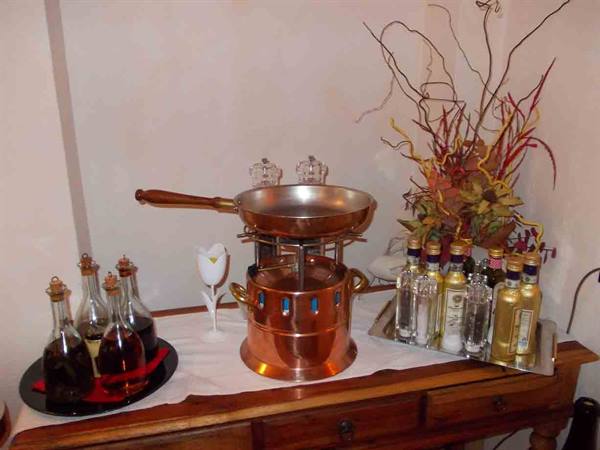
We start with a rich fresh seafood starter, which we follow with a Venere rice timbale with crustaceans. We also taste spaghetti with Cabras lagoon bottarga with tuna and a hint of lemon. We continue with the chef's excellent catch cooked two ways, and the salt cod fillet with pumpkin cream and seasonal vegetables also proves a great success. A good part of our group can't resist the “carnivore” pleasures instead, first enjoying choice Parma cured meats, followed by tasty risottos from the Parma area, and finally the exquisite lamp-cooked meat.
Our Sarzana dinner ends with the house desserts, including the “dolce Iole”, prepared according to an old Emilian recipe.
It will be a great pleasure to return here for more walks and more dinners, but also for the next Festival della Mente, which every autumn gets people thinking about thought and creativity.
Francesca Bertha
FOR INFORMATION:
Ristorante I Capitelli Piazza G. Matteotti, 38 Sarzana (SP) Tel.: 0187/691445
The journey's photographs
14 photographs · click to open them full screen
0 reader comments