The story
Pleasure made into a city: that's how Piacenza presents itself, starting with its name, which comes, precisely, from the Latin Placentia. It's with this excellent premise that we arrive here on a lovely spring day, to dedicate it to this city of art so close to Milan both geographically and culturally, even though it belongs to Emilia Romagna.
Piacenza stands on the right bank of the Po, and the river, besides having had great importance in history from a logistical, economic and defensive point of view, also represents for the people of Piacenza an emotional bond with their city. In “Mondo Piccolo. Don Camillo”, Giovannino Guareschi says, with hometown pride born of imagination, that “the Po, the only respectable river that exists in Italy, begins at Piacenza”. And he adds: “The fact that from Piacenza upwards it's always the same river means nothing”.
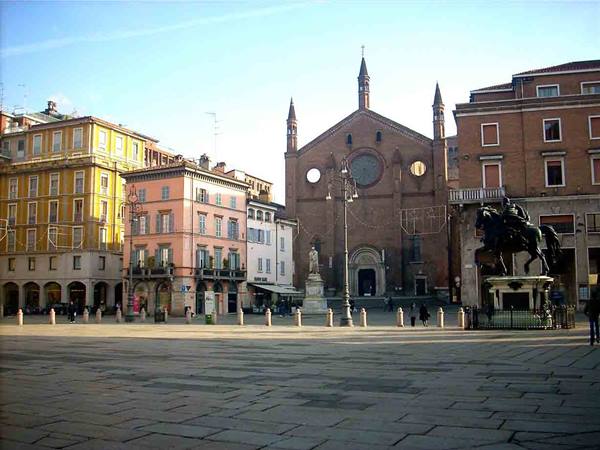
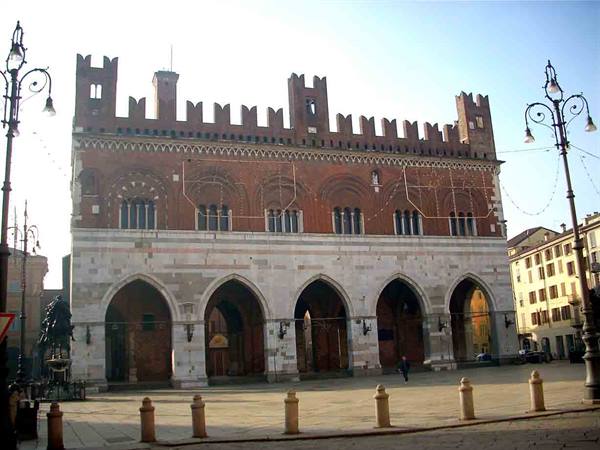
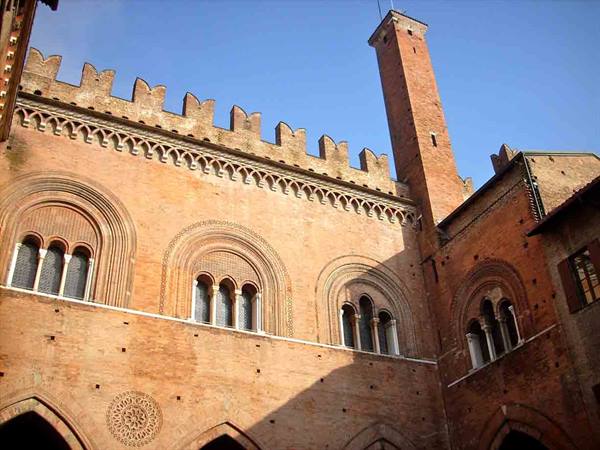
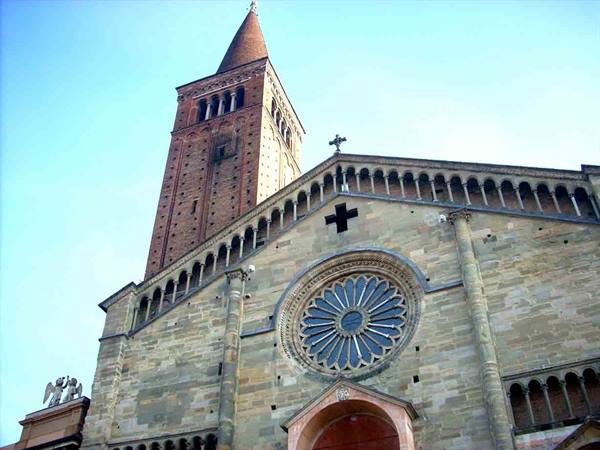
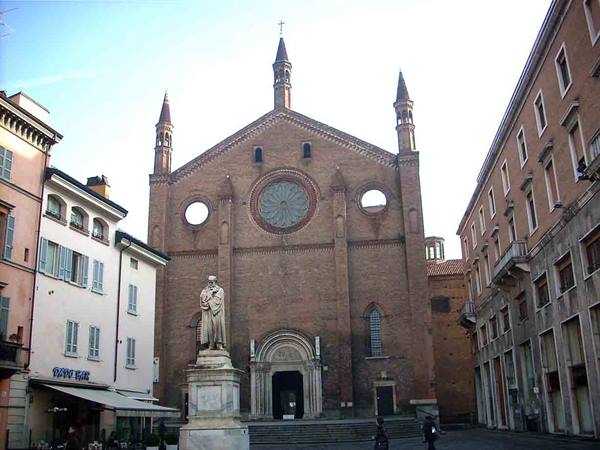
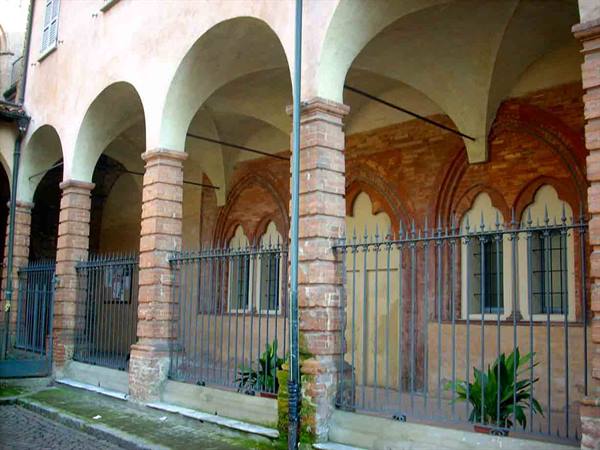
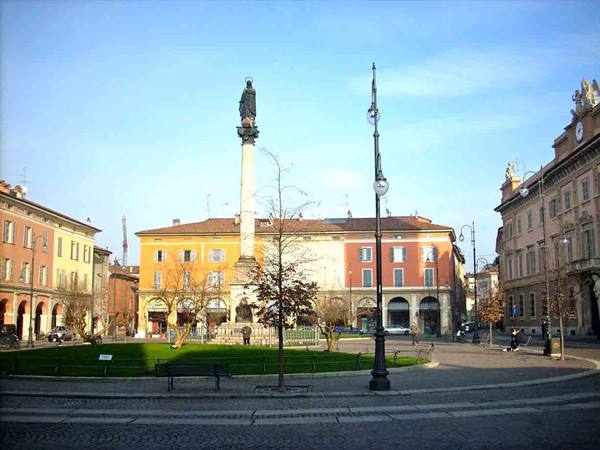
Piacenza is often called the City of Palazzi, thanks to the presence of numerous aristocratic and bourgeois residences, including “il Gotico”, the palazzo that houses the Town Hall. The city is very liveable, full of gardens, as well as a long series of monuments testifying to the era of the Duchy of Parma and Piacenza. We started our tour at the Duomo and then continued with a visit to the Basilica of Sant'Antonino, the patron saint. In this Romanesque church, commissioned by San Vittore, the first bishop of Piacenza, the delegates of the Lombard League and Emperor Frederick Barbarossa met in 1183 to sign the preliminaries of the Peace of Constance. The Basilica preserves the relics of the Christian martyr Antonino, as well as the five canvases by De Longe depicting scenes from the saint's life.
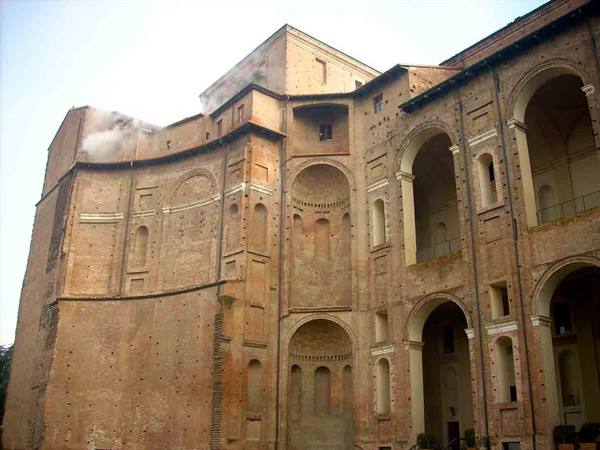
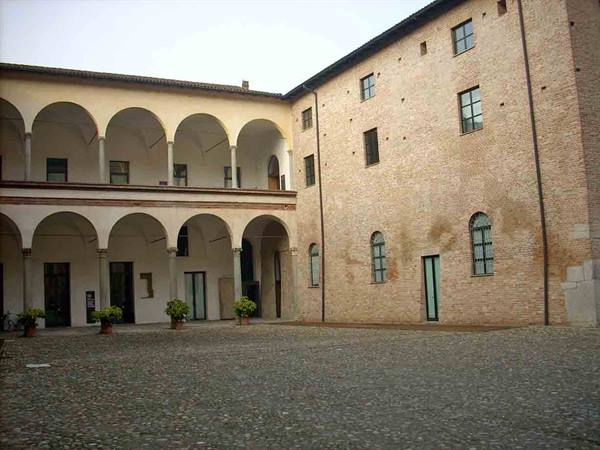
Piacenza has been the birthplace of numerous figures in art and culture, from the politician and writer Melchiorre Gioia to Giorgio Armani and the footballers Simone and Filippo Inzaghi. Speaking of elegance, beauty and sporting legends, we took the opportunity to visit the Vespa and Scooter Museum, a gold mine for enthusiasts of the genre. Of course we didn't neglect the city's most important museums either, such as those in the imposing Palazzo Farnese, which trace the history of art from the Middle Ages onwards, and the Museum of Natural History, which also contains an interesting 19th-century herbarium and an ornithological collection.
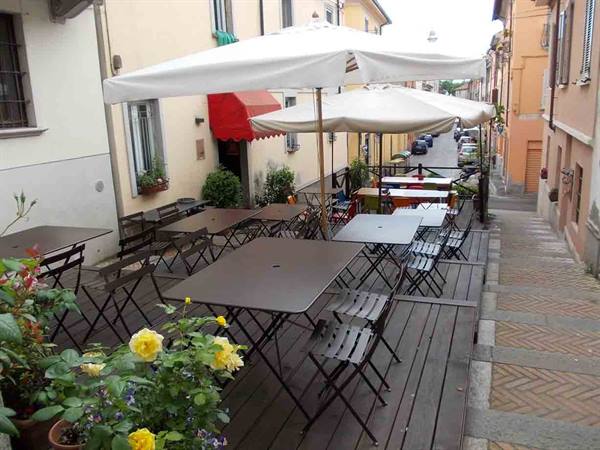
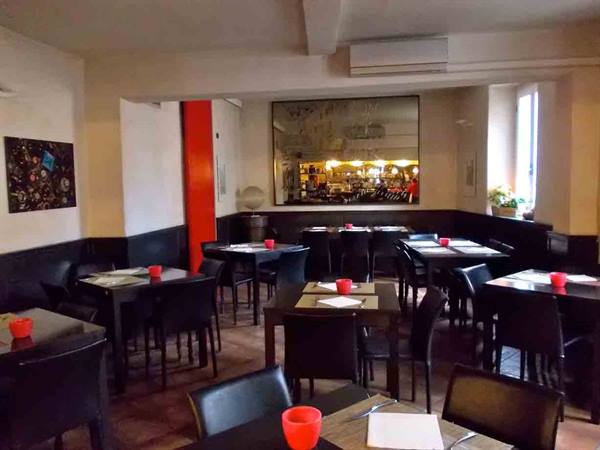
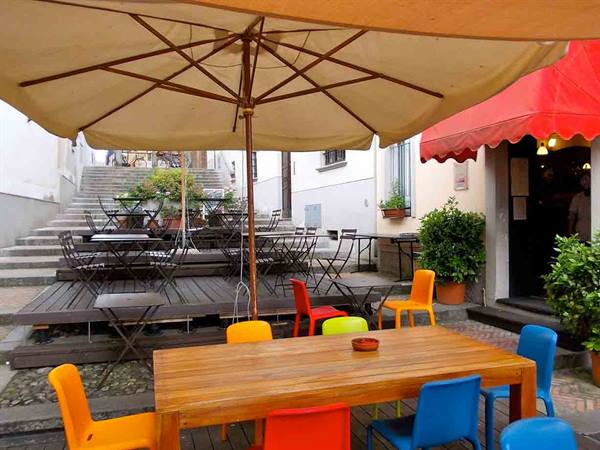
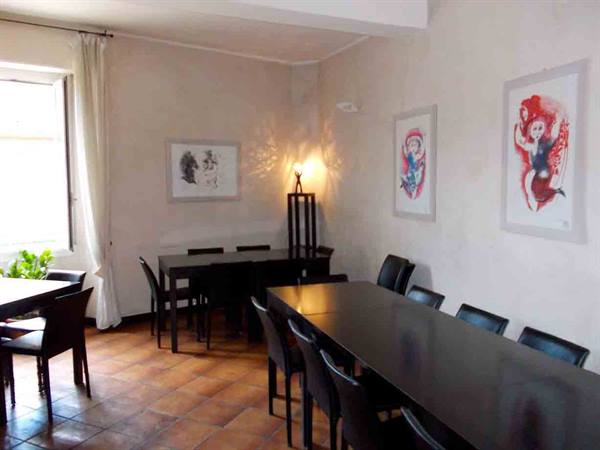
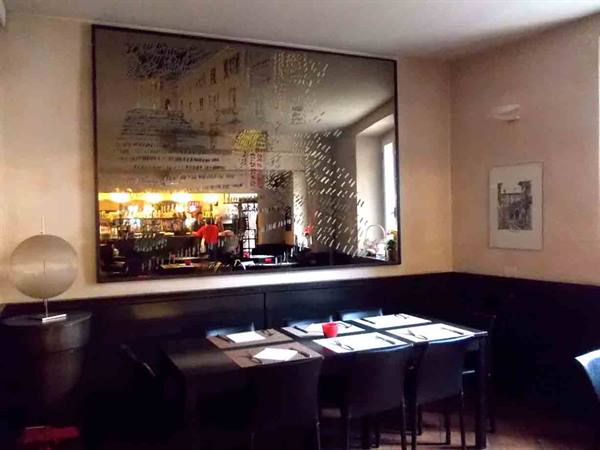
We remain in the city's history in spirit, deciding to stop for dinner at Ristorante Muntà di Ratt, in via Mazzini. We are, in fact, in one of Piacenza's best-loved quarters, as well as in one of its oldest establishments. “A period photo shows that as early as 1907 there was a wine shop here. The older locals remember when, around the mid-1950s, they used to frequent this place, which at the time must have been an osteria. When we took it over in 2007, it was a pub, and it's thanks to our work that it has become a restaurant with typical, simple cooking again, in full harmony with the history of the place,” Mr Leonardo explains, who runs the place together with his partner Paolo, and his mother, known to everyone as Nonna Gegia, who looks after the beautiful flowers of the summer outdoor area and prepares the exquisite desserts.
In the kitchen we find the very capable all-female staff: Imma, Gabriella, Nahir and Claudia.
As we begin to taste the local cured meats and the gnocco fritto, we ask the owners what exactly the place's name means. “There are various explanations, including the most romantic one, and the one most loved by tourists, though the least credited by historians, which refers to the flood of the Po in 1907, when the rats supposedly fled towards the upper part of the town, running up this stairway. There are also those who link the name to the Ratti family who lived in a nearby palazzo, but the official explanation seems to be the one deriving the word “Ratt” from the French name, similar in sound, of a church that during the Napoleonic period stood where a palazzo now stands, at the top of the stairway,” Leonardo explains. “Certainly,” he adds, “this descent was the joy of children a few decades ago, because when it snowed they slid down it sitting on potato sacks used as sledges”.
Our dinner continues with the traditional pisarei e fasò, as well as with ricotta tortelli and anolini prepared with stracotto. If it were winter, among the dishes we could enjoy the cod, or the typical pìcula, minced horse meat cooked in a stew and served with polenta. In the warm season, the grills are instead unmissable, with excellent tagliata, ribeye and fillet. After delighting in the desserts prepared by the skilful hands of Nonna Gegia, we take another stroll through the neighbouring streets, once crossed by canals that were even navigable like the Milanese navigli, thinking of how lovely it will be to return here also to enjoy some live music evenings, sipping a good aperitivo in the outdoor area or tasting a special beer.
Francesca Bertha
FOR INFORMATION:
Ristorante La Muntà Via Mazzini, 72 Piacenza (PC) Tel.: 0523/498929
The journey's photographs
14 photographs · click to open them full screen
0 reader comments