The story
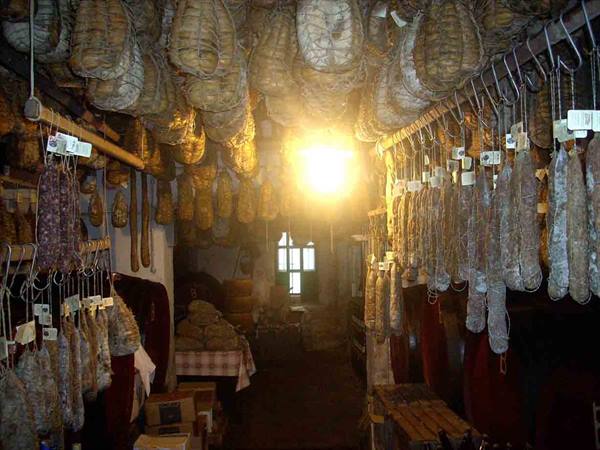
It was probably during one of the cold winters with still air of the 1300s, when the castle of Pieve, administrative centre of the life of the fiefdom of the time, was totally swallowed up by the thick fog, that a skilled pork butcher had the idea of curing culatello with the method that many centuries later made Zibello famous throughout the world. This highly prized cured meat, today a protected designation of origin product and a Slow Food Presidium, is produced exclusively from October to February, when the Parma lowlands are wrapped in fog and temperatures hover around zero. The unmistakable flavour of culatello rewards the producers who today, as centuries ago, know that weather conditions adverse from a tourist point of view can instead be a godsend for creating a unique and inimitable delicacy.
Legend has it that as early as 1322, Counts Andrea Rossi and Giovanna Sanvitale, on the occasion of their wedding, were given some culatelli sent by the Marquises Pallavicino. Until recent times, few pieces of the precious cured meat were made in the town, and few were the people who got to taste it. For several centuries, given the "impropriety" attributed to the term "culatello", chroniclers avoided naming it in their writings. Even the first tangible piece of evidence concerning this delicacy is an image: a drawing from 1691, depicting a woman holding a culatello. The document of the municipality of Parma known as the Calimiero dates back to 1735, in which the words "culatelli senz'osso" (boneless culatelli) appear for the first time.
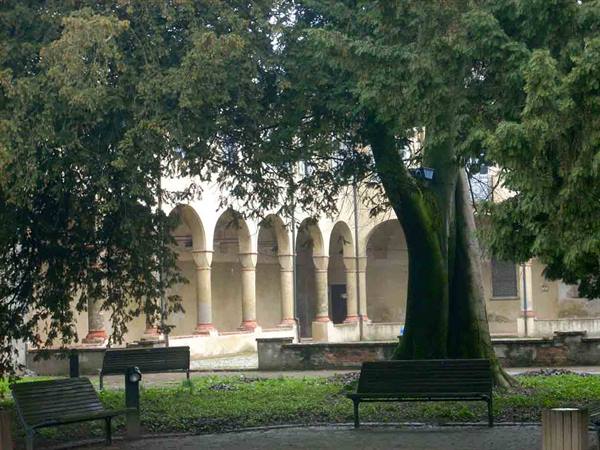
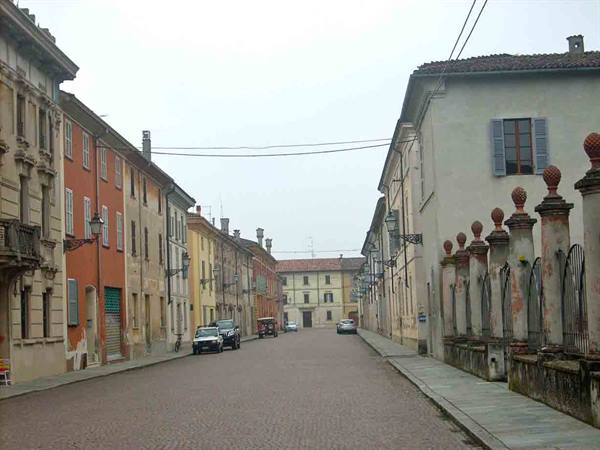
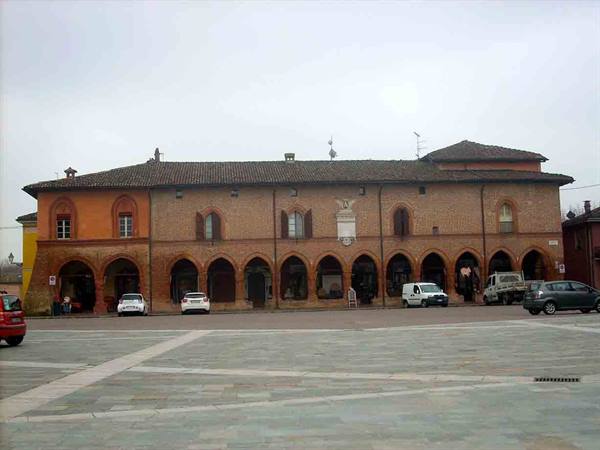
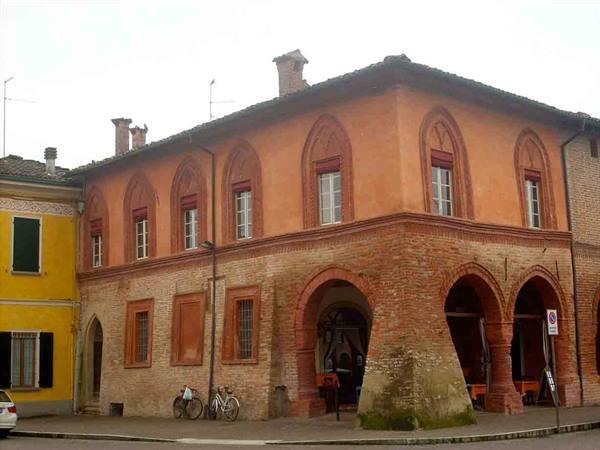
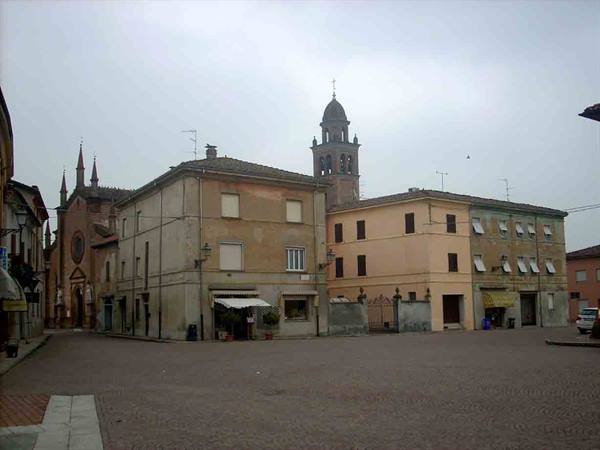
Our walk in Zibello, besides following the milestones of the history of the celebrated cured meat, also takes us in the footsteps of the Pallavicino family, the marquises who from 1249 dominated the municipality, with few interruptions, until the 1800s. Reminding us of that long historical period is the imposing Palazzo Pallavicino in the main square: under its long portico with pointed arches many decisive events of the community took place, and it was always there that plague victims found refuge in 1630, as well as those displaced by various floods of the Po. Inside the palazzo is the Teatro Pallavicino, and we also visit the evocative cloister of the former Dominican convent, founded in the 1400s. Admiring the frescoes that adorn the lunettes, we reach the museum dedicated to the rural civilisation of the Parma lowlands, set up in the convent.
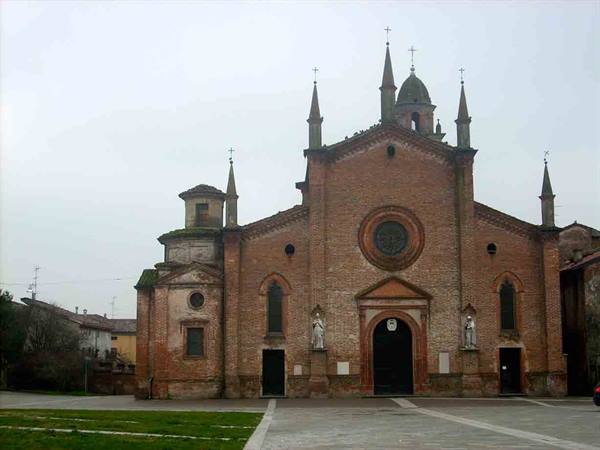
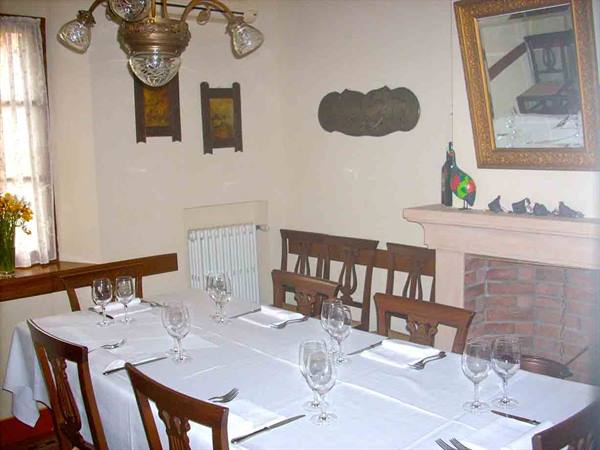
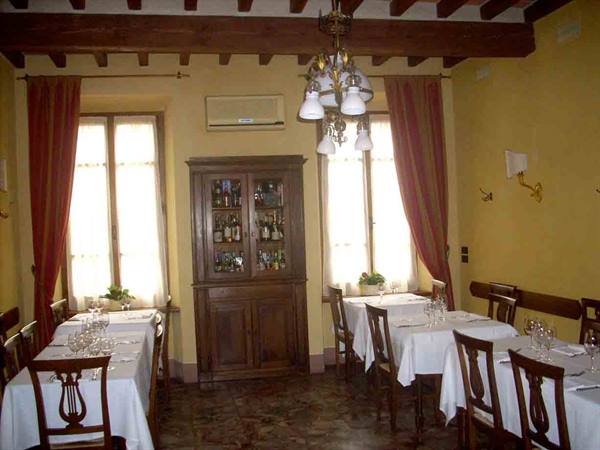
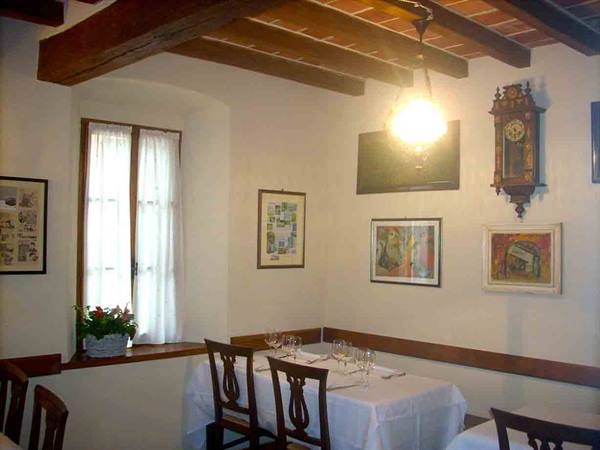
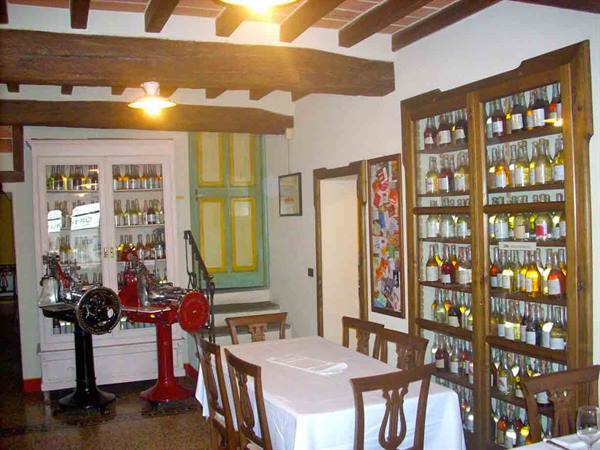
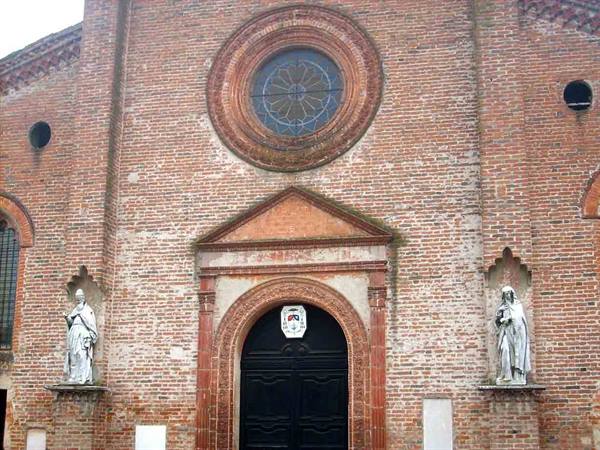
In the centre we also visit the parish church of Saints Gervasio and Protasio, built in late Gothic style starting in 1489. We remain immersed in the most authentic atmosphere of local history by stopping for dinner at the Trattoria e Locanda La Buca, on via Ghizzi. Welcoming us in the characteristic dining room is Mrs Miriam Leonardi, the owner who runs the place together with her husband Guido, their daughter Laura and her family. "The trattoria was founded by my great-grandmother in 1875, after she returned from Argentina. Ever since then, it has always been the women who passed the place down from generation to generation: after my great-grandmother Romilda came my grandmother Zaira, my mother Elena and now it's me and my daughter", the hostess tells us. "Women have the palate, men the guts.
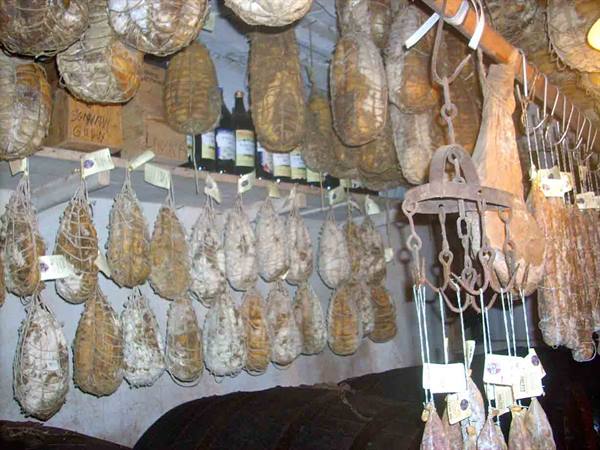
Ours is a story of long years of toil and hard work in which we've always kept the authentic flavours of the area: our dishes come straight from the 1800s, and today we prepare them exactly as they did back then", Mrs Miriam goes on to explain. Our dinner begins precisely with the king of the Parma table, the culatello di Zibello made in-house and matured in the trattoria's cellar. Its sublime flavour tells the soul of these places, the autumn fogs and the river landscape with its damp climate. Among the starters we also taste the cooked shoulder with mostarda and a plate of mixed cured meats. Among the traditional pastas we enjoy the pasticcio of macaroni in a sweet crust, a recipe of Spanish origin from the 1600s. Our friends, on the other hand, can't resist the anolini pasticciati "La Buca", but naturally the tagliatelle with culatello also wins fans.
Among the main courses we choose excellent roast duck and guinea fowl, and we take great pleasure in some boiled meats: the mariola with vinegar zabaglione and the prete with Mantuan mostarda. A couple of our friends opt instead for game dishes. Finally, we happily give in to the sweet temptations, including the cacio bavarese, the trifle and the house cakes. Returning here will be a real pleasure, and we'll be able to do so also on the occasion of the upcoming food festivals or even just for a quiet weekend of walks and good food.
Francesca Bertha
FOR INFORMATION:
Trattoria e Locanda La Buca Via Ghizzi, 6 Zibello (PR) Tel.: 0524/99214
The journey's photographs
13 photographs · click to open them full screen
0 reader comments