The story
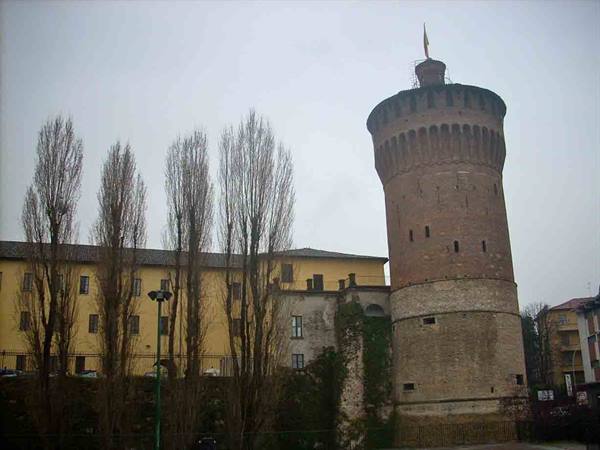
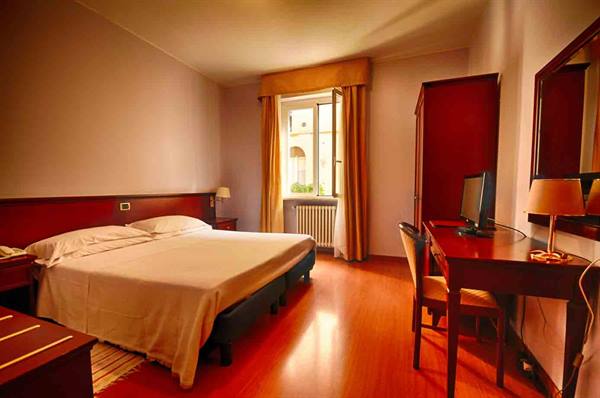
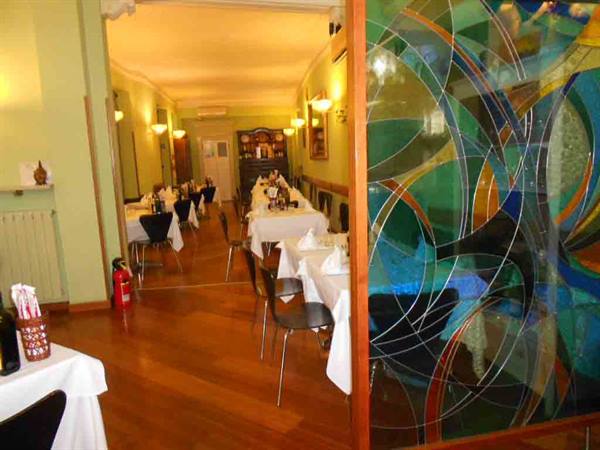
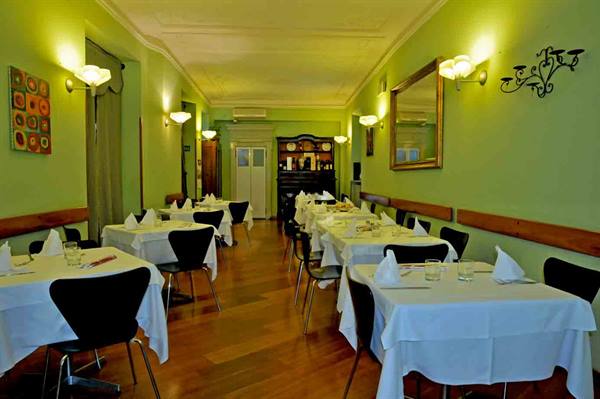
This time we decided to follow in Napoleon's footsteps, "conquering" a beautiful city of art on the banks of the river Adda. The charm of these places was already known to the Boii Celts, whose ancient village, Laus Pompeia, stood right here. In Roman times the city was a flourishing commercial and agricultural town thanks to its strategic position. Today's Lodi was founded, however, by Emperor Frederick Barbarossa on 3 August 1158, after Laus Pompeia was razed to the ground by the Milanese in 1111. Our weekend in Lodi starts in the historic centre, where we settle into two of the ten tastefully furnished rooms equipped with air conditioning and every comfort of the Hotel Ristorante Castello, located right opposite the Visconti manor, today the seat of the police headquarters. So our first photos immortalise the very symbol of the city: the tall and massive Torrione of the castle.
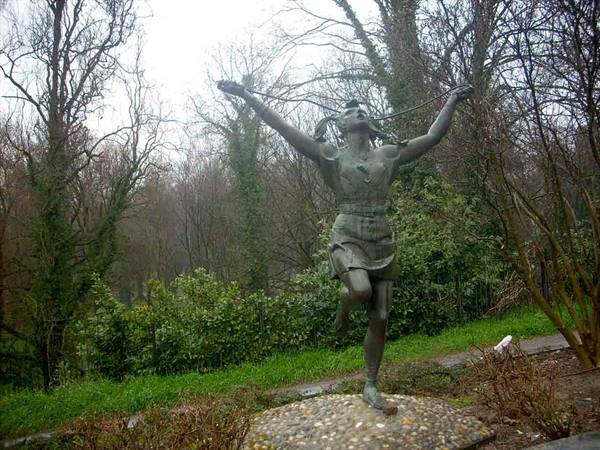
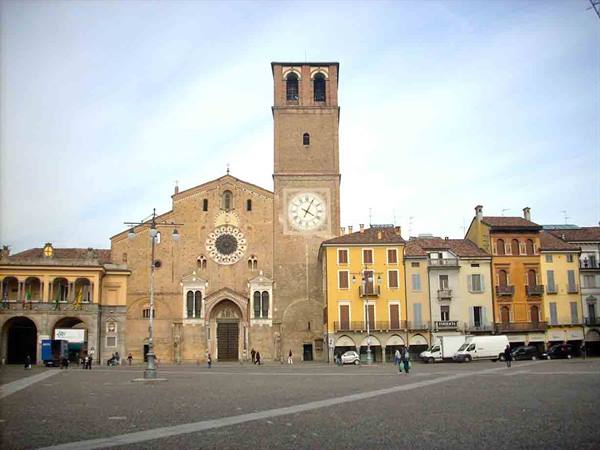
Next to the castle stretches the vast Parco dell'Isola Carolina, a green oasis with plants of considerable botanical interest too. Lodi is also, in a way, the city of miracles: the Tempio Civico dell'Incoronata stands on the spot where a brothel once stood, with an image of the Madonna beside it. Several miraculous events are attributed to this image, following which the devout population decided to erect the Temple. At the Church of Santa Maria Maddalena, on the other hand, a miraculous Crucifix is venerated, found intact among the piers of a bridge after a flood of the Adda. One of the largest churches in Lombardy is the Duomo of Lodi, which they began building on the very day Barbarossa refounded the city. Dedicated to the Assumption of the Virgin, the Basilica dominates the evocative Piazza della Vittoria and preserves notable works of art, including a polyptych by Callisto Piazza.
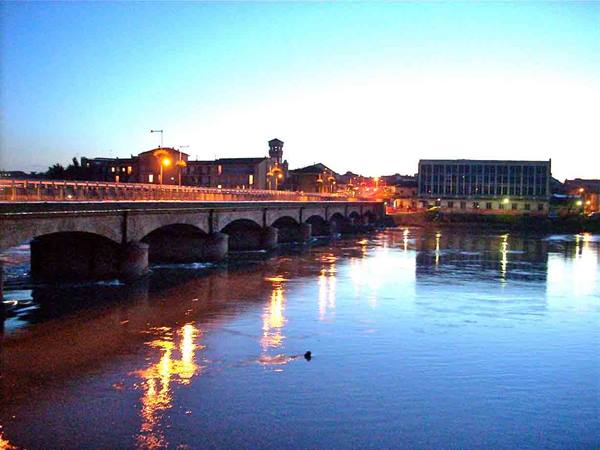
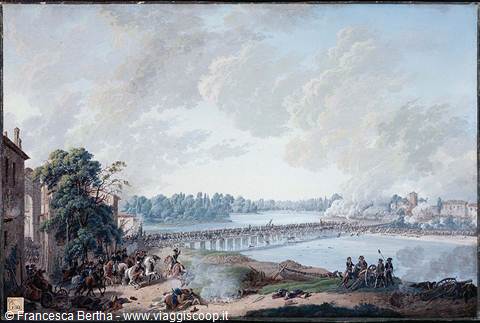
The Church of San Francesco, on the other hand, is a splendid unfinished work, whose imposing terracotta façade was never completed. Inside are preserved the remains of several illustrious figures, including those of the poet Ada Negri. Arriving thus at the times of Napoleon, we reach the beautiful Bridge over the Adda, near which the famous Battle of the Bridge of Lodi took place in 1796, in which Bonaparte defeated the Austrians. The important historical event is remembered by a plaque, but also by a painting by Giuseppe Pietro Bagetti. Crossing today's bridge, built in 1864 on the site of the original wooden bridge, an evocative panorama of the Adda opens up, including the cycle paths along the river.
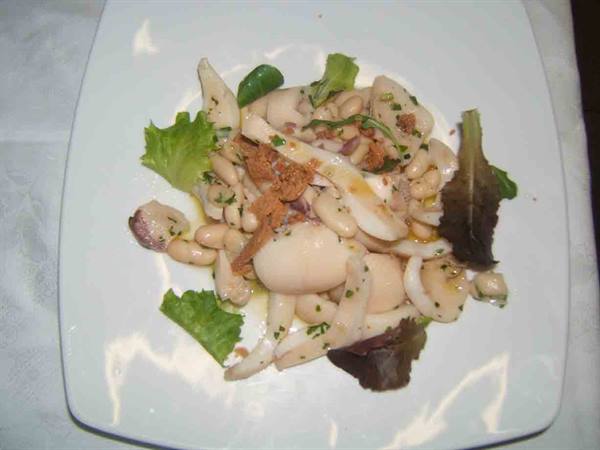
The artistic production of Lodi also extends to the famous Vecchia Lodi ceramics, which today can be admired at the Museo Civico, as well as at the Ceramica Artistica Lodigiana factory on Via San Fereolo, where visits and ceramics workshops for children are organised. After this lovely walk we return to our lodgings, where a succulent dinner awaits at the Ristorante Castello. "We've been running the place for thirty-five years, and besides many dishes tied to the area, we also offer numerous fish specialities. Among our strong points are certainly the risottos, and on the first Sunday of the month we organise brunch", Mr Francesco tells us, the owner who has run the place for thirty-five years with his wife Tiziana and his son Alessandro. We start with the octopus with potatoes and the squid and cannellini bean salad, but we also taste the Cantabrian anchovies with butter and croutons.
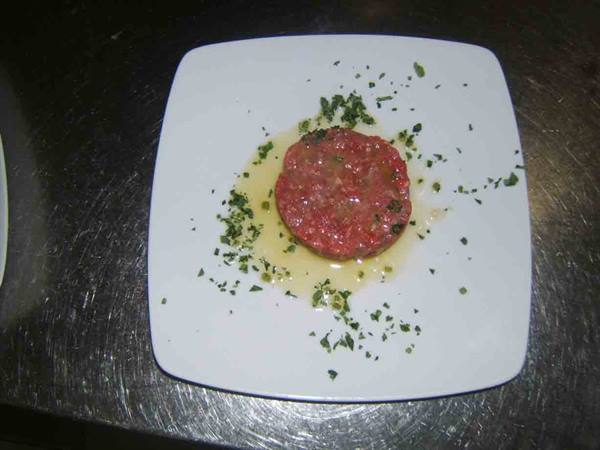
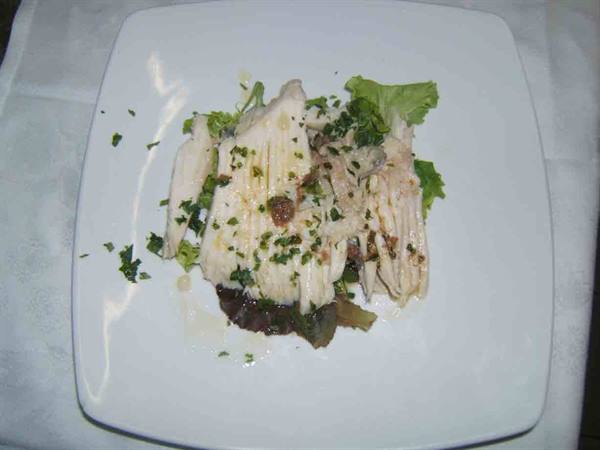
Our friends who prefer meat can't resist the legendary culatello di Zibello, but the little sausage meatballs in cabbage also win fans. A vegetarian friend has the asparagus flan with fondue. We continue with the fantastic baked paccheri stuffed with lobster in a scampi sauce, and with the sea urchin spaghetti and the black tagliolini with cuttlefish ragù. Part of our group opts for the excellent risottos, including the one with sausage and saffron. Among the main courses we choose the fried small squid and red mullet fillets, the creamed salt cod, but the grilled caught sea bass fillet is also a big hit. The "carnivore" friends range instead across the grilled Piedmontese scottona fillet, the American Angus tagliata with rosemary, and the fillet Rossini.
Some of the kids choose the maxi black Angus hamburger with cheese and crispy bacon, while one of our friends is enthusiastic about the oven-baked Breton lamb sirloin. We still have a lot to discover in this lovely city, and it will be a great pleasure to do so on future visits, always starting from our lodgings opposite the Torrione.
Francesca Bertha
FOR INFORMATION:
Hotel Ristorante Castello Piazza Castello, 2 Lodi (LO) Tel.: 0371/420396
The journey's photographs
14 photographs · click to open them full screen
0 reader comments