The story
If the Naviglio were navigable as it was until about sixty years ago, we could have reached Pavia by boat too. As we approach the city that around the 1600s was called Papia, and was the capital of the Lombard kingdom, we imagine a romantic route that perhaps in some time will really be possible: after departing from the Darsena of Milan, our boat would go down the Naviglio Pavese through the tranquil Po Valley landscape, and once it arrived in the city, it would take a turn on the river Ticino, passing under the spectacular Covered Bridge. While waiting to return here by water, we're very happy to visit Pavia having arrived by car, on a sunny late-winter day. Those who have been there know it: Pavia is very beautiful, indeed even Francesco Petrarch thought so.
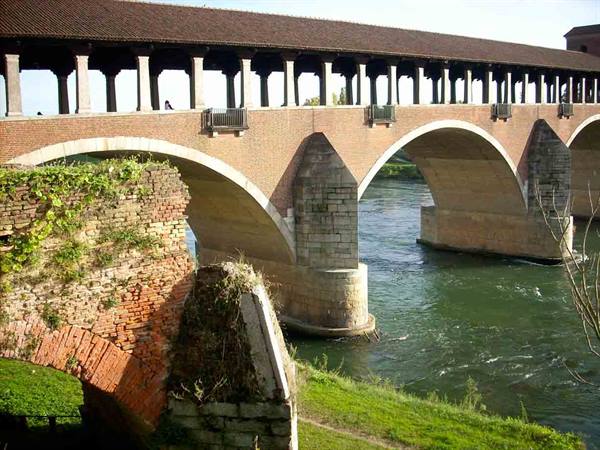
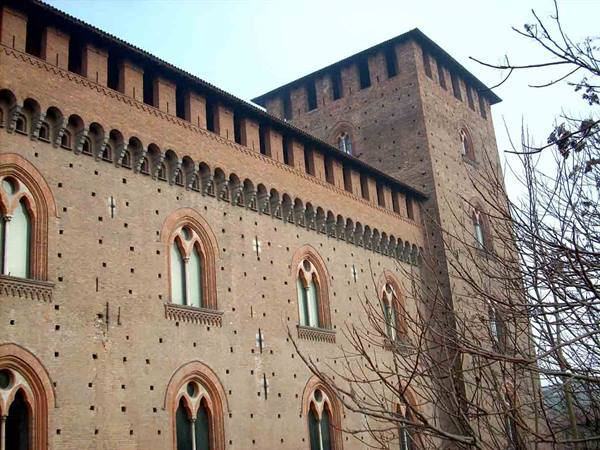
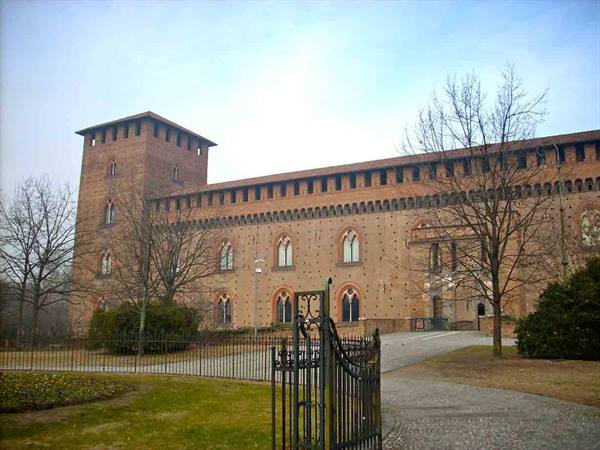
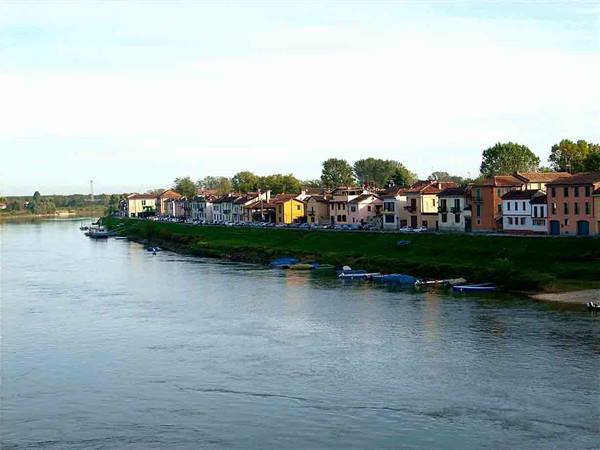
In one of his letters addressed to Giovanni Boccaccio, the poet of the Canzoniere speaks with enthusiasm about the city, telling how it raises its many towers to the sky and enjoys the twofold view of the Alps and the Apennines, as well as being gladdened by the placid waters of the Ticino. Petrarch also speaks of the great castle of Galeazzo, and of the marble bridge over the Ticino. The famous Covered Bridge fascinates us greatly, and we discover that although it was built on the same foundations, it isn't the same bridge that Petrarch knew. In fact, the 14th-century bridge, in turn built on the ruins of an ancient Roman bridge, was later enlarged and modified several times over the course of history, until being gravely damaged during World War II, and finally demolished and rebuilt from scratch.
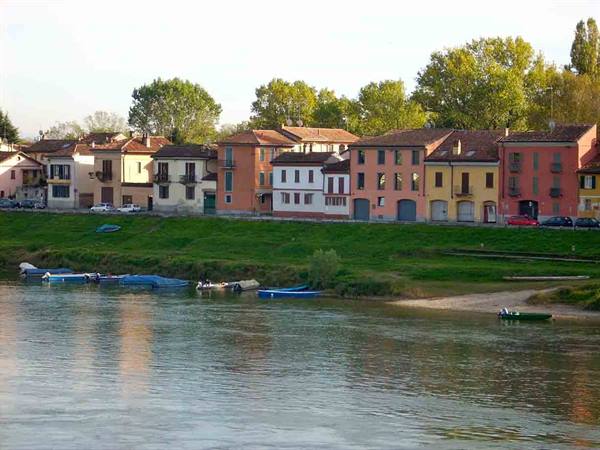
The bridge we admire today, inaugurated in 1951, connects the city to the characteristic Borgo Ticino, where there is also the bronze statue of a washerwoman, which recalls the evocative Vicolo Lavandai of Milan. Walking along the wide avenues, laid out on the line of the ancient walls that surrounded Pavia, and venturing into the characteristic little streets, we breathe the air of a city on a human scale and full of history and culture, also as an important university centre.
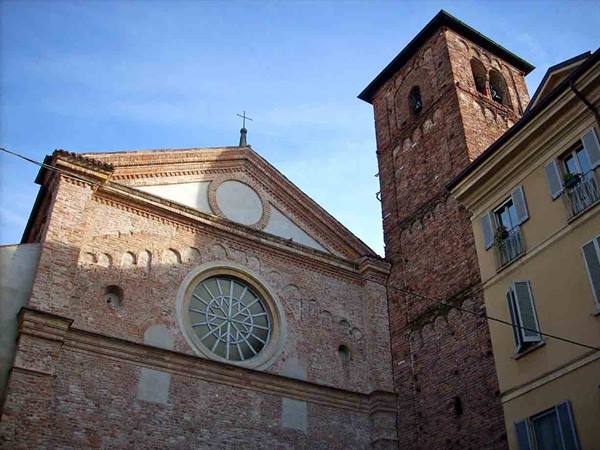
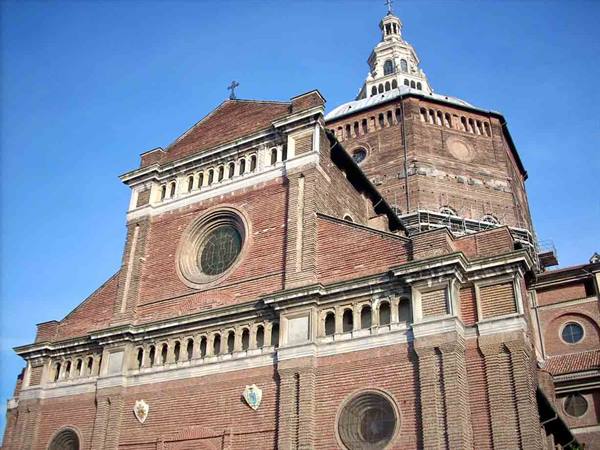
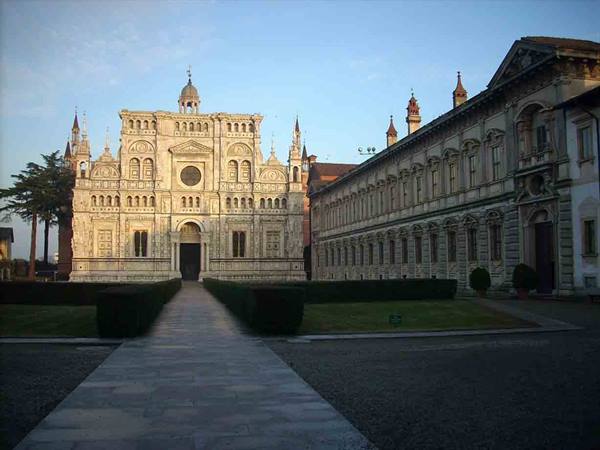
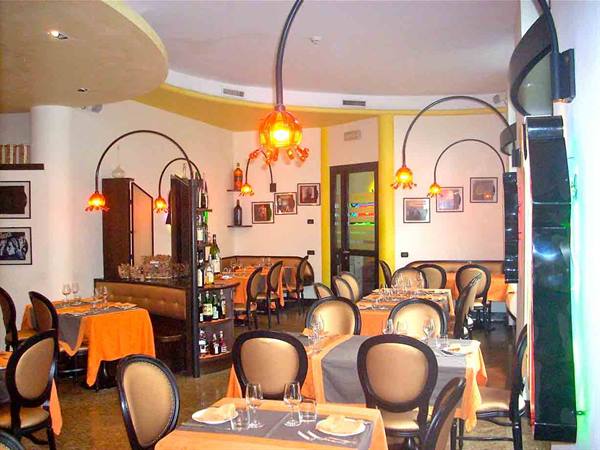
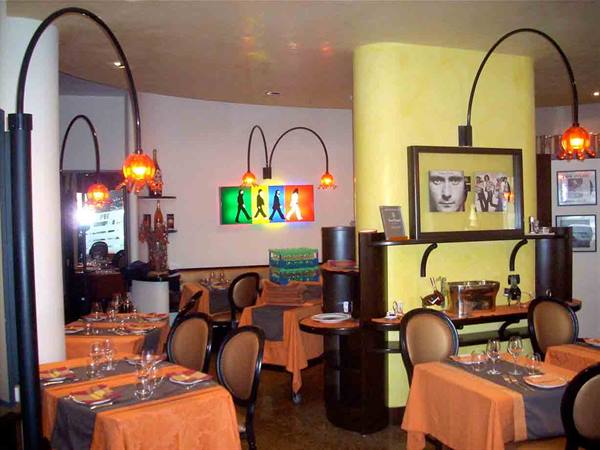
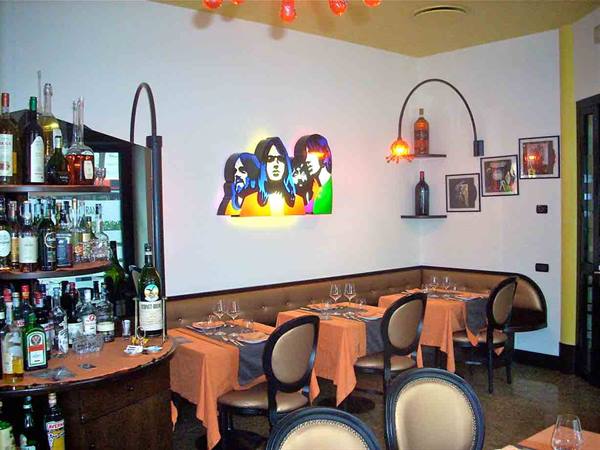
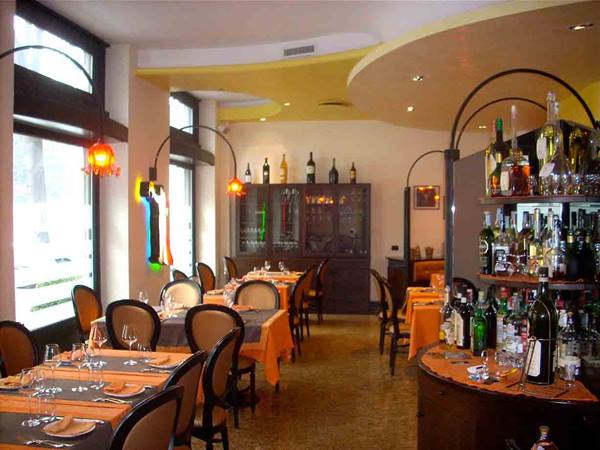
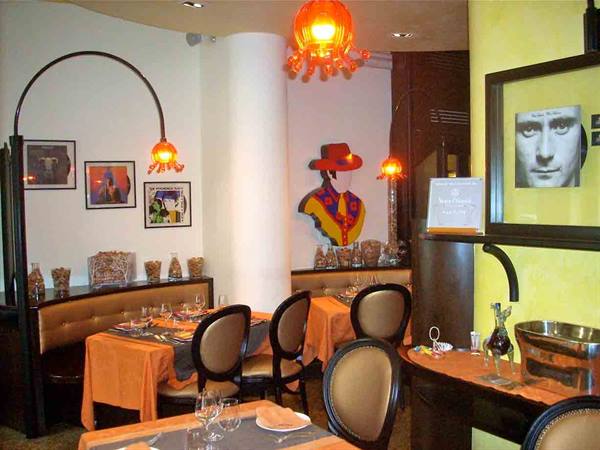
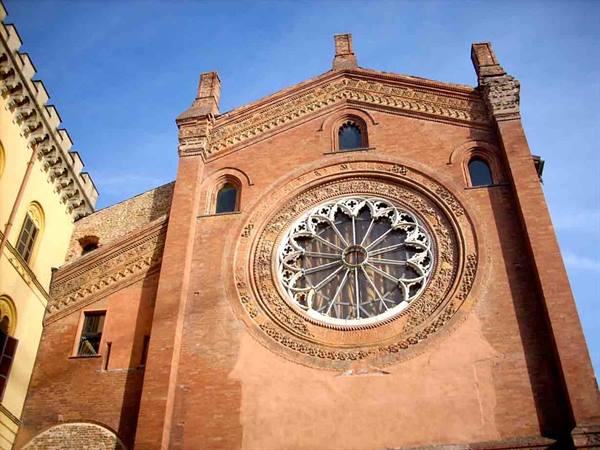
Besides visiting some of the most important churches, including the Basilica of San Michele, where Frederick Barbarossa was crowned, or the Duomo, an imposing religious building whose dome is the third largest in Italy, we also make a detour just outside the city, to admire the Certosa di Pavia, a monument of infinite artistic and historical richness, built at the wish of Gian Galeazzo Visconti, who symbolically laid the first stone of the site in 1396. We remain immersed in art during our dinner too, thanks to the works of Marco Lodola exhibited in the elegant dining room of the Ristorante Peo, inside the period building of the Hotel Moderno, near Piazza Minerva. The warm colours of the room, furnished with great style, provide the backdrop to the pleasure of the authentic flavours of the area.
"We've been running this restaurant for about a year, while our Osteria della Madonna, in the centre, today looked after by my daughter Valentina, has been going for forty years now", Mr Peo tells us. We start with a rich starter of mixed local cured meats, which we follow with the exquisite pumpkin gnocchi. We also enjoy an excellent risotto with ossobuco, while our friends choose various other types of risotto, of which the restaurant offers a wide choice. We wash down these goodies with wines selected from numerous labels and continue with the mixed boiled meats and the braised dishes, while part of the group chooses instead the beef Wellington. Finally, we happily give in to the sweet temptations of the house desserts, including the historic chocolate cake and the pear tarte tatin.
After this lovely day we can only say we fully agree with Francesco Petrarch: Pavia is truly a beautiful city. Visiting it was an experience that enriched us and that we'll certainly repeat soon.
Francesca Bertha
FOR INFORMATION:
Ristorante Peo Viale Vittorio Emanuele II, 29 Pavia Tel.: 0382/538449
The journey's photographs
14 photographs · click to open them full screen
0 reader comments