Tripscoop›Europe›ITALY›Porticoes and Miracles That Tell a Story at the Foot of Monviso: A Day in Fossano
ITALY · Europe
The story
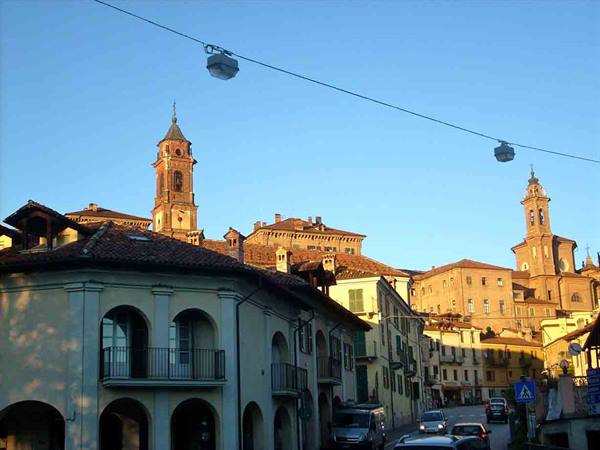
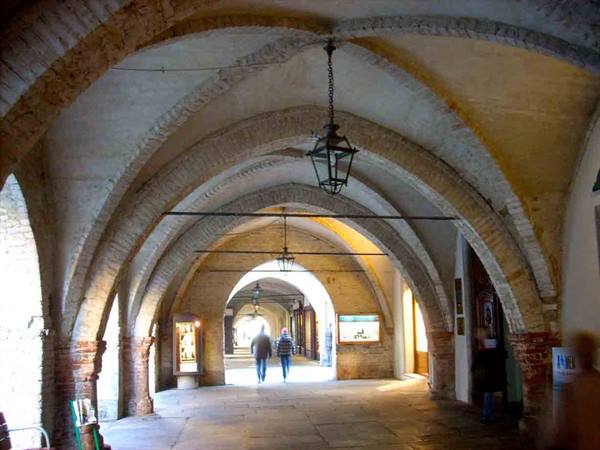
A city of a thousand colours, surrounded by the snow-white peaks of the Alps, whose mountain ranges peek out at the end of the streets as if wanting to wrap it in a soft white embrace. Walking through the picturesque streets of Fossano, the fourth most populous municipality in the Cuneo area, the eye is continually drawn to something stimulating: the colourful porticoes, the sundials on the walls, the windows of the historic pastry shops, the decorations of the ancient palaces. All this in the reassuring presence of the King of Stone, that is Monviso, towering in the background. This evocative landscape won the heart even of the pre-Roman populations; indeed, it seems that already around 800 BC a community skilled in metallurgy and ceramics lived in the area. The plaque that testifies to the erection of the north-eastern gate of the primitive village certainly dates back to 1236.
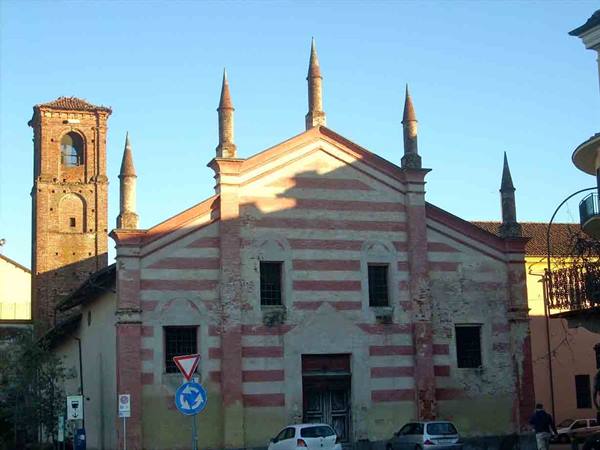
During our tour we pass by the square known as "delle uova" ("of the eggs"), because it was once the site of the poultry market and it represents the gateway to the primitive medieval village. We then walk along the old main street, via Roma, discovering that every year, on the occasion of the patronal feast of San Giovenale, on the first Sunday of May, it hosts an exhibition of hundreds of portraits of the city's historic benefactors. Among the noble palaces along the street, that of the Counts Bava di San Paolo stands out for its historic importance, the seat in the eighteenth century of the Royal Literary Academy. It is always along this important street that we can admire the Cathedral, built in 1771 on a pre-existing medieval collegiate church, to which the fifteenth-century bell tower belonged.
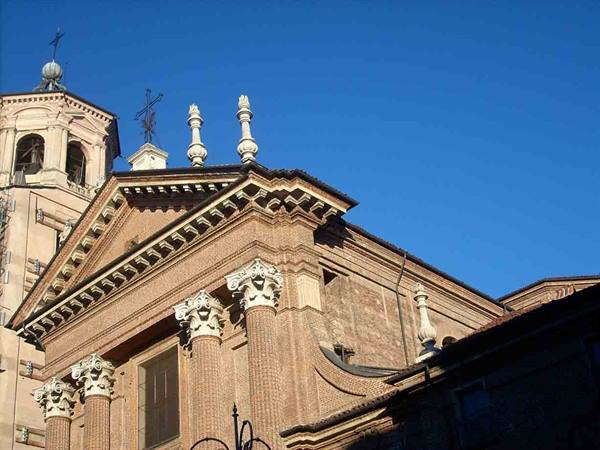
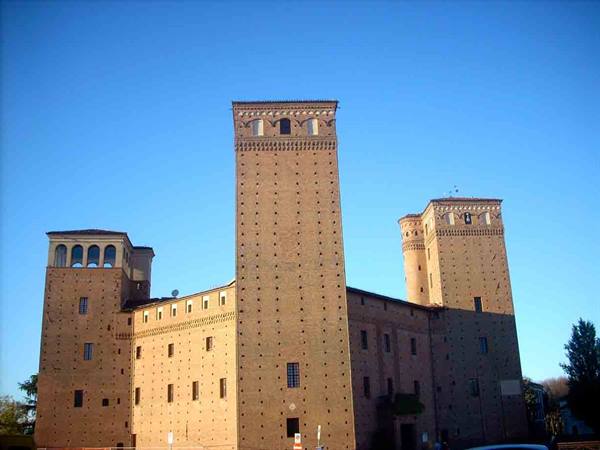
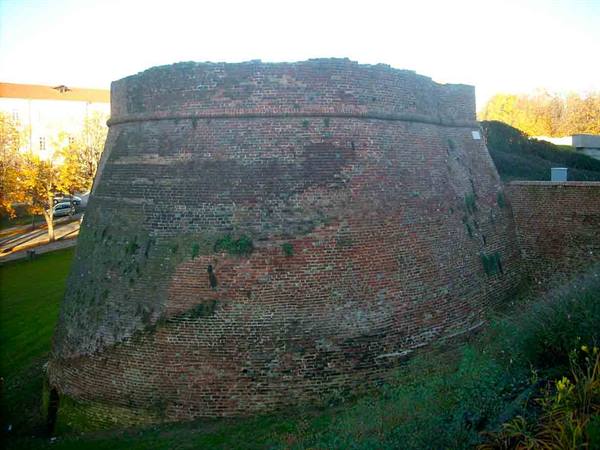
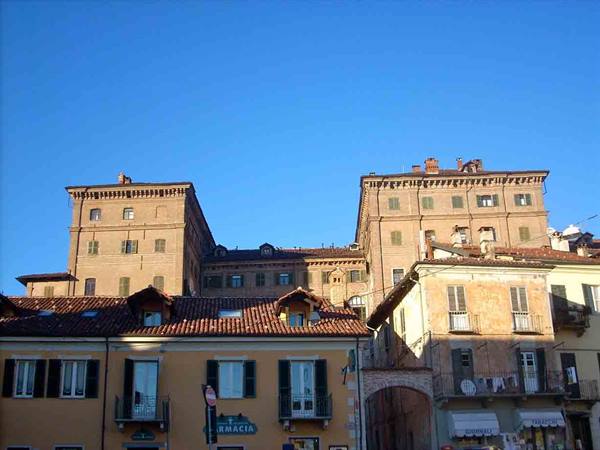
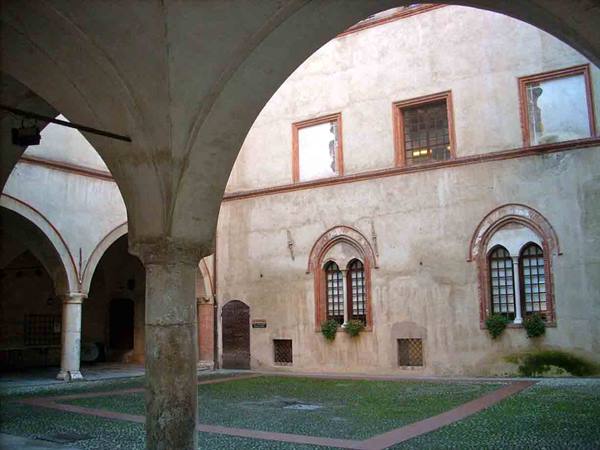
Walking with our noses in the air, we suddenly notice a tower appearing at the end of a street. As we approach, the towers, very tall and mighty, become two, then three: here we are in front of the Castle of the Achaia, built by Filippo d'Acaia in 1324 as a military fortress, which later became a residence of the Savoy family, then a prison and today, after a careful restoration, houses the civic library. We also visit several splendid religious buildings, including the Baroque Church of the Holy Trinity and the Sanctuary of Cussanio, just outside the city, which stands on the spot where in 1521 the Virgin appeared to the deaf-mute Bartolomeo Coppa, who was miraculously healed. We return to the centre walking along the very panoramic viale Mellano, along which we also discover a human sundial, that is a point where it is our own shadow that tells the time.
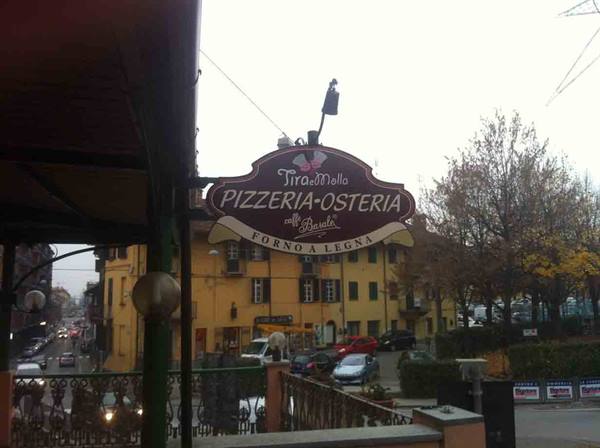
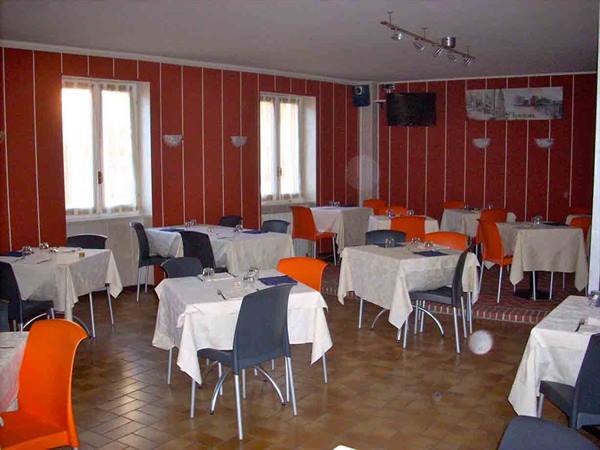
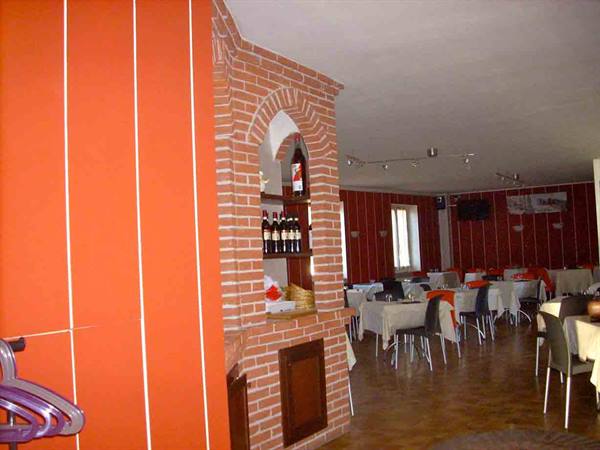
After this lovely walk it is a real pleasure to settle at the tables of the Ristorante Pizzeria Tira e Molla, on via Marconi. We immediately discover we are in a historic establishment: "It was called the Bar della Scala, there was a bakery, the billiard table and a hotel above. We arrived here from Bra four years ago, starting with a self-service to which the osteria and the pizzeria were then added," the owner Tony tells us; he runs the restaurant together with his dad Tommaso, his mum Anna, his girlfriend Ilaria, his sister Valentina, his brother-in-law Danilo and the waitress Beatrice.
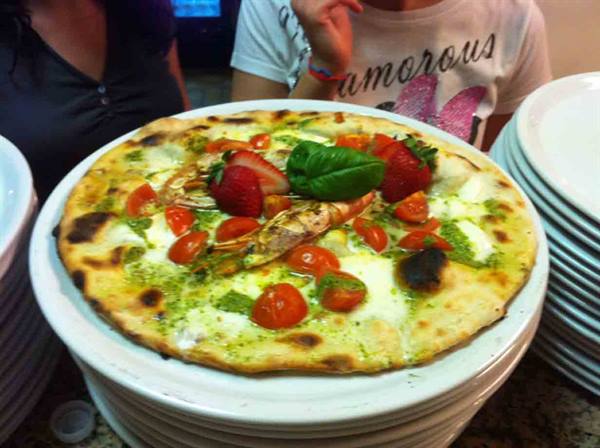
The warmth of the family atmosphere wins us over at once, and it is with a great appetite that we begin to enjoy the salsiccia di Bra with chopped hazelnuts and flakes of grana, the raw ham with Campanian buffalo mozzarella, as well as some seafood delicacies in which the owners are masters, given their Calabrian origins: the trio of smoked carpaccio, and the octopus and potato salad. Some of us opt for the crispy pizzas, available in over 50 varieties, including the Tira e Molla and the Meridionale, with buffalo mozzarella, 'nduja, friarielli and pancetta coppata added after baking. The children choose the Biancaneve, the 7 Nani and the Popeye. We continue with the speciality of the house, the ravioles, made with the potato gnocchi dough with the addition of Tomino di Melle from Val Varaita, served with butter, hazelnut, cream and parmesan.
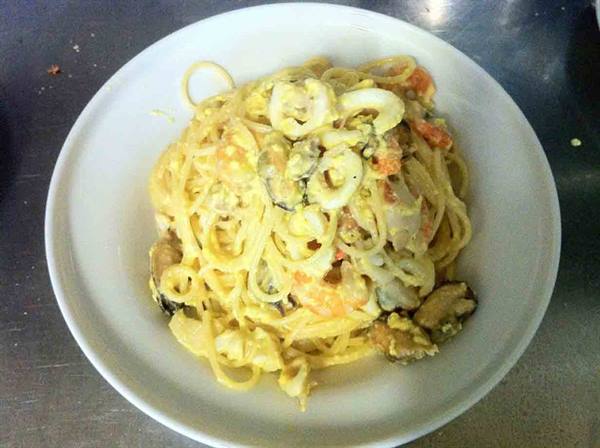
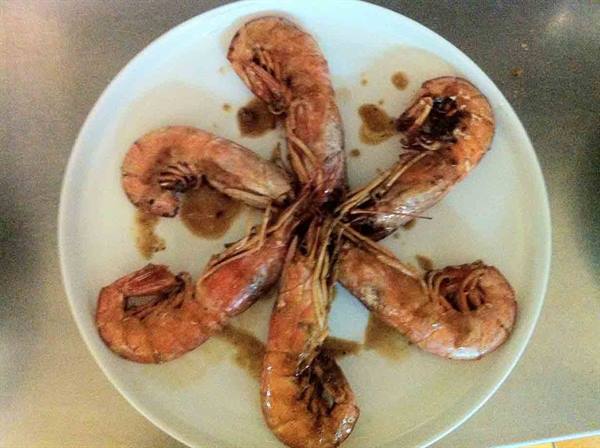
We also taste an excellent risotto with salsiccia di Bra and Nebbiolo, as well as the scialatielli allo scoglio and the spaghetti with seafood carbonara. We wash these treats down with wines from the Langhe, as well as with exquisite craft beers. The salsiccia di Bra takes centre stage in the main courses too, when we taste it grilled with rocket and grana. Also excellent are the sliced veal with sautéed mushrooms, the king prawns with cognac and the mixed fried fish. Finally, we certainly can't resist the temptation of the house desserts: the warm chocolate cake, the tiramisù and the Torta di Anna, which Tony's mum prepares each time according to the inspiration of the day. We close with a touch of seduction: the melon and chilli sorbet, and the one with green apple and passion fruit.
A passion that will undoubtedly bring us gladly back to Fossano, perhaps also for the Palio dei Borghi, in the month of June.
Francesca Bertha
FOR INFORMATION:
Ristorante Pizzeria Tira e Molla Via Marconi, 72 Fossano (CN) Tel.: 0172/650015
The journey's photographs
14 photographs · click to open them full screen
0 reader comments