The story
It was the year 1198 and in the villages near the confluence of the river Stura and the Gesso stream the people were by now rather tired of the continual harassment by the marquises of Monferrato and Saluzzo, so according to legend the inhabitants decided to take refuge on the "Pizzo di Cuneo", the triangular plateau located between the aforementioned watercourses where, together with the already present Milanese fugitives, they formed a free commune. On 23 June of that year, on the eve of San Giovanni Battista, the population of Cuneo acclaimed its first three rectors during a spectacular ceremony: the bonfires lit on the heights and near the gates of the village could be seen from very far away. Arriving in the town, you only need to take your first steps to immerse yourself in the fascinating atmospheres of centuries of history behind you.
In Cuneo this is possible simply by strolling along the many porticoed routes, which are distinguished by their period of origin, ranging from the Middle Ages to the post-war years. If we had happened to be here in the 14th century, we would have seen a very colourful coming and going of merchants and heard the shouts coming from the lodges of the Venetian, Pisan, Genoese and Lombard merchants, but also Provençal and Catalan ones. A few years later, with the passage to the Savoys, the scene had changed: from an open, commercial town, Cuneo became a military stronghold, placed under siege numerous times. Among the figures who had governed the town, Baron Federico Leutrum, known as the "Baron Litron", in the second half of the 18th century, was much esteemed by the people and his memory is preserved also by a famous ballad.
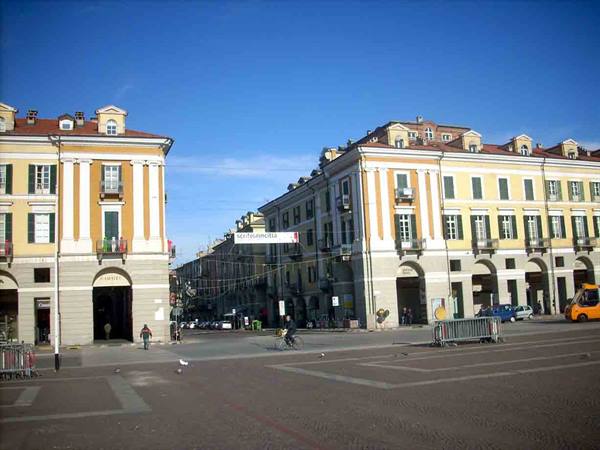
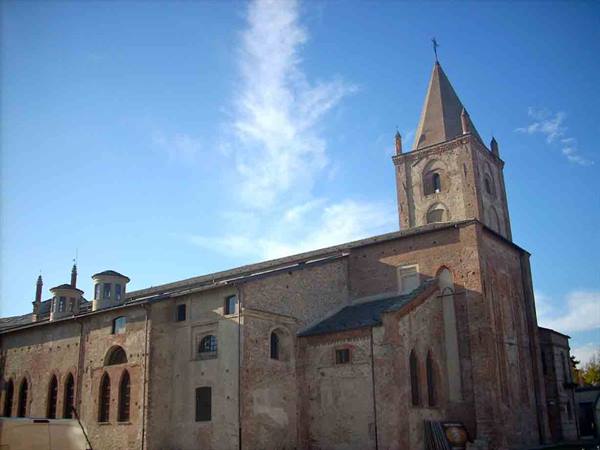
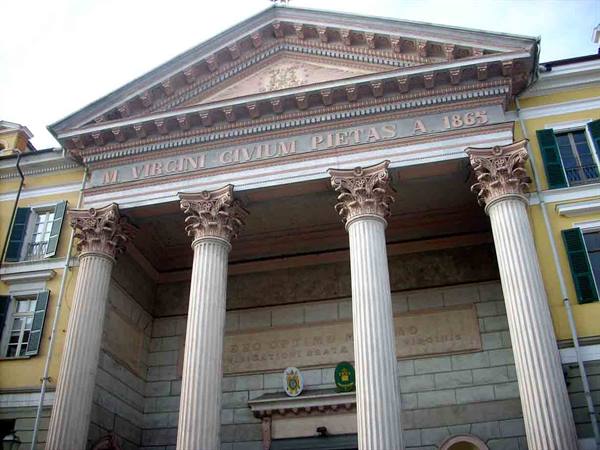
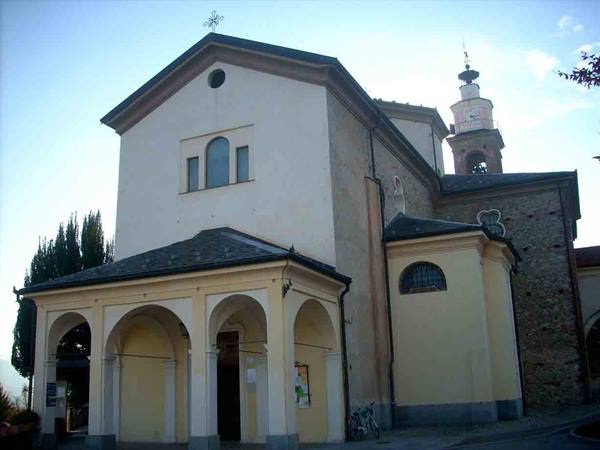
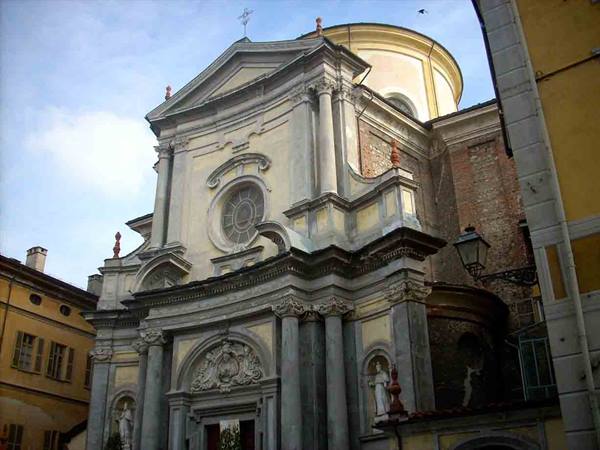
Talking with some true Cuneo locals whom we meet in the centre, we discover that in the 13th century there was probably also a Templar house in the town. During our walk we also admire several splendid religious buildings, including the monumental complex of San Francesco, born from a 13th-century Franciscan chapel and today housing the Museo Civico. In via Roma we visit the Cattedrale di Santa Maria del Bosco, and along the characteristic viale degli Angeli we also reach the Santuario della Madonna degli Angeli. On the way back, we take a stroll in the "Salotto di Cuneo", that is Piazza Galimberti, built after the demolition of the walls by Napoleon's troops. The square, named after the Resistance hero Tancredi Duccio Galimberti, in the 19th century was the place where numerous silk sellers offered their goods.
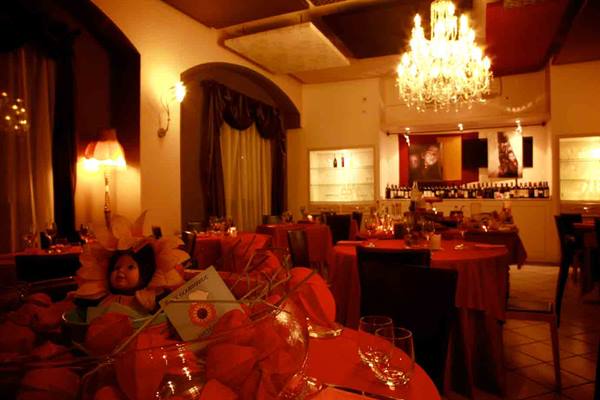
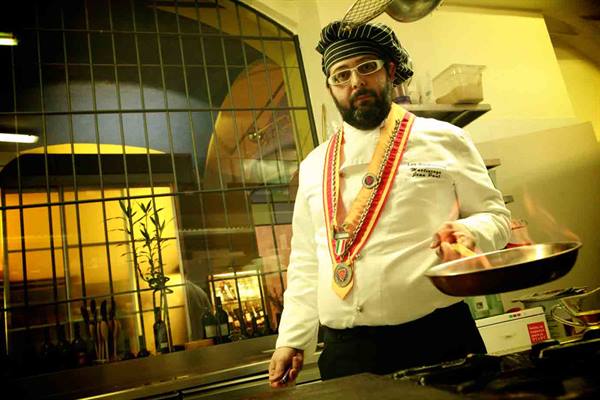
We stay nearby for dinner too, stopping at the Ristorante Les Gourmands, in via Statuto. Going in, we immediately notice the open kitchen, as well as the refined 1970s-style décor. Welcoming us into the warm-coloured setting is chef Jean Paul Martinengo, known not only for his sublime culinary creations, but also for his egocentric, exhibitionist, cheerful and deeply creative character. "We stand out in the Cuneo scene for our cuisine that combines tradition and innovation. We were the first in town to offer fusion, and this is also explained by my origins: my Spanish grandfather and my French grandmother had opened a hotel in Algeria. There my mother was born, and she married a true Piedmontese. I absorbed the love of cooking alongside my grandparents, together with a rainbow of tastes, typical of the various cultures that resurface and blend in my creations," Jean Paul tells us.
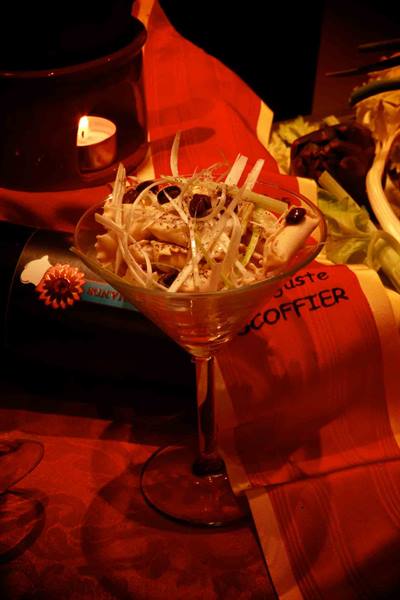
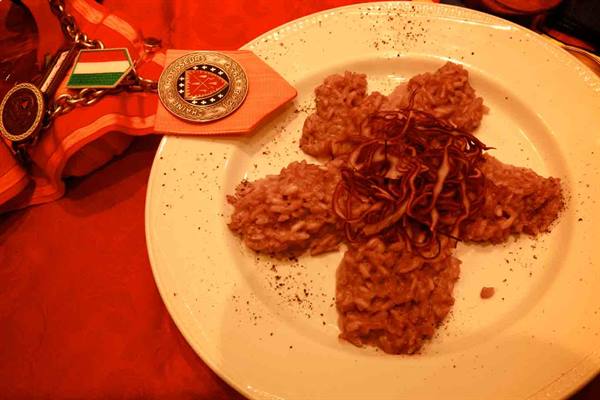
What exactly the union between local products and the fusion and creative philosophy means, we understand as soon as we taste the starters: the fassona tartare arrives, served on a potato tartlet with lavender flowers. To follow, the apple and onion pastry with cinnamon cherry tomatoes and the little fried salt cod with a chestnut salad. While our coeliac friends enjoy a special menu (the restaurant is certified for coeliac catering), we continue with the chestnut gnocchi with clam ragù, the tagliatella with 30 egg yolks with game and black truffle ragù and a lovely risotto with Castelmagno and Barbera. Some of our group opt for the fish tasting menu while we continue with the trout tajine from the Valle Stura and the beef fillet parcel with goat's cheese.
In savouring the cotechino on cabbage caramelised with honey with Raschera fondue, hazelnut and coffee, we discover we have made a culinary tour of the area: every ingredient comes from local producers. We certainly can't resist a plate of the prized snails of this area either, and we discover that Jean Paul is the founder of the Consorzio per la tutela della lumaca Borgarina. Finally, we gladly give in to the sweet temptations, including the torta di Vignolo with Moscato zabaione, the flambéed North African dates and the semifreddo with yogurt and local berries. After this lovely day we feel, as Totò said, like "men of the world", and even if we didn't do our military service in Cuneo, we'll certainly be happy to come back.
Francesca Bertha
FOR INFORMATION:
Ristorante Les Gourmands Via Statuto 3/E Cuneo Tel.: 0171/605664
The journey's photographs
14 photographs · click to open them full screen
0 reader comments