The story
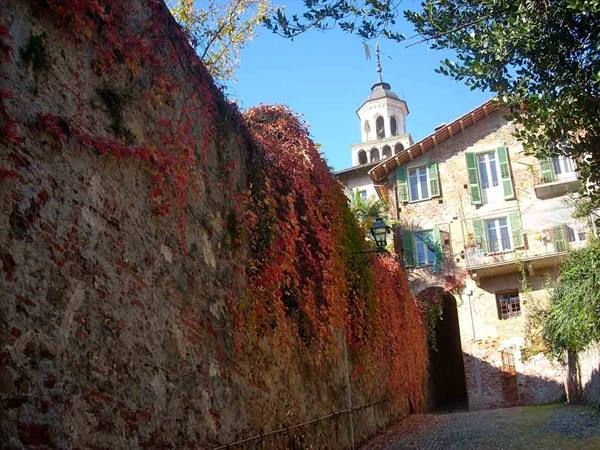
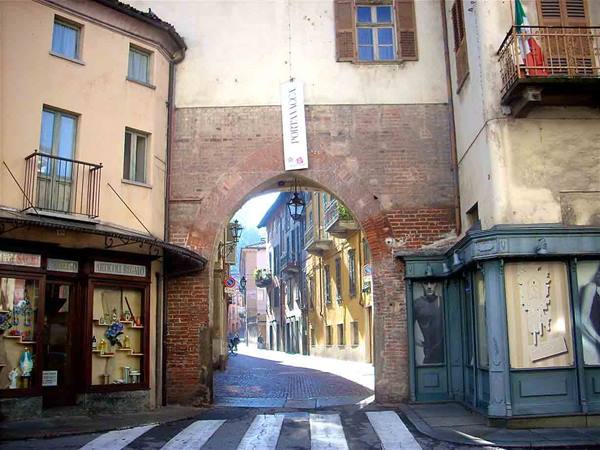
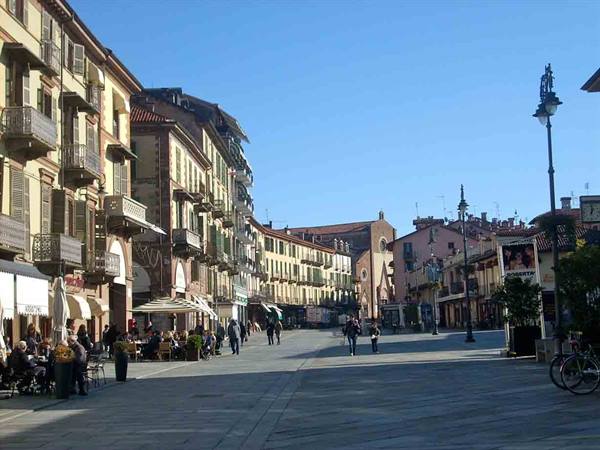
A European capital where the arts flourished, an important hub of trade, located at the foot of the Alps, rich in cultural traces of previous centuries: this is Saluzzo, the destination of our relaxing weekend. Even though today Salusse, as its inhabitants call it, is a municipality in the province of Cuneo, you only need to go back a few centuries in history to find it at the height of its prestige. The town was in fact the capital of the Marquisate of Saluzzo for four centuries, during which no fewer than fourteen marquises succeeded one another in its territory and, from the end of the 1100s, turned the former castrum into a flourishing centre. This journey back in time to Saluzzo is easily made: walking the streets inside the circuit of the ancient walls, every step lets you admire a different glimpse of the evocative medieval Piedmontese architecture.
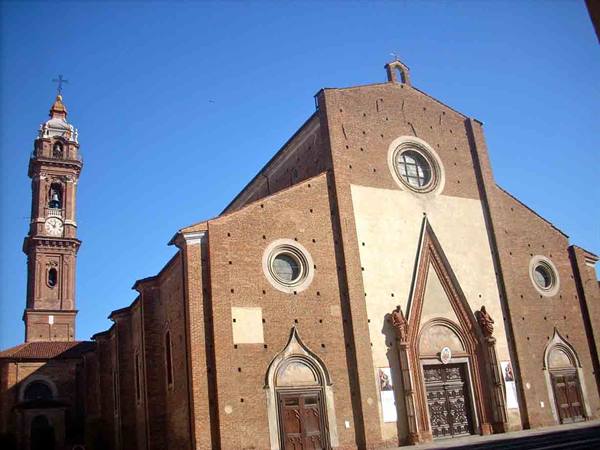
We discover that the creation of the first Alpine tunnel, the Buco di Viso, dug using iron, fire, boiling water and vinegar between 1479 and 1480, even dates back to the most glorious years of the Marquisate. The tunnel, commissioned by Marquis Ludovico II, connects Italy with the Dauphiné, that is the historic French region across the border. Every year more than twenty thousand sacks of salt passed through the gallery, as well as fabrics, brocades and horses imported from France, in exchange for wine, rice, hemp and walnut oil coming from the Marquisate. Our "urban trekking" at the foot of Monviso starts from the Duomo, built just beyond Ponte Santa Maria, between 1491 and 1501. The religious building, a splendid example of late Gothic sacred architecture, was a bishop's seat until 1511.
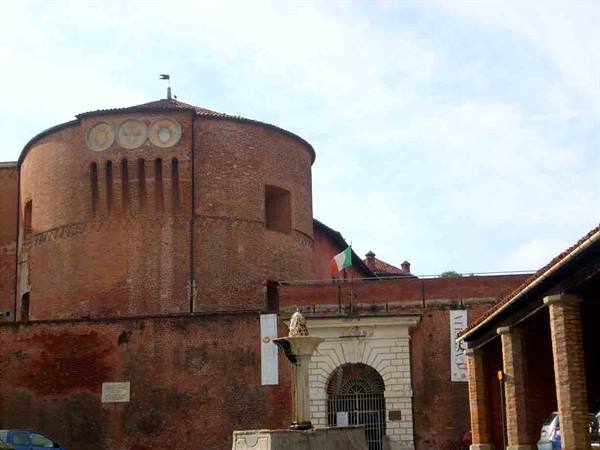
Passing beyond the walls, we reach the Castiglia, an imposing fortress built from 1271 to replace the old Castel Soprano. Enlarged over the centuries, the castle was equipped with four towers, bastions, a drawbridge and a moat, and was the noble residence of the marquises. It was with the decline of the marquis dynasty that the Castiglia first became the seat of the military garrison, then a hospital for the sick and finally a feared prison. Like many castles, this one too went through a period of abandonment until 1825, during which it inspired legends about ghosts and poetic thoughts on the part of artists, but today it hosts cultural events and is part of the Castelli Aperti circuit.
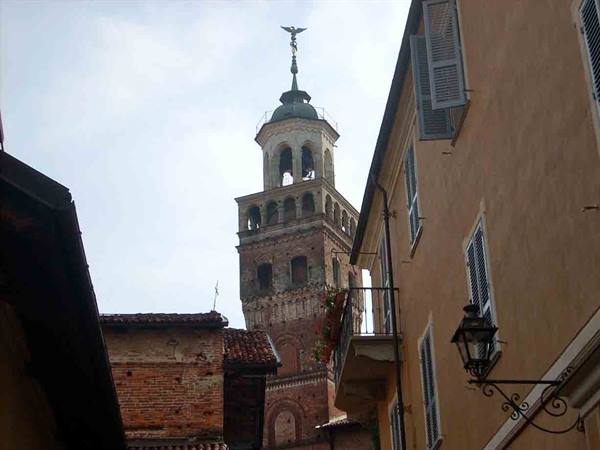
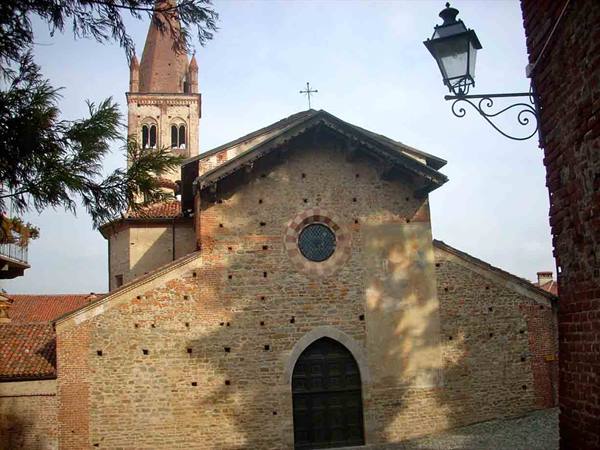
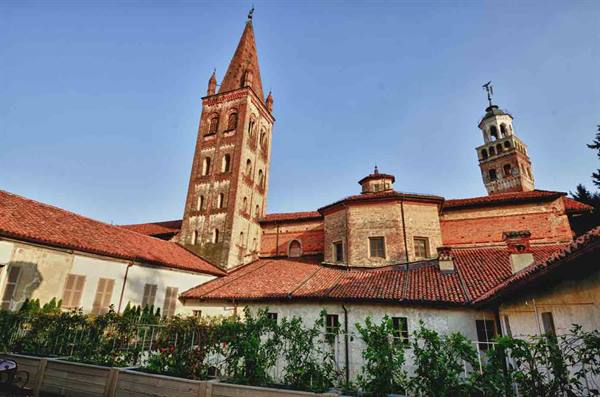
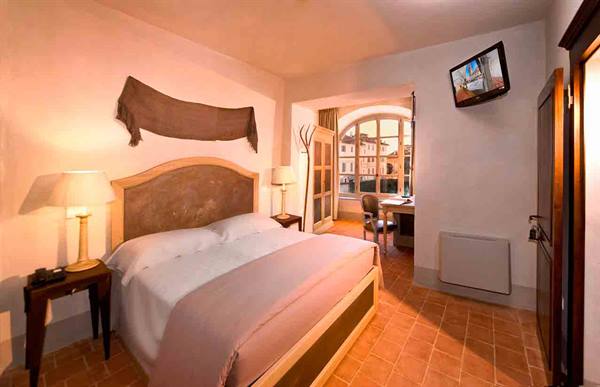
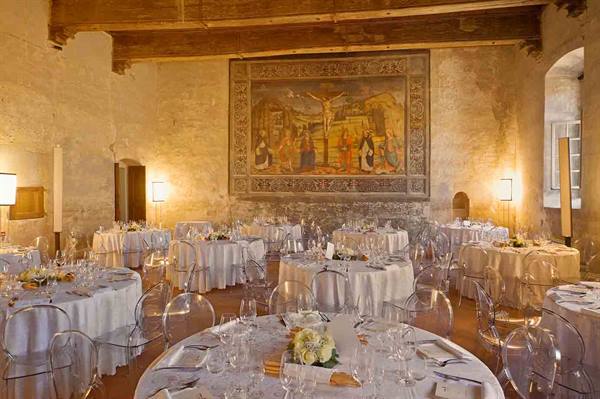
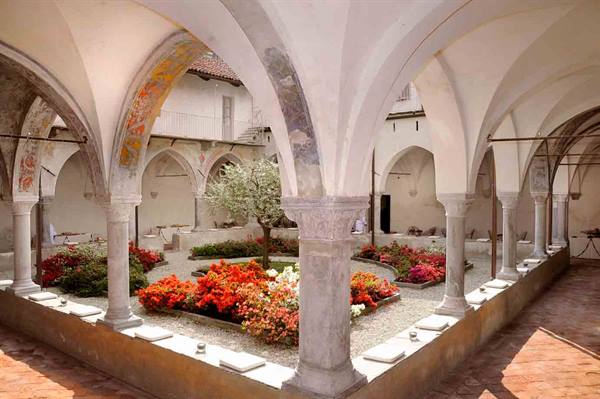
Near the fortress we admire the 15th-century civic tower, a full 48 metres high, arriving thus at the splendid Gothic church of San Giovanni, which was the main church of the town until 1501 and was the seat of the Dominicans in the 1300s. We stay in the charm of 14th-century religious art throughout our weekend, staying at the Hotel Resort San Giovanni, whose 13 very elegant rooms are actually created inside the Convento di San Giovanni. We sleep in the places where the friars' cells once were, and free our minds strolling in the beautiful cloister overlooked by the 14th-century square-based bell tower. "During the renovation, which took place in 2008, we preserved the original structure, which today also hosts weddings, banquets and attracts many people from abroad, also thanks to the genuine cuisine, based on the seasonal products we offer.
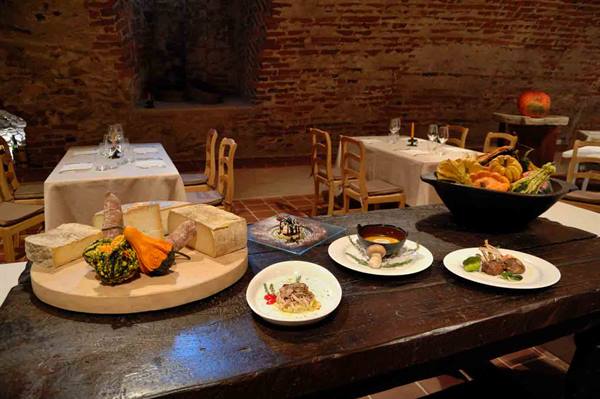
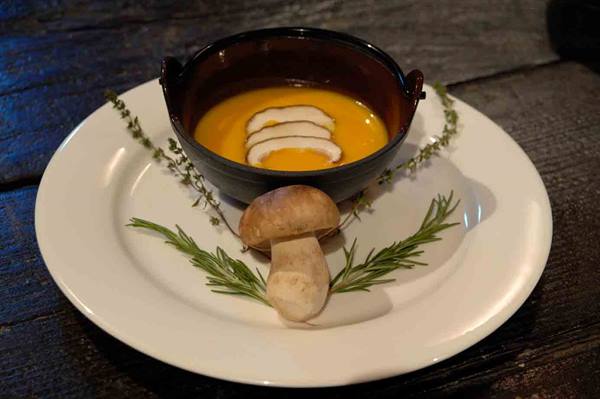
There's also the convenience of the large car park nearby," the owner, Mr Piero Boaglio, explains, who runs the Hotel Ristorante together with his wife Vilma Rolfo with the help of the assistant Irene, who welcomes guests at reception speaking four languages. We start discovering the flavours of the area by tasting a rich Piedmontese starter: the fassona tartare, the traditionally cooked vitello tonnato, the creamed salt cod and the duck terrines. We also taste the mountain potato crêpes with seirass, the typical Piedmontese ricotta, as well as the vegetable tartrà with fondue and bagna cauda. We continue with excellent homemade pasta, including the gnocchi dressed with tomino di Melle, the classic handmade agnolotto and the risotti with mushrooms, cheeses, meats and vegetables, a real strong point of the house. Some of us choose the tripe minestrone and the onion soup.
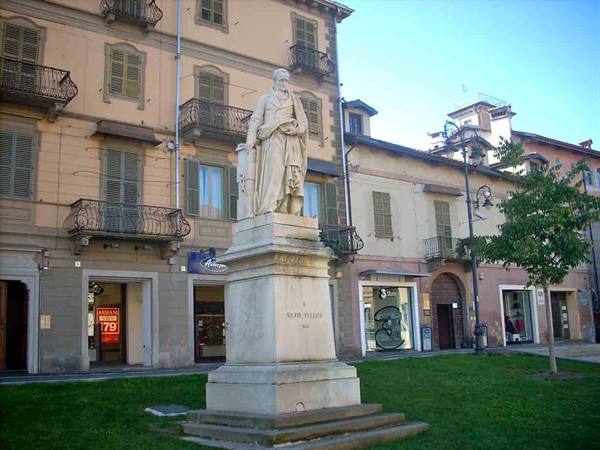
We wash down these good things with excellent Piedmontese wines, selected from more than 130 labels available. We continue with game accompanied by rustic polenta, tagliate and fassone braises, but we also taste the suckling pig fillet with juniper and honey, the guinea fowl breasts with the typical finanziera and the braised veal musetto. Finally we treat ourselves to the delicious homemade desserts, including the Moscato zabaione, the coppa del Convento, that is ice cream with sautéed blueberries, the Renetta apple puff pastries with custard ice cream, the bunet and the chocolate tart. To put it as the famous Saluzzo poet and patriot Silvio Pellico did, after this lovely weekend we hope to return here soon, among the "mountains and valleys and fertile plains and castles".
Francesca Bertha
FOR INFORMATION:
Hotel Resort San Giovanni Via San Giovanni, 9/A Saluzzo (CN) Tel.: 0175/45420
The journey's photographs
14 photographs · click to open them full screen
0 reader comments