The story
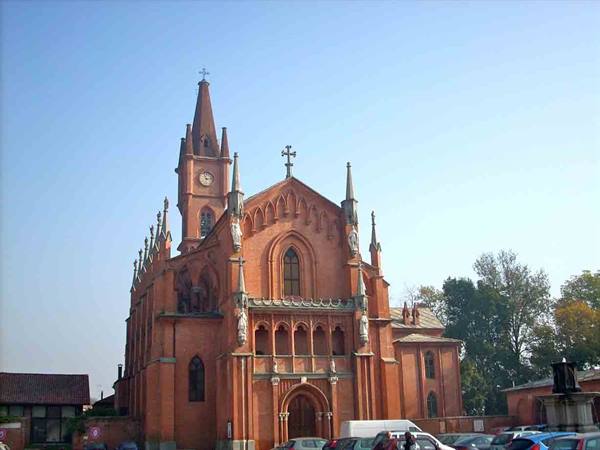
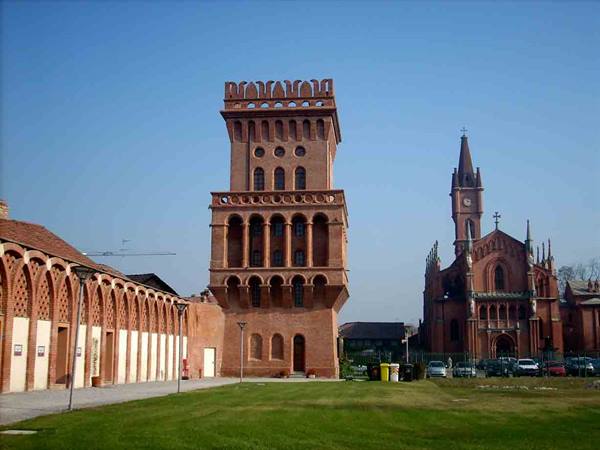
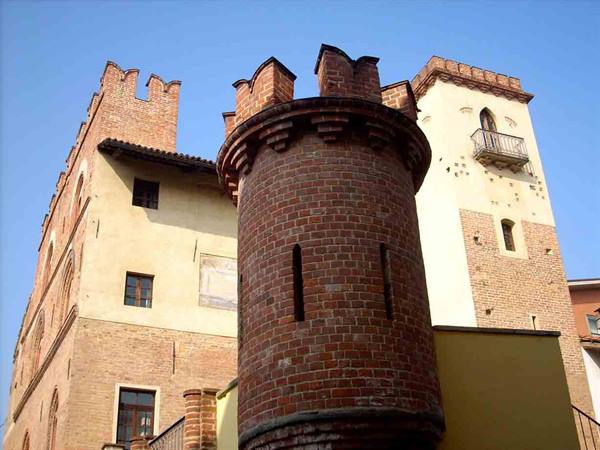
We drive along a highly panoramic road that, bend after bend, skirts endless vineyards whose autumn reflections paint the Langhe gold: so we arrive in the heart of Piedmontese Baroque, splendidly represented by the palaces and churches of Bra. The first "travellers" to leave their traces in this area were tribes of the Neolithic era, but it was then the ancient Romans who found the Tanaro valley so irresistible that they built there, in the 2nd century BC, the city of Pollentia, today's hamlet of Pollenzo. We begin our discovery of this lovely town right from Pollenzo Castle, built in 1386. Today the structure is part of the UNESCO World Heritage, and it houses the University of Gastronomic Sciences, born from an idea of Carlo Petrini, founder of Slow Food.
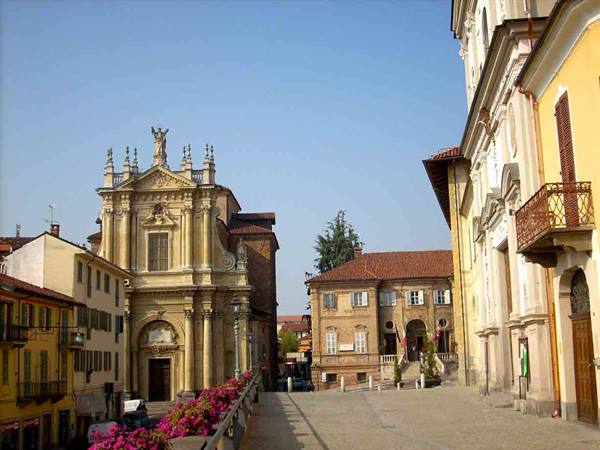
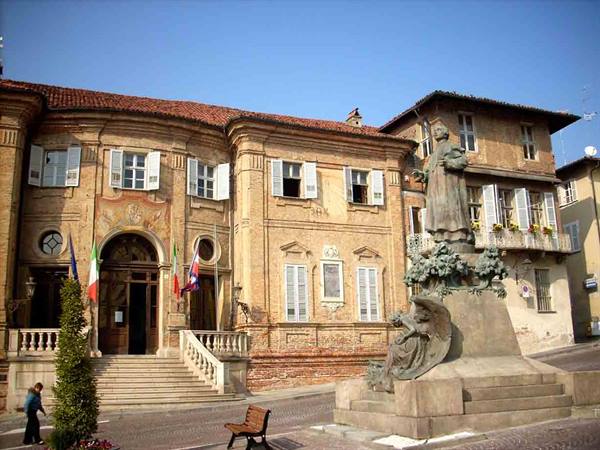
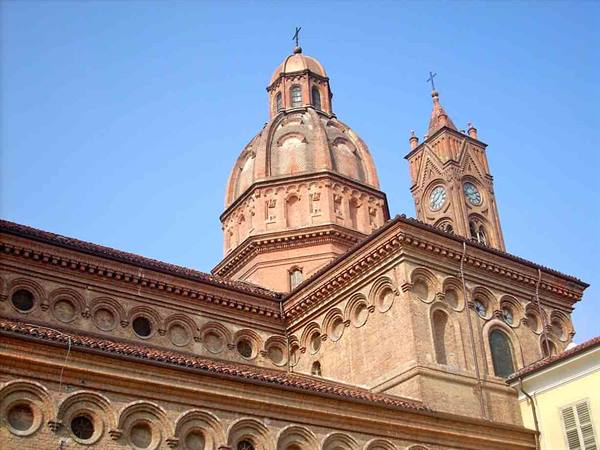
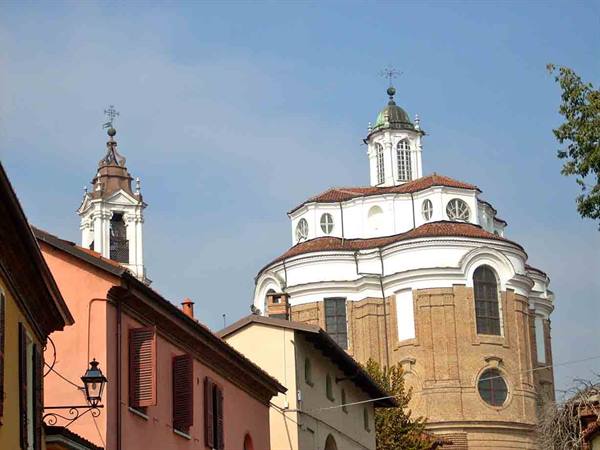
Wandering through the historic centre of Bra, a city since 1760, evocative views full of art open up almost everywhere, and step by step we enter one of the most flourishing periods of Bra's art, the 18th century. It was indeed in those years that the city was enriched with the architectural works of Bernardo Antonio Vittone, who created both the Church of Santa Chiara and the rounded facade of the Town Hall. In Piazza dei Caduti per la Libertà stands the statue of San Giuseppe Benedetto Cottolengo, a priest born in Bra in 1786, who founded the Piccola Casa della Divina Provvidenza, a charitable institute based in Turin. A short distance away we admire the parish Church of Sant'Andrea, designed by Bernini.
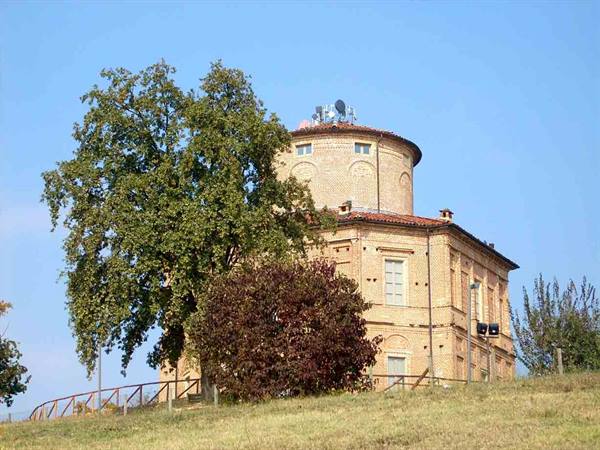
This district, called "della Rocca", is the oldest in the city, and in a few steps we reach other historical monuments such as Palazzo Traversa, today the seat of the Civic Museum of History, Art and Archaeology, or the portico of the Ala and the Church of the Battuti Bianchi. We walk along several characteristic little streets of the centre until we reach the Church of San Giovanni Battista, the oldest parish church in Bra. As we stroll we notice on Monteguglielmo the symbol of Bra: the Zizzola, with its octagonal plan and topped by a little tower, erected in 1840. The Zizzola is reached on foot with a healthy walk that repays the effort also thanks to the wide view over the city. Back down, we visit another beautiful sacred place, the Sanctuary of the Madonna dei Fiori, erected in 1626 on the site of the apparition of the Madonna that occurred in 1336.
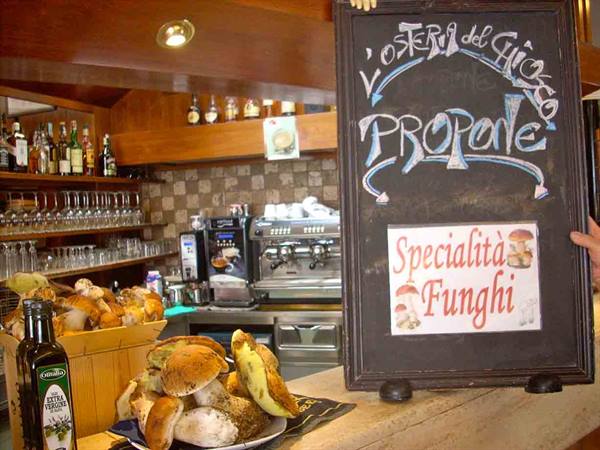
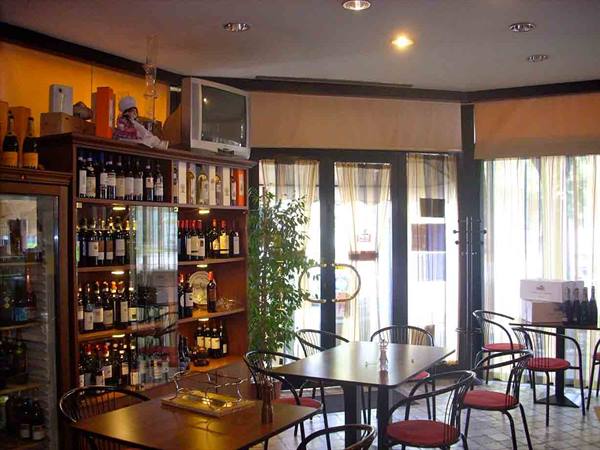
Among the irresistible attractions of Bra its cuisine also stands out, so we decide to give in to the pleasures of the palate by settling at the tables of the Osteria del Chiosco, in piazza Roma. Attached to the restaurant's dining room are the ice-cream parlour and the bar, and in fine weather you can also sit outside, in the large garden. "This place began as an ice-cream parlour, and it was my son Mattia, a chef, who wanted to create the osteria, which by now is a reference point in the city for those who love typical cuisine, meat dishes and mushrooms," Mr Bruno Scavino, a sommelier who runs the restaurant together with his wife Maria Farinetti, who prepares breakfasts and helps in the kitchen, tells us, along with his chef son and his brother Paolo, who looks after the bar.
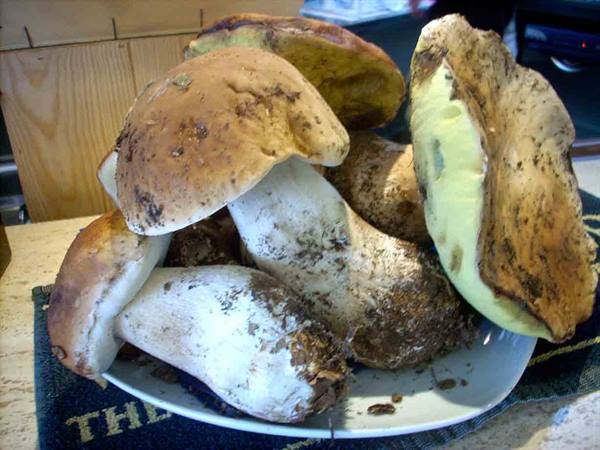
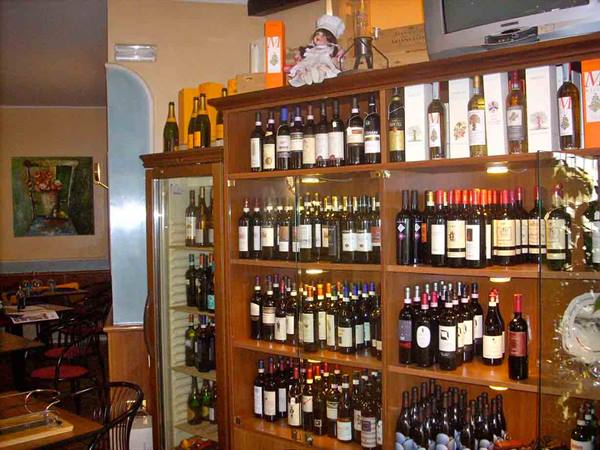
We are in the middle of mushroom season, and here, to welcome us, is a fine plate piled with splendid porcini displayed on the counter. We begin with the vitello tonnato and the exquisite hand-cut fassone beef tartare, and we also taste the langarola salad and the cotechino with fondue. After this rich Piedmontese appetiser, we continue with the typical tajarin with Bra sausage ragù, the agnolotti al plin with sage, and several first courses based on porcini mushrooms. In choosing the wines, Mr Bruno, a great expert in the matter, advises us. Among the hundreds of selected labels, we taste some excellent Dolcetto di Langa and Roero, some Barbera d'Asti and d'Alba, as well as a few glasses of Barolo, Barbaresco and Nebbiolo, and, at the end of the meal, some very good Piedmontese grappas.
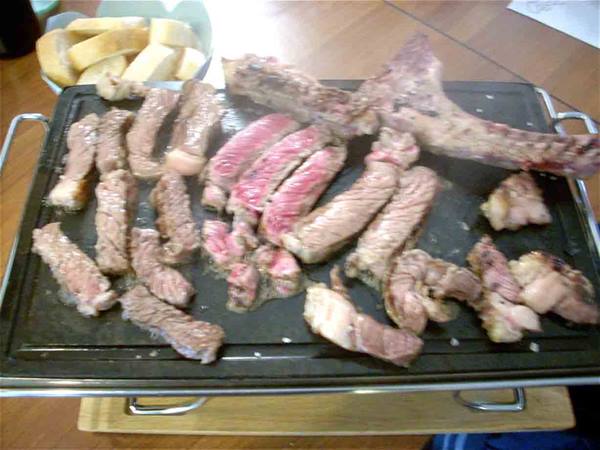
It is when the meats come on stage that the culinary show reaches its climax: cuts of zero-mile Piedmontese fassone are served on ollare stone slabs heated to 250 degrees, so their cooking finishes at the table, and it is we diners who can decide how far to cook the very tender rib steaks, the scamone and the pieces of Bra sausage. We also taste an abundant dish of fried mushrooms, and to finish in great sweetness we sample several house sorbets, in lemon, green apple and wild berry flavours, as well as the tasty semifreddi with nougat and chocolate cream, the bunet and the tiramisù. Some of us, however, cannot resist the temptation of the cream ice creams. After this beautiful day that enchanted us artistically and delighted our palate, we are sure to return soon, also to taste some truffle dishes and to take part in one of the themed Friday evenings.
Francesca Bertha
PER INFORMAZIONI: www. comune.bra.cn.it Osteria del Chiosco Piazza Roma, 35 Bra (CN) Tel.: 0172/412181
The journey's photographs
13 photographs · click to open them full screen
0 reader comments