The story
We decided to go to Sicily with only a month's notice, but I spent that month really studying and gathering information from anyone able to give me advice. We drove from Rome and, the journey being so long and notoriously uncomfortable, I absolutely wanted to make the most of our stay in Sicily. The stops we chose were the provinces of Syracuse, Ragusa, Caltagirone and Piazza Armerina: in short, almost all areas almost completely destroyed by the 1693 earthquake, “thanks” to which a spectacular reconstruction followed, lasting about a hundred years and giving rise to the famous Sicilian late Baroque. A reconstruction made possible also by the abundance of limestone in beautiful, warm colours, also very valuable, easily found throughout the Val di Noto and nearby, among them that of Comiso.
We slept in three different places, so as not to have to keep going back and forth, and the trip included cultural, archaeological and nature visits and swims in the sea, on sand and on rocks. In Syracuse we stayed at the Hotel Scala Greca, very cheap and decent, but far from the centre. In the countryside of Modica we took the Valata Minusa resort, a beautiful, well-kept masseria at least 150 years old, with prices at the low end of the local average, that is €40 each with breakfast. In Caltagirone, I can recommend the Stanze da Gualtiero, €60 for a double, with a balcony overlooking the central Baroque church of San Francesco.
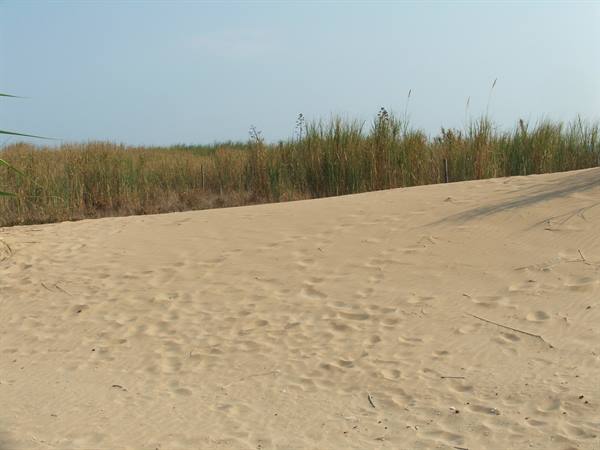
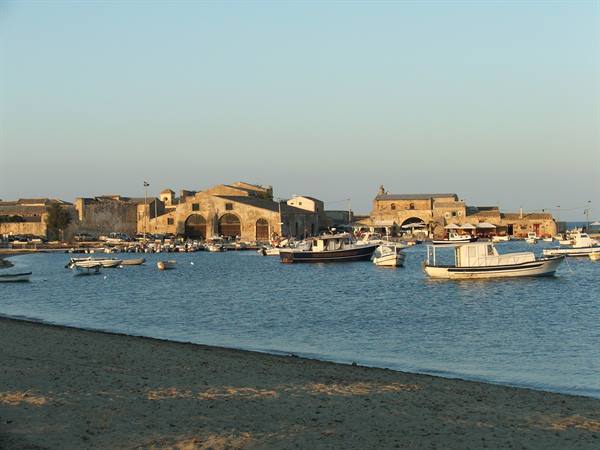
Beaches seen between Syracuse and the province of Ragusa: the Plemmirio reserve, rocky, beautiful sea and, on some days, full of fish, plastic shoes a must; Arenella, but be careful not to leave valuables in the car, because burglaries are rampant; the beaches of Marina di Noto and Eloro, beautiful sea, shallow water; the Vendicari reserve, Calamosche entrance, a bit disappointing and in general the entrances are poorly signposted; Portopalo di Capo Passero; Isola delle Correnti, actually an isthmus that quite visibly separates the Ionian from the Mediterranean; the dune beaches of Sampieri; Punta Secca, overlooked by Montalbano's house. One evening we also went to Marzamemi, a rather too touristy village, but distinctive because its former tuna factory has been preserved and filled with atmospheric little spots.
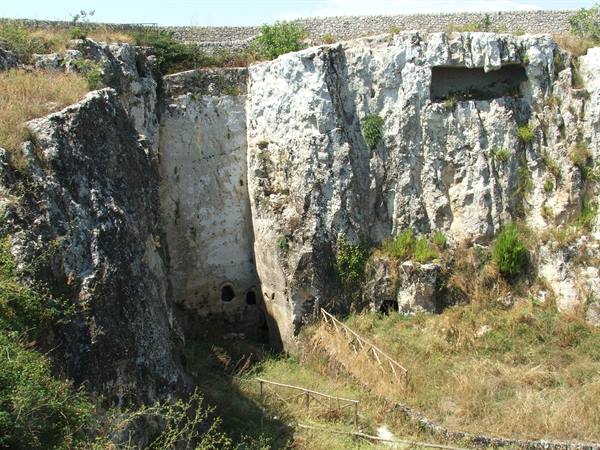
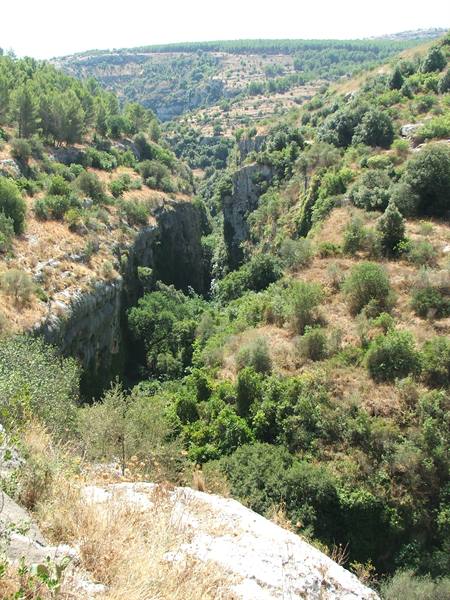
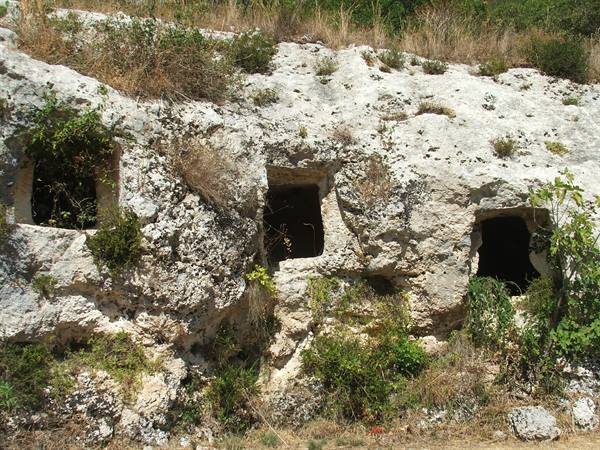
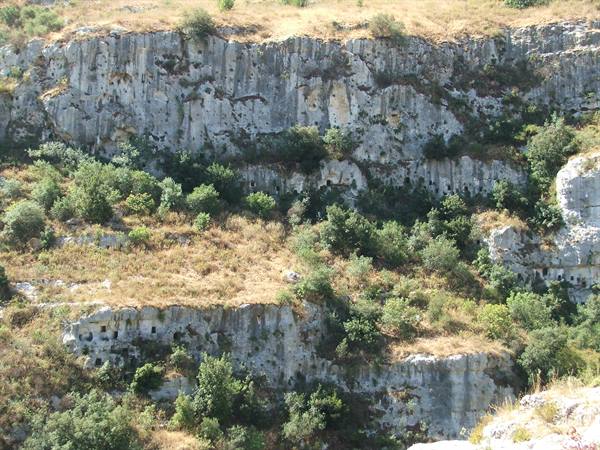
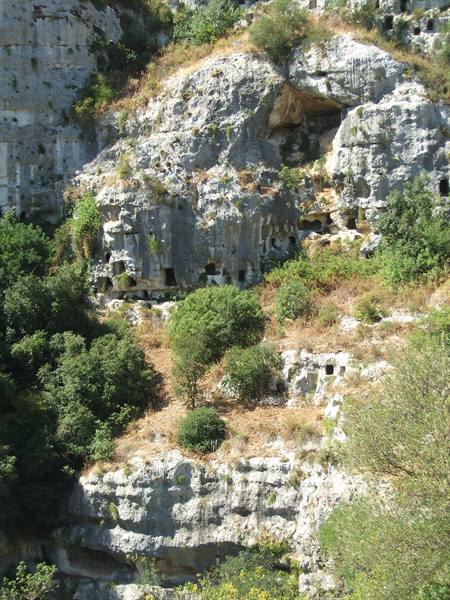
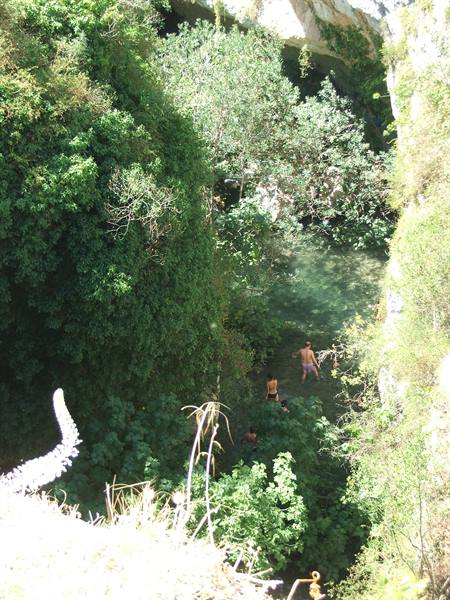
Overall, the sea was beautiful everywhere, but, with a few exceptions, it's all too built up. We had in mind 2 particular “nature” sites, the Cavagrande del Cassibile, between Syracuse and Noto, and the Necropolis of Pantalica, inland from Syracuse, a vast area between Ferla and Sortino, but we only managed to go to the second, since the first was closed due to a landslide. In practice these are 2 different places located far from each other, but in the same very long canyon, or Cava, as they call it there, carved out and crossed by rivers and streams, which occasionally create pools of cold, crystal-clear water, reachable along often steep paths through the woods. We only went to Pantalica, to whose wild and lush appearance are added more than 5000 pit tombs, carved into the rock along the vertical walls of the gorges, starting from 1000 BC, over an area of incredible and unique size...
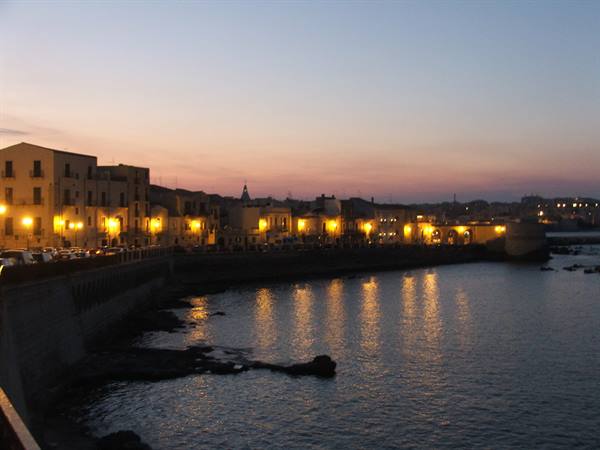
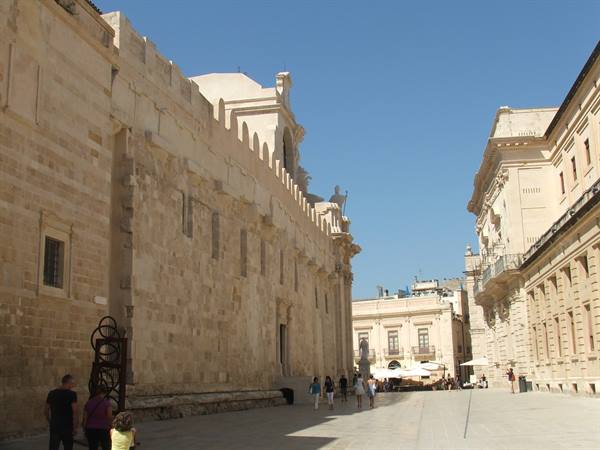
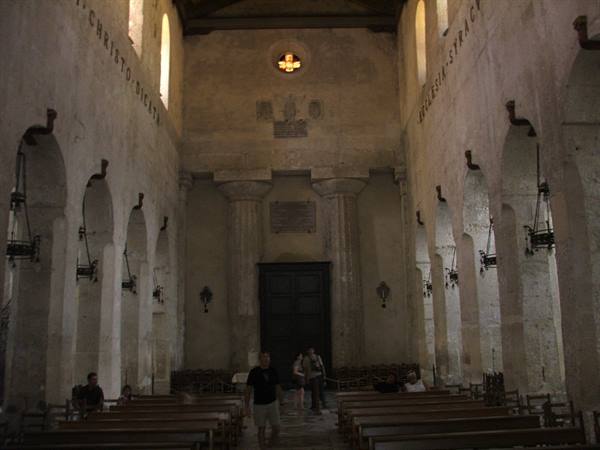
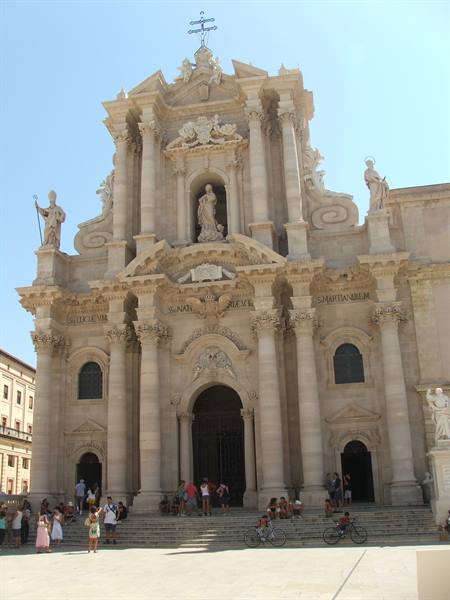
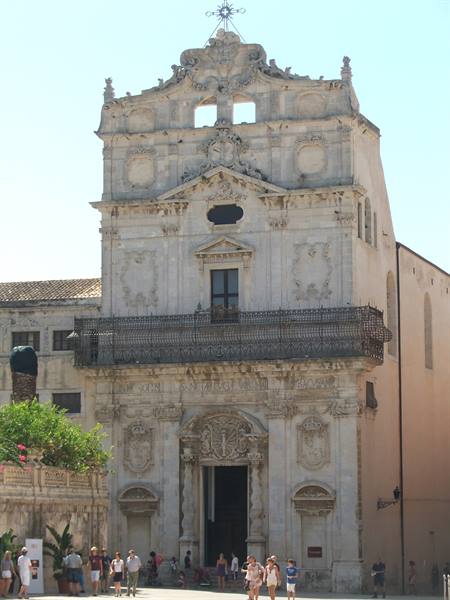
We were told that the Cavagrande del Cassibile is harder to reach but far more beautiful: I don't know, but I know that Pantalica is an incredible place: Rating 10. Syracuse is a very beautiful city, marked by the Greek part, or Neapolis, and by the very ancient island of Ortigia, linked to the rest of the city by 2 tiny bridges and with Greek buildings absorbed into Baroque ones and streets of medieval layout. In Ortigia it is lovely simply to stroll, but there are nevertheless many monuments: the Cathedral with the gigantic columns of a Greek temple, many palazzi, among which the Bellomo stands out, a little off the beaten track, with its picture gallery, various churches, a Caravaggio in the Basilica of S. Lucia al Sepolcro, the puppet museum, the bunker beneath the cathedral square, the mythical Fonte Aretusa, the remains of the Temple of Apollo and Castello Maniace.
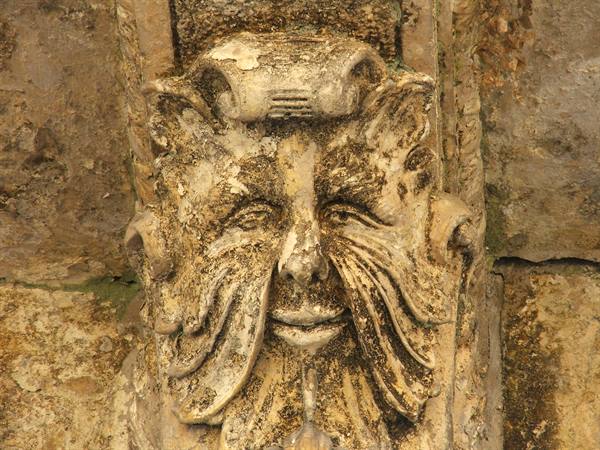
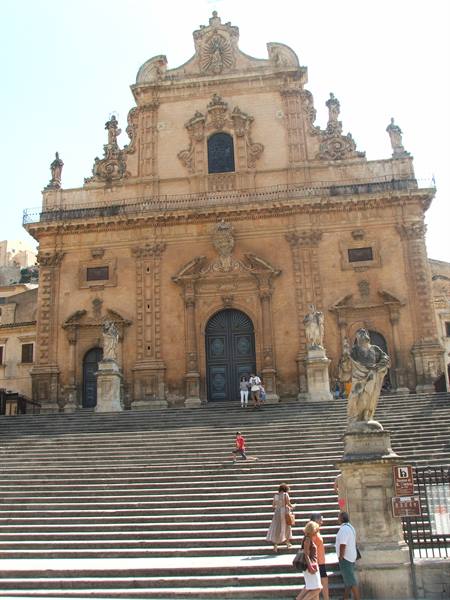
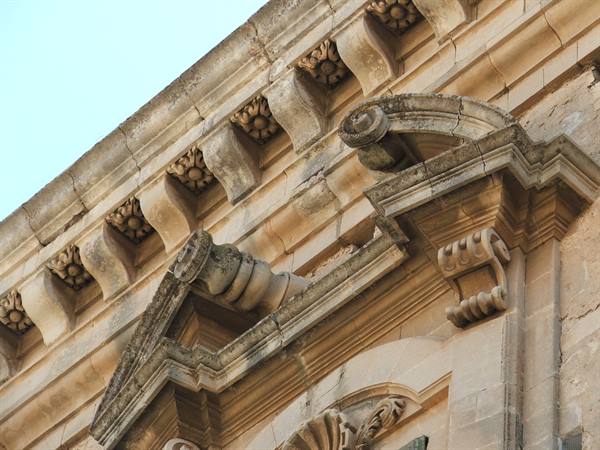
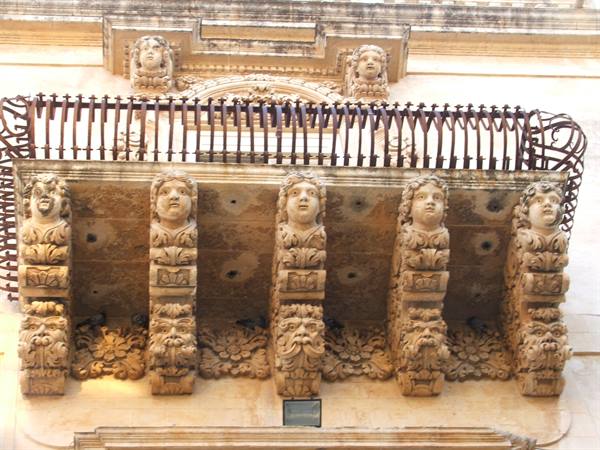
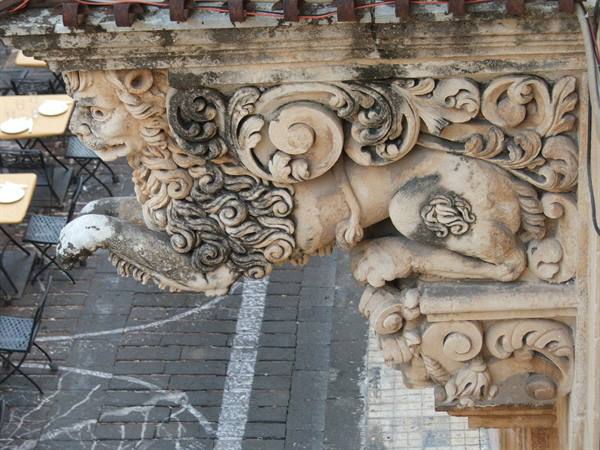
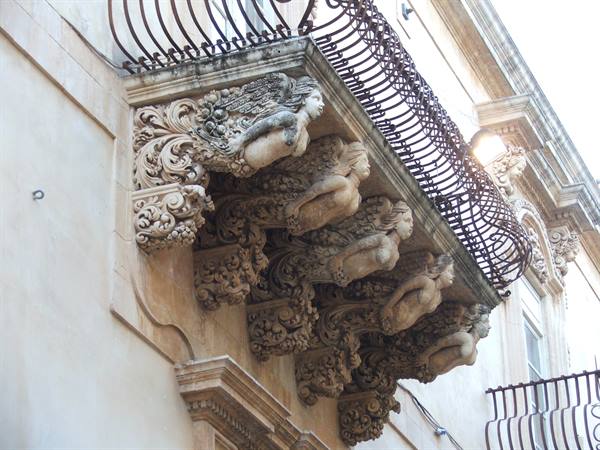
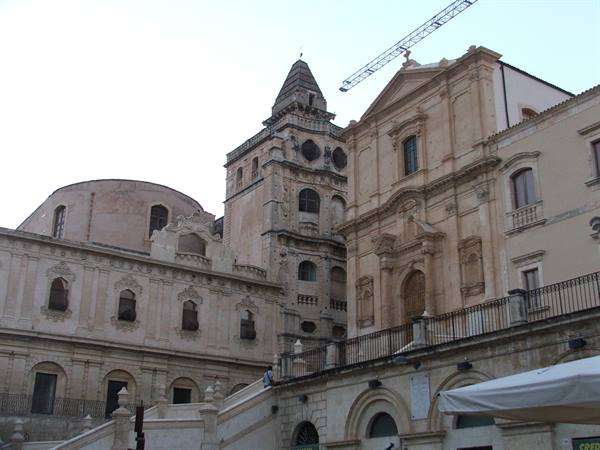
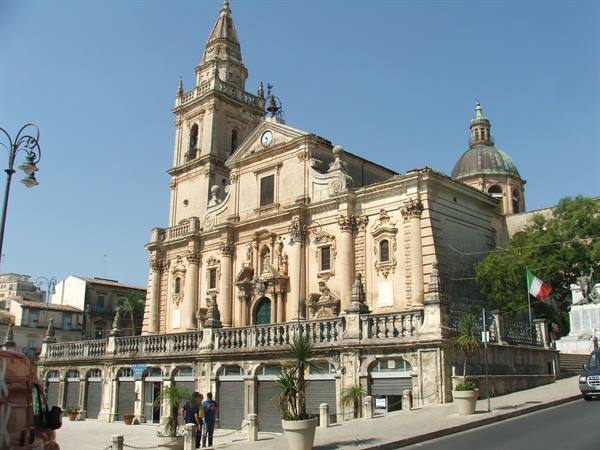
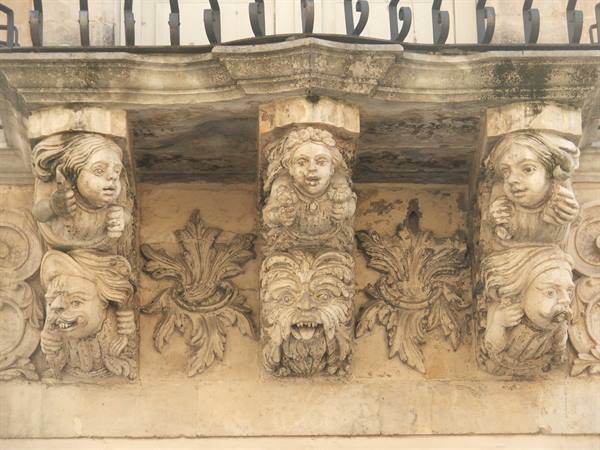
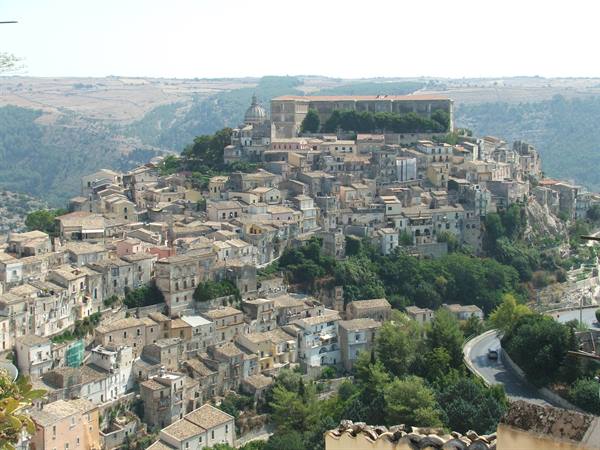
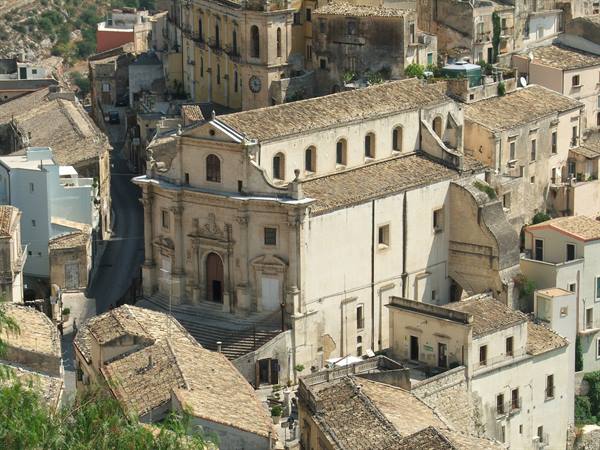
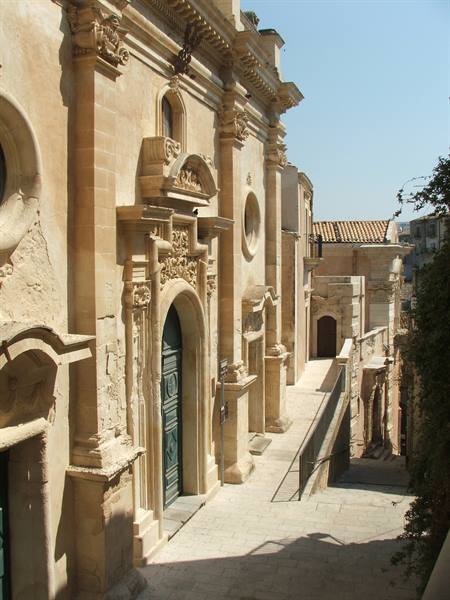
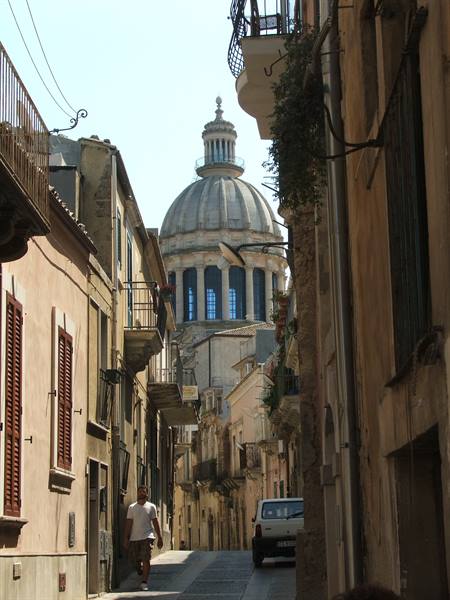
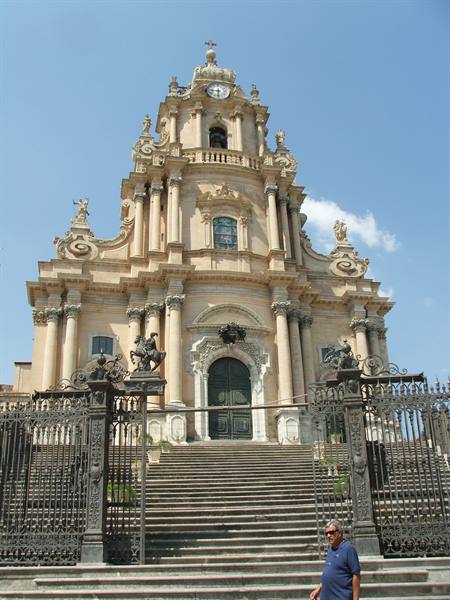
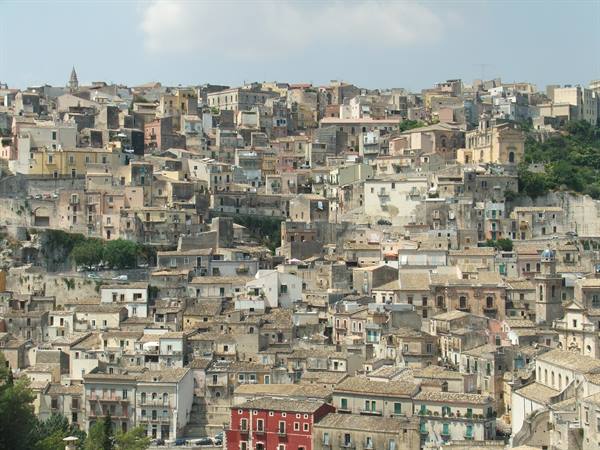
In the new city, apart from the Neapolis, we saw the Paolo Orsi Archaeological Museum and unfortunately skipped the papyrus museum and the catacombs of S. Giovanni: the extent of all the city's catacombs is said to be second only to those of Rome. Rating 10. Ragusa, a UNESCO heritage site, is a city without the magic of the sea, but equally beautiful and full of evocative, lovely views. A city with a soul. It is divided between Ragusa and, below, Ibla, its old part shaped like a drop. Here the Baroque triumphs, manifesting itself in splendid churches with high flights of steps, noble palazzi with splendid balconies resting on anthropomorphic sculptures, shaped like plants or animals, villas and gardens. We would see this again in all the villages of the Val di Noto, though in our opinion the atmospheres change. Ragusa and Ibla are full of it. Rating 10.
Modica, a UNESCO heritage site, although based on the same foundations and equally a nativity-scene town, we liked much less. Palazzolo Acreide, a UNESCO heritage site, has remarkable churches and balconies, has a very interesting Greek part outside the built-up area, the Akrai, but, despite this, we couldn't understand how it could have become a World Heritage site. Scicli, a UNESCO heritage site, we liked incredibly. It is a town made up of a completely flat part with the beautiful Via Francesco Mormino Penna, literally a drawing room, and other squares and churches on its sides, while all around is a crescendo of hills and upper parts, with palazzi, alleys and very many gigantic churches whose facades suddenly fill your horizon.
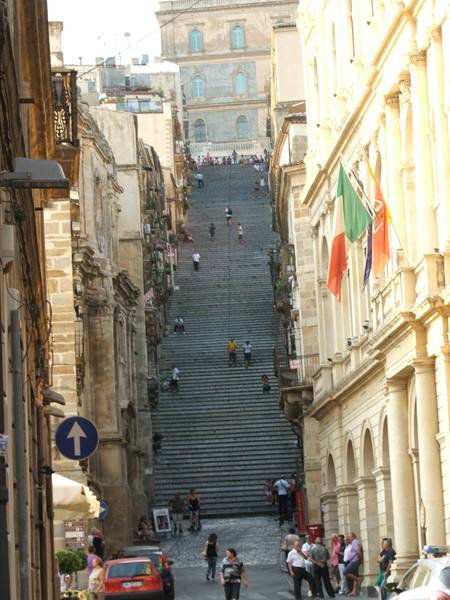
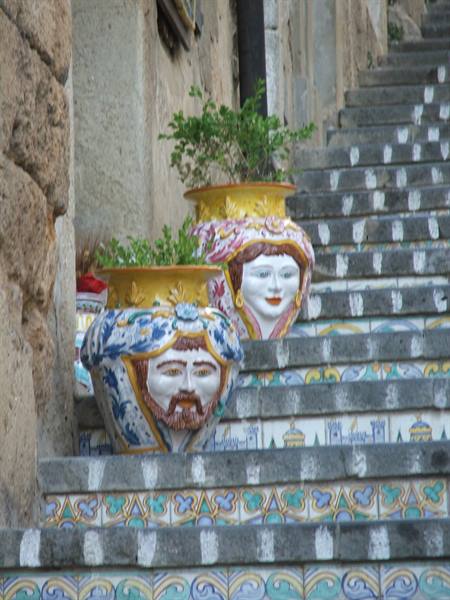
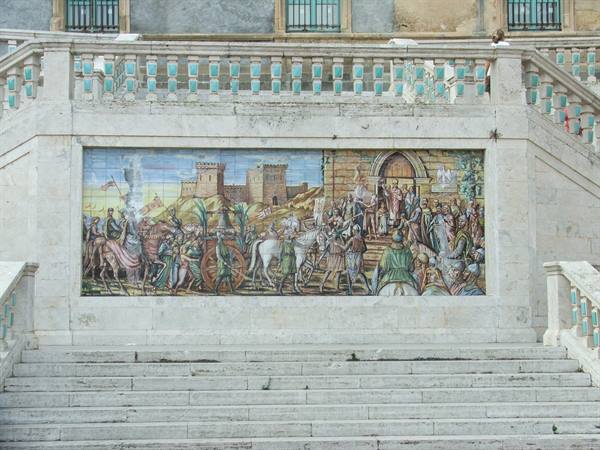
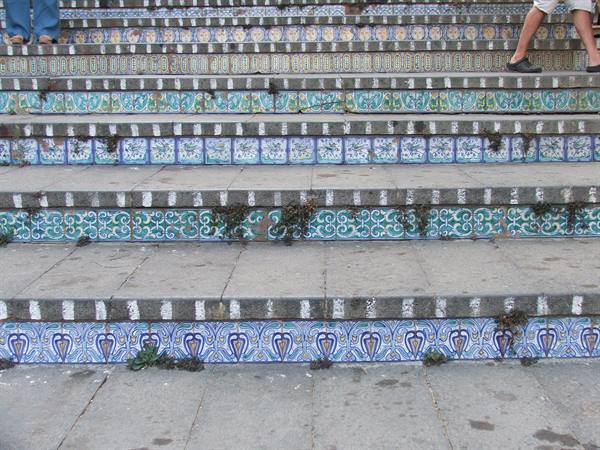
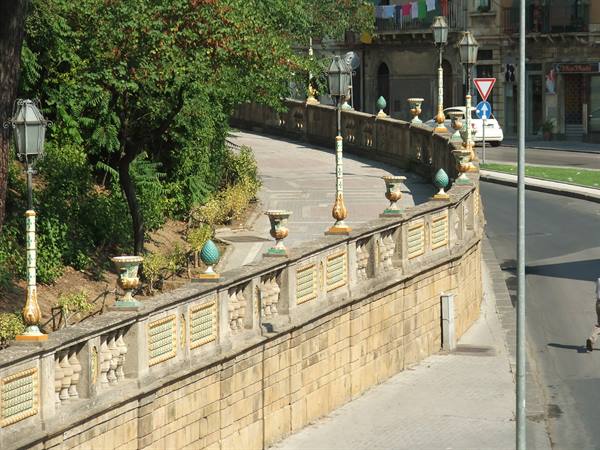
Above everything two hills stand out, in particular, with the remains of the Church of San Matteo on one and of a convent on the other, still powerfully surviving the famous 1693 earthquake. In the evening the atmosphere is definitely full of magic, because everything is lit in a skilful way. Until 11 pm, for very few euros, you can take guided tours of the Town Hall, where the scenes of Montalbano's police commissioner are filmed, Palazzo Spadaro, the Church of San Giovanni Evangelista, that of S. Teresa and the Costume Museum. Beautiful Scicli: rating 10 and praise. Caltagirone, a UNESCO heritage site, at first disappointed us for its dirtiness, is actually very beautiful and characterised above all by its ceramics, on the bridges, on the palazzi, in the town park, on the very tall staircase leading to S. Maria del Monte.
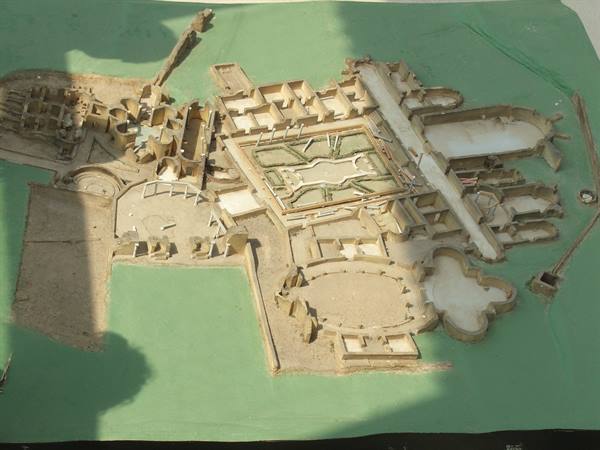
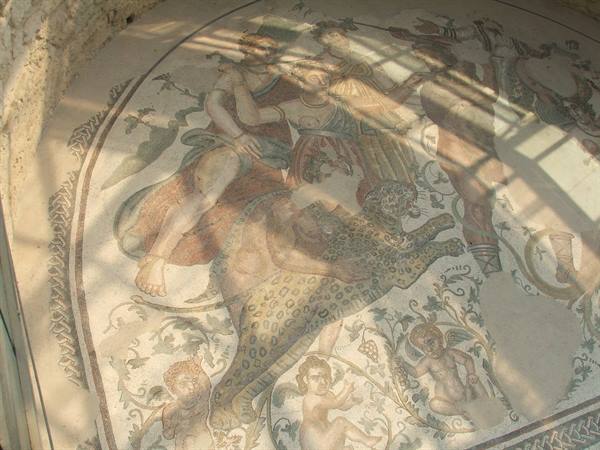
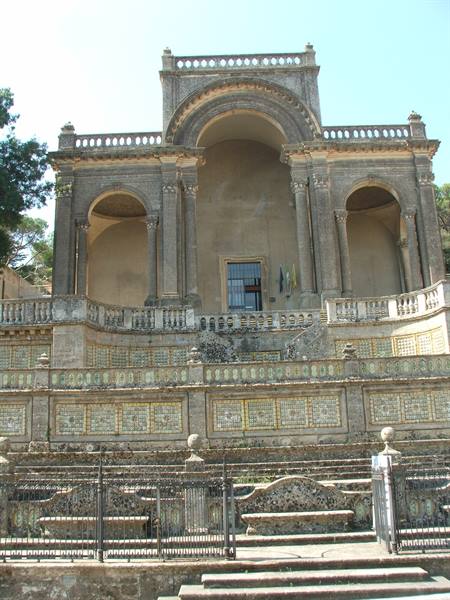
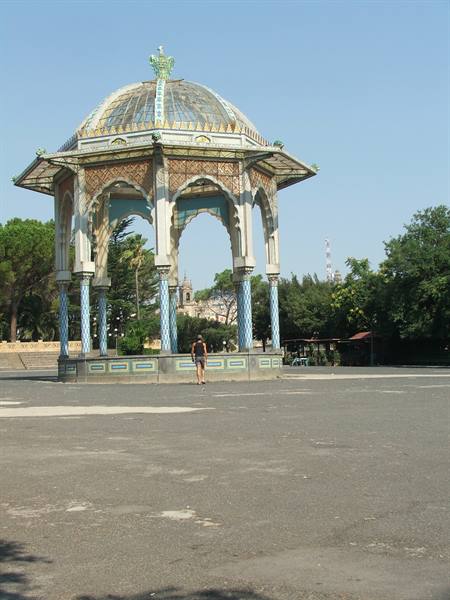
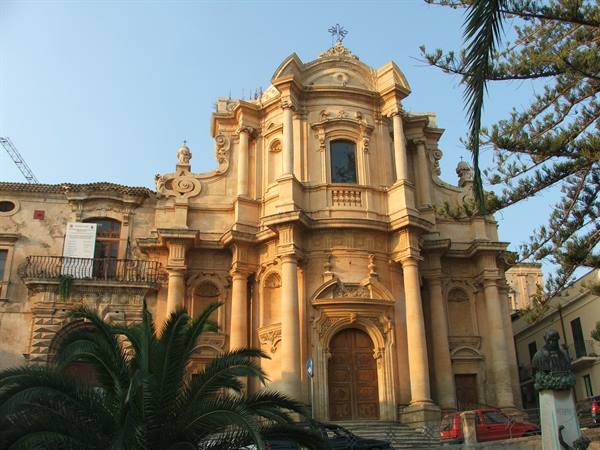
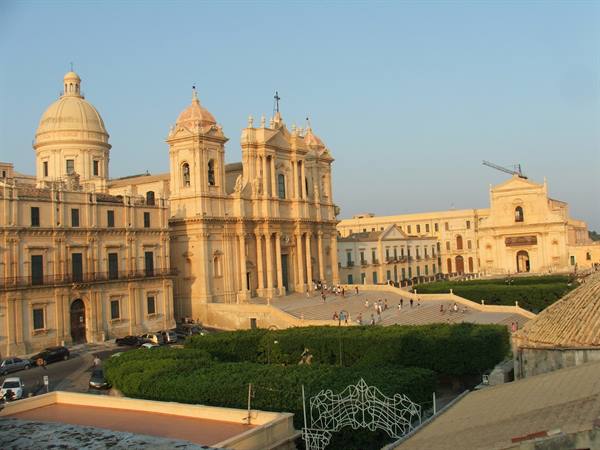
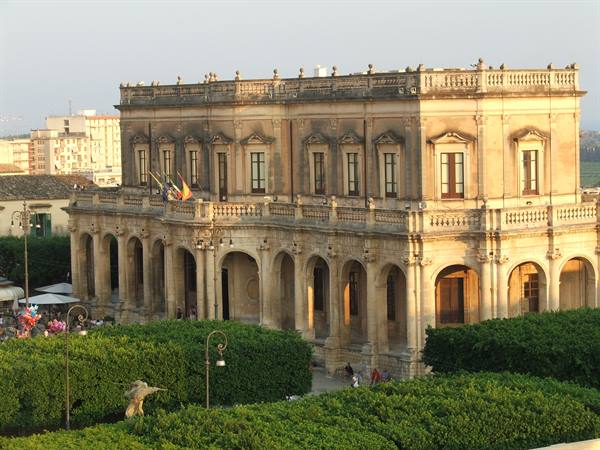
We visited churches, the Ceramics Museum, the Palazzo Capitanale and Senatorio, the town park with an incredible, gigantic Art Nouveau gazebo, the Convent of the Capuchins and Villa Patti. Caltagirone also gets a good pass. Noto, a UNESCO heritage site, is very beautiful, although a little too touristy. We visited Palazzo Ducezio, the Cathedral, the Church of Santa Chiara and that of S. Carlo with the belvedere offering a beautiful panorama, and Palazzo Nicolaci, but above all the balconies of this palazzo triumph. Those alone, for me, are already worth the trip. In Noto I should mention the somewhat hidden no-parking signs and the excellent Mandolfiore gelateria, for the fantastic granitas, not as well known to tourists as others. I'll finish by going back to our Latin origins, mentioning the Roman villas of Tellaro (near Noto) and of Casale, at Piazza Armerina.
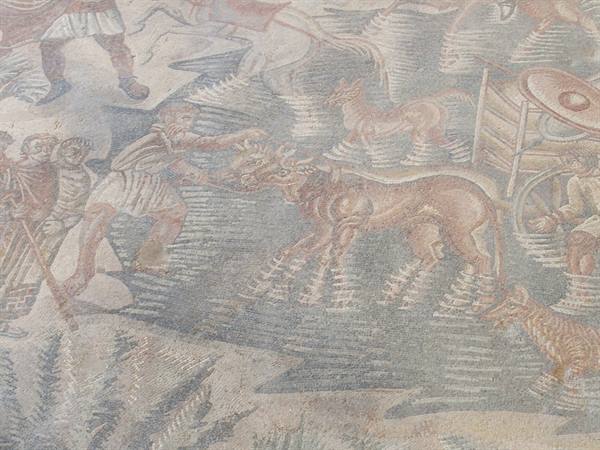
The second is very famous and a UNESCO heritage site, incredible for the extent of its mosaic surface and for the variety and skill of the depictions. The first is unknown, but in our opinion in a certain sense more special, for the “movement” in the depiction of a hunting scene, in particular, which flattens and makes almost static the wonders seen at Piazza Armerina. Both, in any case, incredible. And, as always, how wonderful Italy is!
The journey's photographs
58 photographs · click to open them full screen
0 reader comments