The story
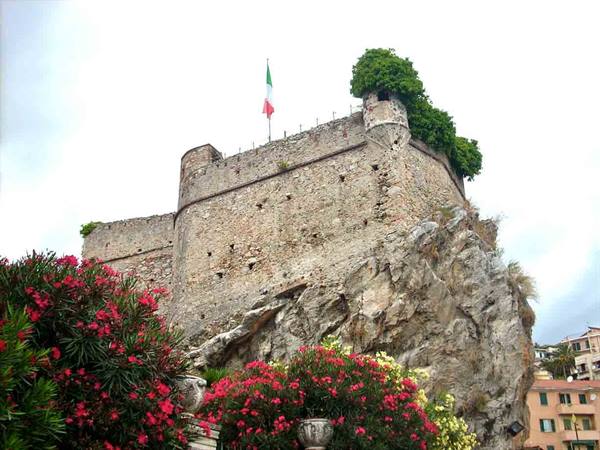
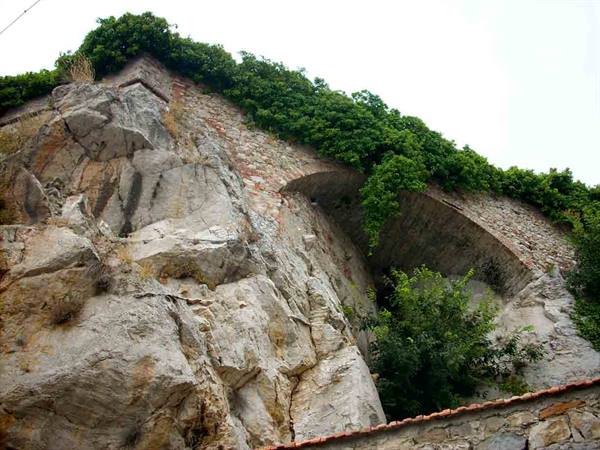
An imposing limestone rock rising from the mainland, a short distance from the sea. Someone, most likely a Roman commander, climbed up onto it and said: "A castle should be built here. A fortress. It's the perfect spot: you can see the sea, we can keep an eye on the ships, it's high but not too high, and you can see the surrounding hills very well too." And so it was: on that striking rock they built a fine fort, which they later enlarged during the period of the barbarian and Saracen invasions. The Romans' intuition proved spot on: the castrum was easy to defend, even though it nevertheless suffered destruction, and when it was rebuilt in the 12th century it became the residence and refuge of the bishops of Albenga.
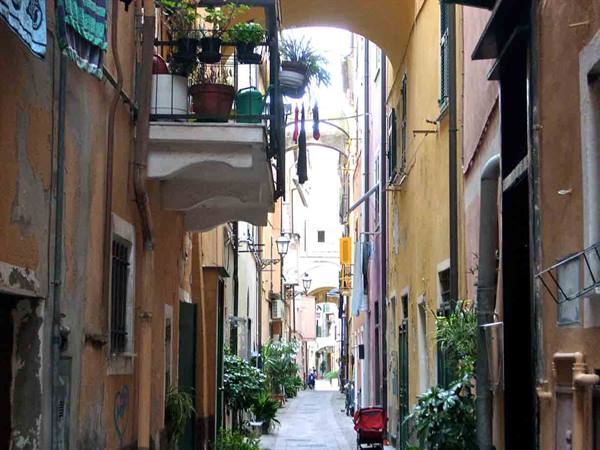
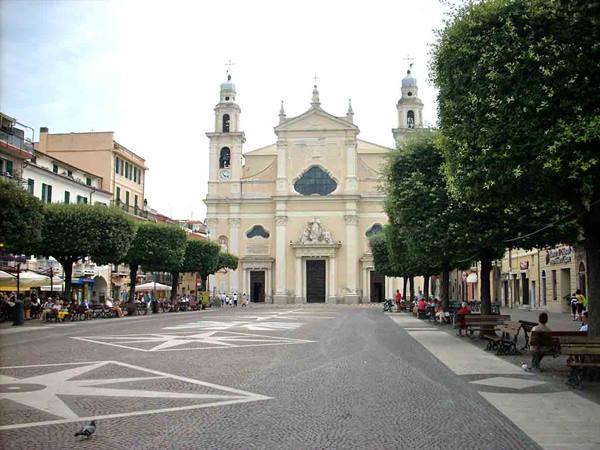
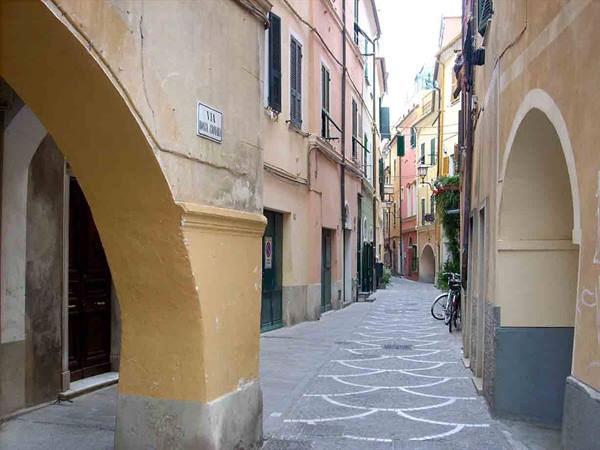
Our walk through the streets of La Pietra, as the town was once called, begins right at the famous castle, and continues in discovery of the brightly coloured Ligurian caruggi full of little shops that wind through the historic centre. We thus reach the town's splendid main square, where the Basilica of San Nicolò stands. And here a miracle is immediately revealed: according to popular legend, in 1525 Saint Nicholas of Bari freed the population of the village from the plague that was raging along the coast. And so the community made a vow, promising to build a splendid church in honour of the Saint. They wanted the church to be marvellous and to be erected in the most beautiful spot in town, and it was precisely this enthusiasm and perfectionism that pushed the work back decade after decade, in search of the perfect place.
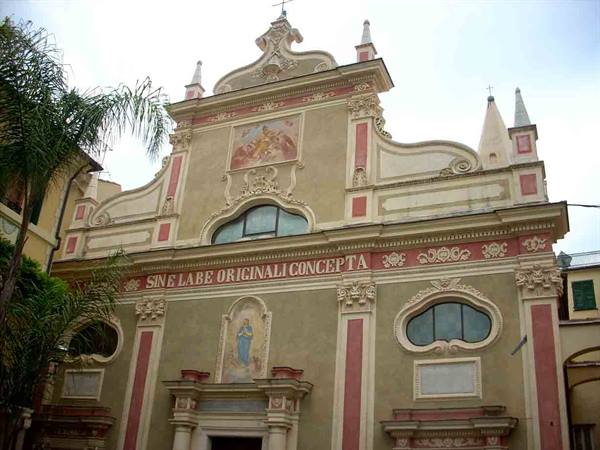
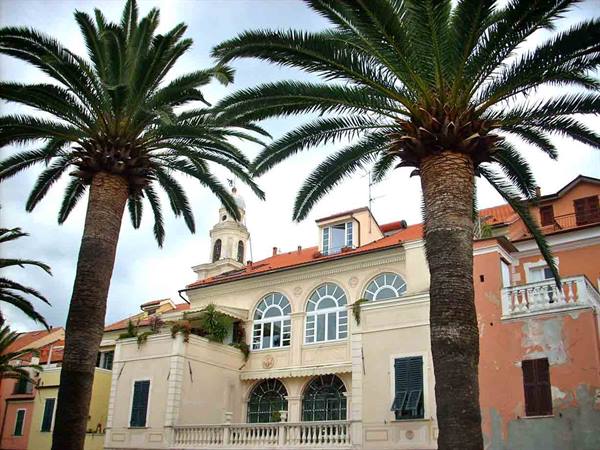
In the end they settled on the wide beach facing the village, and in 1750 work began. The church was consecrated in 1791, when it was not yet entirely complete and had only one bell tower. Today anyone coming to Pietra Ligure can admire both bell towers, as well as several precious works of art inside, including the wooden icon of San Nicolò, painted by the Genoese painter Giovanni Barbagelata. But the one performed by Saint Nicholas is not Pietra Ligure's only miracle: several others occurred, especially Marian ones, at a small chapel located near the Maremola marshes, on which a fresco of the Virgin and Child was painted. That fresco is now in the Sanctuary of Nostra Signora del Soccorso, built in the 16th century.
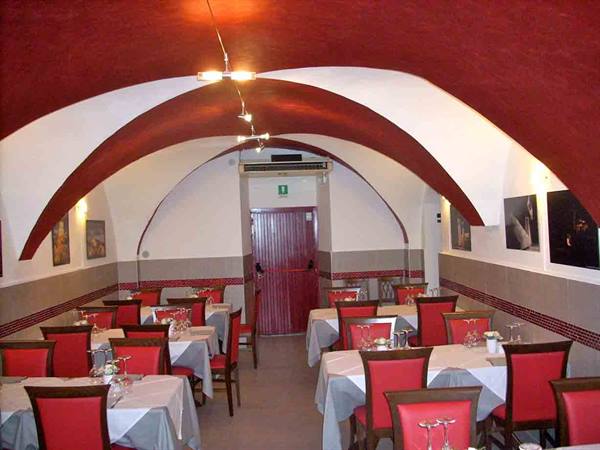
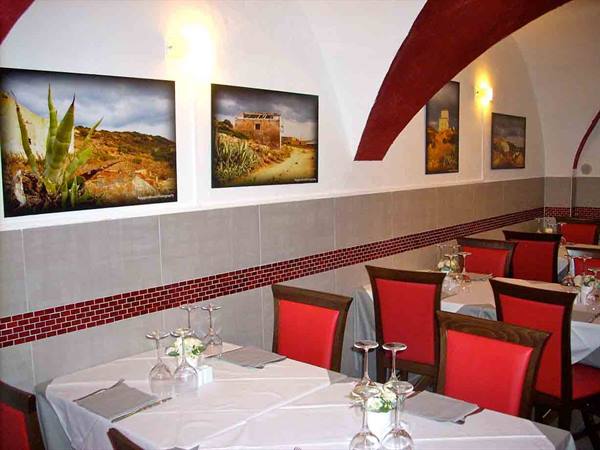
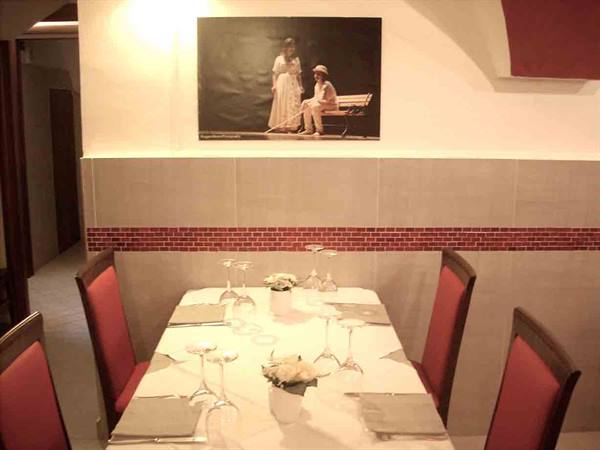
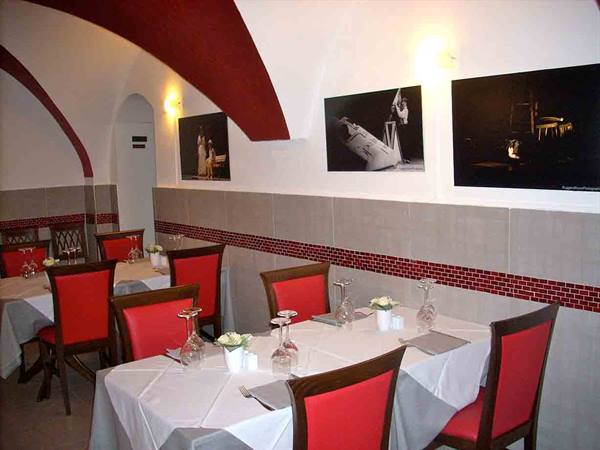
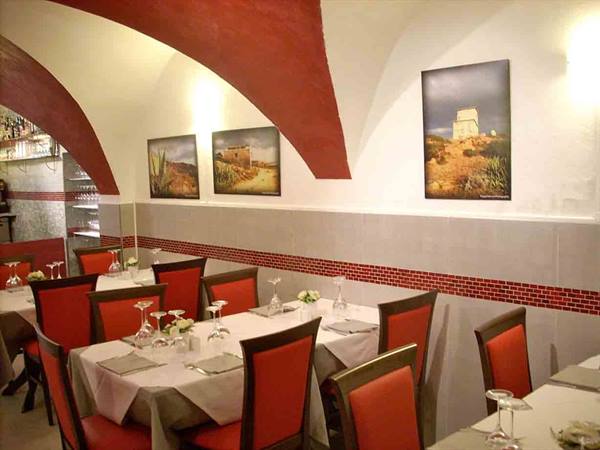
Wandering through the characterful alleys, we also discover the Salita di Santa Caterina, through which people once reached the ancient fortress and a little square with two oratories, that of the Bianchi and that of the Neri. The Oratory of the Bianchi is the town's ancient parish church, built around the 9th century, today converted into an auditorium and exhibition venue, although Holy Mass is still celebrated inside on various feast days. After discovering many of the historical secrets of this charming town, what we need is a delicious dinner while staying in the historic centre, a stone's throw from the Town Hall: so we settle into the welcoming, elegant dining room of Ristorante Cibus, in via Nunzio Cesare Regina. As soon as we go in, we notice the large fine-art photographs on the walls, very beautiful and evocative, depicting enchanted landscapes and theatrical scenes.
We soon discover that these are the works of Ruggero Bruno, the brother of the owner Maria Anna Bruno, who runs the place together with her mother Raffaela and her father Francesco. “Our menu changes often, according to the season and the availability of products at the market. The bread, made with sourdough, is our own production, as is the pasta. We use only fresh, locally sourced products, and this applies to both fish and Piedmontese meat, in order to offer high-level dishes, both traditional and new culinary creations,” Mrs Maria Anna explains to us. Besides the temporary exhibition, art-infused atmospheres accompany us during the aperitif offered by the house too, which we sip while listening to pleasant background music. We begin with watermelon, speck and brie, and we also try the Mediterranean sushi, made with vegetables and couscous.
We continue with troccoli with a scent of the sea and the delicious mixed vegetables. We wash down these delights with excellent selected wines, both from Liguria and from other regions. Among the main courses we enjoy a very good tuna "alla montanara", along with sea bream baked in foil and mixed grilled fish. Some of us can't resist the call of a proper sliced fassona beef. To end on a sweet note, we delight in the chocolate cake with a soft centre and some citrus tarts. It will be a real pleasure to return to Pietra Ligure, perhaps even out of season, combining an autumn walk with a themed evening all about "Cibus".
Francesca Bertha
FOR INFORMATION:
Ristorante Cibus Via Nunzio Cesare Regina, 5 Pietra Ligure (SV) Tel.: 019/624298
The journey's photographs
13 photographs · click to open them full screen
0 reader comments