Tripscoop›Europe›ITALY›Medieval moods beneath the castle, with the ghost at school: a day in Cisano Sul Neva
ITALY · Europe
The story
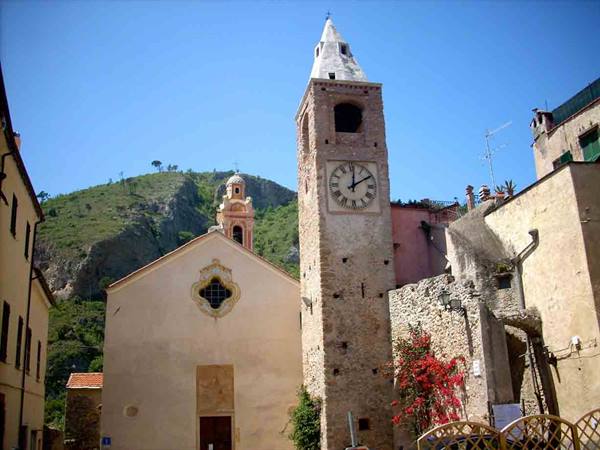
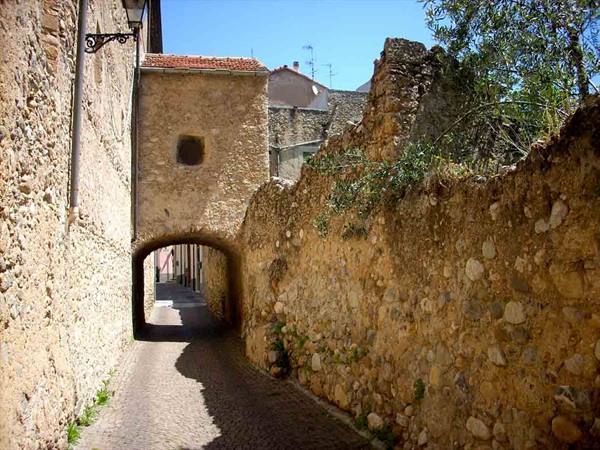
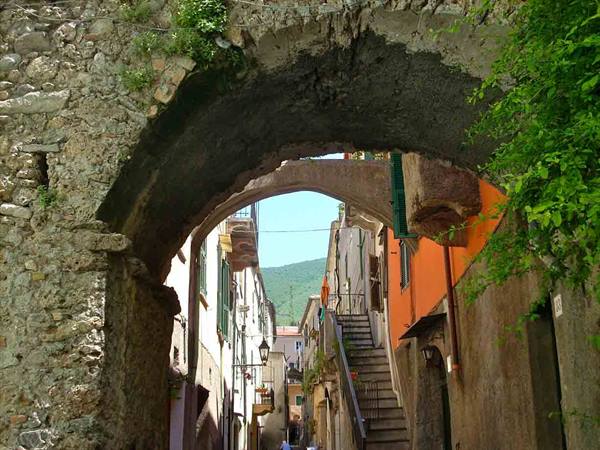
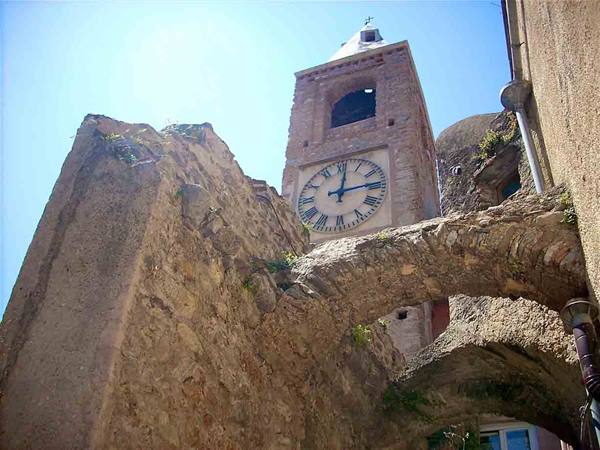
Carts laden with oil and salt, oxen dragging gigantic grey-pink stones and pulling large tree trunks towards the sea: if we had found ourselves in the territory of Cisano Sul Neva many centuries ago, we would have been in the middle of this very colourful commercial bustle. Indeed, in the days of the Salt Road, the villages of the Ligurian hinterland, today corners of peace immersed in greenery, had a strategic role. At Cisano, famous for its excellent-quality stone, the “trazonaria lignaminis” passed through, the ancient artery along which timber was moved from the woods to the coast, where it was used for the rigging of ships. Walking through the characteristic narrow streets of the centre, history can be breathed at every corner. The square with the Parish Church of Santa Maria Maddalena, of medieval origin, and beside it the civic tower with clock and bell, has a striking beauty.
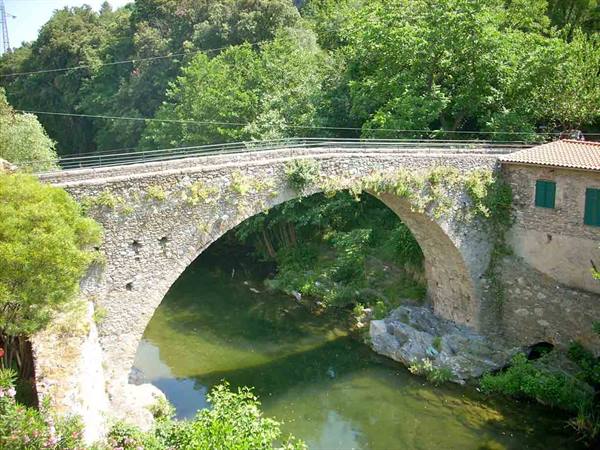
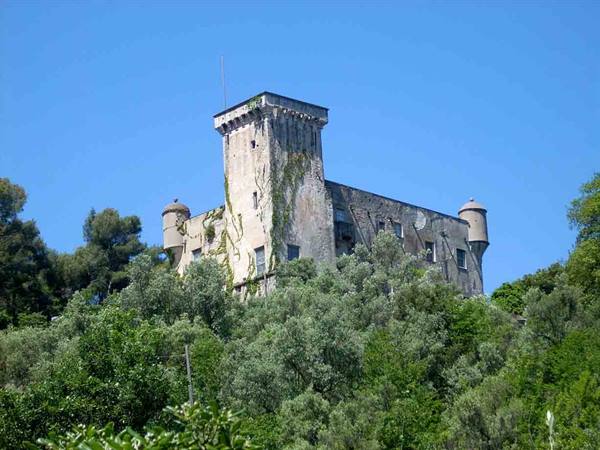
Next to it we admire the Oratory, which preserves inside it three wooden groups by Maragliano. One of the symbols of the village is the beautiful bridge over the Neva, with a single span, rising above a very deep gorge. The settlement of Cisano probably has early medieval origins, but its current position dates back to 1274, when Albenga refounded it with a fortified structure on land purchased from the Monastery of the Island of Gallinara. Our trip continues in the hamlet of Conscente, whose name means “confluence”, as the village in fact lies between the Neva and Pennavaire valleys. Dominated by the 16th-century Castle, built by the Costa family of Albenga, Conscente was a town of great prestige, also thanks to Ottavio Costa, a banker and art lover, who was a mentor of Caravaggio. It was again the Costa who had the 17th-century Church of Sant’Alessandro built.
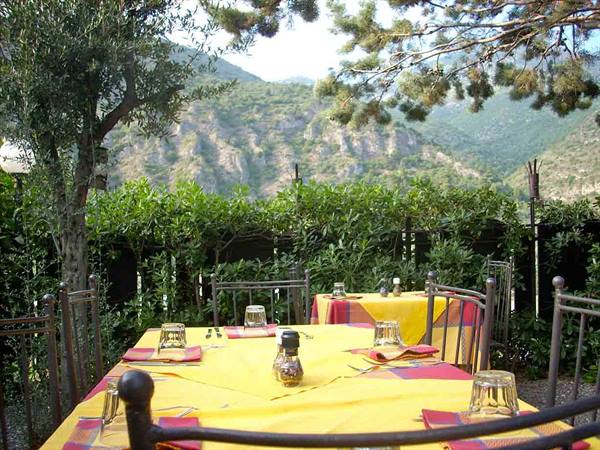
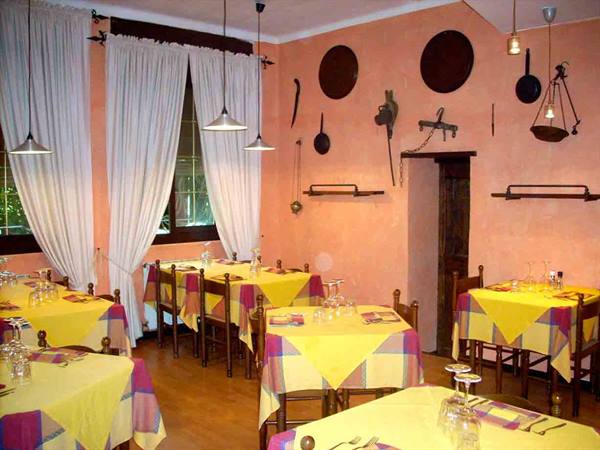
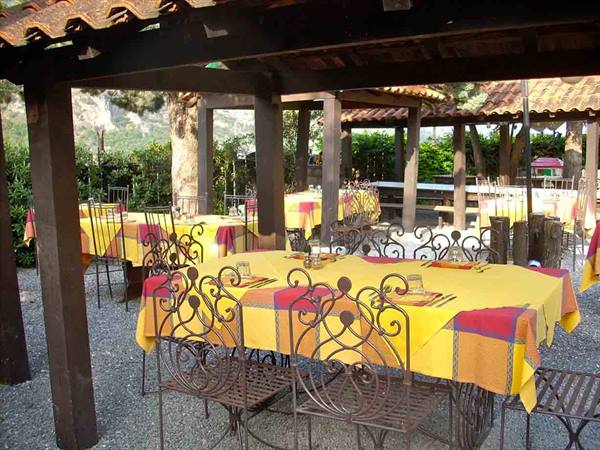
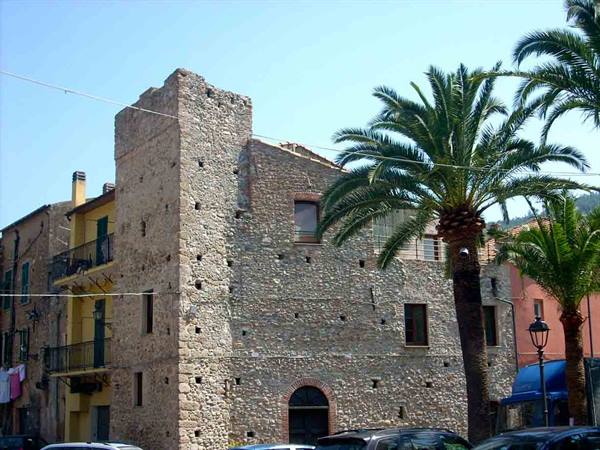
The hamlet of Gombo also belongs to the village, so named because it was full of oil mills, where the first castle of Coscente arose, of which a tower remains. After this lovely walk through the history of Cisano, we decide to crown the day with a dinner at the foot of the Castle of Conscente, at the Ristorante U Rundò. “The place has existed for 35 years, we have run it for ten. Under the terms of the bequest of the Marquis of Coscente the building could only be used as a public establishment. Before becoming a restaurant it was a school and they say the ghost of the last caretaker still lives here,” the owners tell us, Mrs Barbara, known as “la Capa”, and her husband, the chef Piero, known as “l’Orso”. The staff is completed by Vale, who graduated from catering school two and a half years ago, by Alessandro known as “Settepanse” and by Emi, “la Rossa”.
The very rich menu includes both seafood and land specialities, as well as pizzas, among which the new entry, available every Wednesday: the Pizza del Marchese, baked on a slate slab. We, the seafaring souls of the group, start with a mixed starter, including seafood salad, oysters, spring squid sautéed with courgettes, smoked herring with hill tomatoes and brandacujon. We continue with spaghetti allo scoglio, tagliolini with lobster, sea bass tortelli and tagliolini with cuttlefish ink alla lampara, with courgettes and prawns. Among the main courses we certainly don't resist a fine mixed fried catch and grilled fish, but we also taste the tuna tagliata with Tropea onion jam, the monkfish on a bed of potatoes and porcini mushrooms, the paella, the cappon magro and the scampi with figs.
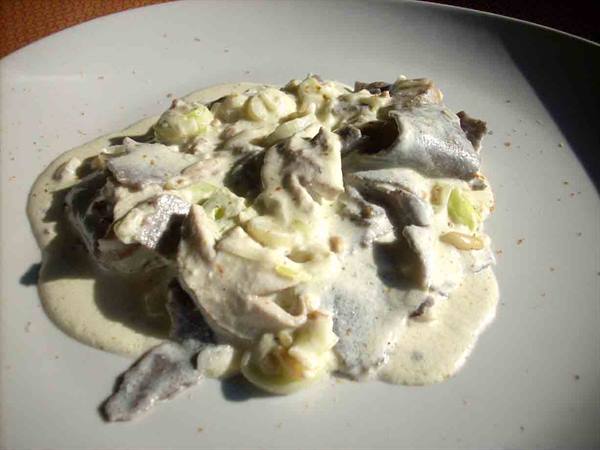
Our “carnivore” friends, on the other hand, start with porcini and honey crespelle, beef carpaccio with raw porcini, spicy tomini, the asparagus and salmon quiche, as well as robioline with berries in a brisé basket. After this abundant starter come the sciancui, the buckwheat pasta of the Pennavaire Valley with leeks, porcini mushrooms and cream. Some of us choose the tagliolini with wild boar in salmì and the tricolour gnocchetti with tomato and basil. Among the main courses one cannot resist the mixed grilled meat, nor the wild boar all’etrusca. The Chianina fiorentina and the rabbit alla ligure also win fans. We wash the fish dishes with mainly Ligurian wines, including Pigato and Vermentino, while the land specialities are accompanied by excellent Tuscan reds, and by a few Piedmontese and Ligurian labels.
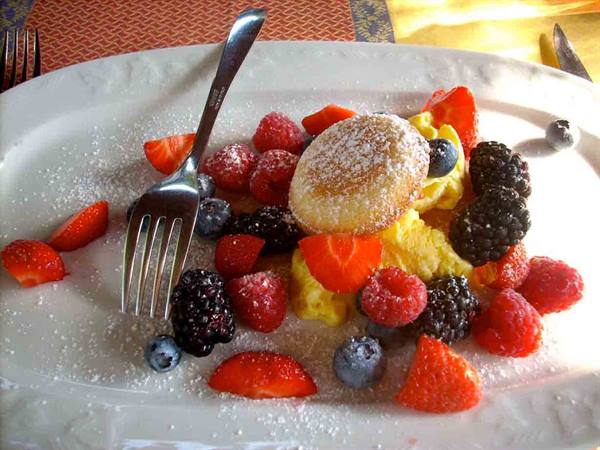
Finally, a wonderful array of sweet temptations including the berry meringue cake, the “Ultimo sguardo” dessert, the Florentine wafer with custard ice cream and strawberries. We also taste a coconut semifreddo with a pesto heart, called “Valentina”, as well as the “Mi e Ti”, made with sponge cake, Chantilly cream and strawberry jelly. All the desserts are homemade, including the spectacular ice-cream flan with apricots, lemon and sponge cake, called “Aurora”. Whether the ghost really exists, we don't know, but after this lovely day we could well understand if it had wanted to stay in Cisano Sul Neva.
Francesca Bertha
FOR INFORMATION:
Ristorante U Rundò Via Gombo, 39 Cisano Sul Neva (SV) Tel.: 0182/595207 Facebook: Urundo Cisano
The journey's photographs
14 photographs · click to open them full screen
0 reader comments