The story
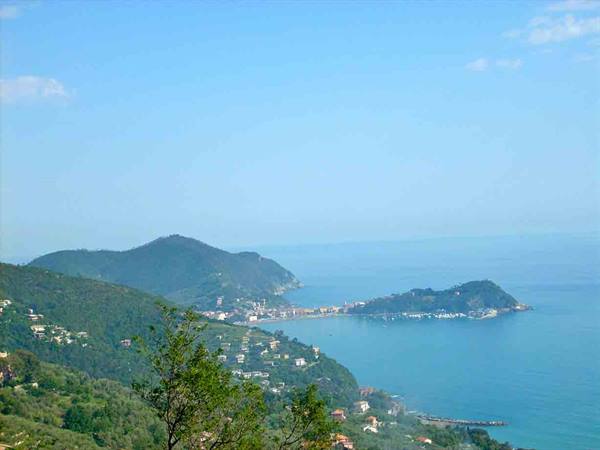
Between the pastel green of the olive groves of the hinterland and the crystal-clear blue of the eastern Gulf of Tigullio develops a town that is named every day by students and teachers: Lavagna. When we reach it, crossing the Entella stream, described by Dante Alighieri as “a beautiful torrent”, one of the kids asks us: “Why is this town called like the blackboard used at school?”. And so, even though it's a holiday, something to learn pops up: it is the school blackboard that is named after the town, and not the other way around. All thanks to slate, also called Lavagna stone, which has been quarried right here for centuries and of which the blackboards of the past were made.
During our walk we take a journey back in time, also discovering how the Virgin Mary had managed to stop even the terrible pirate Dragut, who in the sixteenth century had sown terror and destruction in many places along the Ligurian coast. In 1564 he landed at Lavagna, and one night he broke into the Sanctuary of Nostra Signora del Ponte, built in the thirteenth century thanks to the presence of a chapel on the bridge of the Maddalena, renovated at the wish of Innocent IV, a pope belonging to the historic Fieschi dynasty, originating precisely from Lavagna. The effigy of the Madonna in the 1500s was transferred to the new church. During his Lavagna raid Dragut did much damage, but he did not take the sacred image of the Madonna: this fact, almost miraculous, strengthened the faith of the population.
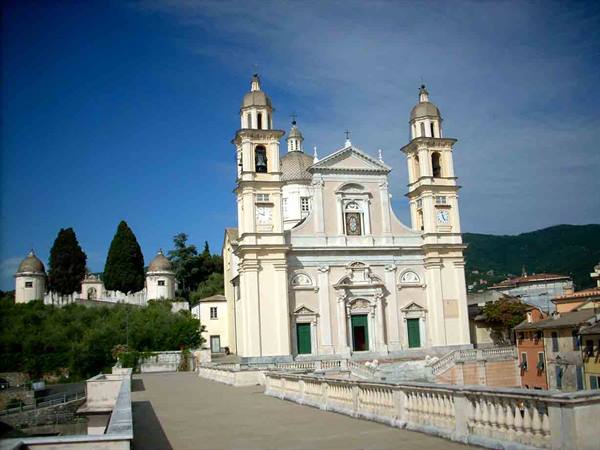
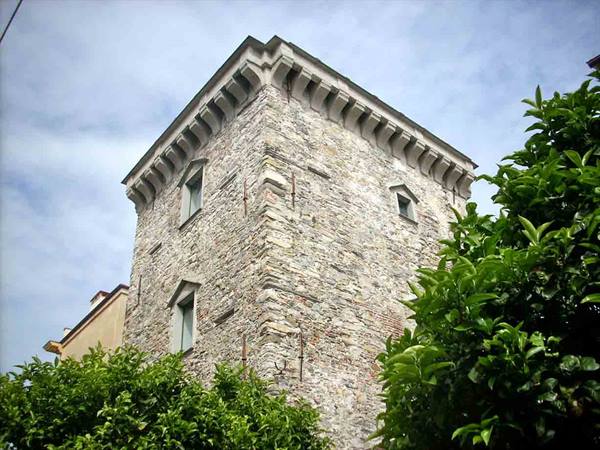
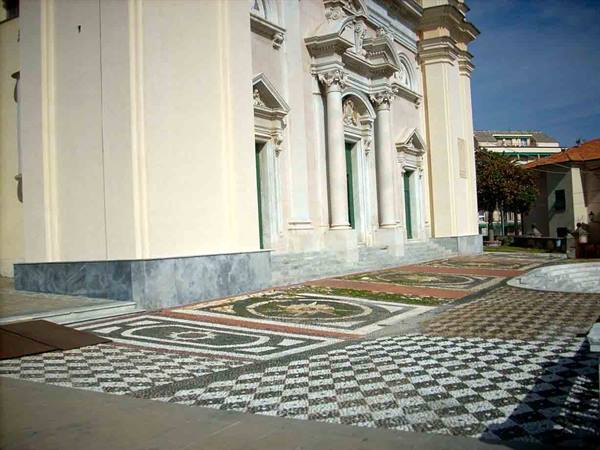
In the town we also visit several other beautiful religious monuments, including the Sanctuary of Nostra Signora del Carmine and the Oratory of the Santissima Trinità, a place once devoted to assisting the poor and to the collection of slaves. Crossing the striking Piazza Marconi, and climbing a staircase presided over by two lions supporting the municipal coat of arms, we reach the Collegiate Basilica of Santo Stefano. The first church erected on the site would date back to at least the 6th century, and would have been built beside a signalling tower that helped sailors enter the port. The Fieschi built a castle next to the church, which was demolished around 1200. Among the various watchtowers that were built to counter pirate attacks is the Torre del Borgo, dating from the 16th century.
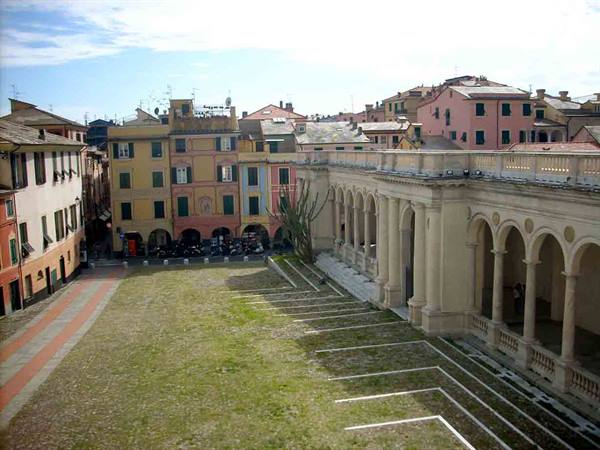
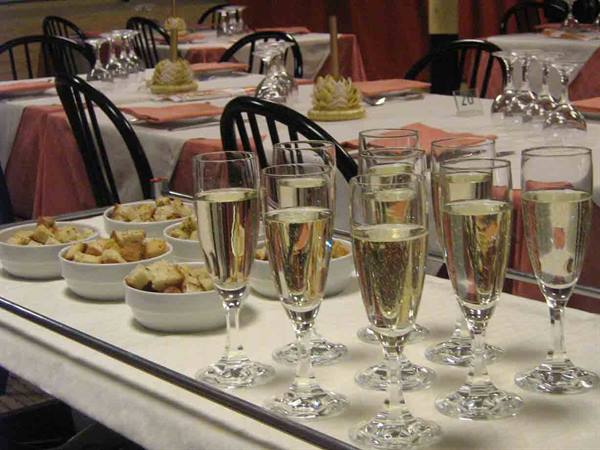
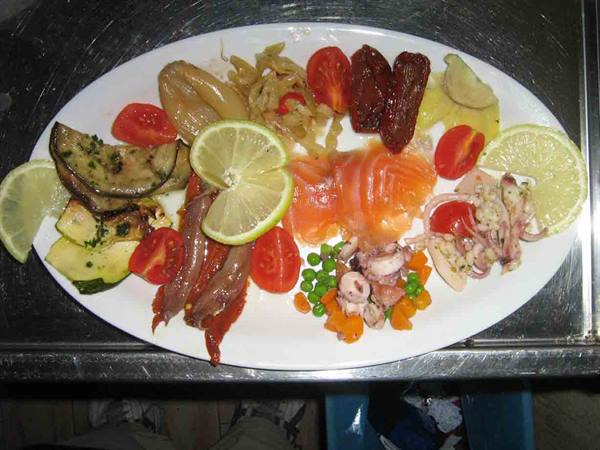
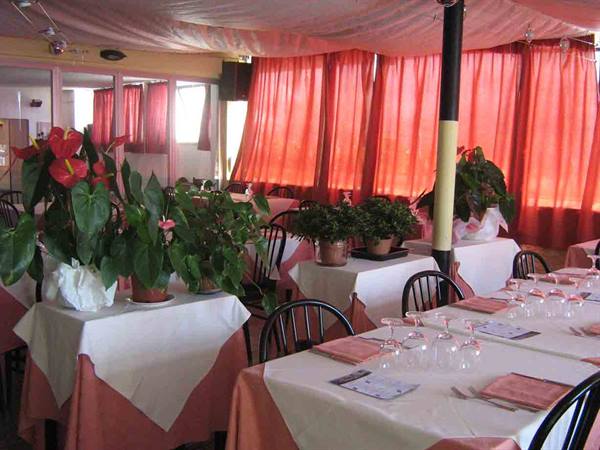
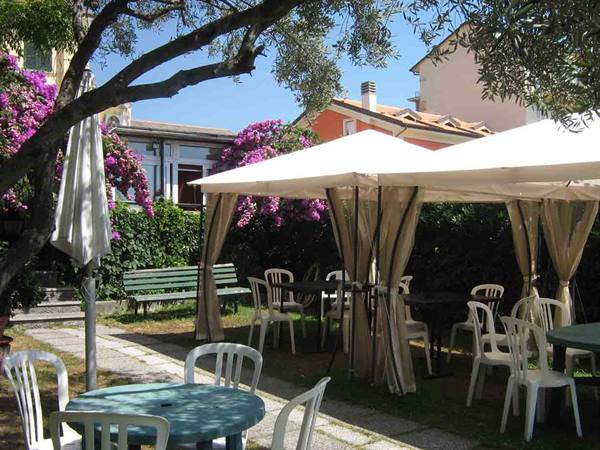
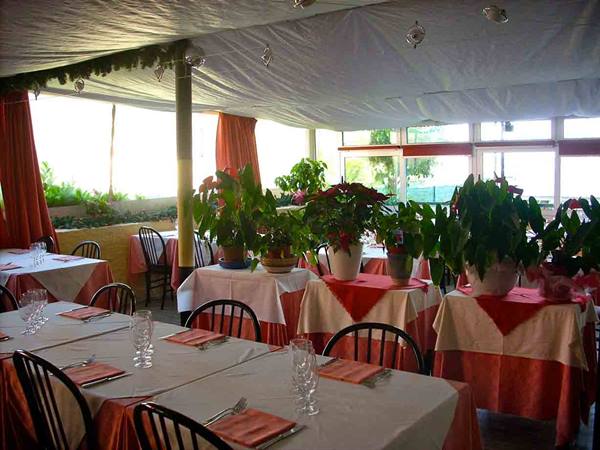
Today it is the seat of the Art Gallery, and in the Genoese-style garden below, exhibitions and concerts are organised. From a history also peopled by pirates, we arrive in the even more fairy-tale world of giants, reaching our home for the weekend: the Albergo Ristorante Gargantua, in via Dei Devoto. After settling into the elegant rooms, we take our seats at the restaurant tables with a fair appetite. After a very pleasant aperitif, here they are, the nice giants of French literature: Gargantua and Pantagruel, with the starters dedicated precisely to them. We thus taste a fantastic mixed fish and vegetable dish, which always changes according to the availability of ingredients. Pantagruel also adds the tasty hot fried items including vegetable sticks, Ascoli olives, arancini and fried anchovies. We also taste mussels marinara, and octopus salad.
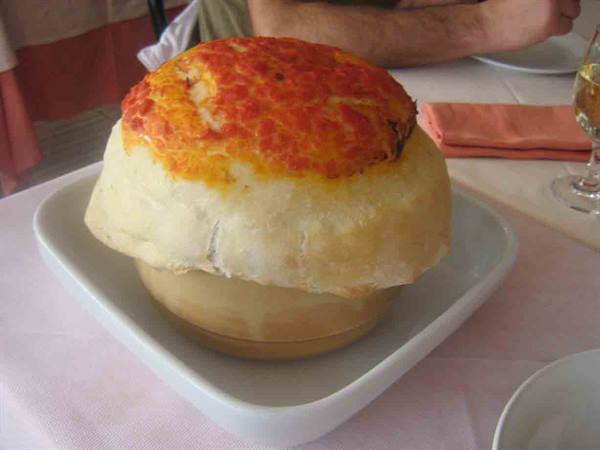
All the dishes are fresh and prepared to order. Chatting with the owner, Mr Andrea, originally from Campagna, the Salerno town where Giordano Bruno did his novitiate, we discover we are in a historic hotel, existing for at least forty years. “For three years my wife Roberta and I have been running this beautiful establishment, together with our children Chiara, Elisa and Renato, and the chef Catia.” Continuing, we open the treasure chest of flavours: a first course called just that, which reveals spaghetti allo scoglio with tomato, whose cooking finishes in an earthenware pot, covered with bread dough: a very rich and exquisite dish. We also taste the Gargantua pansotti with butter, sage, curry and prawns, the pappardelle with radicchio and prawns, the trenette with homemade pesto and the seafood risotto.
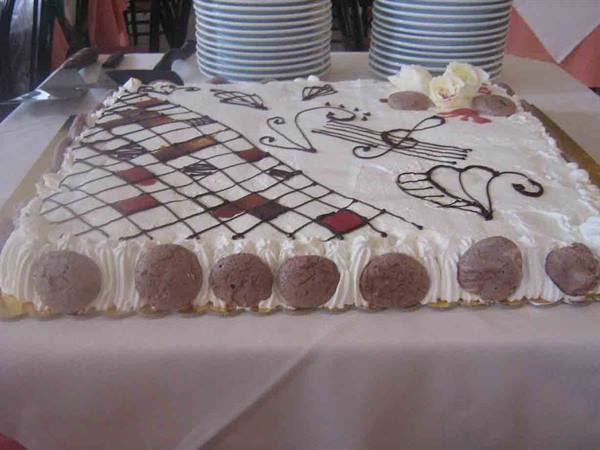
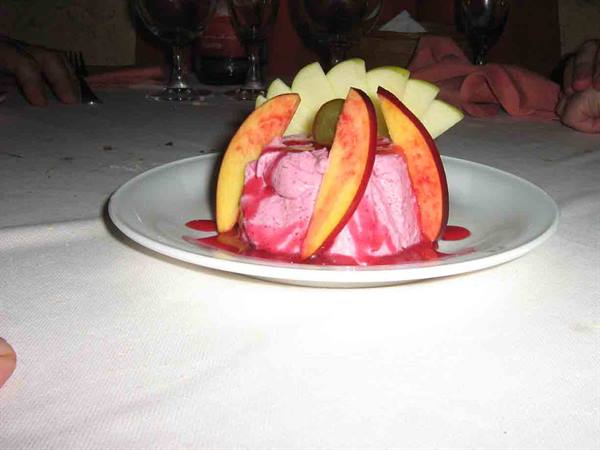
We wash it all down with excellent wines including Vermentino, Falanghina, Trentino Pinot grigio, Aglianico del Vulture and Morellino di Scansano. Among the main courses we very much appreciate the blue fish al verde, prepared in the pan and seasoned with garlic, oil, parsley and a squeeze of lemon. Some of us, on the other hand, choose the fried catch of the gulf, the oven-baked sea bass or sea bream, and the scampi alla Gargantua. Our dinner, literally pantagruelian, ends in great sweetness, thanks to the house desserts: fantastic coffee, torroncino and amaretto semifreddi, as well as panna cotta, crème brûlée and tiramisù. Finally, we taste the Gargantua digestif, served cold and prepared according to a secret recipe: another detail among the many that during this weekend made us feel good in the company of the giants by the sea.
Francesca Bertha
FOR INFORMATION:
Hotel Ristorante Gargantua Via Dei Devoto, 149 Lavagna (GE) Tel.: 0185/306118
The journey's photographs
14 photographs · click to open them full screen
0 reader comments