The story
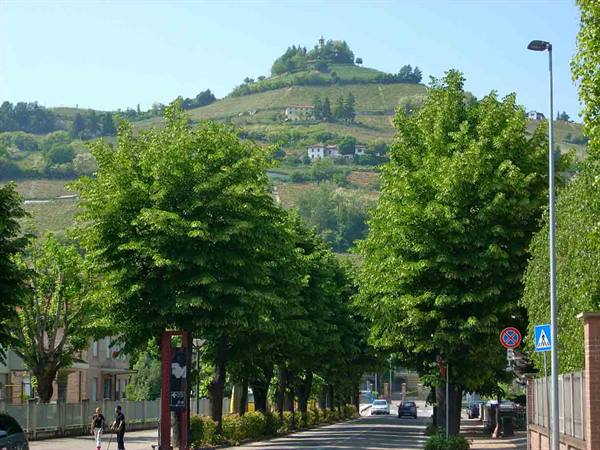
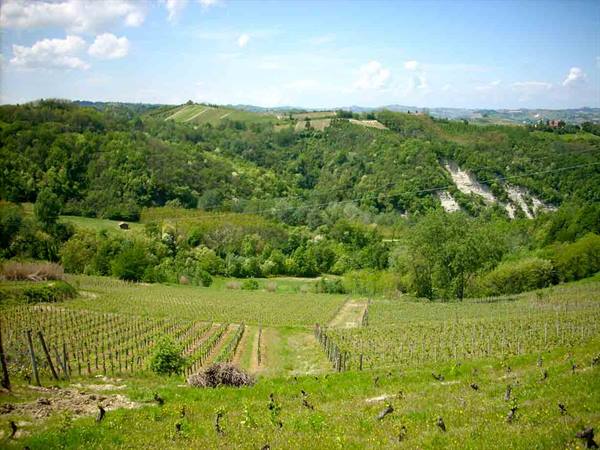
“A vineyard climbing the back of a hill until it cuts into the sky is a familiar sight, yet the curtains of simple, deep rows appear like a magic door”, wrote Cesare Pavese in the opening of his story “La vigna”, capturing the essence of his native village, Santo Stefano Belbo. Today, those who come to visit this lovely town in the Langhe, a little more than twenty kilometres from Asti although it belongs to the province of Cuneo, often do so precisely because they are curious to discover the places of Pavese. Exactly as happened to us, when we decided to immerse ourselves in the atmosphere of “La Luna e i falò”, Pavese's 1950 novel, but also in that of many other stories by the writer, deeply tied to his own land. Whatever road you take to get here, before reaching the village you cross dozens of square kilometres of vineyards, all immaculately tended.
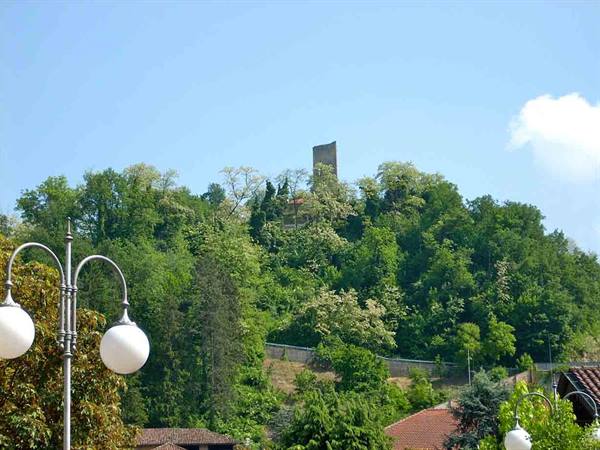
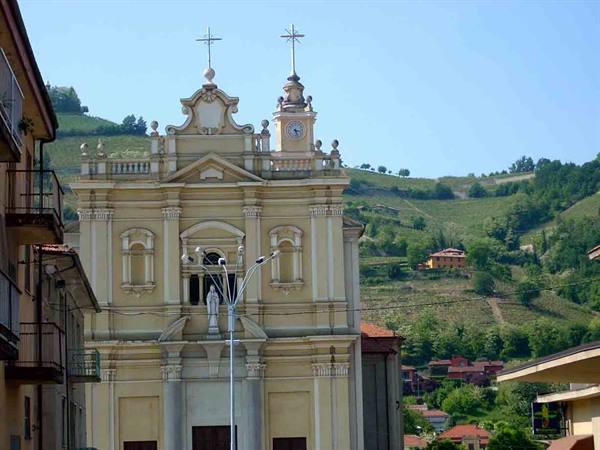
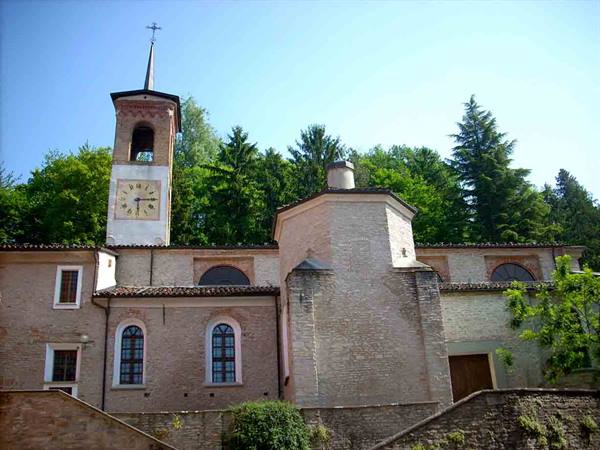
That the culture of the vine is closely bound to the soul of this place is also shown by the Latin phrase appearing on the town coat of arms: “Vitis Sancti Stephani ad Belbum Vita”. Before tasting a good little glass of Moscato d'Asti or Asti Spumante, wines of which Santo Stefano Belbo is the largest producer, let's take a walk to discover the village. We immediately notice, high up on the hill of Santa Libera, the evocative ruin of a square tower, which we learn is contemporary with Dante and was destroyed centuries later, as was the castle, almost completely razed to the ground in 1635 by the Spanish and Austrians who fought over it. Visiting the Parish Church of the Sacred Heart, whose light colours stand out against the green backdrop of the hill, we discover that the history of the parish too is intertwined with Pavese's works.
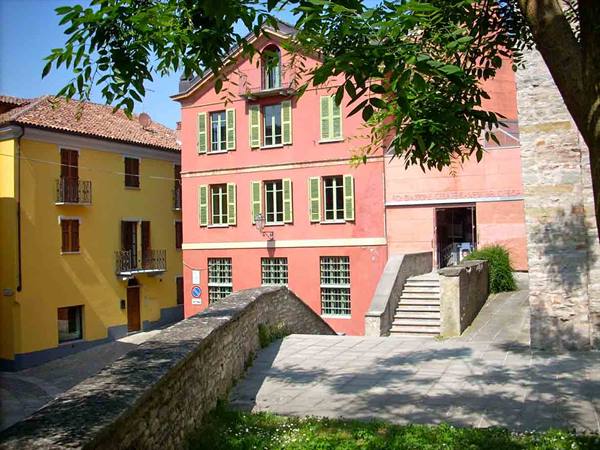
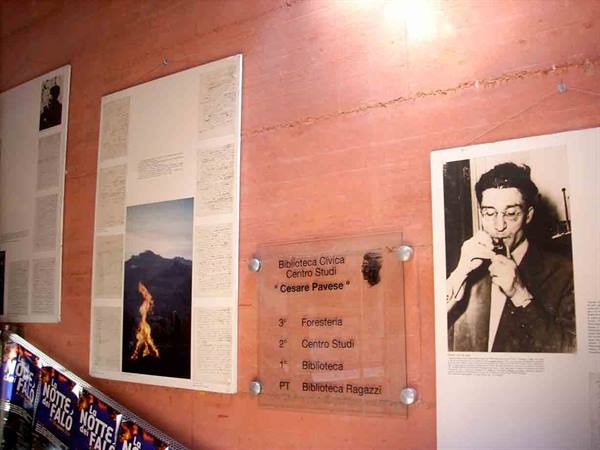
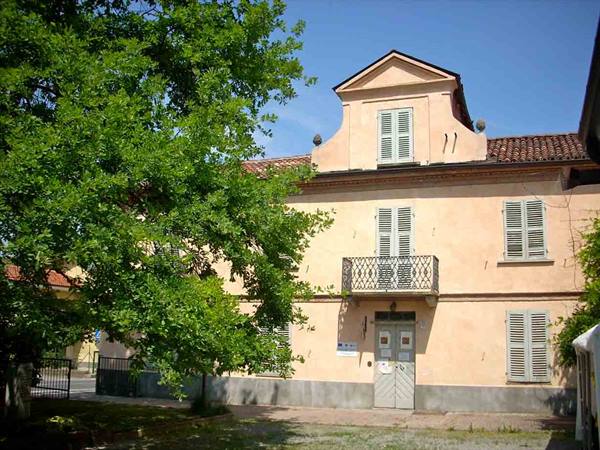
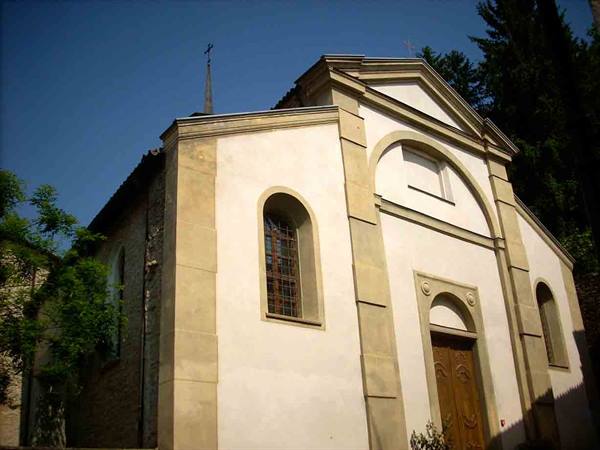
In fact, the old Parish Church of Saints James and Christopher, which dates back to the XIV century and is the first parish church of the village, after troubled centuries found itself in a ruinous state in 1785, then was slowly restored over the following almost hundred years. In 1926 the parish functions were transferred to the new church of the Sacred Heart of Jesus, while the old parish church became the seat of the Cesare Pavese Foundation. The civic library is also housed there, in Piazza Confraternita, and whoever enters can immediately take a cultural excursion into Pavese's world, thanks to the photos and copies of manuscripts displayed on the walls, as well as documents and objects on view inside. During our walk we also visit the writer's birthplace, home of the Pavesian Museum.
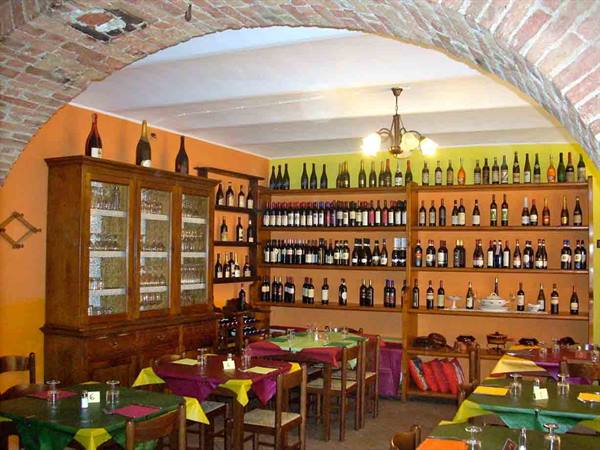
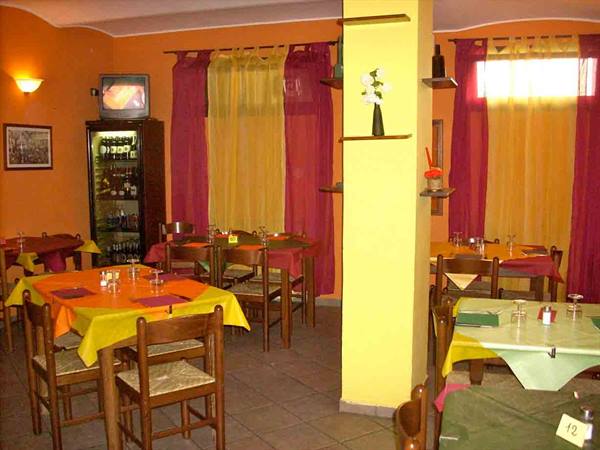
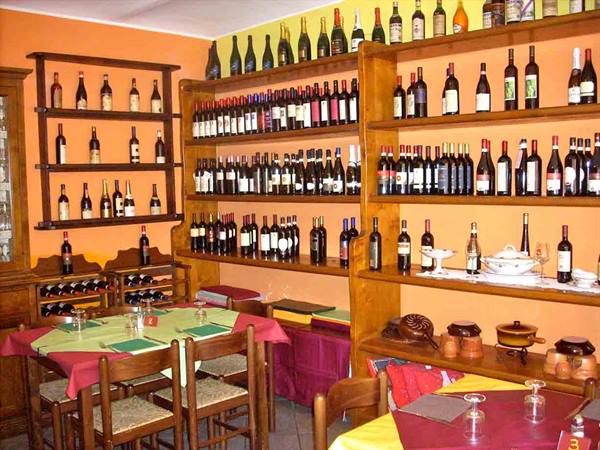
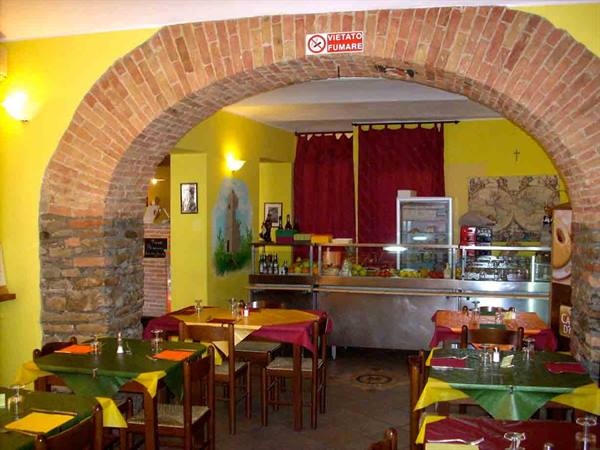
Our tour is completed by reaching the Romanesque Abbey of San Gaudenzio, said to be a former temple of Jupiter as well as a former Benedictine convent. Finally, we climb up to the Sanctuary of the Madonna della Neve, on the hill of Moncucco. After this long trip we truly deserve a fine dinner in the name of the flavours of the area: so we decide to stop at Tratto-rante Sapori di Langa, in via Garibaldi, a stone's throw from the Town Hall. The warm colours of the rooms, rustic yet elegant, along with the kindness of the owners and the family atmosphere, put us at ease right away. Chatting with Mr Paolo, who runs the place with his wife, we discover that they decided to open this restaurant after running an agriturismo for a long time.
“We call this place a tratto-rante, that is a place where you can enjoy home cooking and dishes as grandma used to make them, with a genuine and healthy approach, and with the care for the quality of products and ingredients of an important restaurant”, Mr Paolo explains. Every dish is prepared fresh, and besides the specialities of the Langa you can also taste southern delicacies. We start with mixed local cured meats, and among the starters we also taste the vitello tonnato, the Russian salad, some roasted pepper rolls and a rice salad. We continue with agnolotti with ragù, gnocchi with gorgonzola and walnuts, and penne with cream and salmon. Some of our friends prefer fish, tasting the spaghetti allo scoglio and a mixed fry of prawns and squid.
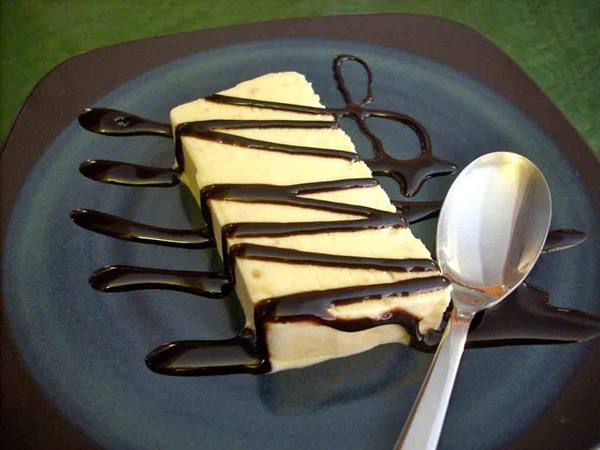
We “carnivores”, on the other hand, go on with fine sliced veal, a rich mixed grilled meat and also taste the paillard, that is griddled steaks. We also very much appreciate the seasonal vegetable side dishes and the focaccia with lard and raw ham. We wash it all down with excellent local wines from cellars in the area. Finally, we gladly give in to the sweet temptations of the homemade desserts, including the grandma's bunet, tiramisù, panna cotta, profiterol and crema catalana, as well as semi-freddi, ice creams and fruit sorbets. In Santo Stefano Belbo we discovered a place steeped in literature and poetry, not only in its artistic traditions but also in its cuisine.
Francesca Bertha
FOR INFORMATION:
Facebook: Sapori Di Langa – il TrattoRante Ristorante Sapori di Langa Via Garibaldi 16/18 Santo Stefano Belbo (CN) Tel.: 0141/843448
The journey's photographs
14 photographs · click to open them full screen
0 reader comments