The story
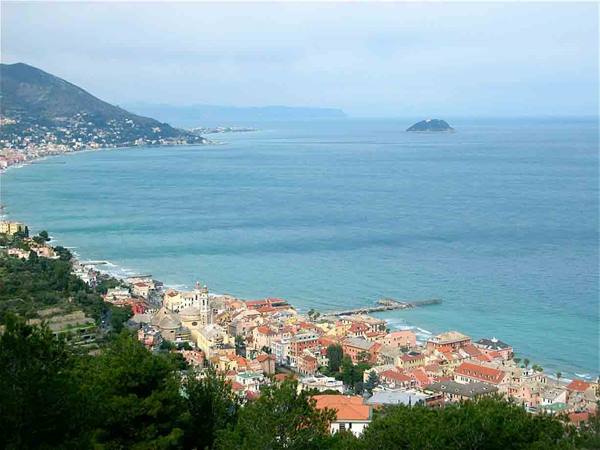
An old local proverb goes like this: “Andora, whoever looks for it, does not find it”. In reality the phrase sums up the essence of this extraordinary town situated on the westernmost point of the Riviera delle Palme: to find it and to know it you have to look for it in its ancient hamlets immersed in the scent of olive trees and aromatic herbs, you have to walk its winding paths that climb up to the heights where the gaze can wander among colourful houses, countless flowers and the endless crystalline blue of the sea. We begin to discover Andora, probably founded in the VIII century BC, with a walk along the seafront. At Marina di Andora we visit the parish Church of Santa Matilde and the one dedicated to the Immaculate Heart of Mary. Centuries ago frequent pirate raids came from the sea, so various bastions and sturdy walls were built to defend the town.
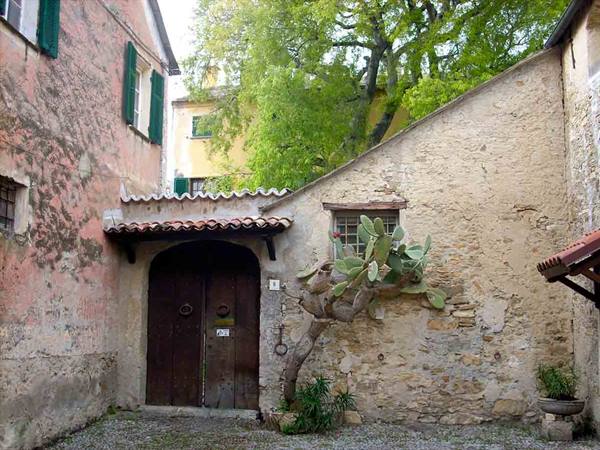
Always for the same reason, the first Andora settlement arose on the heights of the hamlet of Castello, historically called Paraxo and still the most evocative nucleus of the town. Before visiting it, we go to discover some other hamlets: at Rollo we visit the casaforte, built in the sixteenth century to defend against pirates. Moving towards the hinterland, at San Bartolomeo we admire the church of the same name, known for its bell tower standing 56 metres tall, the second tallest in Liguria. The famous Norwegian anthropologist Thor Heyerdahl, a legend of the Kon-Tiki expedition, when he discovered the hamlet of Colla Micheri, said this: “I have spent my life exploring the world.
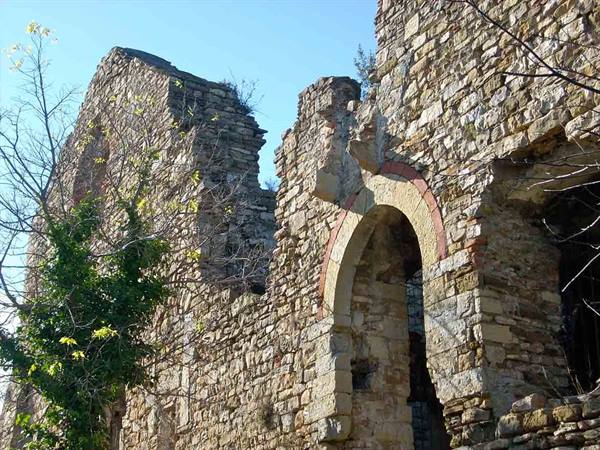
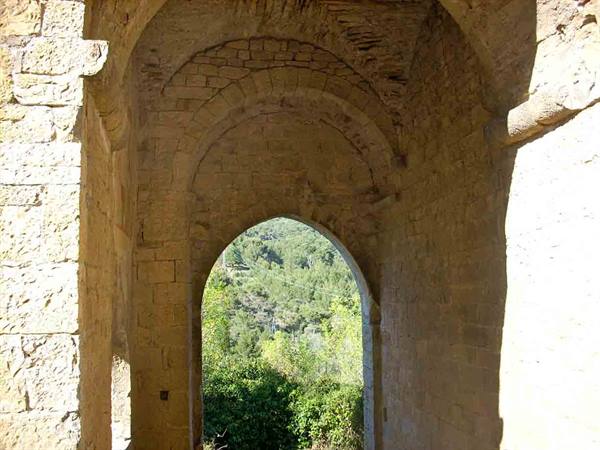
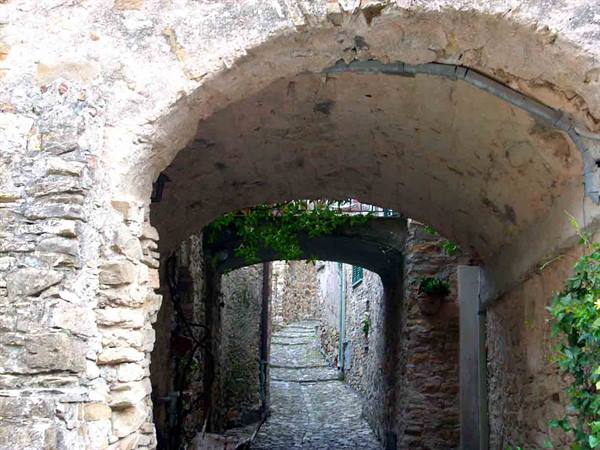
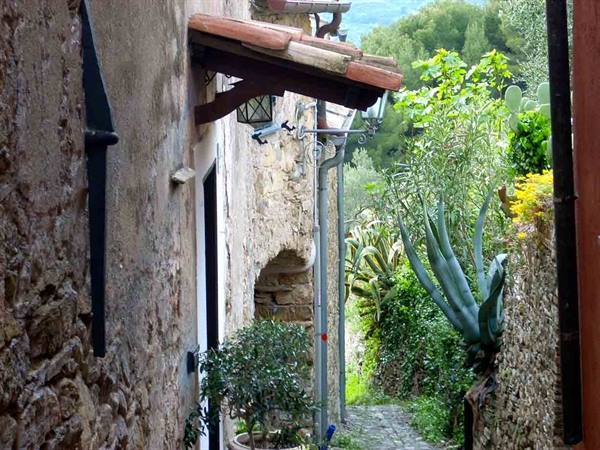
But when I arrived in this place I had no hesitation: my house would rise in this little paradise.” The village of Colla Micheri thus became the second homeland of the great explorer, who died right there in 2002. In 1814, on the other hand, the same hamlet hosted Pope Pius VII, returning from exile in France. In ancient times, linking this village and the Castello was the splendid Roman bridge over the Merula stream, with its donkey-back arches. We thus reach the most evocative stop of our walk: the hamlet of Castello. Behind the walls, today in a ruinous state, of the ancient residence, we can try to imagine scenes from the life of the marquises of Clavesana, of whom in the XII century the Paraxo was the residence.
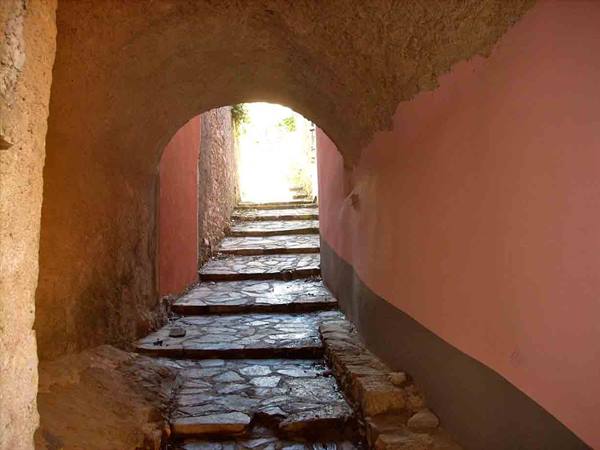
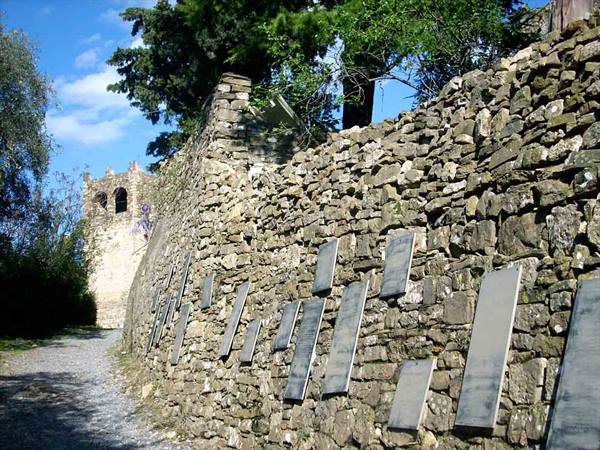
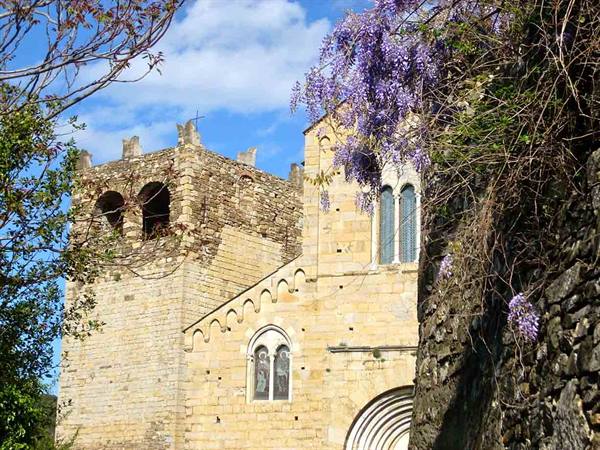
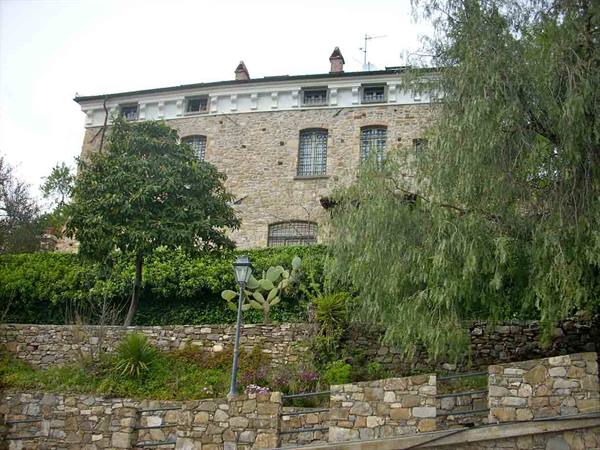
At a certain point we notice some slate boards, set into the wall that runs alongside the path climbing towards the heart of the village, on which poems are carved: this is the wonderful Percorso delle Pietre di Luna. Verse after verse, the poetic path leads us to the point where before us a breathtaking vision opens up: the splendid Church of Saints James and Philip, built in the XII century in Romanesque style with the stones of Capo Mele, and resembling the Cathedral of San Michele in Albenga, with beside it the evocative medieval Gate-Tower. The Benedictine monks of the nearby Isola Gallinara, around 1200, created a residence to support and care for the beautiful church at a very nearby mansion.
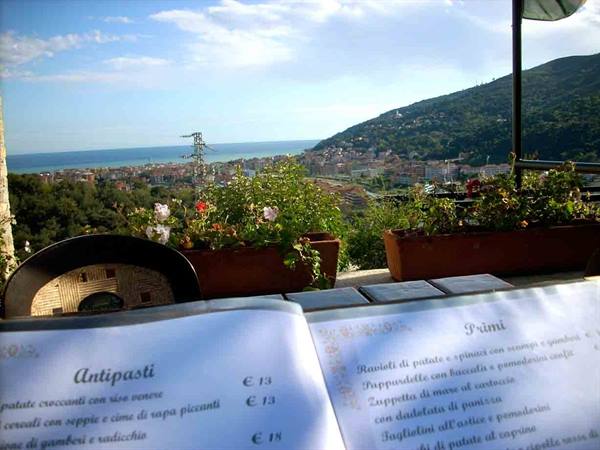
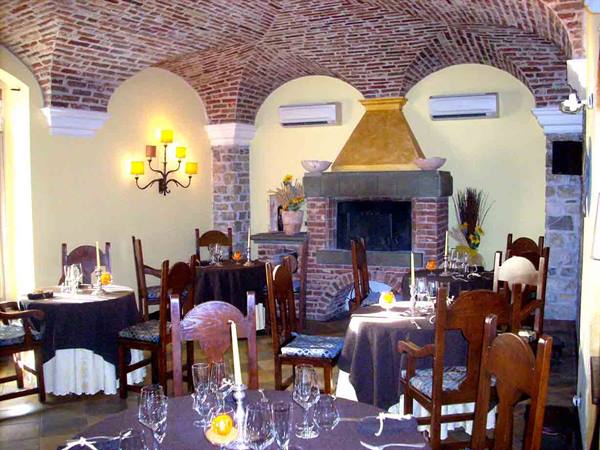
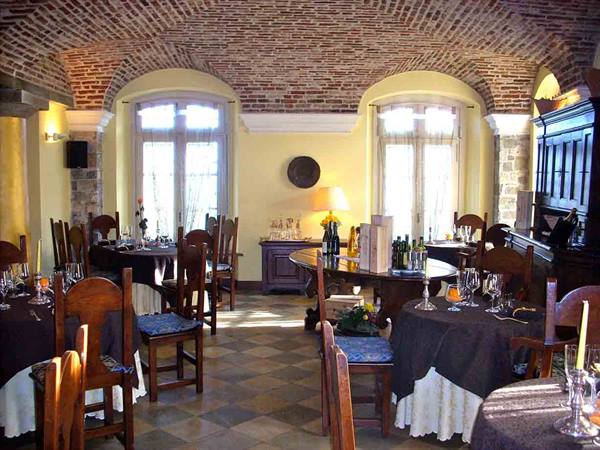
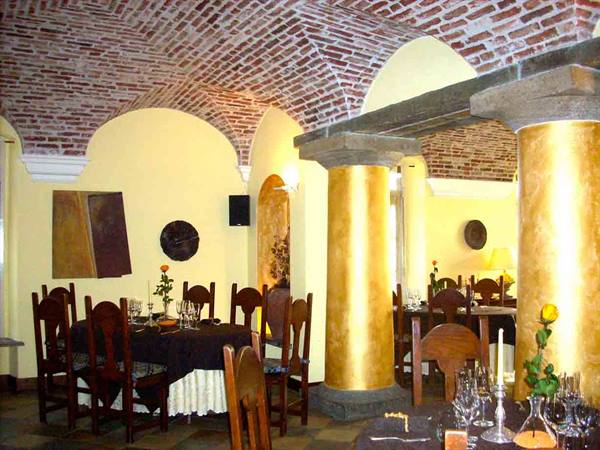
Since the monks were under the authority of a prior, that residence became for everyone “La Casa del Priore”, a place where we have the pleasure of spending our evening, enjoying a delicious dinner that even the marquises of Clavesana would certainly have appreciated. Indeed, today La Casa del Priore is an elegant restaurant, with an adjoining brasserie of a cheerful and informal style located on the panoramic terraces covered by pergolas of vines, from which a very wide view of the sea opens up. We settle into the room with the brick vaults and begin to taste some exquisite fresh seafood starters: the crunchy octopus and potatoes with Venere rice, the bluefin tuna in a crust of Bronte pistachios, a composition of prawns and radicchio with a foie-gras cream and the raw fish with mixed greens and a balsamic reduction.
We continue with the pappardelle with salt cod and confit cherry tomatoes, a seafood soup in a bag with diced panizza, and the potato and spinach ravioli with scampi and prawns. Our friends instead choose the tasty tagliolini with lobster and tomatoes. We wash down these delicacies with excellent Pigato and Vermentino, as well as some Piedmontese wine, chosen from the about 230 labels available. Next, we taste some very good mains prepared with the catch of the day, accompanied by seasonal vegetables. Some of us take the crunchy Icelandic salt cod with a rosemary potato purée, others remain faithful to lobsters and spiny lobsters, not to mention the king prawns. When, after also enjoying some very good desserts, we head home, passing by the terraces of the brasserie we meet some friends who praise the mixed grilled meats, the picanha with paprika potatoes, and the meat skewers.
These places fascinated us enormously and we are certain to return soon, also for the summer season of classical music at the Church of Saints James and Philip.
Francesca Bertha
FOR INFORMATION:
Ristorante La Casa del Priore Via Castello, 34 Andora (SV) Tel. Ristorante: 0182/684377 Tel. Brasserie: 0182/87330
The journey's photographs
14 photographs · click to open them full screen
0 reader comments