The story
"Follow the ancient Roman road and at the sixth milestone you will reach your destination", that is how they would have shown us the route from Milan to Sesto San Giovanni many centuries ago. The place name of this charming town preserves the ancient route, recalling at the same time the historic dependence of the Sesto territory on the Basilica of San Giovanni in Monza. If today Sesto is known above all for its industries, during the Middle Ages it was nothing more than a small farming village. Even in 1546, at the beginning of Spanish rule, only 437 people lived there. They were poor but hard-working, and little by little, despite the countless difficulties of the time, they managed to make the municipality grow, which by the nineteenth century became, besides an increasingly flourishing agricultural centre, also a very pleasant holiday resort.
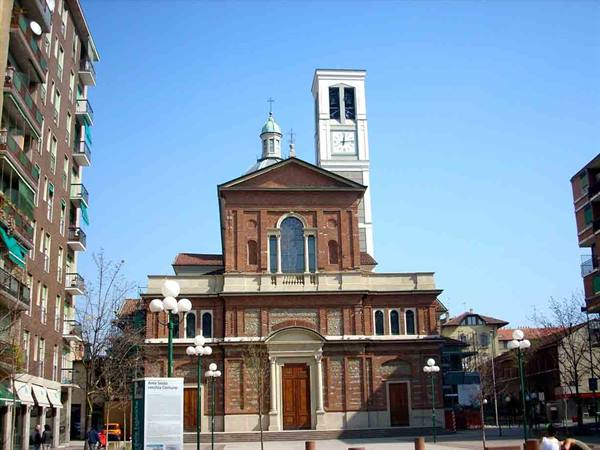
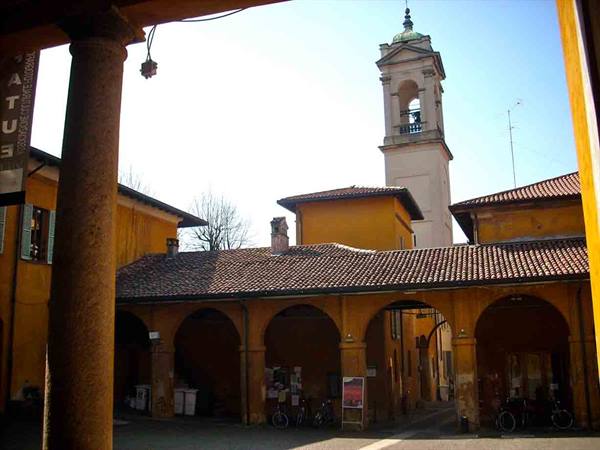
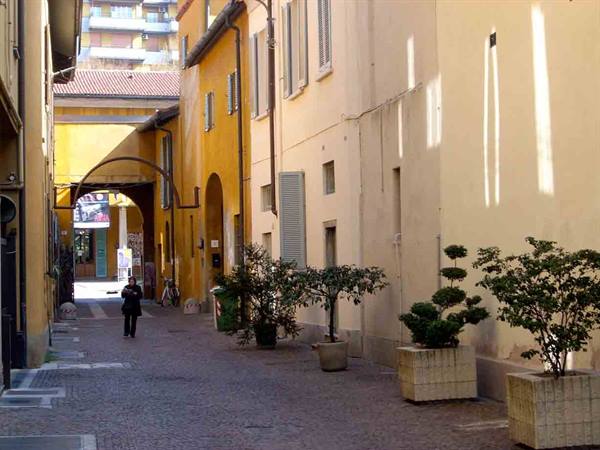
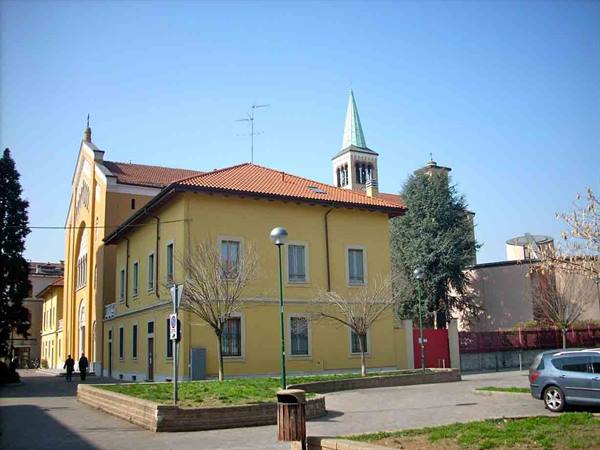
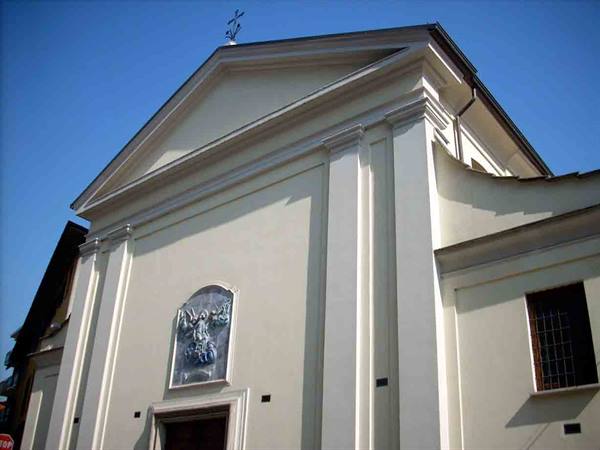
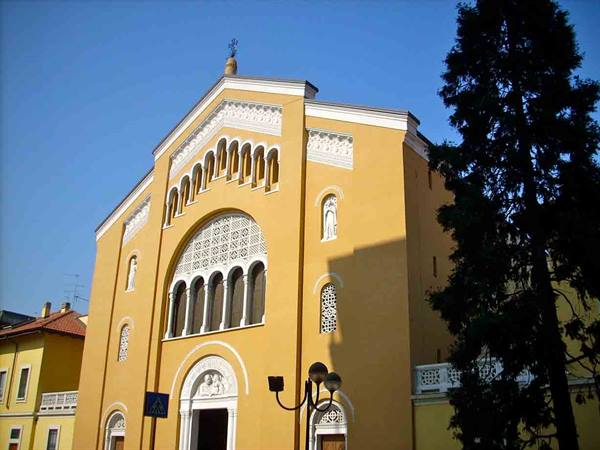
In those years the famous poet Vincenzo Monti dedicated these verses to the town: "O blessed Sesto, sincere air, O tranquil retreats where the citizen does not feel its horrid mists, and the heart shines free, the thought free!" Our walk begins right in Sesto Vecchia, the oldest district, whose clean air gave refreshment in the nineteenth century to noble and well-off families on holiday. Among the characteristic Lombard houses one can still see the old courtyards, recalling the times when there were farmsteads, vegetable gardens and stables here. The built-up area is gathered around the churches: the medieval San Nicolao, the seventeenth-century Santa Maria Assunta and the older Santo Stefano, of Sforza origin, completely rebuilt in 1891.
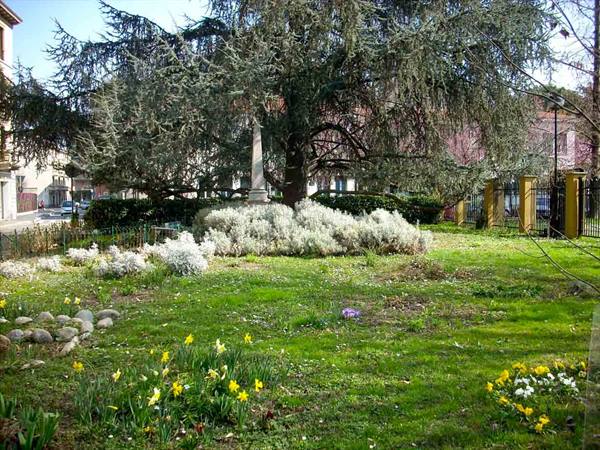
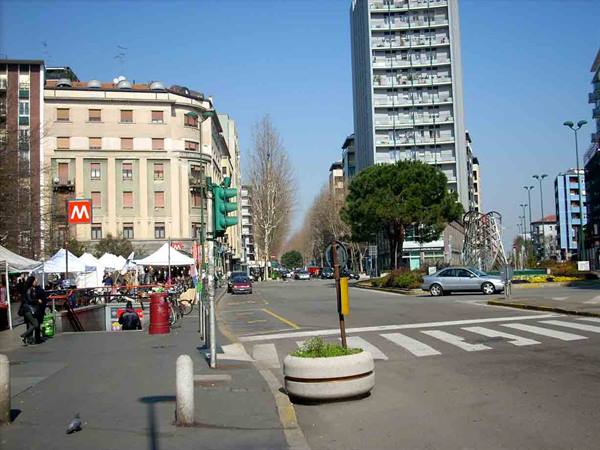
Today the fastest way to reach the town is by underground, but it has been since 1840 that the railway has connected Milan with Sesto and later with Monza. This line was the second in Italy, after the Naples – Portici. From 1876 onwards, traders and holidaymakers could reach Sesto San Giovanni also aboard the characteristic carriages of the ippovia, a horse-drawn tram. The first Italian ippovia was precisely that of Sesto, and the changing of the horses took place at the Rondò, where today there is an underground stop. The horse-drawn tramway was electrified in 1901 by the Edison company. Walking through the streets of Sesto Vecchia, in some gardens we notice mulberry trees, once very numerous in the town. It is well known that silkworms are extremely fond of mulberry leaves, and silk spinning was the activity that started the industrial development of Sesto.
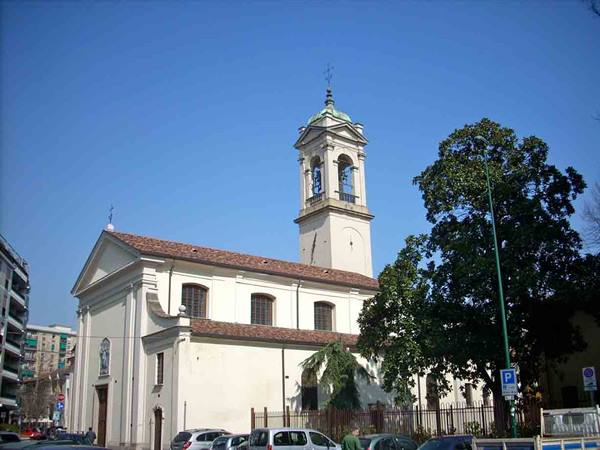
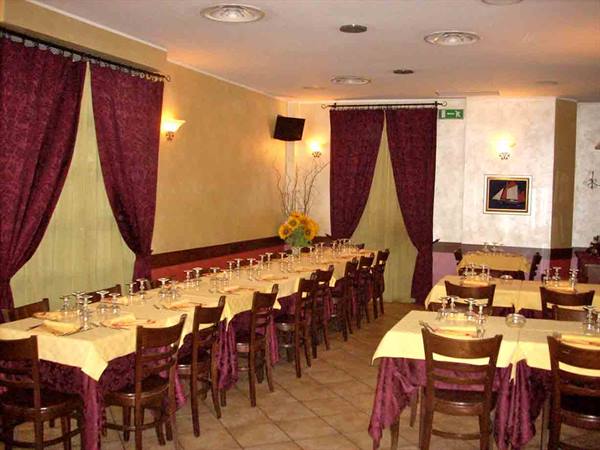
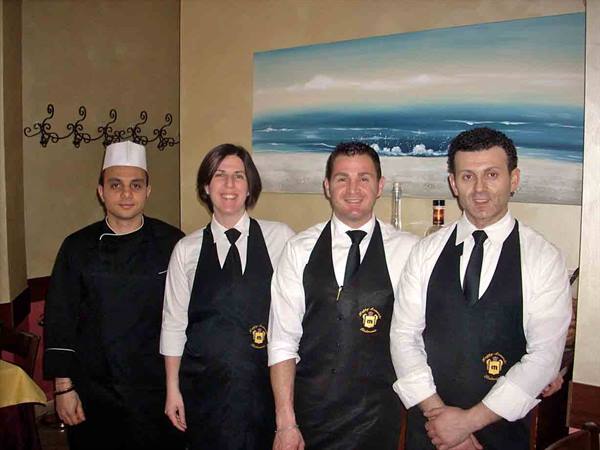
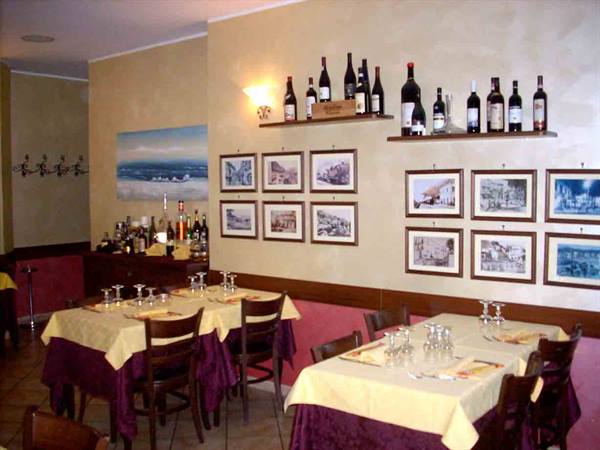
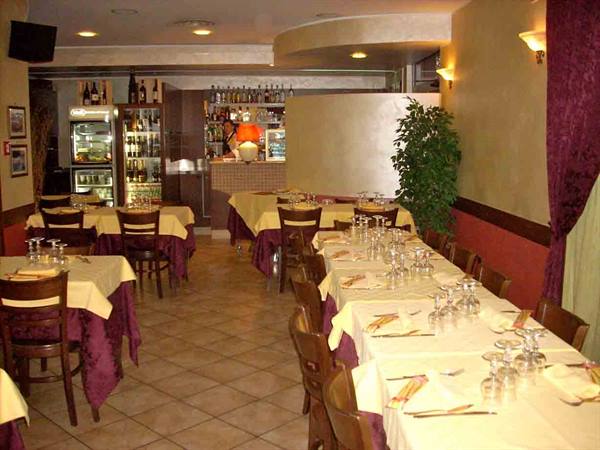
The first spinning mill was opened in 1832 by Giuseppe Puricelli Guerra in a wing of the family villa. We also admire several other villas, including the Villa Mylius, which also hosted the famous astronomer Barnaba Oriani and was the seat of the Town Hall until the construction of the Palazzo Bottoni in 1971. We also visit the Church of Santa Maria Ausiliatrice and after this lovely tour we decide to treat ourselves to a few more happy moments, reaching the Ristorante Happy Moments, on Viale Edison, not far from Sesto Rondò. Thanks to the favourable position of the venue, parking is not a problem at all. We settle into the large and elegant room, where Mr Francesco, the owner, welcomes us with great friendliness, immediately making us feel at ease.
"We opened this restaurant fifteen years ago, carrying out a "mission" that at the time could have seemed impossible: transforming the run-down neighbourhood bar that was in here into this restaurant. With the enthusiasm and commitment of many years of work, we did it," Francesco tells us, who runs the venue with his partners Mario and Silvana, as well as the whole staff. A friend of ours often comes to eat here at midday, greatly appreciating the fixed-price menu that changes all the time. We begin our dinner with a Lucanian board of cured meats and cheeses, but a good part of us instead choose the very rich seafood appetiser with hot and cold tastings, and tasty raw specialities such as carpaccios and tartare. Among the raw appetisers we taste oysters, scallops, prawns, langoustines, crustaceans and molluscs.
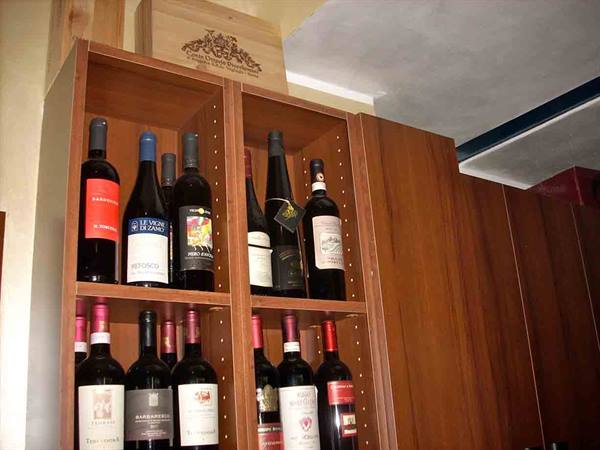
We continue with the exquisite fresh Lucanian pasta, including the scialatielli with porcini, the orecchiette al pastore with tomato, sausage and flaked ricotta. Those who prefer seafood specialities instead take the tagliolini with lobster and the linguine in parchment. We wash down these delicacies with excellent wines from the well-stocked cellar, which includes labels from all over the national territory. Among the main courses we taste rib steaks, fillets and tagliate, as well as the sea bass in an almond crust, the Neapolitan-style tuna and tasty grills. The fish dishes vary every day depending on what the market offers. To finish in great sweetness, we taste a fantastic homemade tiramisù, the panna cotta and various other tasty desserts created by the chef. The trip to Sesto San Giovanni was full of "happy moments", and going back will be one of our next happy moments.
Francesca Bertha
FOR INFORMATION:
Ristorante Happy Moments Viale Tommaso Edison, 452 Sesto San Giovanni (MI) Tel.: 02/36526724
The journey's photographs
14 photographs · click to open them full screen
0 reader comments