The story
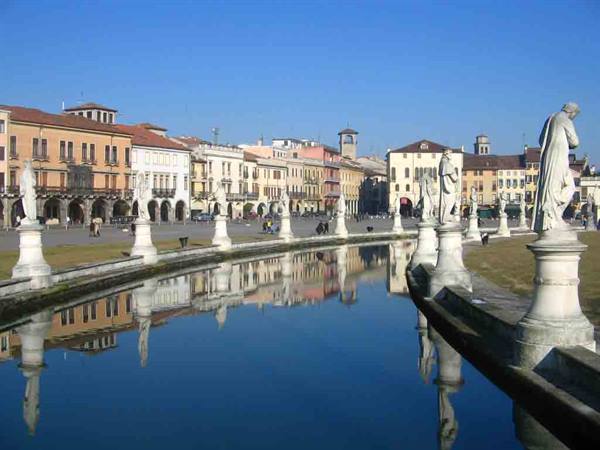
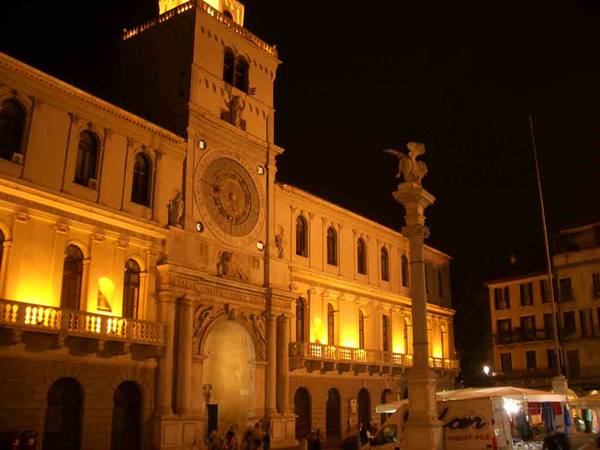
The city where Galileo Galilei invented and built the first telescope, which he used to write the first treatise on the celestial vault, the city where Francesco Petrarch settled for the last years of his life, the city that William Shakespeare called the "cradle of the arts", and where he composed and set "The Taming of the Shrew", the city where the perhaps most loved and venerated saint in the world, Saint Anthony, lived, preached and died: this is Padua, a wonderful forge of art and culture since the most ancient times. The place name Padua certainly derives from "Padus", the ancient name of the river Po, and the waterways, in particular the rivers Brenta and Bacchiglione, but also the twelfth-century Canale di Battaglia, have always been of the greatest importance in the city's economic life, also because of the presence of numerous mills.
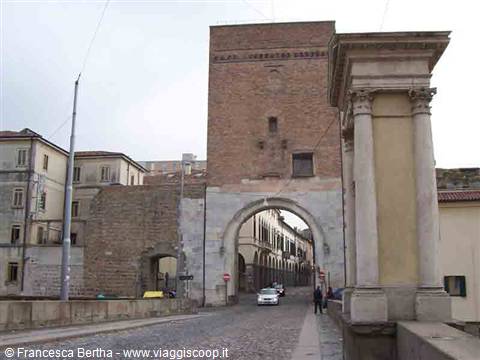
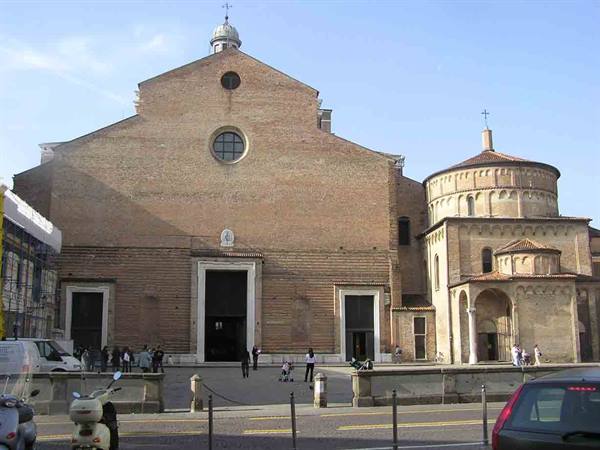
The water routes, which today are a tourist attraction, centuries ago connected Padua with Venice and with other centres, also serving as natural defensive walls. But Padua also has a remarkable set of real walls, built in four different periods, from the Roman era up to the sixteenth century. Porta Altinate and Porta Molino bear witness to the existence of the fourteenth-century wall, while the sixteenth-century one is almost entirely in an excellent state of preservation. Among the many splendid religious monuments we visit first the Duomo of Padua and the Baptistery.
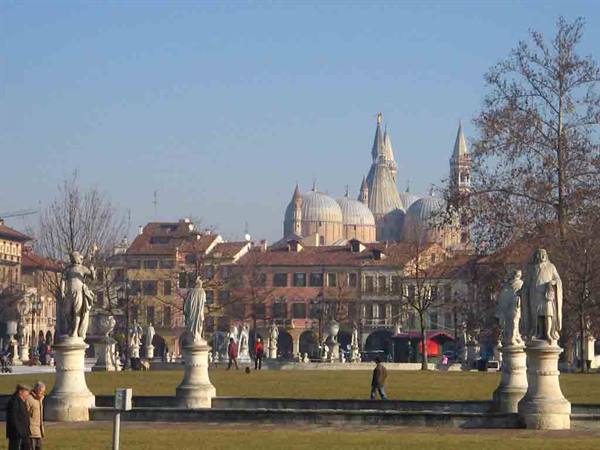
In the area of today's forecourt stood the city's first cathedral already in early Christian times, while the construction of today's church began in 1522, launching a monumental building site that would last for two centuries and which included the making of the presbytery according to the designs of Michelangelo Buonarroti. Inside, in the Chapel of the Madonna dei Miracoli we admire the famous miraculous icon of the Virgin with the Infant Jesus, which replaced the original, damaged in an accident, in 1647. When in Padua people say "Il Santo", everyone knows that this means Saint Anthony, the Portuguese religious known throughout the world for his miracles, who, invested with an important role in the Franciscan Order, made many journeys also in Northern Italy, choosing the convent of Padua as his permanent residence.
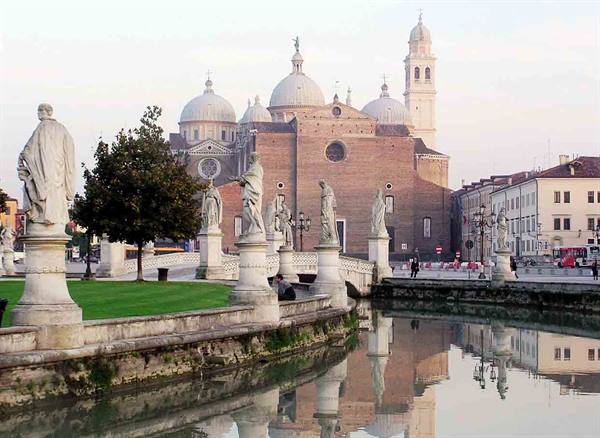
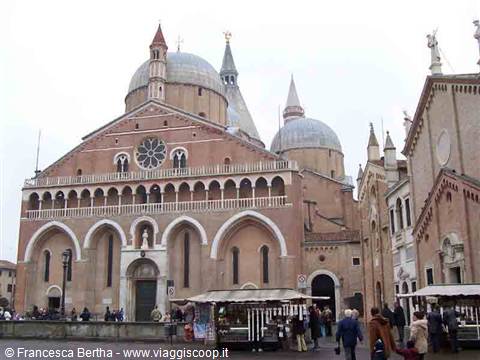
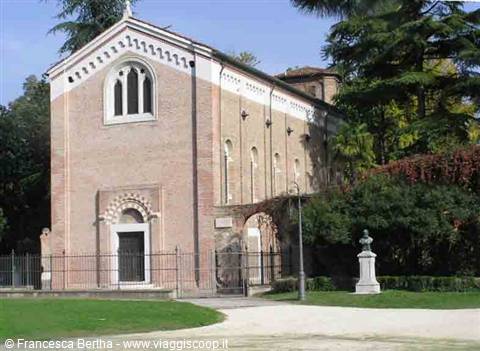
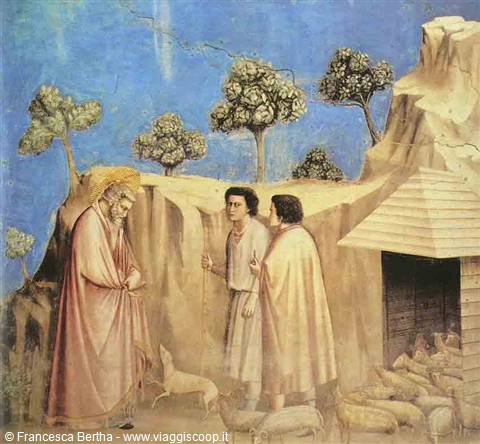
The Basilica of Saint Anthony is among the largest and most visited churches in the world, and inside it, besides the saint's tomb, numerous precious relics are also preserved. After the moving visit to the Basilica of the Saint, we move to the famous Scrovegni Chapel, which houses a very important cycle of frescoes by Giotto, centred on the theme of salvation. Among the endless historical details of the work, a curious scientific note stands out: Giotto had observed the passage of Halley's comet in 1301, depicting it as the Star of Bethlehem in the Adoration of the Magi. Padua is also one of the greenest cities in Italy, boasting the oldest university botanical garden in existence in the world, and it also preserves Saint Peter's palm, to which Goethe dedicated some writings.
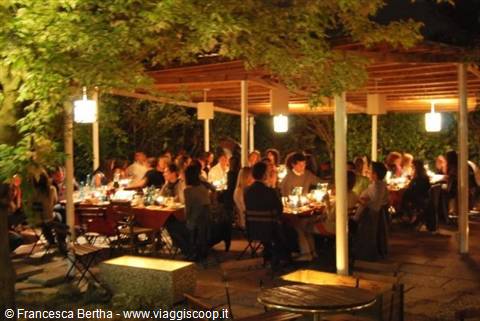
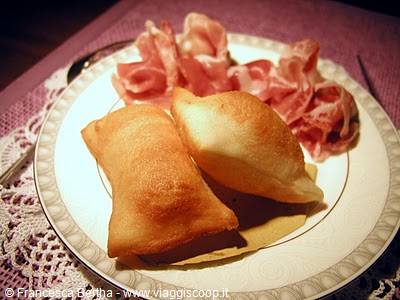
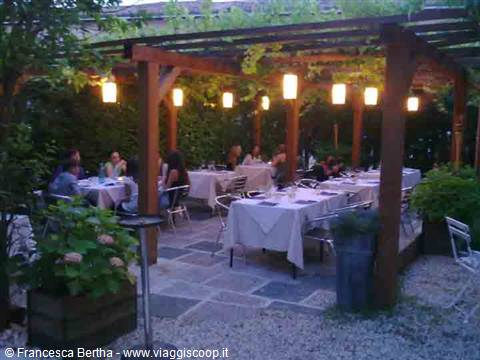
After this long walk through Paduan history and art, we decide to give in to the pleasures of the palate, stopping for dinner at the Ristorante La Casana, on Via dei Santi Fabiano e Sebastiano. It is a historic meeting place spread over two floors, with a rustic and relaxed atmosphere, where we immediately feel at ease. Chatting with the owners we discover that the venue also organises numerous events, from the Tuesday burlesque shows to the Thursday acoustic music evenings, up to lively and colourful themed parties at the weekend with music selected by the best DJs, as well as birthdays, private parties and company dinners. We begin our dinner in the name of home-cooking flavours with refined appetisers such as the delicious Emilian fried gnocco with Parma ham and the fillet tartare flavoured with spices and citrus fruits.
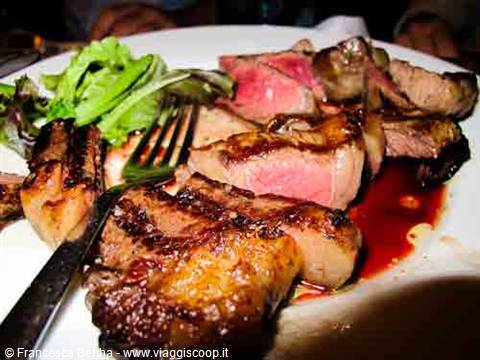
We continue with exquisite first courses made with fresh pasta, including the strozzapreti with taleggio wrapped in speck and the green tagliatelle made in-house with gorgonzola cream and diced grilled cooked ham. We also taste some lovely risottos with seasonal vegetables. In choosing the main courses we split between the beef tagliata with balsamic vinegar on a bed of rocket and Grana Padano shavings, the picanha in a coarse-salt crust and the hamburger in onion and balsamic vinegar sauce. Some of us instead choose grills and grilled meat. The sweet epilogue of the dinner tempts us with delicious homemade desserts, among which we taste the tiramisù, fruit tarts, the chocolate cake and the walnut cake, one better than the other.
There is still so much to discover in this wonderful city, so we are certain we will return soon, also to spend a lovely evening dining in the outdoor garden and afterwards enjoying ourselves at one of the next parties.
Francesca Bertha
FOR INFORMATION:
Ristorante La Casana Via dei Santi Fabiano e Sebastiano, 13 Padova (PD) Tel.: 049/720146 Info and bookings: 349/3906142
The photos relating to the city's monuments come from Wikimedia Commons, and where they are not in the public domain they are published under the Creative Commons "GNU Free Documentation License". The photo of the fried gnocco comes from the website
The journey's photographs
14 photographs · click to open them full screen

0 reader comments