Tripscoop›Europe›ITALY›At the Mouth of the Trebbia, Between History and Good Food: A Day in Piacenza
ITALY · Europe
The story
The pleasure made city: that is how Piacenza presents itself, starting with its name, which comes, indeed, from the Latin Placentia. It is with this excellent premise that we arrive here on a beautiful day at the start of the year, to be devoted to this city of art so close to Milan both geographically and culturally, even though it belongs to Emilia Romagna. We are in the Po Valley, but arriving here we were able to see from afar the first chains of the Piacenza Hills, which in some way anticipate the heights of the Ligurian Apennines. The first inhabitants of these lands, populated since antiquity, were Ligurian peoples, followed by the Etruscans and the Celts, up to the founding of the city by the Romans, which took place in 218 BC.
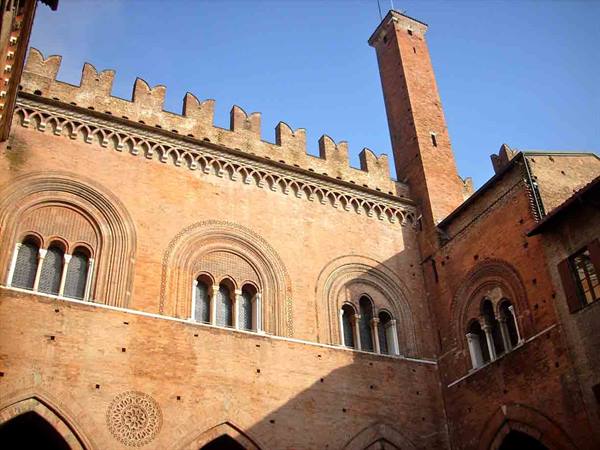
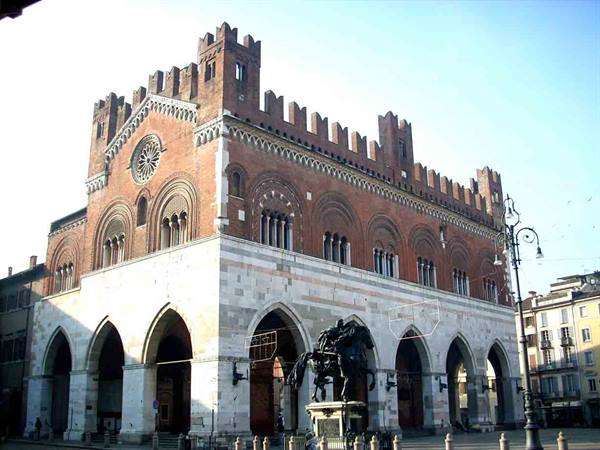
Piacenza stands on the right bank of the Po, and the river, besides having had great importance in history from a logistical, economic and defensive point of view, also represents for the people of Piacenza an emotional bond with their city. In "Mondo Piccolo. Don Camillo", Giovannino Guareschi says, with parochial fantasy, that "the Po, the only respectable river that exists in Italy, begins at Piacenza". And he adds: "The fact that from Piacenza upstream it is always the same river means nothing". Piacenza is often called the City of Palaces, thanks to the presence of numerous aristocratic and bourgeois residences, including "il Gotico", the palace where the Town Hall is based. Piacenza is a very liveable city, full of gardens, as well as a long series of monuments that bear witness to the era of the Duchy of Parma and Piacenza.
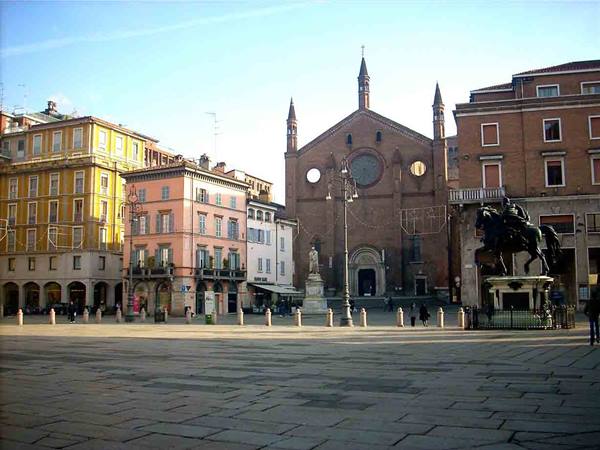
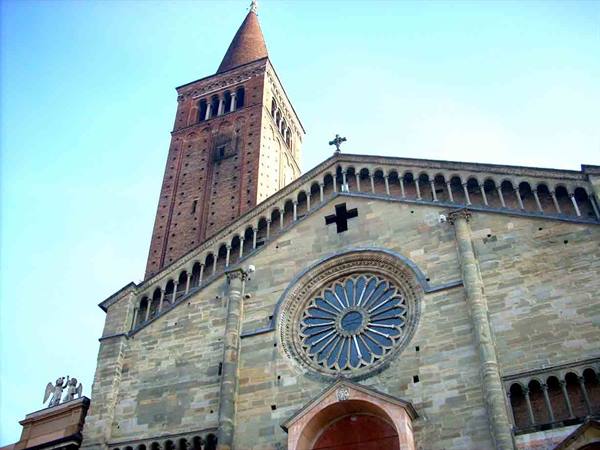
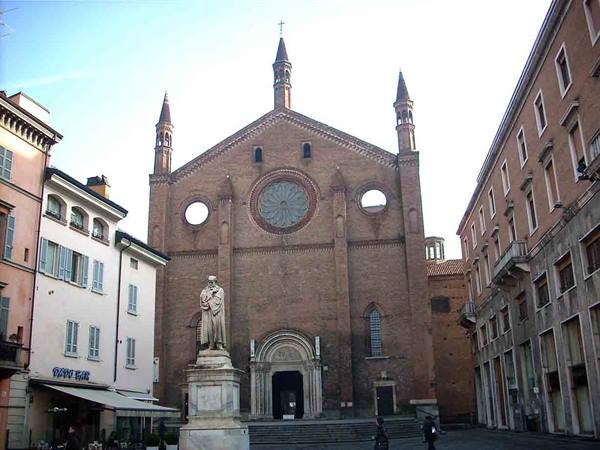
We began our tour from the Duomo and continued with a visit to the Basilica of Sant'Antonino, the patron saint. In this Romanesque church, commissioned by Saint Victor, the first bishop of Piacenza, the delegates of the Lombard League and the emperor Frederick Barbarossa met in 1183 to sign the preliminaries of the Peace of Constance. The Basilica preserves inside it the relics of the Christian martyr Antonino, as well as the five canvases by De Longe, depicting scenes from the life of the saint. Piacenza was the birthplace of numerous figures in art and culture, from the politician and writer Melchiorre Gioia to Giorgio Armani and the footballers Simone and Filippo Inzaghi. Speaking of elegance, beauty and sports myths, we took the opportunity to visit the Vespa and Scooter Museum, a gold mine for enthusiasts of the kind.
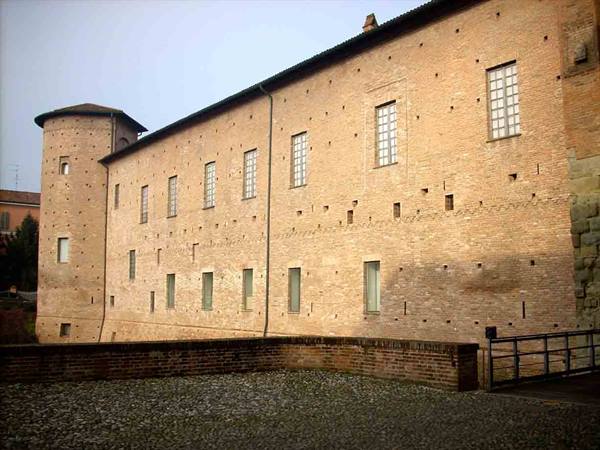
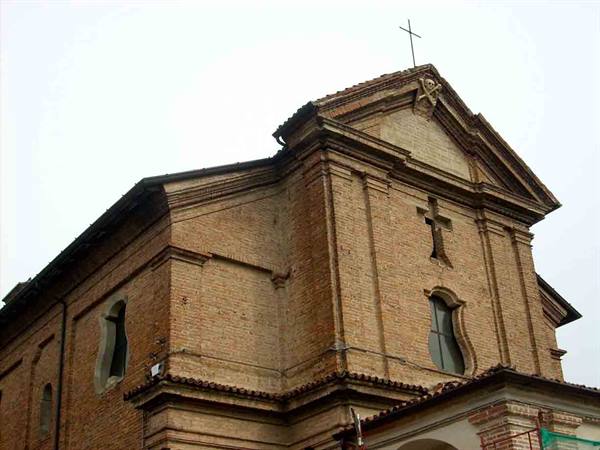
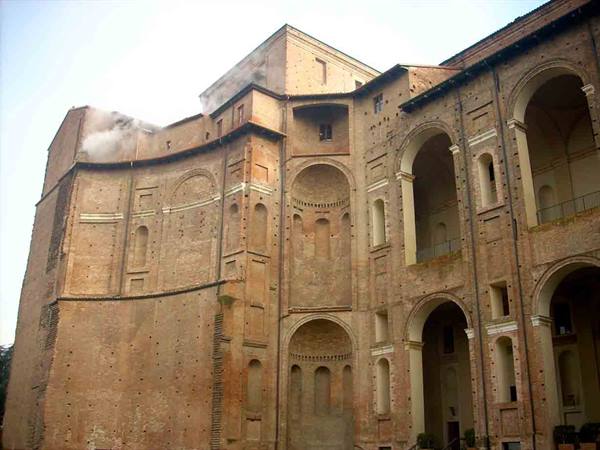
Certainly we also did not neglect the most important museums of the city, such as those of the imposing Palazzo Farnese, which retrace the history of art from the Middle Ages, and the Natural History Museum, which also contains an interesting nineteenth-century herbarium and an ornithological collection. Speaking of nature, after this lovely tour of the centre, we move to the Borgotrebbia hamlet, rich in history and opportunities for relaxation. Here, in the Camposanto Vecchio neighbourhood, right by the mouth of the Trebbia, stands the eighteenth-century Church of the Beata Vergine del Suffragio, recently restored and reopened to the faithful.
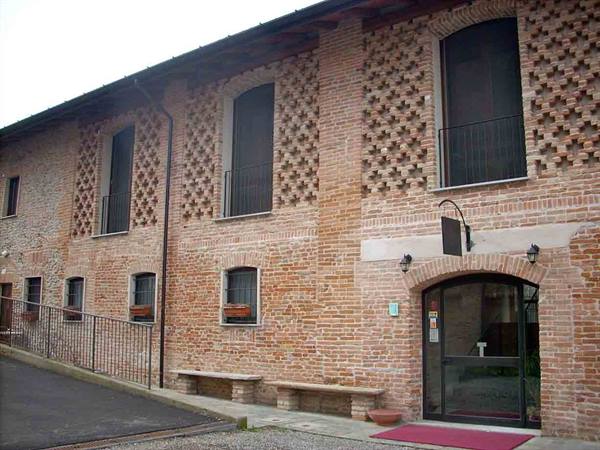
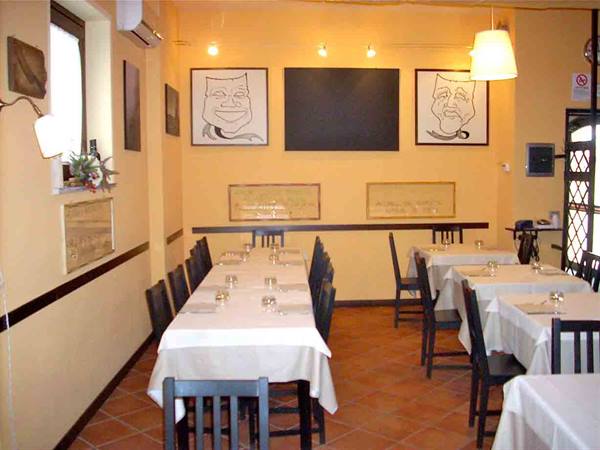
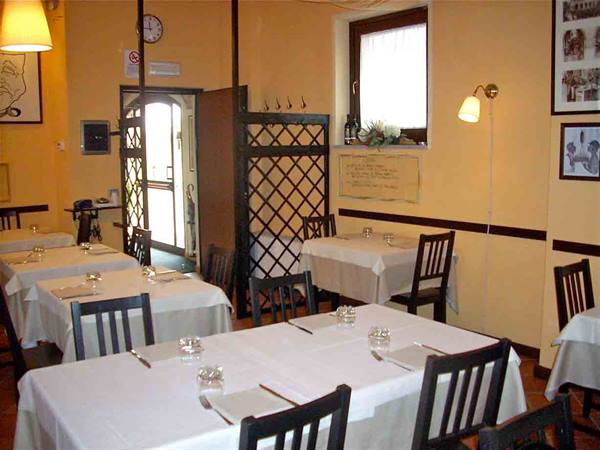
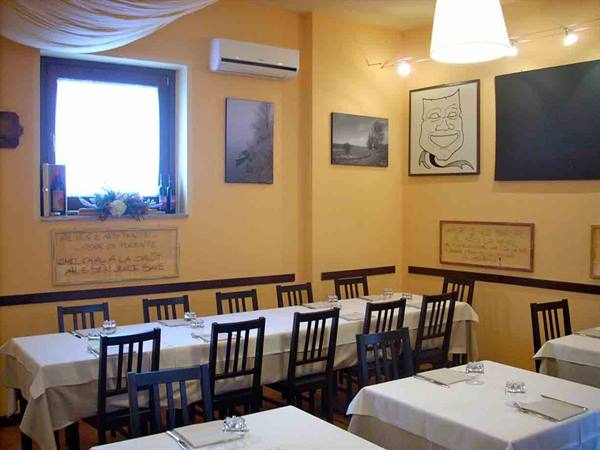
Also known as the church of the plague victims, since the bones of the victims of the 1630 plague were placed here, the religious building was for a long time wrapped in an air of gloom, also following acts of vandalism that had led to its deconsecration. Today, thanks to the commitment of the parish priest Don Pietro Cesena and the support of the order of the Knights Templar, the church has returned to being a wonderful place of prayer and contemplation. Right next to the church is the Ristorante La Casa del Fiume, run since April 2011 with great enthusiasm by Alessandra and Paolo. We settle into the bright room, immediately starting to read and decipher the Piacenza dialect proverbs that decorate the walls. Thus immersing ourselves in the traditions of the place, we are ready to enjoy a dinner in the name of local flavours.
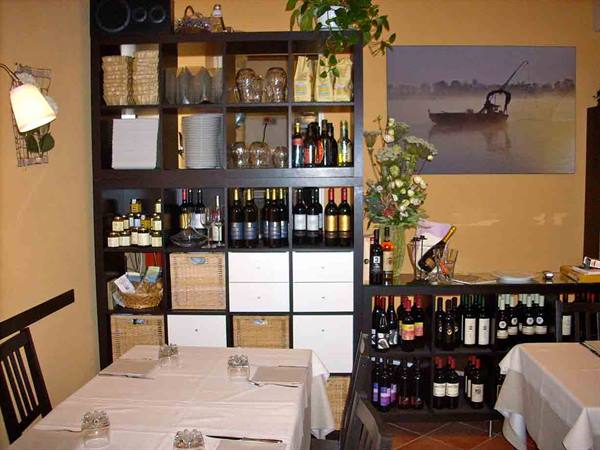
We begin with mixed Piacenza cured meats including pancetta, mariola, coppa and salame. We continue with the Piacenza tortelli with ricotta and spinach, the anolini in broth and the very typical pisarèi e fasò. We accompany these delicacies with excellent wines from the Piacenza Hills such as Gutturnio, Barbera and Ortrugo, as well as a small selection of other regional wines. In choosing the main courses we range between horse stew with polenta, mixed boiled meats and grilled tagliate and Fiorentina steaks. To conclude in great sweetness, we choose a very good chestnut tart with pears and chocolate, the zuppa inglese and the soft chocolate heart.
A few steps from the restaurant there is also a lovely playground surrounded by greenery: when we return to these parts during the season, we will be able to spend a lovely afternoon among walks along the river, keeping the children entertained too.
Francesca Bertha
FOR INFORMATION:
Ristorante La Casa del Fiume Strada Aguzzafame, 75 Piacenza (PC) Tel.: 0523/498237
The journey's photographs
13 photographs · click to open them full screen
0 reader comments