The story
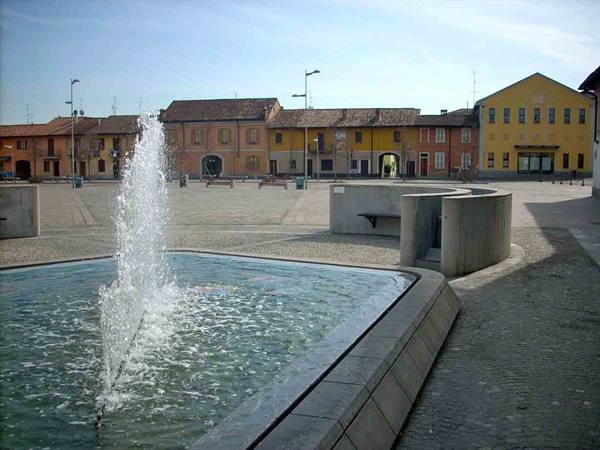
This time we decided to follow in Napoleon's footsteps, "conquering" a beautiful city of art that stands on the banks of the river Adda. The charm of these places was already known to the Celtic Boii, whose ancient village, Laus Pompeia, stood right here. In Roman times the city was a flourishing commercial and agricultural village thanks to its strategic position. Today's Lodi was, however, founded by the emperor Frederick Barbarossa on 3 August 1158, after Laus Pompeia was razed to the ground by the Milanese in 1111. Lodi is also, in a way, the city of miracles: the Tempio Civico dell'Incoronata stands on the site where there was once a brothel, with an image of the Madonna beside it. Various miraculous events are attributed to this image, as a result of which the devout population decided to erect the Temple.
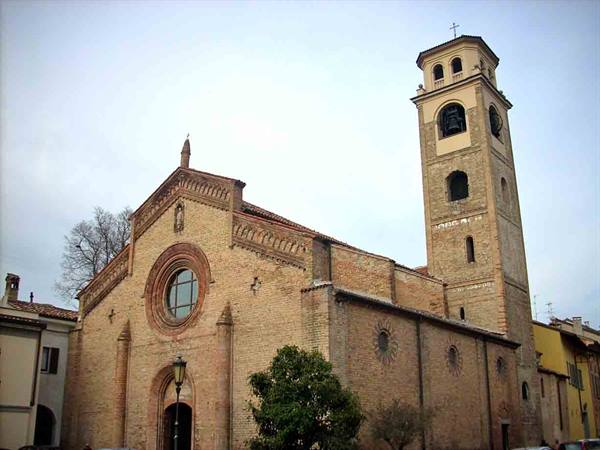
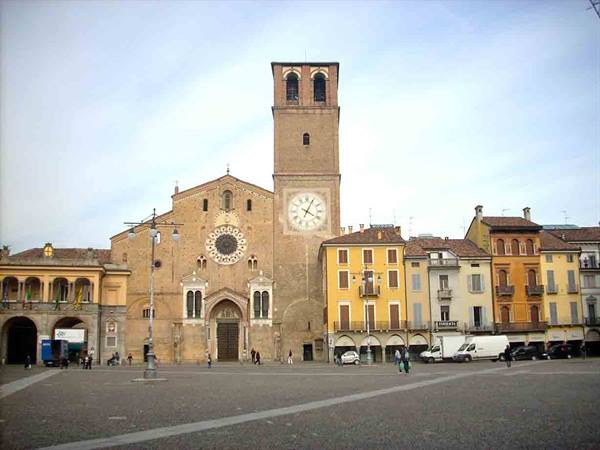
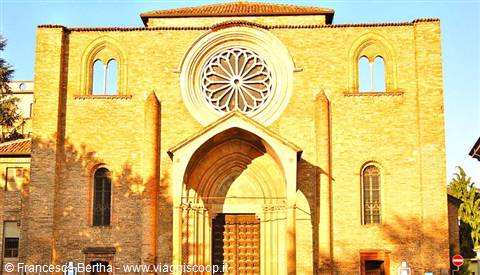
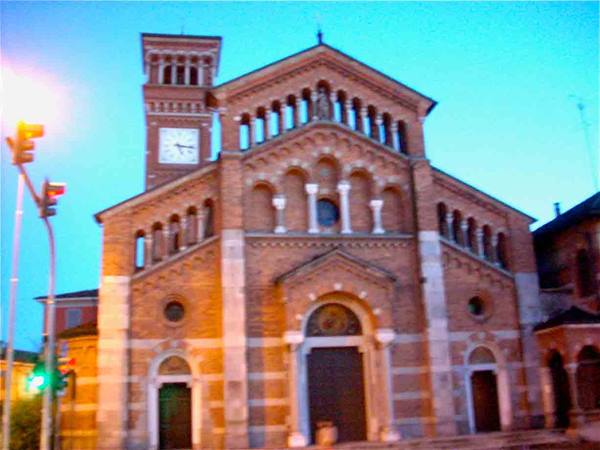
At the Church of Santa Maria Maddalena, on the other hand, a miraculous Crucifix is venerated, found intact among the piers of a bridge after a flood of the Adda. One of the largest churches in Lombardy is the Duomo of Lodi, which they began to build on the very day that Barbarossa refounded the city. Dedicated to the Assumption of the Virgin, the Basilica dominates the striking Piazza della Vittoria and preserves remarkable works of art, including a polyptych by Callisto Piazza. The Church of San Francesco, on the other hand, is a splendid unfinished work, whose imposing terracotta facade has never been completed. Inside it are preserved the remains of several illustrious figures, including those of the poet Ada Negri.
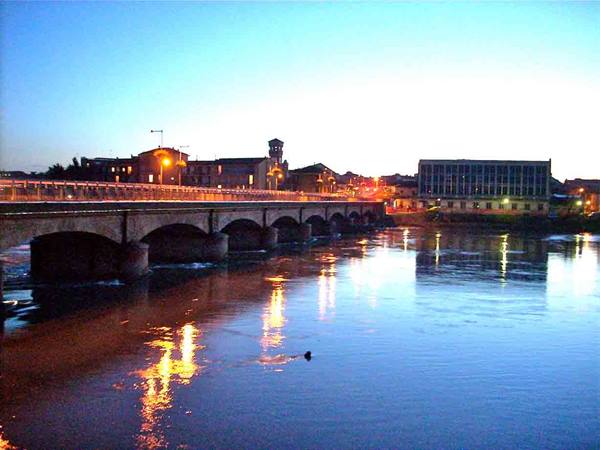
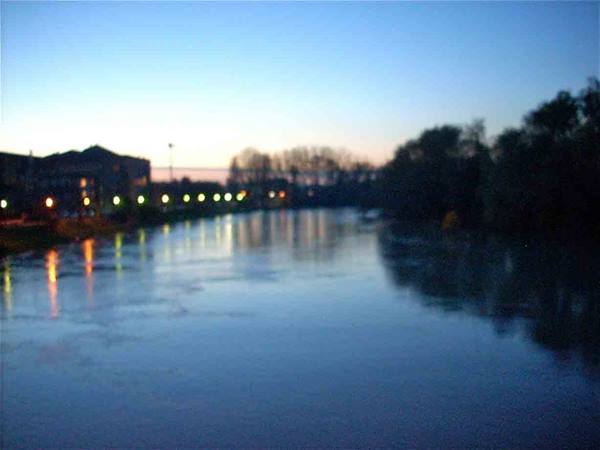
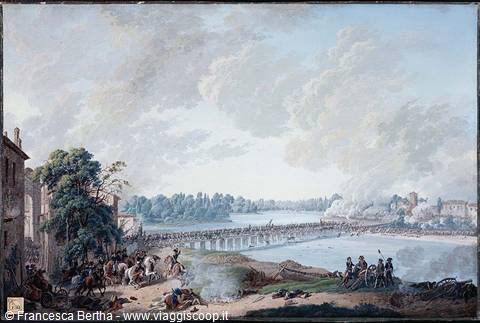
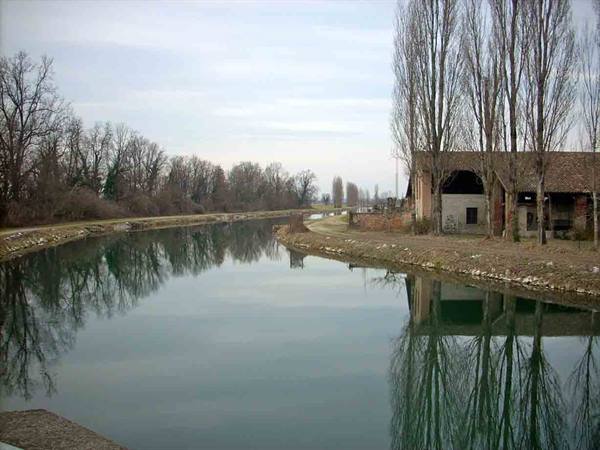
Thus arriving at the time of Napoleon, we reach the beautiful Ponte sull'Adda, near which the famous Battle of Lodi Bridge took place in 1796, in which Bonaparte defeated the Austrians. The important historical event is remembered by a plaque, but also by a painting by Giuseppe Pietro Bagetti. Crossing today's bridge, built in 1864 on the site of the original wooden bridge, a striking panorama of the Adda opens up, which also includes the cycle paths along the river. Lodi's artistic production also extends to the famous Vecchia Lodi ceramics, which today can be admired at the Museo Civico, as well as at the Ceramica Artistica Lodigiana factory in Via San Fereolo, where visits and ceramics workshops for children are organised. After this lovely tour of the city, we decide to stop for dinner at the Ristorante La Quinta, on Viale Pavia.
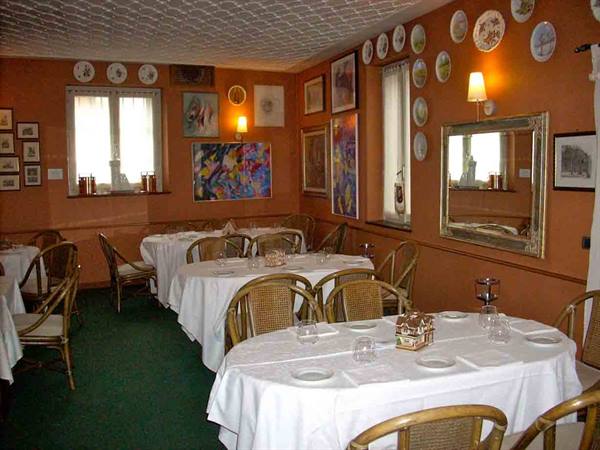
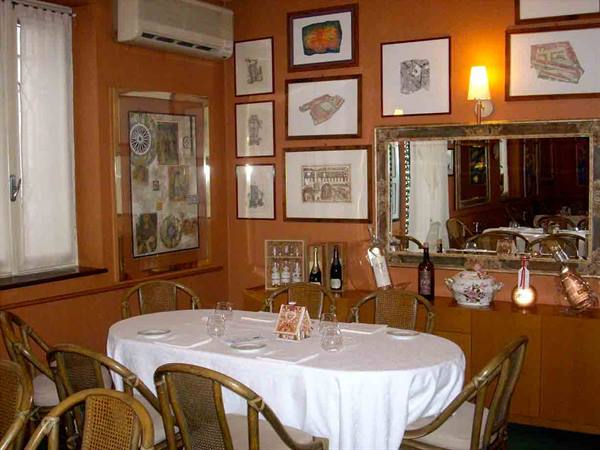
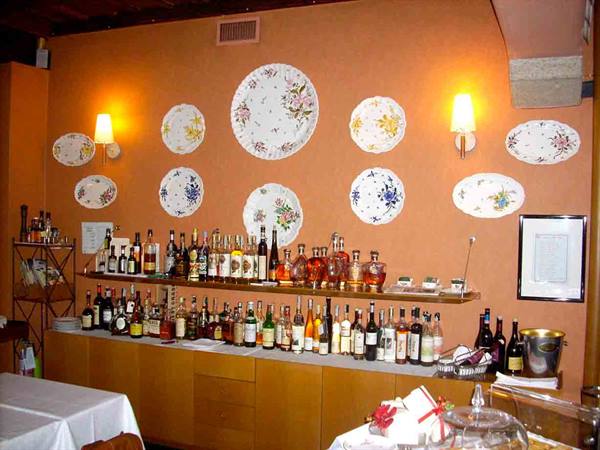
Settling at the tables of the elegant venue with its family atmosphere, we are very pleased that the children who are with us are welcomed with great joy. "We adore children, and they have never bothered us with their liveliness, quite the opposite. Perhaps also because we keep them entertained; we prepare coloured pasta or yellow rice for them," Annarita tells us, the expert sommelier of the by now historic restaurant, run since 1966 by her family. "At first the venue founded by my father Sergio and my uncle was called "Il Tram" and was in a Liberty villa. In 1982 this restaurant was born, and from the original location in Piazza della Vittoria we moved to this area, very convenient for the motorway and parking, in 1997," explains Annarita, who runs the restaurant with great enthusiasm together with her brother Stefano, who is the cook, and her parents.
We begin our dinner in the name of the best local flavours with the fried Lodigiano, a dish devised by the venue but with its roots firmly in tradition, enhancing the so-called fifth quarter: kidney, brains, sweetbreads, as well as frogs and snails. We also taste a little omelette with raspadura, while the seafaring souls of the group taste a very colourful raw seafood platter. We continue with the Royal quail risotto, creamed with mascarpone, the pannerone and Tipico lodigiano tortelli with liver ragù, bean and lentil cream, and for those who choose sea flavours, the lobster pappardelle with Vesuvian cherry tomatoes. All the pasta is made in-house and the menu changes every two weeks. We continue with another traditional speciality, the Lodigiano-style sturgeon, then tasting the Royal pigeon in two ways with chocolate cream, blackberries and a crostone of its livers.
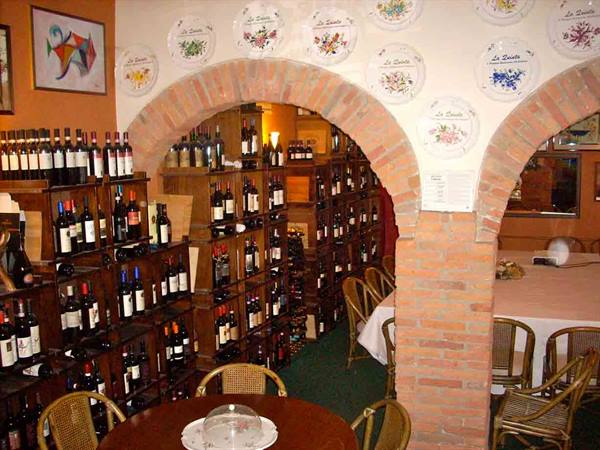
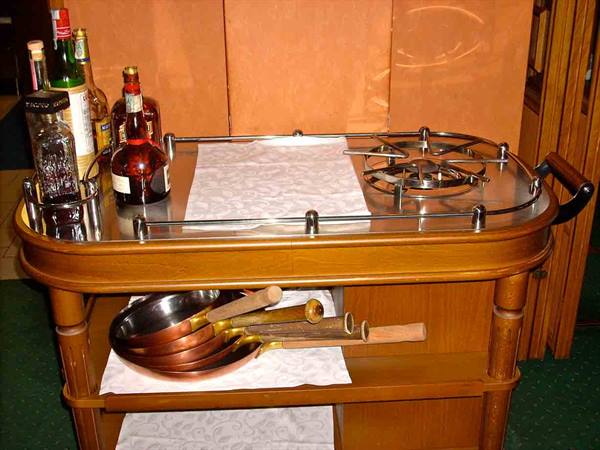
Some of us instead opt for the trifolato veal kidney with polenta. We wash down these delicacies with excellent wines, chosen from about 400 national labels to which are added a hundred distillates, selected by the sommelier Annarita. Finally, we give in to the sweet temptation of the desserts, tasting specialities created with mascarpone, typical of the area: the mascarpone ice cream with chestnut honey, the sabbiosa with mascarpone cream and a spectacular berry flambé, served from the trolley. The next time we come back here, perhaps we will also happen to take part in one of the itinerant aperitifs organised by the Ristorante La Quinta, at the very nearby Folli Geniali contemporary art museum.
Francesca Bertha
FOR INFORMATION:
Ristorante La Quinta Viale Pavia, 76 Lodi (LO) Tel.: 0371/35041
The journey's photographs
14 photographs · click to open them full screen
0 reader comments