The story
A city where, as you walk, you tread in the footsteps of Leonardo da Vinci's Lady with an Ermine, you come across churches that tell of miracles, but also greedy districts that make you think of excellent biscuits and the most drunk Italian liqueur in the world. You could also take a bike ride in the park of the Lura stream, or give in to nostalgia on the waves of some of the first free radio stations in the province of Varese, such as Radio Saronno Continental, all under the protective gaze of the countless angels that live beside the people of Saronno. A precious mosaic whose tiles are art, spirituality, taste, but also nature and tradition that continues its course in the context of a modern city: this is how Saronno appeared to us during our day out.
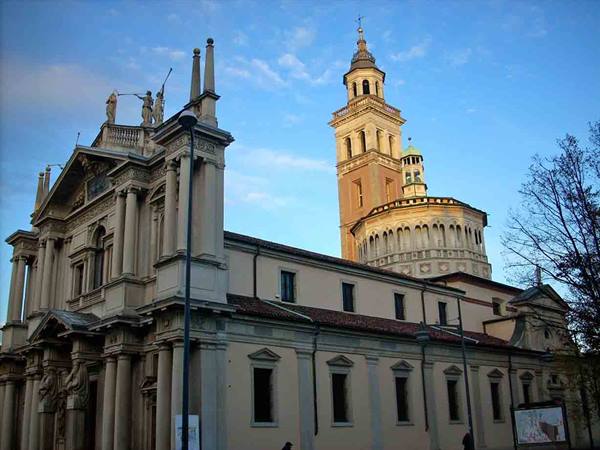
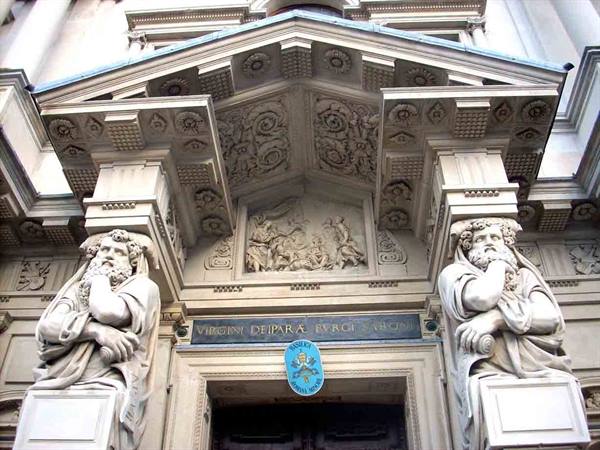
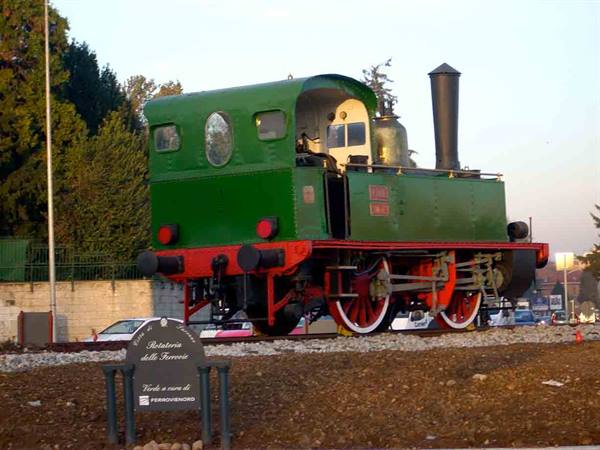
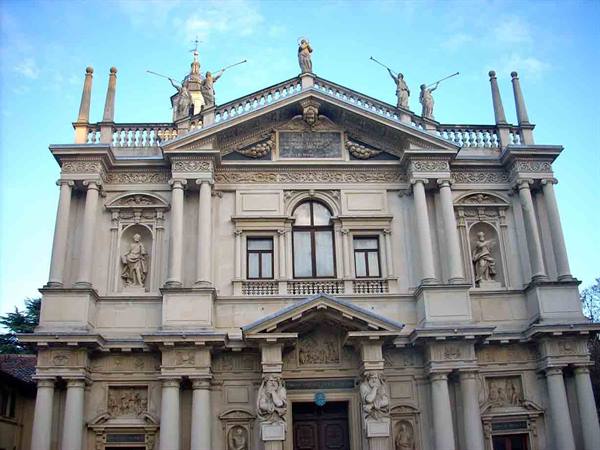
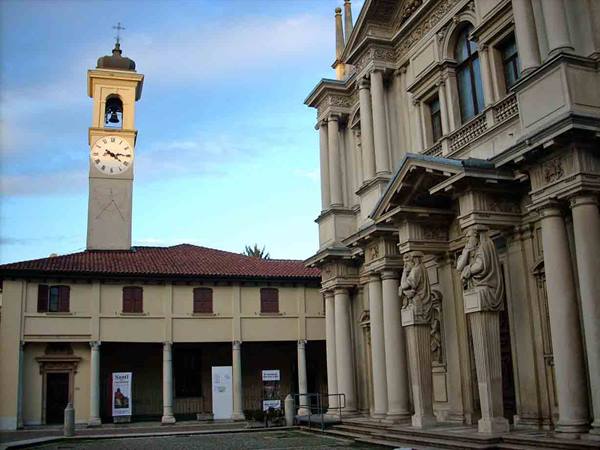
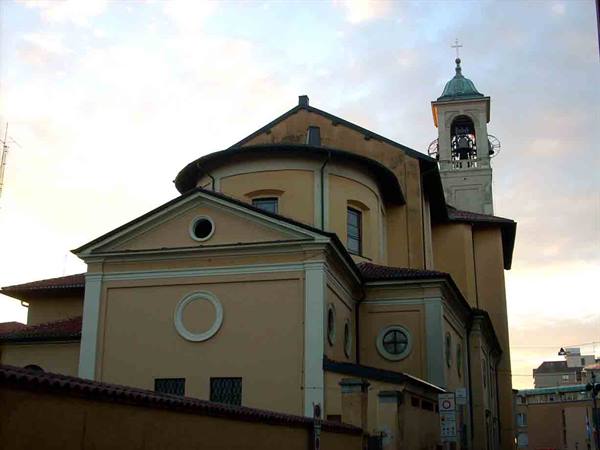
We arrived here by car, but the first curious thing we saw was a train: or rather, an old restored locomotive that in the middle of a large roundabout reminds those entering the town that Saronno is the central hub of the Ferrovie Nord Milano. From railways to radio, the town has communication in its DNA. First mentioned in 796 in a notarial deed, when it was still called Vico Salomno, Saronno is also famous for its splendid Sanctuary of the Beata Vergine dei Miracoli, which stands on the site of the miraculous healing of a certain Pedretto, suffering from incurable sciatica, which happened in 1447. Another similar miracle was confirmed in 1460, and on the site the faithful erected a small church. The current Sanctuary, in Renaissance style, was built from 1484, and enlarged in 1498 following the numerous graces received that brought so many pilgrims to the place.
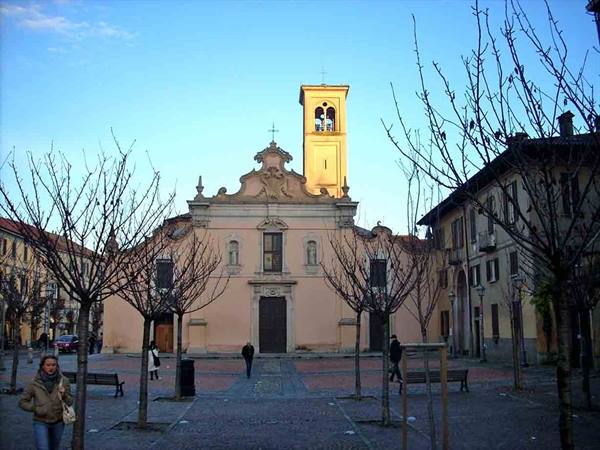
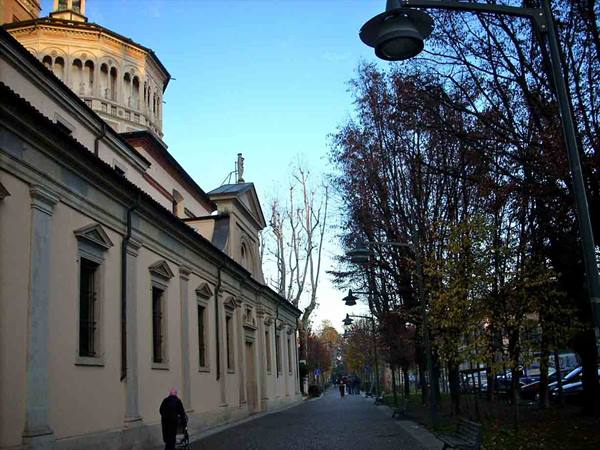
The design is almost certainly the work of Amadeo, who was also the architect of the Milan Cathedral factory. And it is partly thanks to the frescoes found inside the Sanctuary that Saronno is called the City of Angels: in the works of Bernardino Luini and Gaudenzio Ferrari many angels appear, as well as in the Church of San Francesco, in the chapel of the Archiepiscopal College, up to the entrance portal to the courtyard of Palazzo Visconti, guarded by a group of statuettes depicting angels. We also had time to visit the Museo Giuseppe Gianetti, dedicated to collections of precious and antique porcelain and ceramics. Although it is a modern city, in which you breathe the air of Lombard efficiency, in Saronno several ancient religious traditions are also more than alive, such as the Trasporto del Crocifisso, which has taken place every year since 1734.
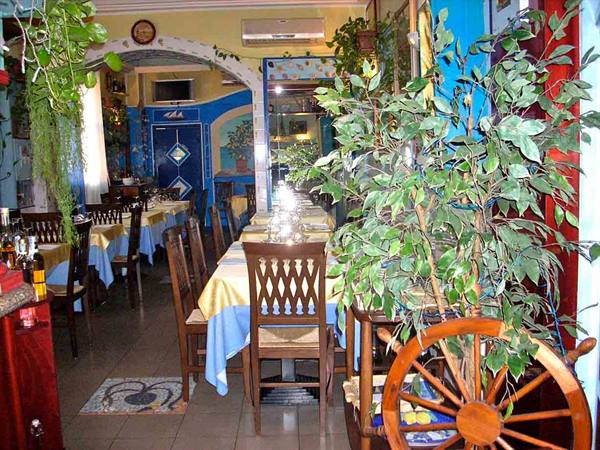
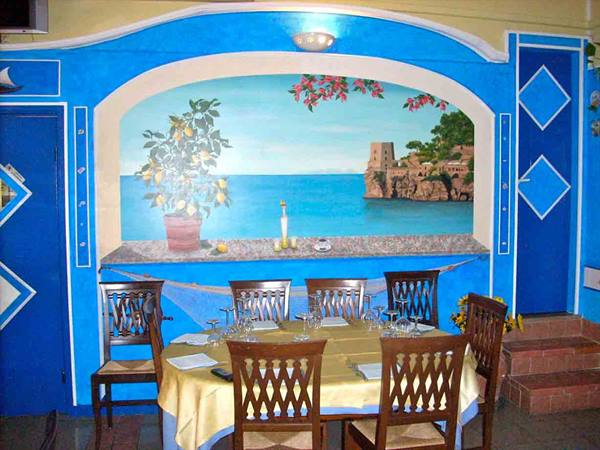
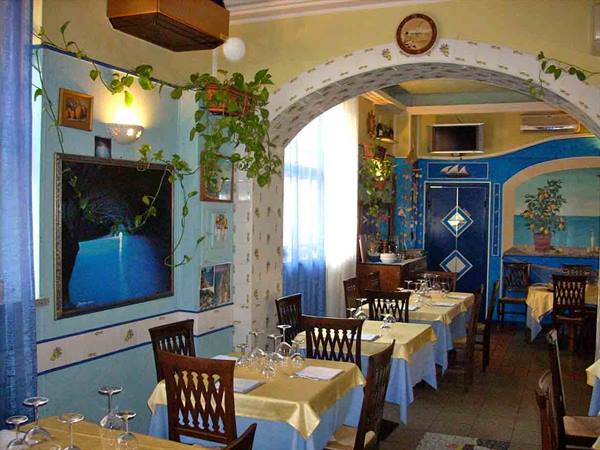
After this lovely walk we decide to “unite Italy” at the table, giving in to the temptation to enjoy a Neapolitan dinner at the Ristorante Positano da Biagio, in Piazza Borella. From the Lombard winter we are, as if by magic, transported to the summer of the Amalfi Coast, whose Mediterranean atmospheres are also recalled by the furnishings and decorations: it really feels like sitting on a terrace overlooking the sea. “We opened this place in 2003, after many years working in the North, always with the dream in the drawer of one day being able to offer the flavours of my land in a restaurant of my own, family-run. Before us there was a bar-trattoria here, when we arrived we beautified the setting, for example with the original Vietri tiles”, Mr Biagio tells us, who runs the restaurant together with his wife Lina and his son Raffaele.
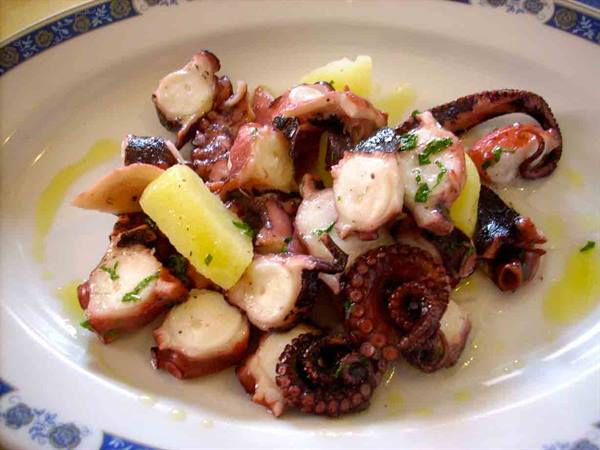
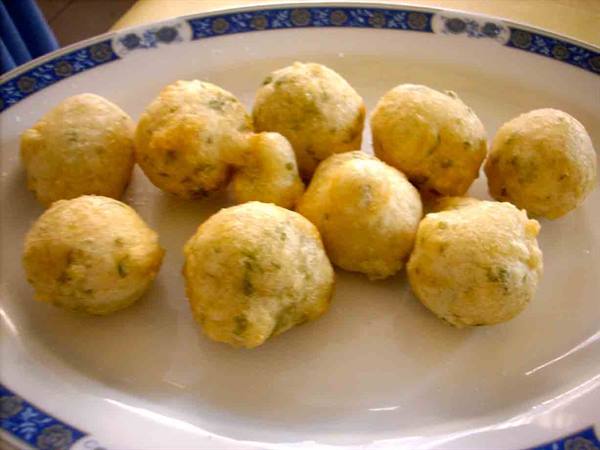
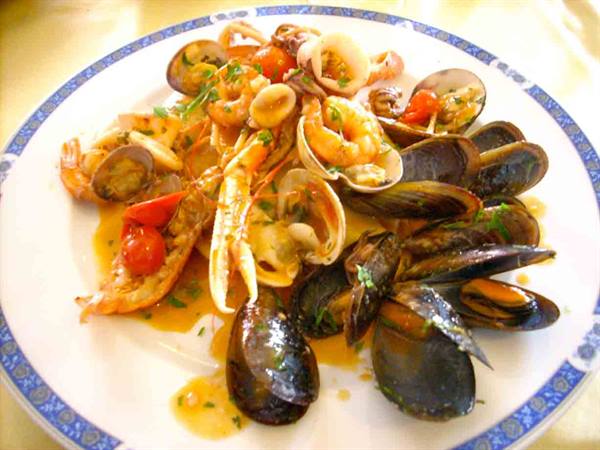
We start with a rich raw seafood appetiser, including oysters, clams, sea urchins, swordfish and tuna tartare, scampi and red prawns. We also taste anchovies and marinated salmon, au gratin scallops, arreganate anchovies and baby octopus alla Luciana stewed with cherry tomatoes, capers and olives. We continue with spaghetti with clams in parsley and caciocavallo sauce, homemade strascinati with lobster and seafood and paccheri marechiaro, made with razor clams, clams, fasolari and grana shavings. We wash down these delicacies with excellent Campanian wines, including Greco di Tufo, Fiano and Falanghina. In choosing the main courses we range between the spigola acquapazza, a much-requested classic, the swordfish alla vesuviana, the baby cuttlefish with potatoes and the sea bream fillet in lemon sauce with parsley potatoes.
Finally, we willingly give in to the many sweet temptations of the desserts, tasting the rum-soaked babà, a delight that pushes us to fully agree with Marisa Laurito who sang “Il babà è una cosa seria”, and we also taste the caprese cake, the Sorrento delights, the millefeuille, the classic Neapolitan pastiera and the pear and chocolate cake. The creativity of Saronno and the Campanian family warmth warmed this winter day for us, and we have no doubts: we will return here also in the warm season for trips to the Park, new walks and evenings devoted to good food.
Francesca Bertha
FOR INFORMATION:
Ristorante Positano da Biagio Piazza Borella, 18 Saronno (VA) Tel.: 02/9605461
The journey's photographs
14 photographs · click to open them full screen
0 reader comments