The story
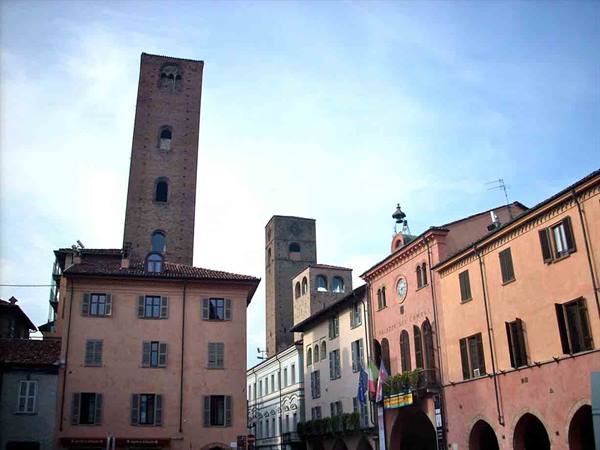
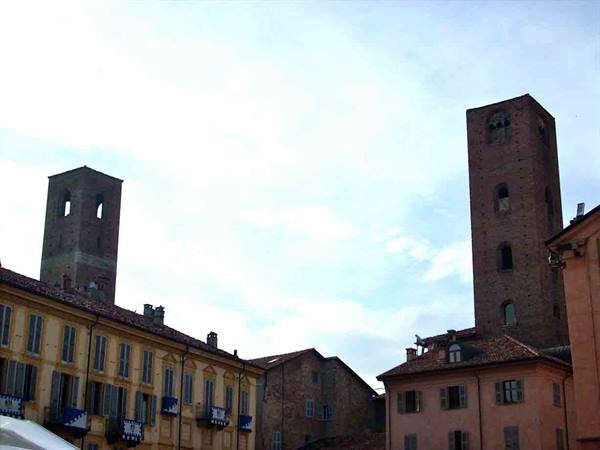
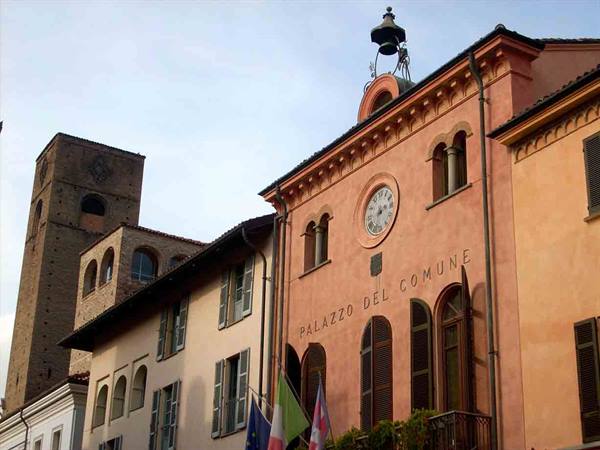
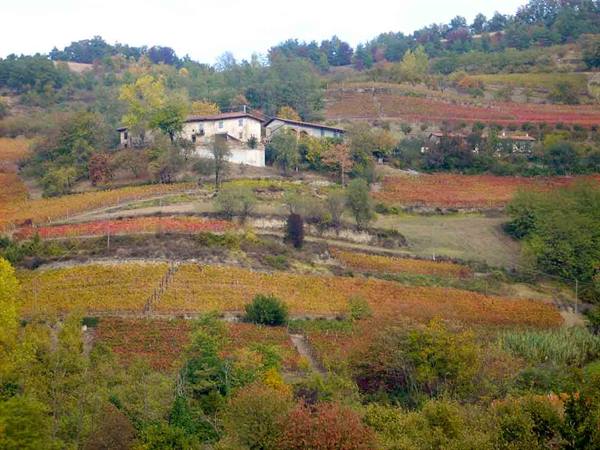
You arrive in Alba crossing a wonderful hilly landscape, set among the vineyards of the Langhe and Roero, and dotted with little villages and castles that seem to have come out of a fairy tale. Passing through here thousands of years ago, we would have seen the round huts of the Ligurian Statielli, who occupied themselves with hunting and farming and made objects in ceramics. In the streets of Alba you immerse yourself in the evocative medieval atmosphere of the historic centre, famous for its hundred towers, built between the 14th and 15th centuries and used, during the struggles between Guelphs and Ghibellines, also as prisons. The polygonal walls around the city were built in Roman times, then reinforced in the Middle Ages.
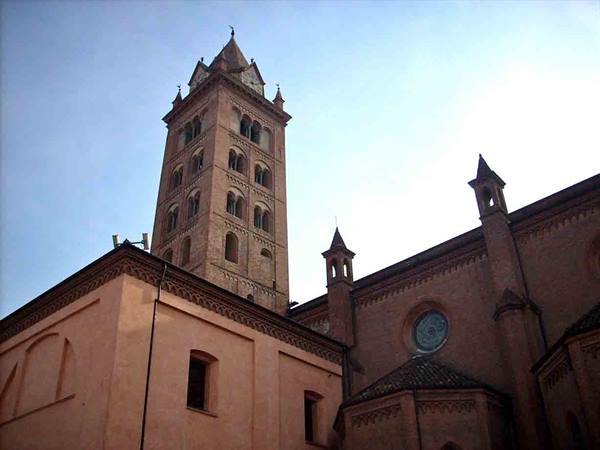
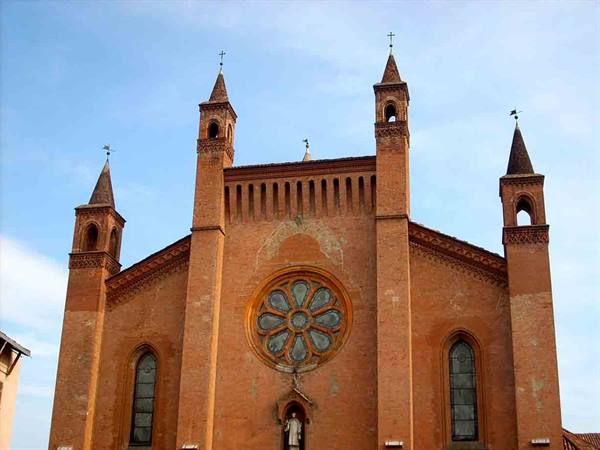
But it isn't only the walls that have Roman origins: wine-growing too, which, besides the mythical truffles, makes Alba a paradise of food and wine tourism, was already a flourishing and advanced activity in the days of Alba Pompeia. During our little tour of the centre we admire many beautiful churches, among them the imposing Cathedral, with a very tall bell tower. In Alba cultural and artistic activities soon began to flourish. In the eighteenth century the philharmonic-literary Academy, created by the canon Odella, was of great prestige. Speaking of literature, the writer and partisan Beppe Fenoglio was born here; he told the story of the first partisan republic, set up in Alba in 1944.
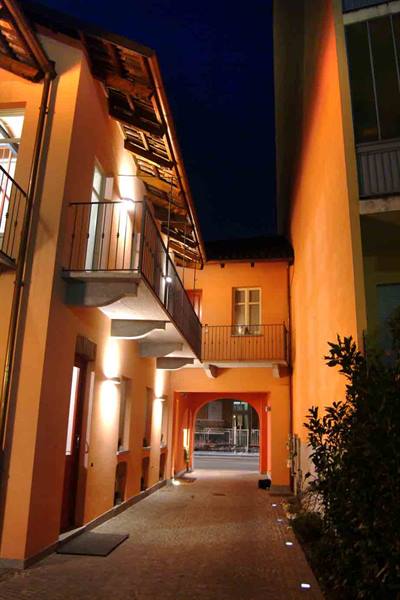
It was in the first decades of the twentieth century that the city began to become the destination of many tourists in search of authentic flavours, drawn here by the "Mozart of mushrooms", as Gioacchino Rossini had called the truffle. Since 1929, in the month of October, the White Truffle Fair and the Truffle Baccanale are held, a very colourful and mouth-watering historical re-enactment. But that's not all: anyone arriving in Alba on the first Sunday of October can watch the very entertaining Palio degli Asini and the Giostra delle Cento Torri. After this afternoon of strolling through the traditions of Alba, we reach, a stone's throw from the centre, the Locanda Cortiletto d'Alba, situated in Corso Coppino.
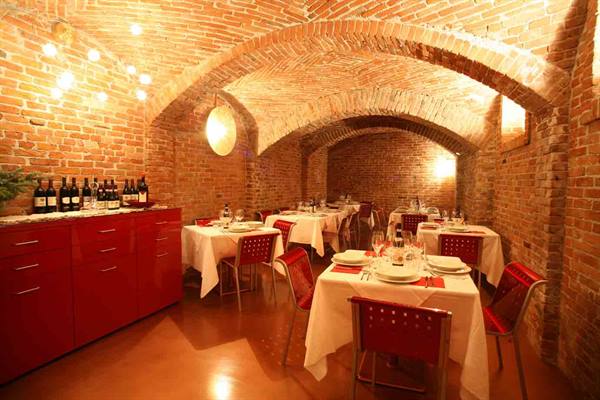
After settling into our rooms, furnished in modern style, we take our places in the evocative dining room of the restaurant, carved out of the cellar with barrel vaults of original exposed brick. To welcome us, with great helpfulness, is Mrs Marisa, the owner who runs the inn together with Alberto, Mirena, Agnese and Ella. "The inn was born from a careful renovation of historic premises and old cellars, built on the ancient bastion of Alba," Mrs Marisa tells us. You breathe a family atmosphere, and often the dishes are created to measure for the customer, by true "tailors of the kitchen". Artists are frequent guests too, as the numerous signatures on the reception wall testify. We start our dinner with the Locanda's Apribocca: lard marinated in Nebbiolo grape marc, Alta Langa tuma foam on a crouton with extra virgin olive oil, and the truffled stuffed onion.
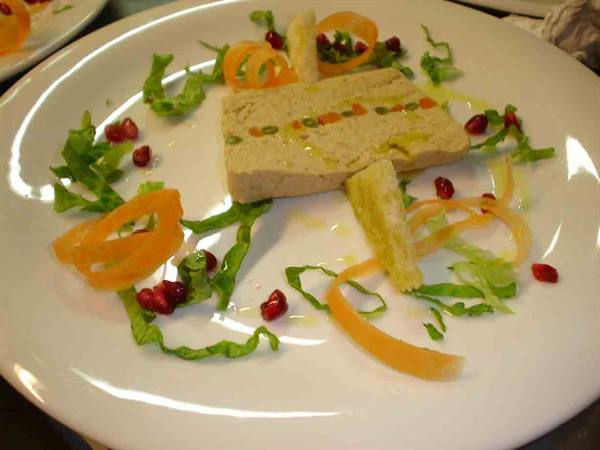
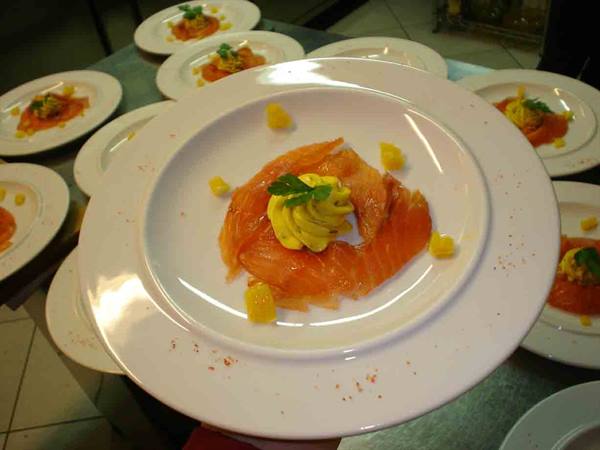
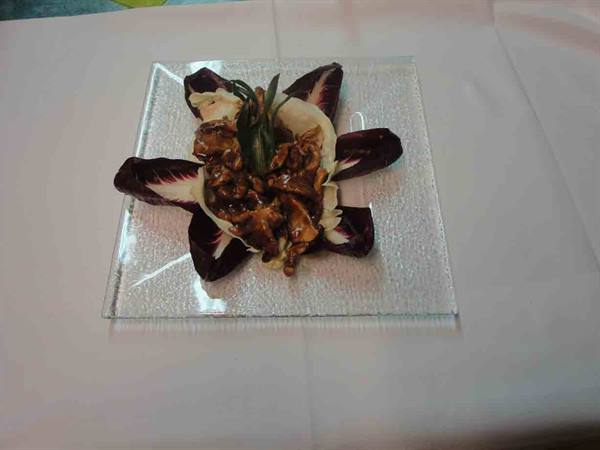
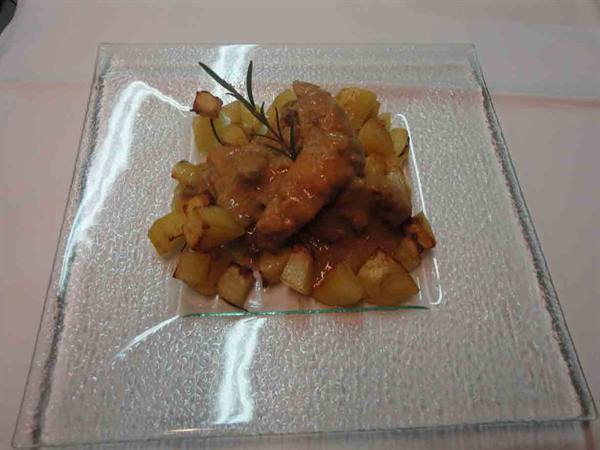
We continue with the starters, abundant and exquisite, in full Piedmontese style: the hand-cut fassone tartare, the round of fassone with herbs and a little cream of natural gorgonzola, the flan of Nizza cardoons dressed with Alpeggio tuma, the creamed salt cod on gratinated Sette file polenta, the guinea fowl terrine with crunchy little vegetables, and the puff pastry case with mushrooms and chestnuts. We continue enjoying the tajarin with Alba truffle, the tajarin with Bra sausage, the hand-made plin, filled with the three roasts, the potato gnocchetti with Castelmagno and the rice with pumpkin and leeks. In choosing the main courses we divide between the morsels of veal shank in Nebbiolo, the strips in Barolo balsamic vinegar, the Carmagnola grey rabbit, stewed in a casserole, the sausage with Barbera and the Langa tumetta baked in foil, scented with herbs.
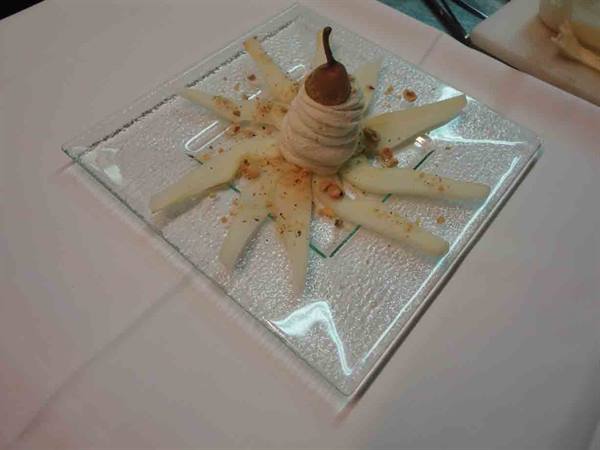
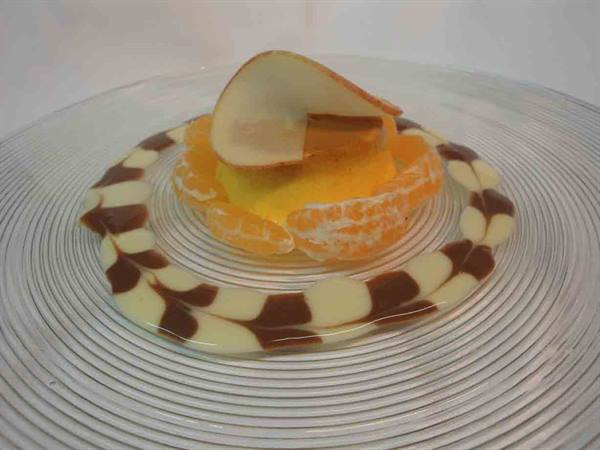
We wash these delights down with selected wines, available by the glass: the Favorita at the start of the meal, and afterwards the Arneis, the Dolcetto, the Barbera and the Nebbiolo. We discover that it is also possible to opt for "corkage", bringing your own wines from home and paying only for the service. The delicious desserts, on the other hand, we accompany with Moscato, enjoying a warm little cake of Tonda gentile trilobata hazelnuts, with a soft heart, a semifreddo with Gallo d'Alba nougat and chocolate, the Martin Sec pear cooked in Dolcetto d'Alba, the garessine chestnut mousse, the revisited bunet cooked in steam, a soft little cake with Golden delicious apples on a mirror of vanilla cream, and the hazelnut cake without flour, with zabaglione in Moscato. At the end of the dinner the chef delights us with vin brulè and Barolo chinato.
Once our relaxing stay in Alba has come to an end, our heart aches as we leave behind the hills and vineyards bathed in the fabulous autumn colours, but we are already certain we will return here soon, and enjoy other succulent dinners, perhaps in the outdoor area during the warm season. Francesca Bertha FOR INFORMATION: Locanda Cortiletto d'Alba Corso M. Coppino, 27 Alba (CN) Tel.: 0173/366005
The journey's photographs
14 photographs · click to open them full screen
0 reader comments