The story
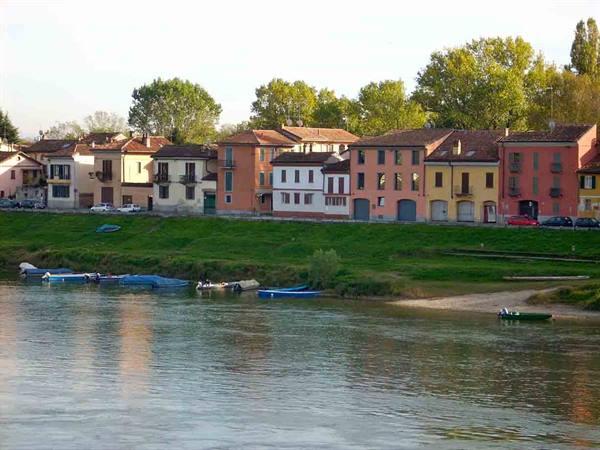
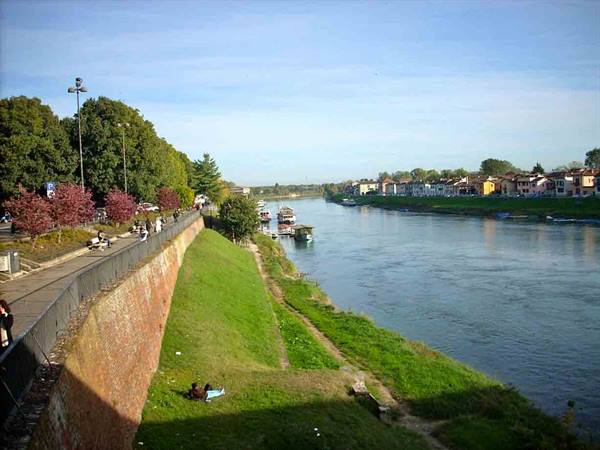
If the Naviglio were navigable as it had been until about sixty years ago, we could have reached Pavia by boat too. As we approach the city that around the 1600s was called Papia, and was the capital of the kingdom of the Lombards, we imagine a romantic route that perhaps in some time will really be possible: after departing from the Darsena in Milan, our boat would descend along the Naviglio Pavese crossing the peaceful Po valley landscape, and once it arrived in the city, it would take a turn on the Ticino river, passing under the spectacular Covered Bridge. Anyone who has been there knows it: Pavia is very pretty, in fact even Francesco Petrarch thought so.
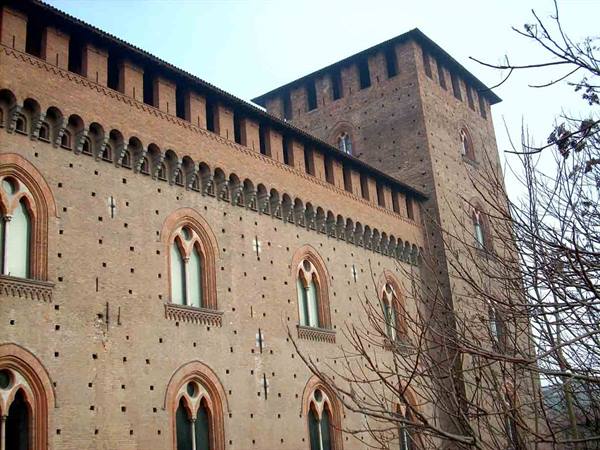
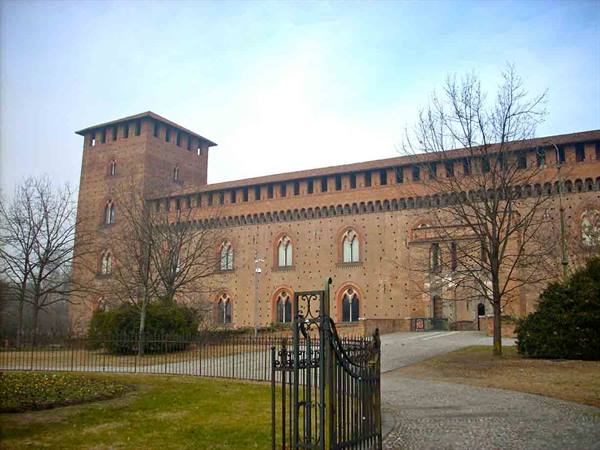
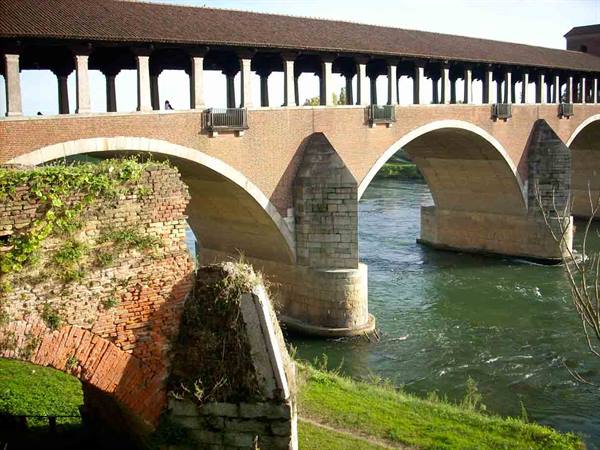
In a letter of his addressed to Giovanni Boccaccio, the poet of the Canzoniere speaks with enthusiasm of the city, of which he recounts that it raises its many towers to the sky and enjoys the twofold view of the Alps and the Apennines, besides being cheered by the placid waters of the Ticino. Petrarch also speaks of the great castle of Galeazzo, and of the marble bridge over the Ticino. The famous Covered Bridge fascinated us a great deal, and we discovered that although it was built on the same foundations, it is not the same bridge that Petrarch knew. In fact, the 14th-century bridge, in turn built on the ruins of an ancient Roman bridge, was later enlarged and modified several times over the course of history, until it was severely damaged during the Second World War, and finally demolished and rebuilt from scratch.
The bridge that we admire today and that connects the city to the characteristic Borgo Ticino, where there is also the bronze statue of a washerwoman, which recalls the evocative Vicolo Lavandai in Milan, was inaugurated in 1951. Walking along the wide avenues, laid out on the line of the ancient walls that surrounded Pavia, and venturing into the characteristic little streets, we breathed the air of a city on a human scale and full of history and culture, also as an important university centre.
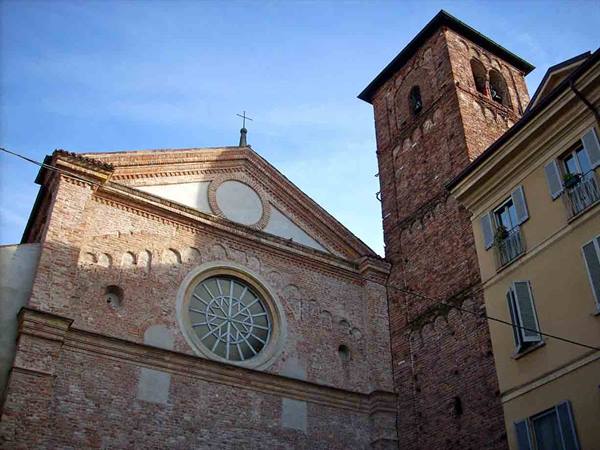
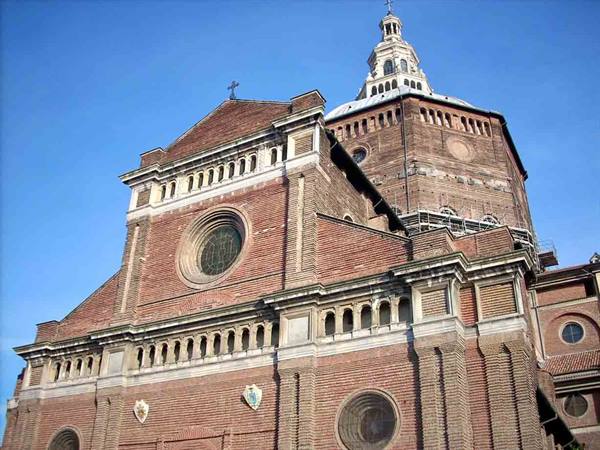
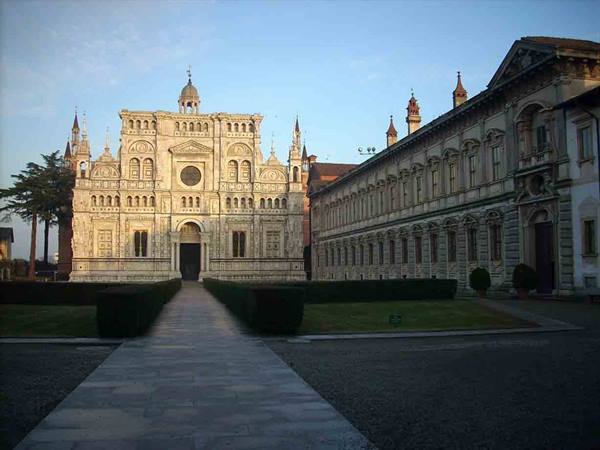
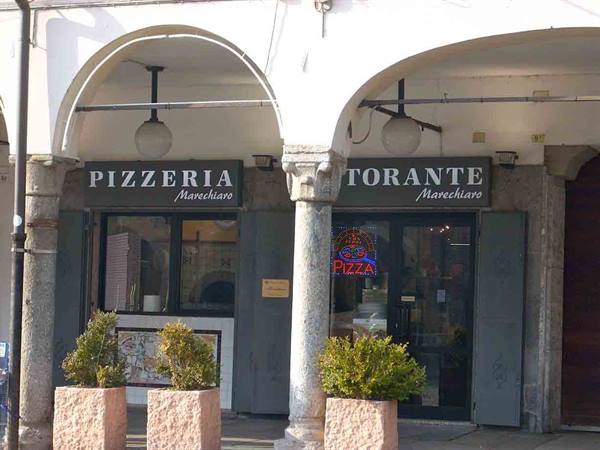
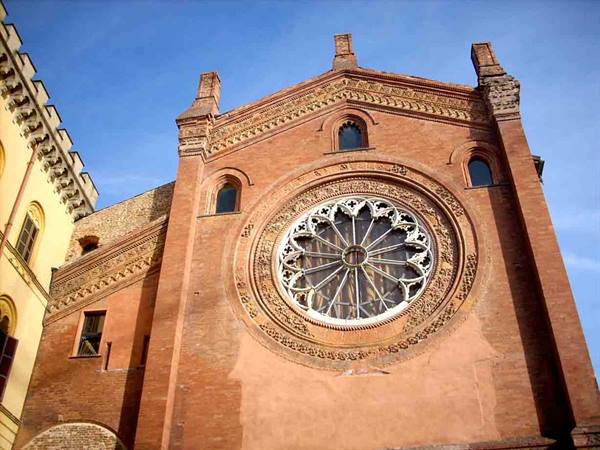
Besides having visited some of the most important churches, including the Basilica of San Michele, where Frederick Barbarossa was crowned, or the Cathedral, an imposing religious building whose dome is the third largest in Italy, we also wanted to make a detour just outside the city, to admire the Certosa di Pavia, a monument of infinite artistic and historical richness, built by the will of Gian Galeazzo Visconti, who symbolically laid the first stone of the site in 1396. If our day gave us many beautiful surprises on the artistic front, it also reserves a great pleasure from the culinary point of view. We decide, in fact, to stop for dinner at the Ristorante Marechiaro, in the very central and beautiful Piazza della Vittoria, a stone's throw from the Cathedral and the Visconti Castle.
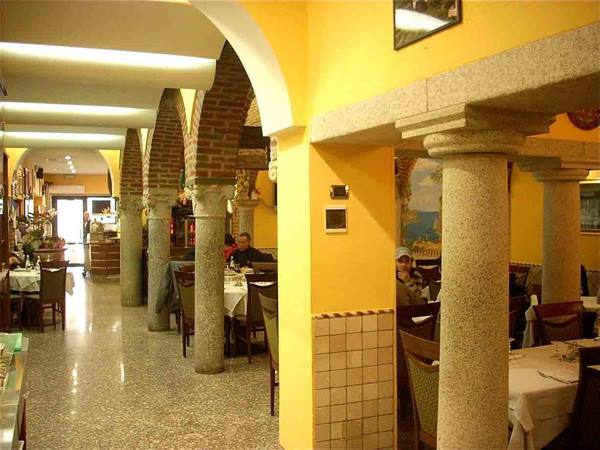
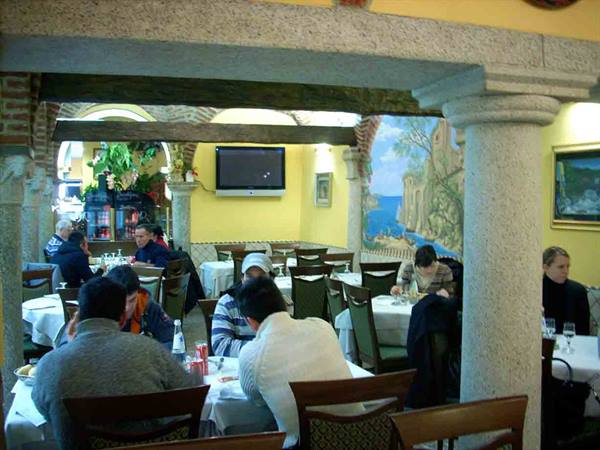
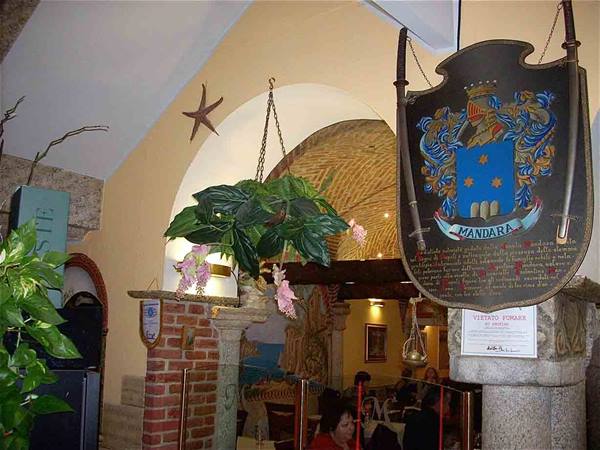
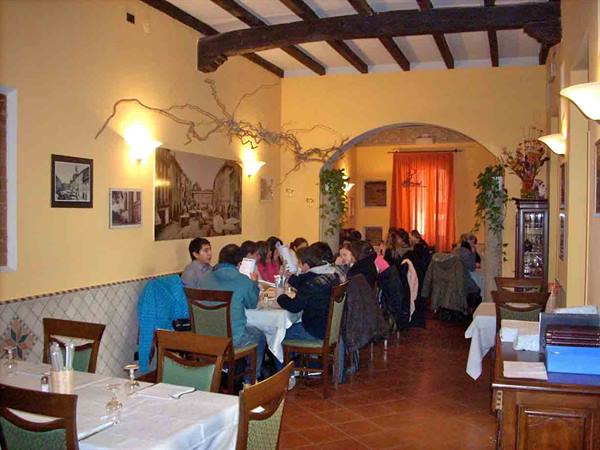
We settle into one of the large rooms, elegantly furnished, where parties and ceremonies are also organised, and to which, in the warm season, the summer dehors is also added. As we begin to study the menu, we exchange a few words with the owner, cav. Beniamino Mandara, who runs the place together with his family: his wife Carmela, his daughter Assunta and her husband Vincenzo, his son Salvatore and Assunta's son, Gaetano, who makes excellent pizzas. “Our restaurant has a long history of fifty years. I arrived in Pavia in 1960, at the time I worked with my cousin Generoso. In 1962 we moved from Via Parodi to Piazza della Vittoria, and it was in 1971 that with my wife Carmela we took up this location. Since then our work has continued every day in the name of the best tradition of hospitality”, Mr Beniamino tells us.
We immediately have proof of the skill of the chefs and the care with which the dishes are prepared, tasting a mixed warm seafood appetiser, the au gratin scallops and the lobster à la catalana. We continue with spaghetti with seafood, tagliolini with monkfish tails and asparagus, and the risotto with sausage and Bonarda. We wash down these delicacies with selected Oltrepò Pavese wines, including Barbera, Bonarda, Pinot and Riesling, but we also taste exquisite Campanian wines, such as Greco di Tufo. In choosing the main courses we divide between the baked turbot, the mixed grilled fish, and the tagliata of Piedmontese beef. To close on a sweet note, we have the good fortune to taste desserts from the Amalfi Coast, created by the very famous Salvatore De Riso.
Among the countless sweet temptations of the Restaurant we choose the ricotta and pears, the melanurca tartlet, and the chocolate aubergines: authentic delights, whose memory, mixed with the beauty of the city, will make us return here many more times.
Francesca Bertha
FOR INFORMATION:
Ristorante Marechiaro Piazza della Vittoria, 9 Pavia Tel.: 0382/23739
The journey's photographs
14 photographs · click to open them full screen
0 reader comments