The story
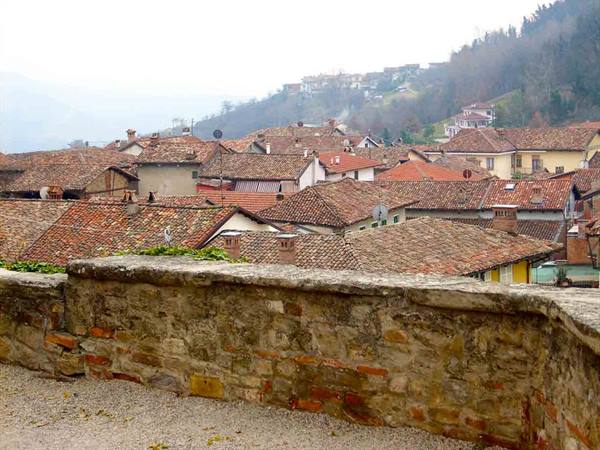
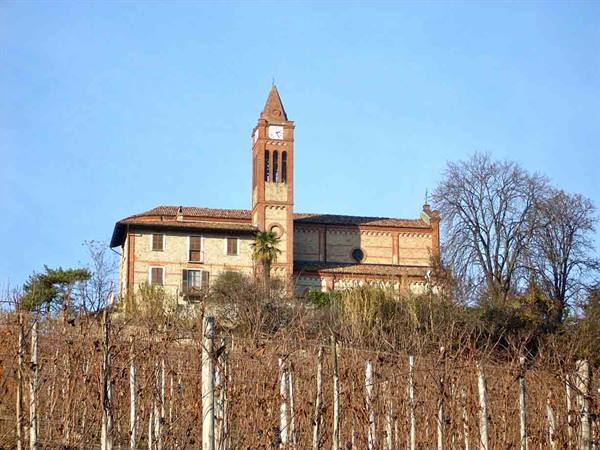
It was shortly after the year 1000 when the inhabitants of Alba Pompeia began to break up the hills around their city. The sight of that beautiful landscape reassured them, but more than the beauty of those lands, what mattered was their fertility and the chance to turn them into that precious and endless carpet of vineyards which they still are today. They gave the new settlement the name Murra, meaning "sheep pen", but by as early as 1296 La Morra was a municipality in its own right, with its own castle dominating the valley. The importance of the local wine-growing culture grew year after year, as can also be seen from the Statutes of 1402, in which the Nebbiolo vine — from which the wine Barolo is made — is mentioned for the first time, along with Pignolo, now gone from the La Morra area.
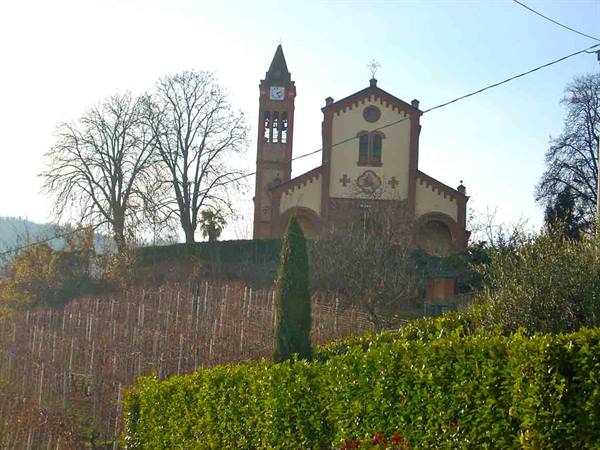
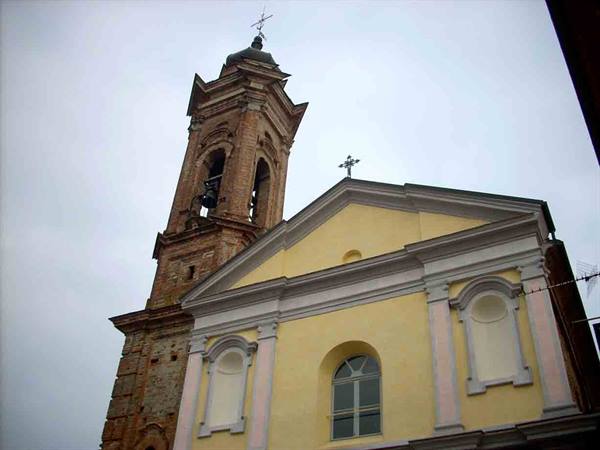
Arriving in La Morra, we immediately discover the existence of the Barolo Trail, marked at various points of the village by wooden signs: it's a 14 km loop through the great Barolo vineyards, passing among farmhouses, hamlets and country chapels. But in La Morra you can choose from seven other trails, of different lengths, to explore the wide municipal area. We decide to start our walk in chronological order, from the oldest inhabited core of the village, the present-day hamlet of Annunziata. Here stands the Romanesque-Baroque complex of the former Benedictine convent of San Martino di Marcenasco, today the Church of the Annunziata, dating back to the 15th century. In the cellars of the former convent is the Ratti Museum of the Wines of Alba.
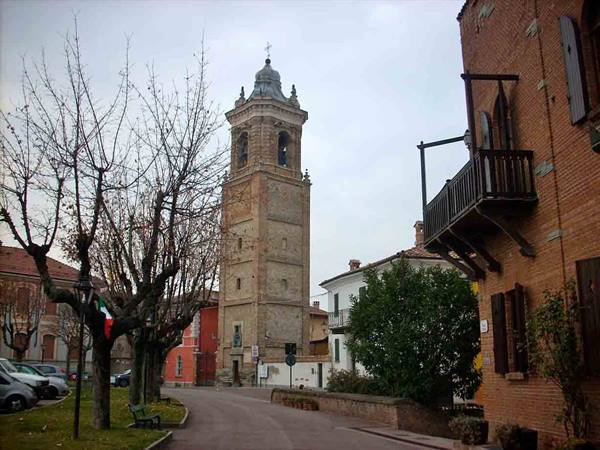
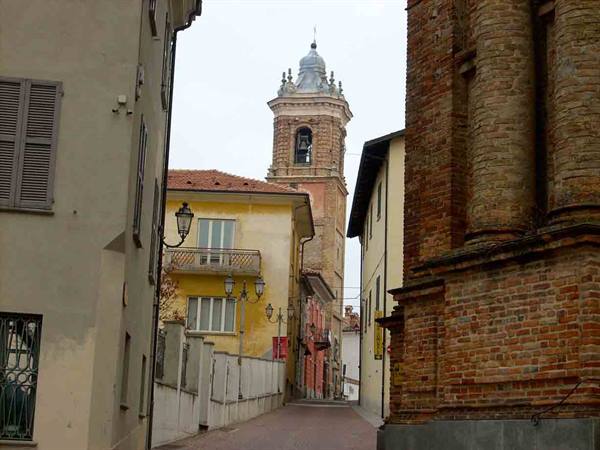
As we approach the historic centre, we pass through the hamlet of Santa Maria, where we admire the Parish Church of Santa Maria in Plaustra, rebuilt in 1888 on the remains of a 13th-century parish church. Once in the centre, we take a long walk along the two ramps of cobbled road from the river Tanaro that lead to the two old access gates, the Porta del Borghetto and the Porta della Cittadella. Of the old castle, demolished in 1544 by order of the French troops, the Bastions remain, bearing witness to the memory of the high walls of stone and brick that surrounded the manor. Reaching the bell tower, 31 metres high, we discover that it was built between 1709 and 1711, also using the stone fragments of the previous medieval tower.
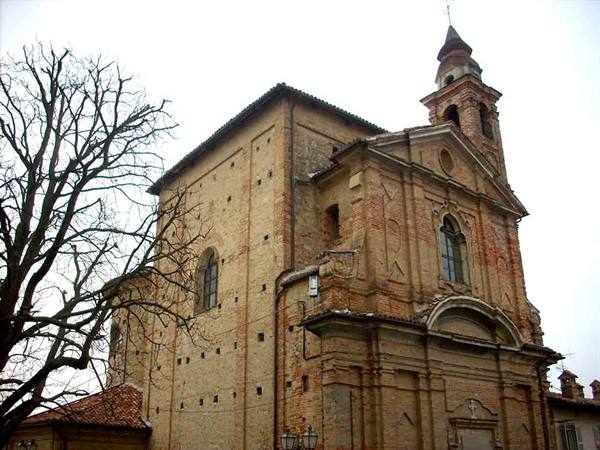
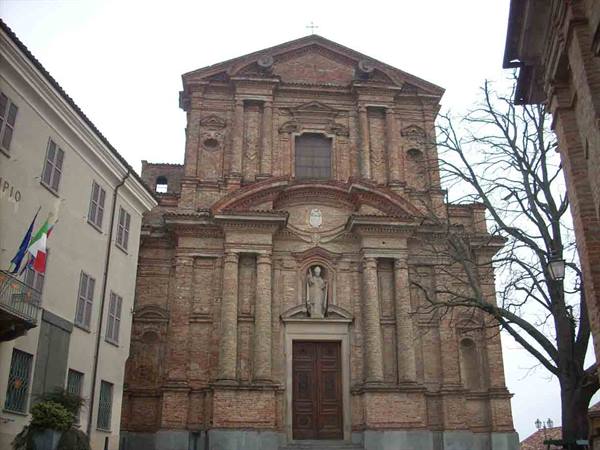
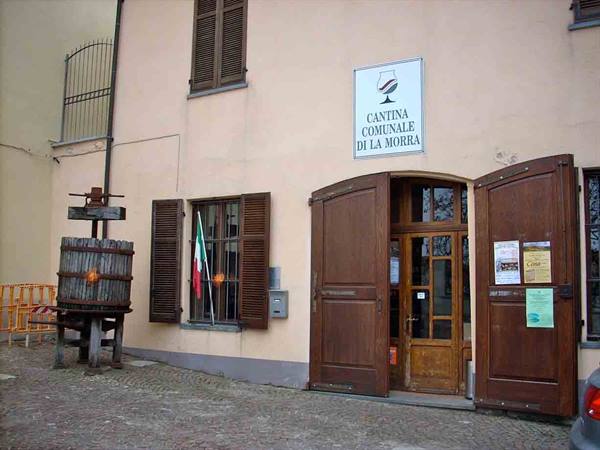
A little further on we admire two splendid churches: the Parish Church dedicated to San Martino, patron saint of the village, with precious altarpieces, frescoes and sacred furnishings inside, and the 18th-century Church of San Rocco, created as an ex-voto by the wish of the Confratelli Turchini or Blue Brothers, because La Morra had not been touched by the plague. After also visiting the "heart" of the village's wine-growing tradition, the Communal Cellar, housed in the old Palazzo Falletti, we head for the tasty destination of our evening: the Osteria Pizzeria Per Bacco, on Via Roma.
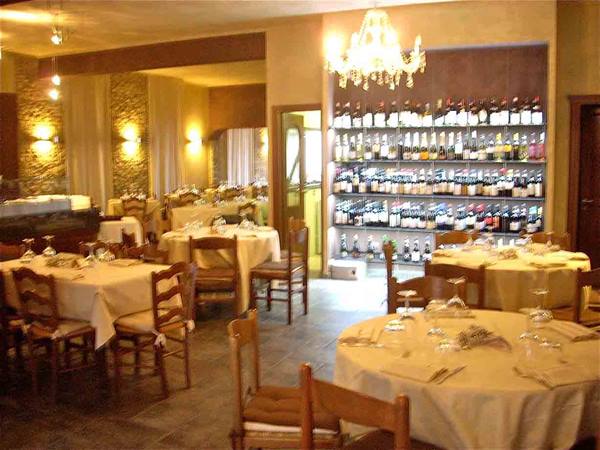
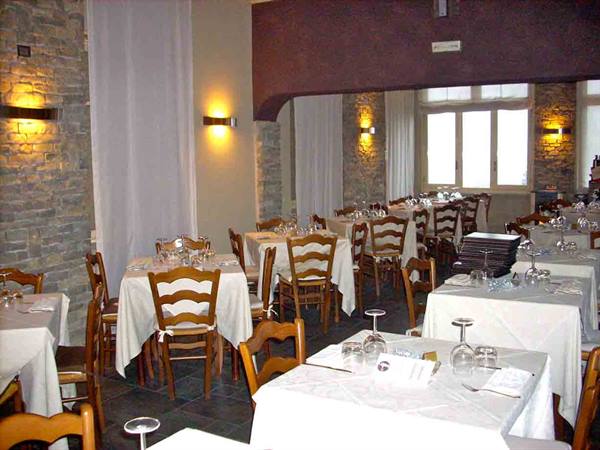
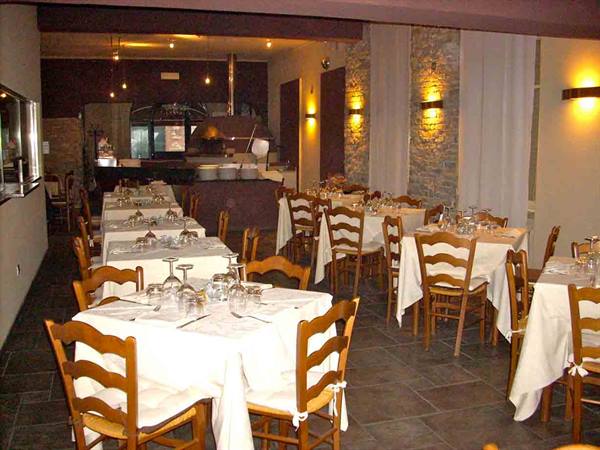
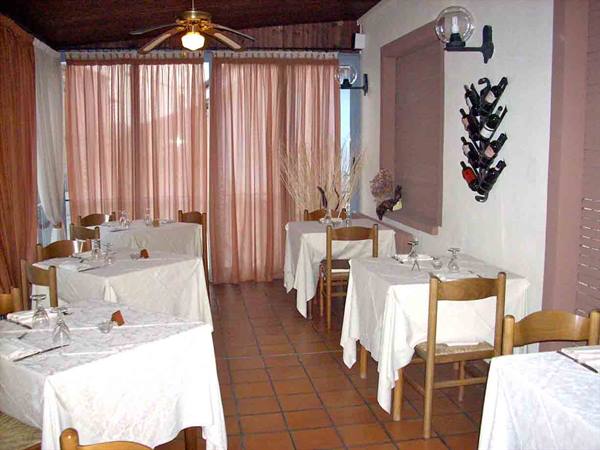
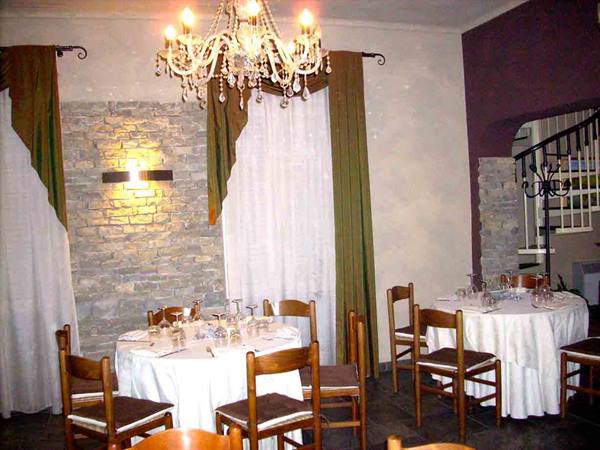
"The name of the place pays tribute to this wine territory, but also to Totò and his famous exclamation "'o per Bacco": in fact we're the only ones in the Cuneo area to serve real Neapolitan pizza," explains Domenico Martucci, the chef who runs the restaurant with his wife Simona Mossio, who welcomed us in the dining room. We discover that real Neapolitan pizza, prepared here according to the oldest and most authentic recipe, must have, among other things, soft dough, must be foldable "like a book" and have a well-raised rim: features that are increasingly hard to find even in Naples. As well as enjoying these excellent pizzas, most of our group doesn't pass up the restaurant specialities either, which change with the seasons and are prepared with the best Italian ingredients.
So we start with a flan of tapinanboui with pea cream, a little parcel of Bra sausage with ginger cream, octopus with burrata and tuna marinated in soy sauce with a cut of herbs. We follow these tasty starters with gnocchi in a cheese cream, tagliolini with porcini mushrooms, orecchiette with mussels and friarielli with cacioricotta, and tagliolini with fish tartare and cuttlefish ink. Among the mains we taste the oven-baked gratinated kid goat, the Barolo bites with polenta, the creamed cod with potato cream and the oven-baked sea bass. We wash it all down with excellent wines, both from the Langhe and from other regions, chosen from numerous labels available.
Finally, faced with an extensive dessert menu, we happily give in to temptation, as the desserts are one of the restaurant's strong points, tasting among others the crème catalane, the hazelnut panna cotta, the persimmon with vanilla, the Monte Bianco, the puff pastry with apple cream and the zeppola. Discovering the beauty of La Morra, together with all these treats, was an experience worth repeating soon.
Francesca Bertha
FOR INFORMATION:
Osteria Pizzeria Per Bacco Via Roma, 30 La Morra (CN) Tel.: 0173/50609
The journey's photographs
14 photographs · click to open them full screen
0 reader comments