The story
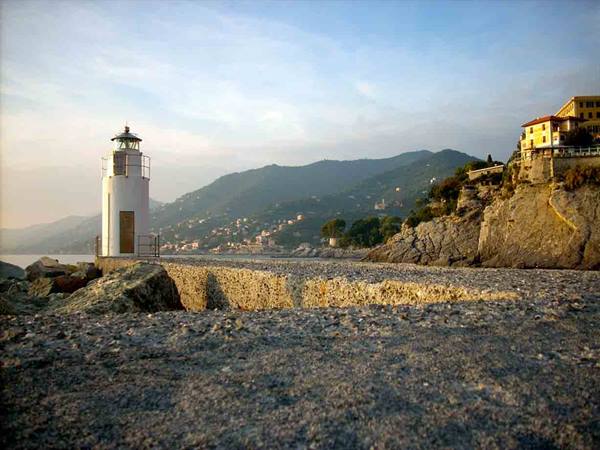
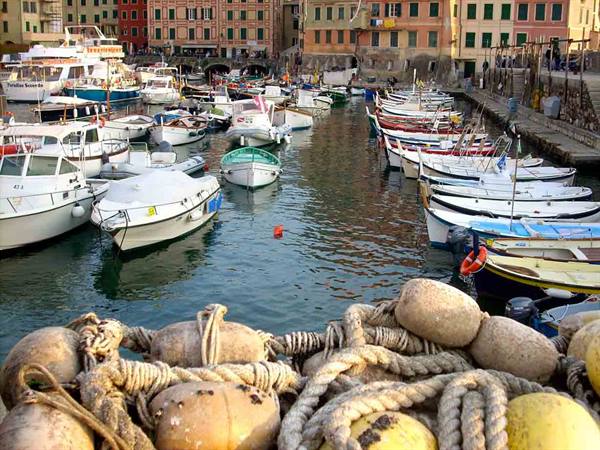
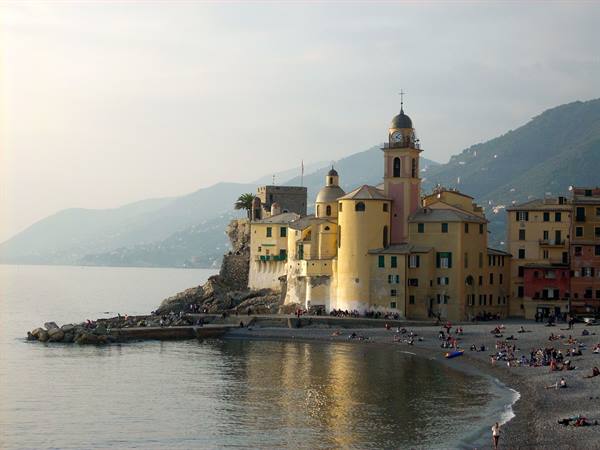
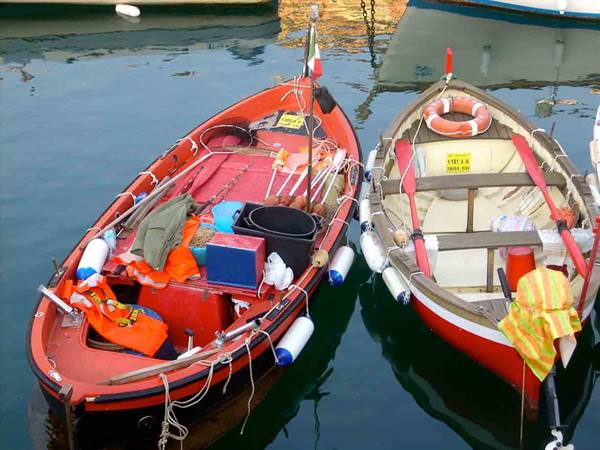
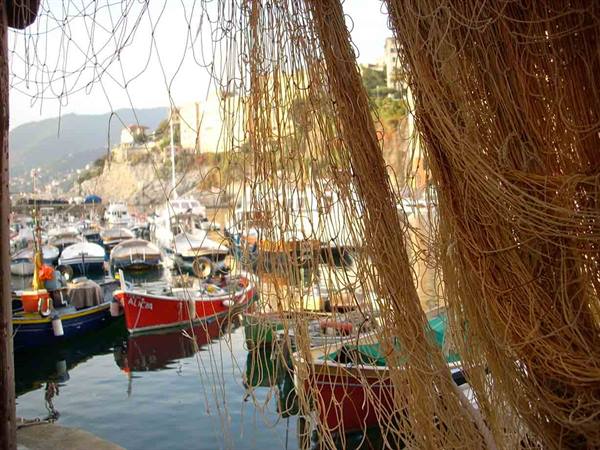
A fabulous gulf where the warm colours of the village houses are reflected in the blue of the sea, and where dozens of majestic sailing ships glide silently towards the horizon. If we had arrived at Camogli about two hundred years ago, we would have seen it like this, in the full flowering of its seafaring tradition. At dawn we could have noticed the fishermen docking and heading for their homes, recognisable from afar amid that rainbow of doors and windows thanks to the "marcapiano", the horizontal lines of light colour on the walls. If today Camogli, situated in a hollow of the Golfo Paradiso, is one of the most beloved tourist destinations of the Genoese Levante, in the past it was an important centre of commercial trade, thanks to the flourishing activity of shipbuilding, which got under way in the Napoleonic era.
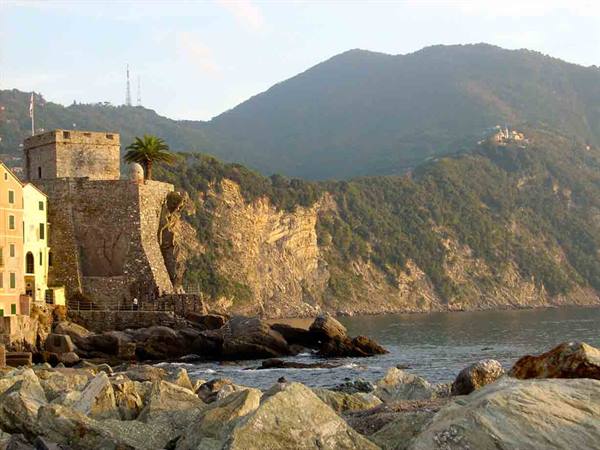
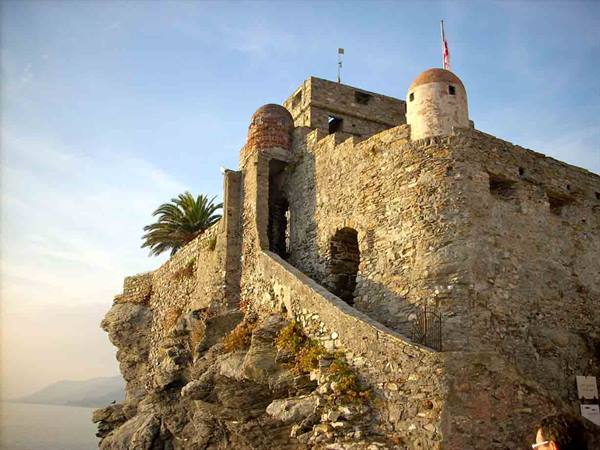
The first travellers to let themselves be won over by the mildness of the climate and the beauty of these places were prehistoric tribes, followed by the ancient Romans. It was in the 12th century that the population of Villa Camuli decided to erect the Castello della Dragonara, several times destroyed and rebuilt, later becoming, in the 1970s, the seat of the Tyrrhenian Aquarium, the forerunner of the Genoa Aquarium. At the time it was the keeper himself who procured the fish, crustaceans and molluscs for the aquarium tanks, whose main attraction was a gigantic grouper. According to one theory the place name Camogli would come from Casmona, the name of the island on which the Castle stands. But the most romantic explanation remains the one that makes Camogli the "house of the wives", who stayed waiting for the return of their husbands, fishermen and sailors.
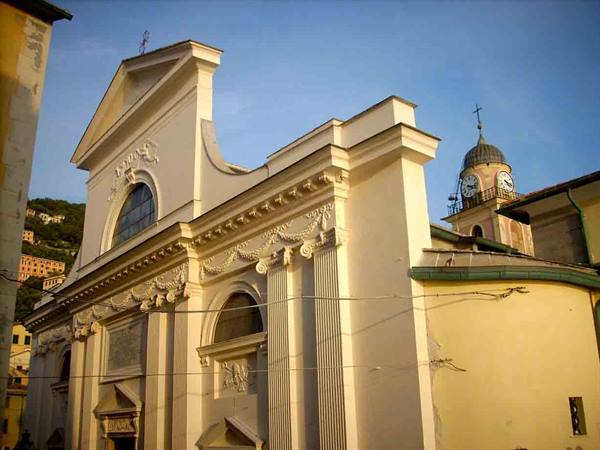
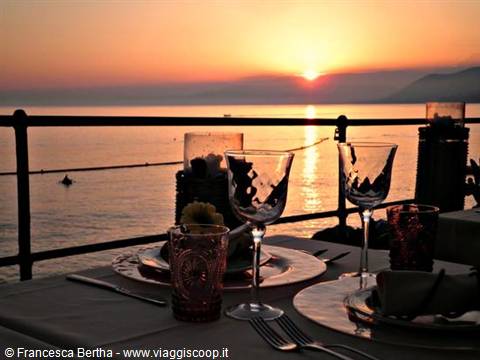
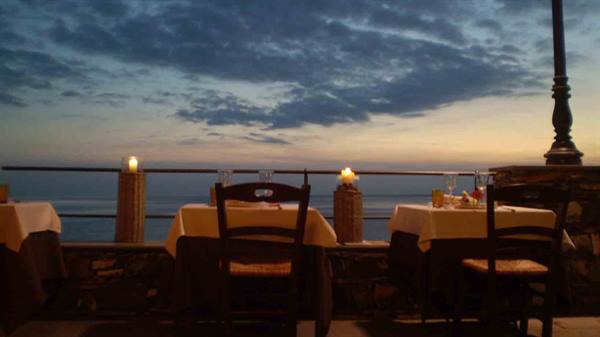
The symbolic building of the town, built in the 12th century and present on all the postcards, is the beautiful Basilica of Santa Maria Assunta, overlooking the little harbour below. Inside are kept the remains of San Fortunato, as well as nineteenth-century frescoes, precious gold stuccoes and polychrome marbles. In the village, near a flight of steps, we visit the Oratory of San Prospero and Santa Caterina, probably built in 1420. Among the other splendid churches situated in the hamlets, we find time to visit the Sanctuary of Nostra Signora del Boschetto, patron of Camogli, built between 1612 and 1631 on the spot where in 1518 the Madonna appeared to a shepherdess. After this lovely walk we return to the seafront of Camogli and decide to stop for dinner at the Ostaia da O Sigù, on Via Garibaldi.
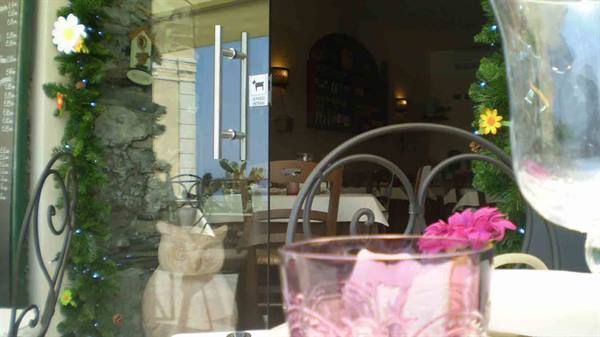
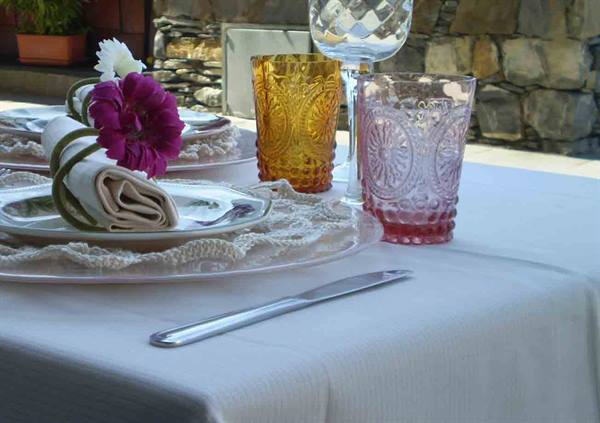
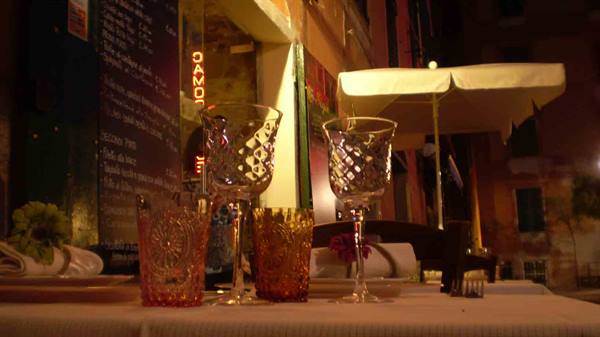
We are drawn in by the beautiful decoration on the door and the originality of the details, starting with the coloured glasses and plates, whose style contributes to the warm, homely atmosphere that envelops us inside the restaurant. As we begin to study the menu, we chat with Mrs Silvia, who has run the restaurant for a couple of years together with the Jordanian cook Osama and with Cinzia, who works in the dining room. Besides them, we are also kept company by lots and lots of likeable little owls and owls. "The soft toys and the owl figures are the mascots of the restaurant, and it is often the customers who give them to us. It all stems from a fairy tale my husband wrote, about a little owl whose call, "Sigù, Sigù", enchants everyone. This owl then comes to eat here and is so comfortable that it never leaves again.
That explains the name of the restaurant." We start our dinner in the name of Ligurian flavours, at times revisited, with mixed anchovies, with panzanella and julienne of smoked tuna, with the octopus "Fantasia dello chef", prepared, depending on the season, with bean sprouts or with Taggiasca olives. We also taste the tuna tartare, served with an exquisite aubergine caponata, and the Misto Terra Sigù, which also includes little fried chickpea balls. We follow this rich starter with trofie, available white, chestnut and with cuttlefish ink. We dress them with pesto and with the home-made walnut sauce. We also taste the paccheri with swordfish with mint and turmeric and the green fettuccine with tuna sauce. As a main course, we enjoy the restaurant's signature dish, the seared tuna with a breading of poppy seeds and sesame, and pistachio cream, a true delight.
We also taste slices of the day's catch "Come vuoi tu", cooked to order and dressed according to request. Some of us have the mixed fried squid, prawns and courgettes, and some choose a fine tagliata, sweet and sour, with roast potatoes. We wash it all down with excellent Ligurian wines, among them the Pigato, the Vermentino and the Rossese. We end the evening with home-made desserts such as apple cake, chocolate cake with a cascade of strawberries, coconut and pistachio panna cotta and the Dolce del Re, a honey semifreddo with toasted hazelnuts and caramel on top. After this splendid day we are certain to return here soon, and during the warm season we will not fail to visit also the Abbey of San Fruttuoso di Capodimonte, reachable only by sea. Francesca Bertha FOR INFORMATION: Ostaia da 'O Sigù Via Garibaldi, 82 Camogli (GE) Tel.: 0185/770689
The journey's photographs
14 photographs · click to open them full screen

0 reader comments