The story
A city of Roman origins, whose flat territory borders the green hills of the Turin area and of Monferrato: a landscape whose characteristics are also encapsulated in its name. The place name Chivasso in fact probably means "place overlooking the hill", from the late Latin "clivaceus". Reaching the city on a clear autumn day with still summer-like temperatures, on the horizon we can clearly make out also the evocative mountain ranges of the Alps. In the Middle Ages the same landscape, rich in charm, was admired by the numerous pilgrims who travelled the Via Francigena, along which Chivasso represented an important staging post. At the beginning of the fifteenth century its strategic position even made the city the capital of the Marquisate of Monferrato, despite not being considered part of that historic region.
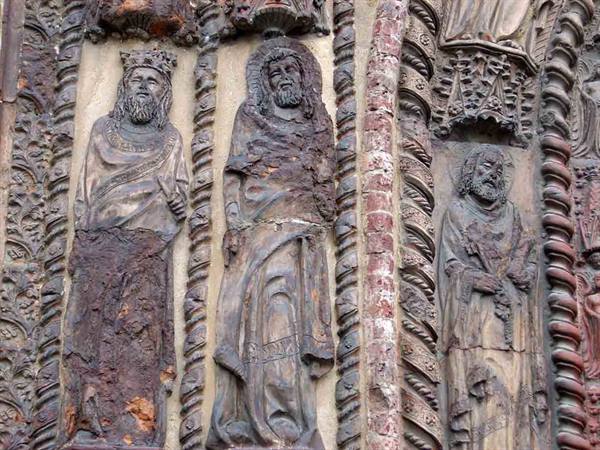
But already in the preceding centuries, under the Marquisate of Monferrato, the city had enjoyed a flourishing period: several defensive structures had been built and even a castle in 1178, the future Cathedral, as well as a mint, which could coin gold and silver coins. Of the mighty Aleramici castle, today what remains is the spectacular octagonal Tower, about twenty metres high. After the thirteenth century, work was carried out to raise it further with the addition of a brick construction, demolished last century together with the ruins of the castle, during the works to open the present Via Po. The most important stop of our walk in the centre is at the Cathedral, consecrated in 1429. The façade of the church is spectacular with its numerous friezes and terracotta figures, among them the twelve Prophets and the twelve Apostles.
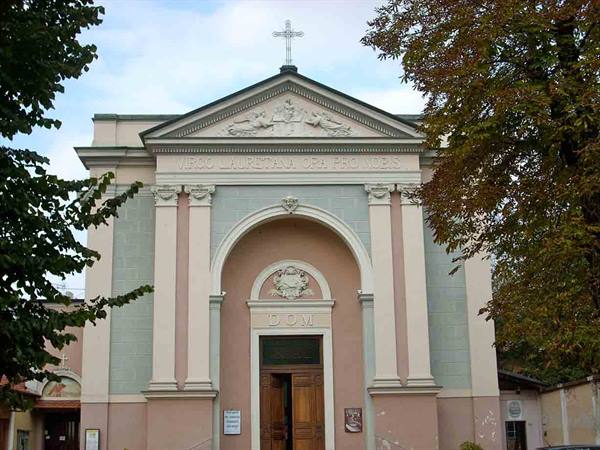
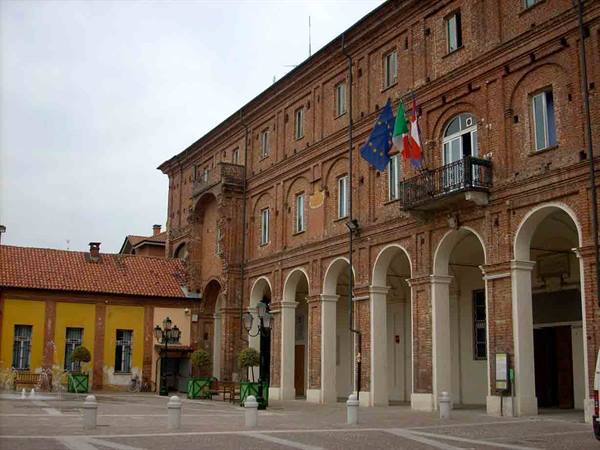
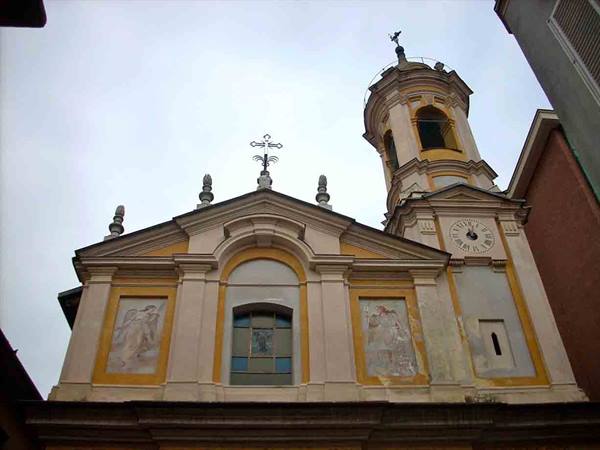
A short distance away we admire the Church of Santa Maria degli Angeli, built from 1584, but with eighteenth-century interiors and an interesting cylindrical little bell tower, an invention of the architect Bernardo Vittone. In a city so laden with history, legend and mystery certainly cannot be missing. In fact, tradition has it that at a convent near Chivasso there was a miraculous wooden statue of the Vergine Lauretana. When, in 1639, that convent was destroyed by the troops of Tommaso di Savoia-Carignano, the Capuchin fathers saved that statue, which today is venerated on the high altar of the Sanctuary of the Madonna di Loreto, founded by them in 1643. The eighteenth-century Palazzo Santa Chiara too was supposed to become a conventual cloister, but the project, being too costly, remained unfinished, and today that sumptuous building is the seat of the Town Hall.
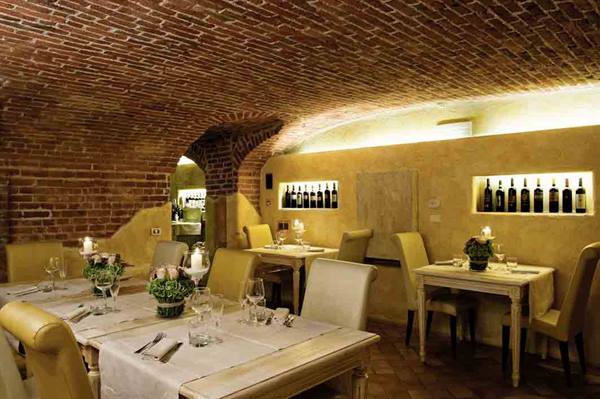
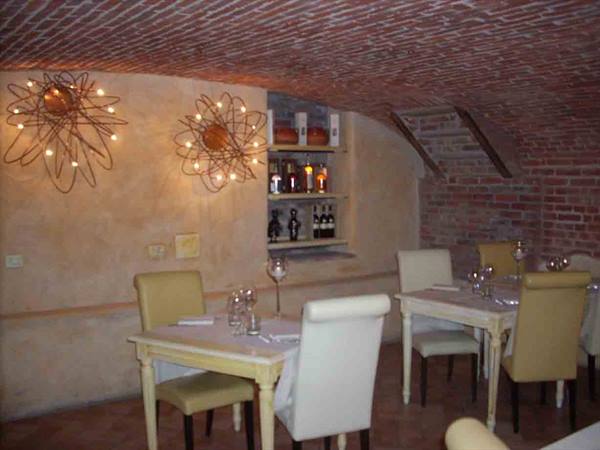
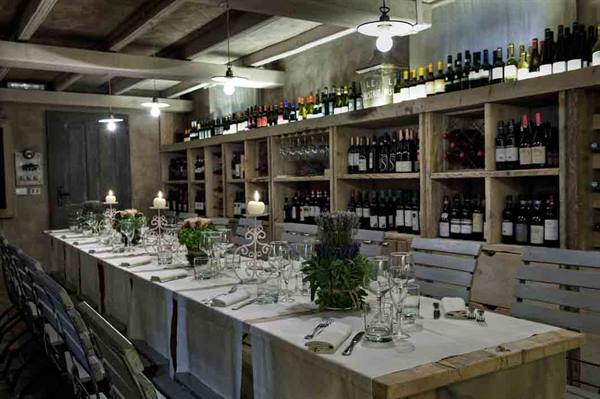
We decide to crown our day in Chivasso, spent among these marvels of art, with a fine dinner at the Ristorante Le Bistrot, in Piazza Garibaldi, opposite the Station. Going in, we are welcomed by the fresh, young environment of the bar, from which you enter the dining rooms, all elegant and intimate, each with few tables, but which together make about seventy covers. "We opened about a year ago, and we work with enthusiasm, offering a cuisine that draws on the recipes of the past, recreating them with imagination and creativity," Marco tells us, who runs the place together with Angelo. "All our dishes are prepared with quality ingredients, as unelaborate as possible," they add, as we begin to choose the starters.
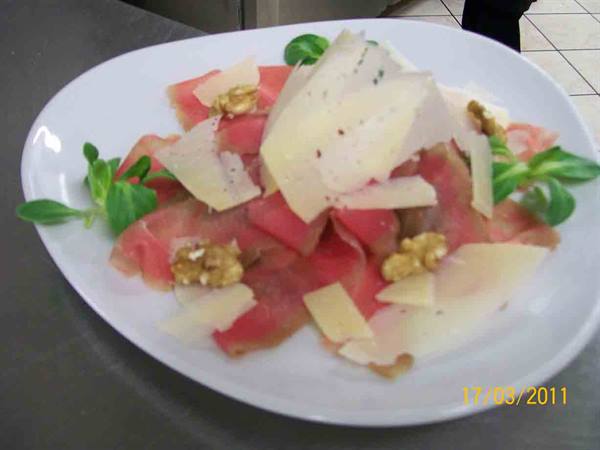
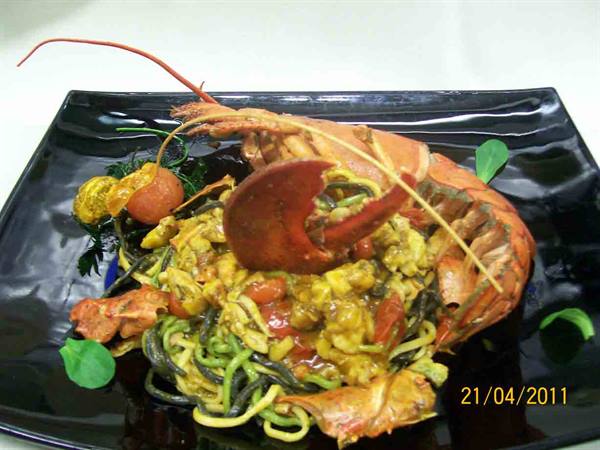
We start with the potato case with Piedmontese toma fondue, egg yolk and black truffle, the beef round marinated with pomegranate and courgette chips, the tuna confit with yoghurt, hazelnuts and onion braised in Barbera, and the steamed skate wings on a bed of grilled vegetables. We follow these delights with the pumpkin ravioli and amaretto with Castelmagno cream and the straccetti with porcini and venison ragù. We also taste the little risotto with salmon, lemon and liquorice, a pairing that gives emotions, and the linguine with olives and slightly spicy octopus ragù. "The linguine we use are made by a Tuscan company, which produces pasta with wheat germ, the part of the wheat grain richest in flavour and nutrients," Marco explains.
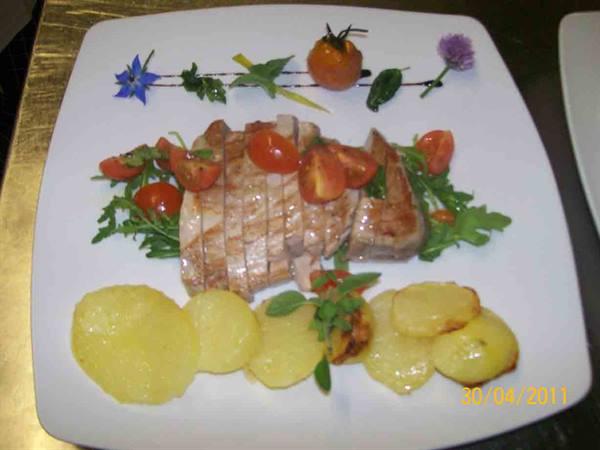
In choosing the main courses, our group divides between the veal cheeks in Dolcetto, cooked at low temperature for many hours, the pork fillet larded with grapes, the swordfish rolls with pachino, capers and olives on a vegetable caponata, and the roasted dentex steak in a crust of sun-dried tomatoes on a bed of artichokes.
We end the evening on a very sweet note, enjoying the warm chocolate cake with violet ice cream and custard, the chestnut bavarese and cocoa meringues, the orange cafoutis and camomile foam, as well as the fantastic Tartufo nel dolce, that is, a brioche bread biscuit with a scoop of fior di latte ice cream on top, a chocolate crumble with a cream made with pine nuts, thyme, truffle, oil and bay, all with lovely truffle shavings on top: an absolute marvel, not to be missed! Francesca Bertha FOR INFORMATION: Ristorante Le Bistrot Piazza Garibaldi, 7 Chivasso (TO) Tel.: 011/9103679
The journey's photographs
14 photographs · click to open them full screen



0 reader comments