The story
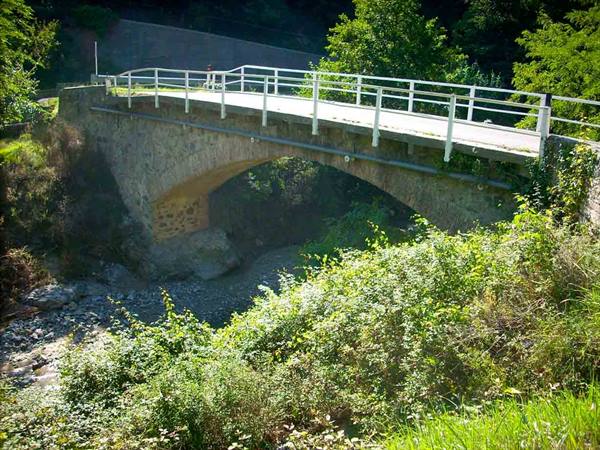
Whizzing along the very scenic Autostrada dei Fiori you "fly over" deep valleys and pass in a few minutes through the heart of mountains covered in dense woods, but you only need to take the first exit to discover "slow" routes that can tell the story of how people lived in the same places millennia ago. A few minutes' drive from Savona, and here we are admiring the Roman bridges of the Val Quazzola, in Quiliano. Between the gigantic motorway bridge and these graceful stone bridges, built between the 1st and 2nd centuries, there is almost two thousand years of difference. In pre-Roman times the Ligurian tribes of the Riviera communicated with those settled beyond the Apennines along winding, treacherous paths. It was probably a Roman soldier who told Cicero about those paths, which are even mentioned in the Epistolary of that famous Roman politician and writer.
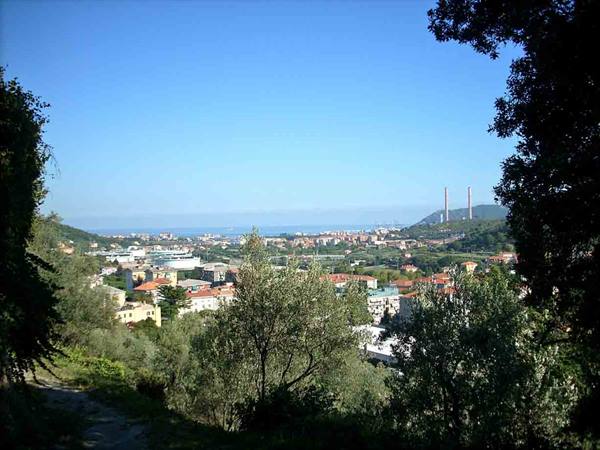
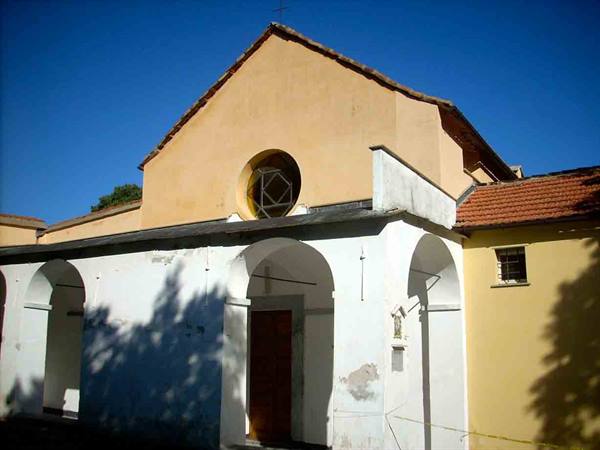
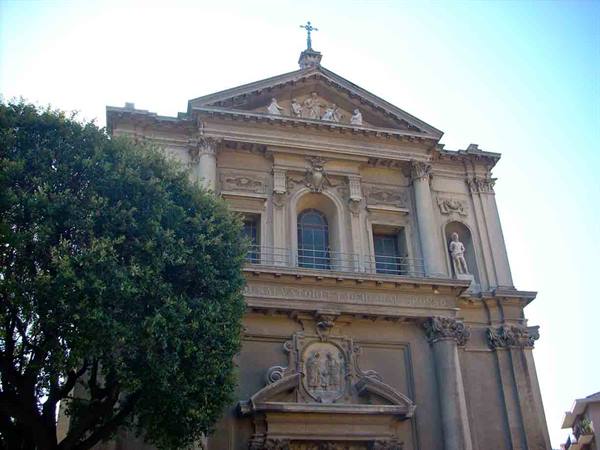
In Quiliano you breathe the calm atmosphere of the hinterland, even though historically the municipality had access to the sea, important for duty-free salt production. And speaking of breathing, Quiliano's air really does you good: many in the town remember the two ladies born at the end of the 19th century and who lived until a few years ago, both reaching the age of 110. Walking in the centre we notice the Capuchin Convent and the Church of the Madonna degli Angeli, standing out on high among the olive trees. Built from 1575 onwards, the Convent was created in reaction to Luther's Protestant Reformation, and the whole population took part in its construction under the guidance of the Capuchin friar Father Cherubino, much loved in the town.
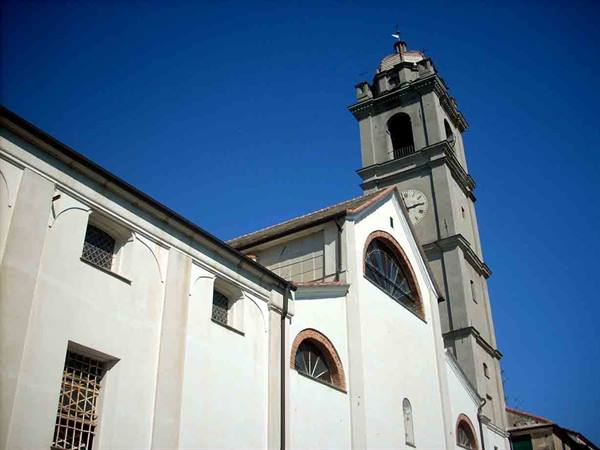
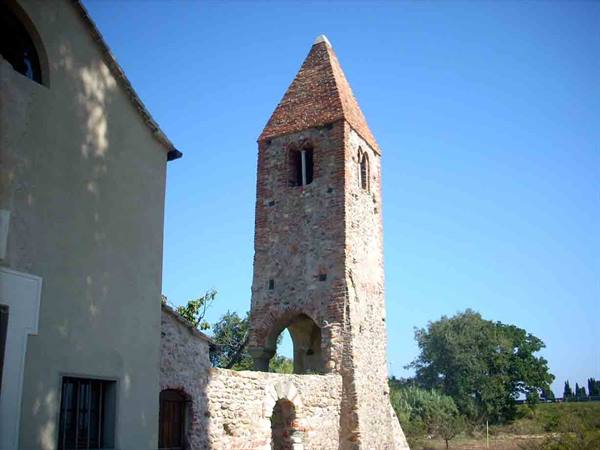
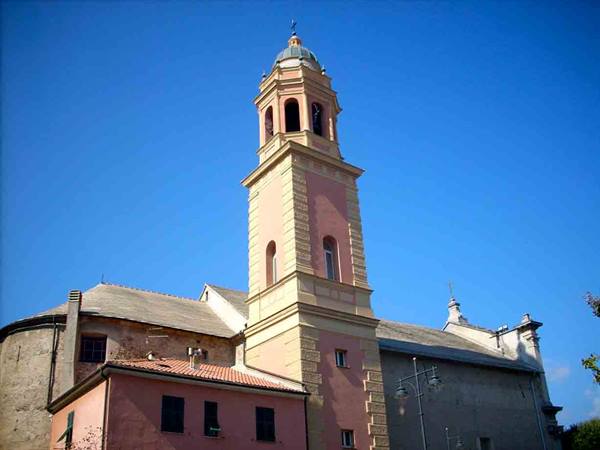
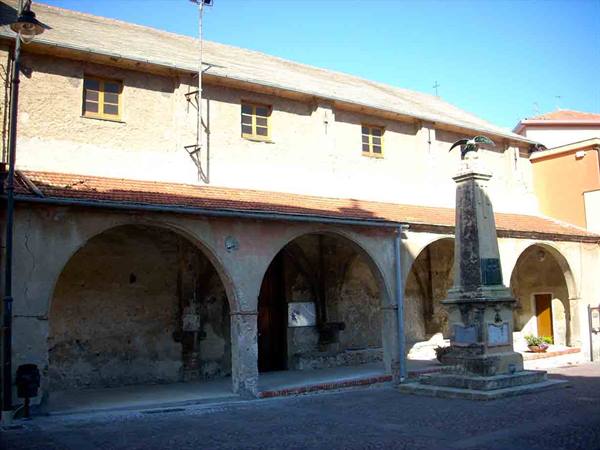
Today the municipality's religious centre is the Parish Church of San Lorenzo, but every hamlet has its own parish church: the church of San Michele Arcangelo in the Montagna hamlet, Santissimo Salvatore in Valleggia, and San Bernardo in Garzi, to name just a few. We also visit the Church of San Pietro in Carpignano, called San Pè di Coi, that is Saint Peter of the cabbages. The church is the heart of an important archaeological site that came to light during excavations carried out from the 1950s onwards. The origins of the religious building date back to Roman times, and the first written records about it date to 1180.
Today, strolling inside the Naturalistic Archaeological Park, besides admiring the ancient church, you can visit the underground Archaeological Museum, the Mirabolani Garden, the Cedar Cloister, as well as follow romantic paths along the stream and stop at the tourist and recreational facilities that periodically host events. Among the good reasons to visit Quiliano are also the tasty ones: the Valleggia hamlet, also known for its beautiful Oratory of San Sebastiano, is the home of the Albicocca Valleggia apricot, a Slow Food presidium. The great festival dedicated to this tasty fruit falls between the end of June and the beginning of July.
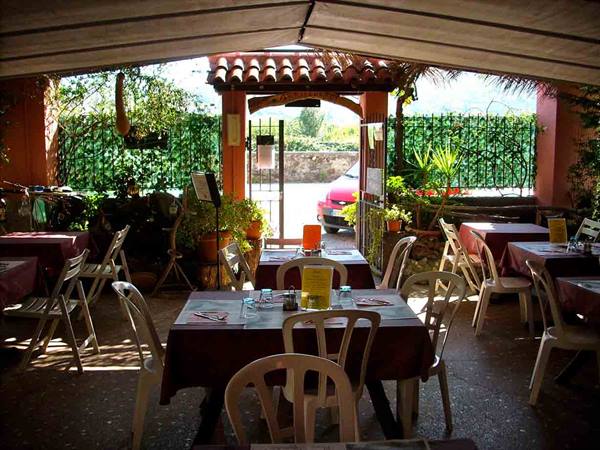
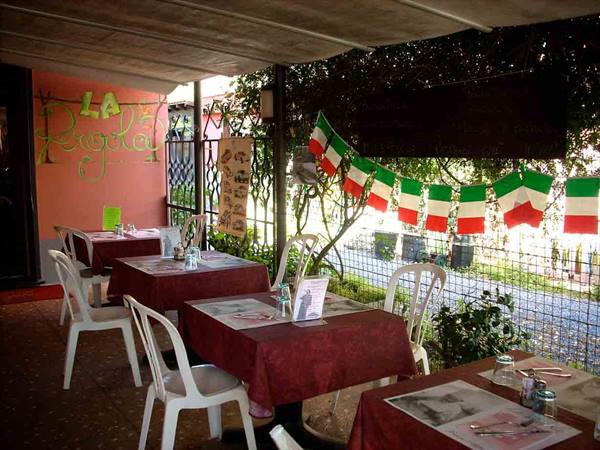
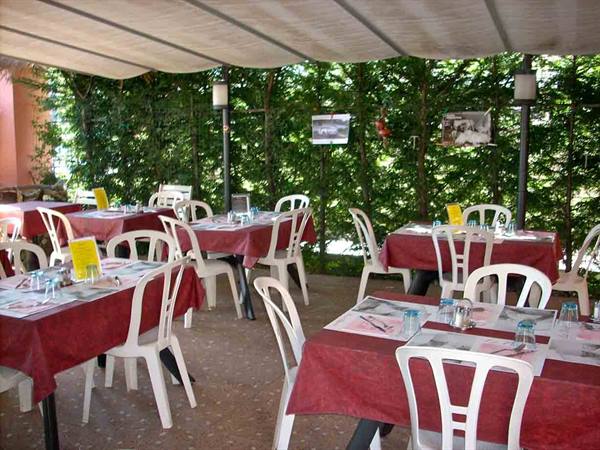
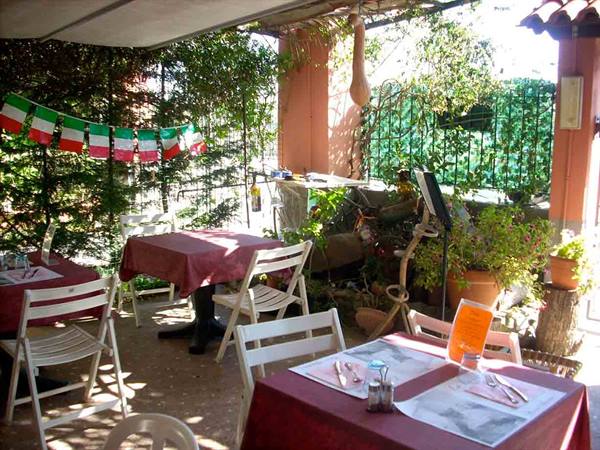
But the wines are no slouch either: the Rassegna del Buzzetto, Quiliano's typical white wine, precedes the grape harvest every year on the first weekend of September, while the Granaccia, the town's typical red, is celebrated together with the Reds of Liguria in the month of May. Intrigued by the local culinary tradition, we decide to treat ourselves to a lovely dinner at the Trattoria La Pergola, in the Valleggia hamlet, in the Pilalunga district, on via Torcello. "This place is over a hundred years old. At the beginning it was a staging post where carters refreshed themselves. In the 1960s it was a dance hall, with a jukebox; young people came here to get ice cream.
We have run it since 2007, offering tasty traditional regional cuisine," the owners tell us: the cook Giorgio, known in Ligurian as "u bacan", meaning the boss, his mother Gabriella and father Andrea, a great rally enthusiast, as the photos on the walls testify. We settle into the spacious outdoor area in the cool shade of the pergola and start with a rich starter: Sant'Olcese salami, the house's little cheese, potato focaccia and Sanremo-style anchovies. We continue with testaroli with Genoese pesto and trofie with Ligurian rabbit. Our vegetarian friend enjoys a menu made especially for her, including the Pignatta di Pilalunga, with mixed rice sautéed with walnuts and vegetables. We follow the exquisite first courses with an irresistible grilled rib of Piedmontese fassone beef, while the rest of the group chooses the typical buridda of stockfish.
We wash the dishes, all prepared to order with seasonal local ingredients, down with the excellent, famous Buzzetto and Granaccia wines. The two children with us have fun acting grown-up: they can in fact order like the adults, from a menu designed especially for them. We end on a sweet note with the very good house desserts, thinking about when to come back here next time, perhaps for a lovely autumn bike ride among the hamlets of Quiliano.
Francesca Bertha
FOR INFORMATION:
Trattoria La Pergola Via Torcello, 3 Quliano (SV) Tel.: 019/882541
The journey's photographs
14 photographs · click to open them full screen


0 reader comments