The story
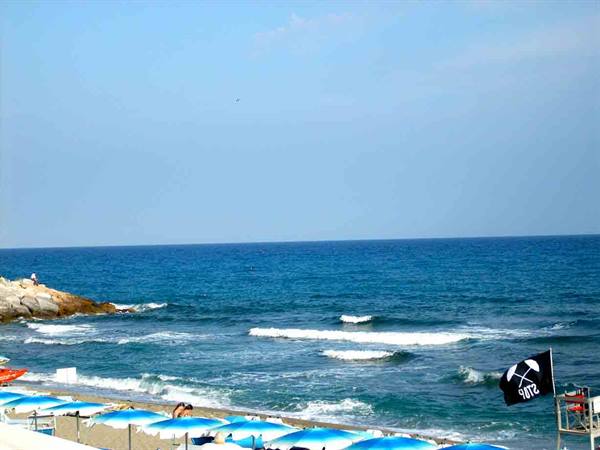
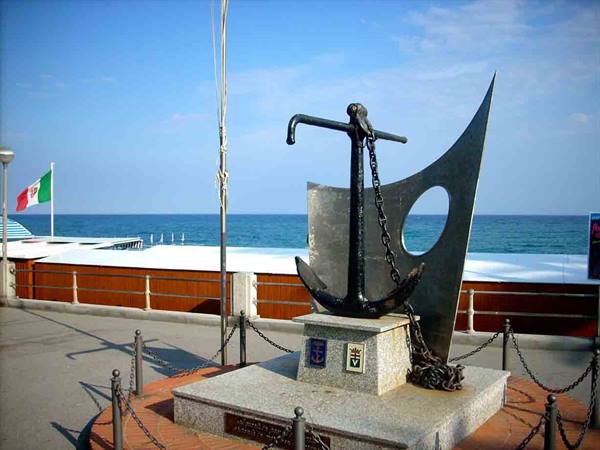
A stupendous town of the Riviera delle Palme, between the tip of the Mola and the tip of the Aspera, from whose port about seven hundred years ago the ship of Lanzerotto Malocello had set off, the navigator who discovered the Canary Islands. The Island of Lanzarote takes its name precisely from him, a symbolic figure of the maritime vocation of Varazze, famous since Roman times for its shipyards. The village arose next to the station of the Roman Empire Ad Navalia, and was first mentioned in the 10th century under the name Varagine, from which the present toponym derives, indicating a place where ships were launched. We set off to discover this ancient seafaring town along a road that until a few decades ago was used by trains: the Passeggiata Europa, about five kilometres long, built on the old single-track route of the Genoa – Ventimiglia railway, links Varazze and Cogoleto.
Immersed in the Mediterranean scrub, the cycle-pedestrian path leads through rocks of dark green and white colour, passing through the old tunnels restored using natural materials. If today Varazze is one of the most loved tourist destinations of the Ligurian Riviera, also thanks to the hiking opportunities offered by its hinterland immersed in the Beigua Regional Park, centuries ago its territory was the scene of harsh battles between Genoa and Savona, and on some occasions was also tormented by plagues. It is precisely to this scourge that the legend of Saint Catherine of Siena is linked; she arrived in Varazze in 1376, and seeing the population decimated by the plague, stopped to pray at a Marian shrine.
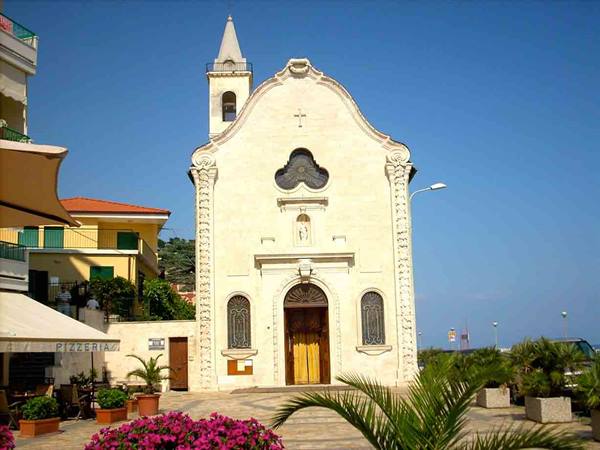
Her prayers succeeded in freeing the town from the epidemic and the people, out of gratitude, erected a chapel, which was later enlarged and became the present Sanctuary of Santa Caterina. Among the numerous religious monuments of the town we also visit the sixteenth-century Church of San Nazario e Celso, located in the far western area of Varazze, outside the medieval walls, also known for its churchyard, paved in "risseu", with polychrome pebbles, and the Church of San Domenico, where Jacopo da Varagine is buried, a Dominican friar and archbishop of Genoa, who lived in the thirteenth century and is famous for having written the Legenda Aurea, a volume on the lives of the saints.
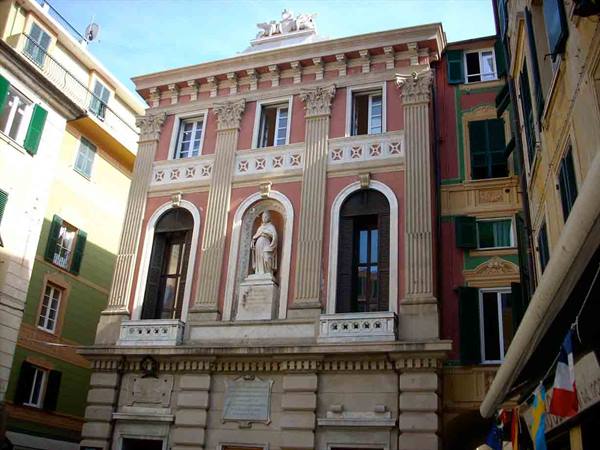
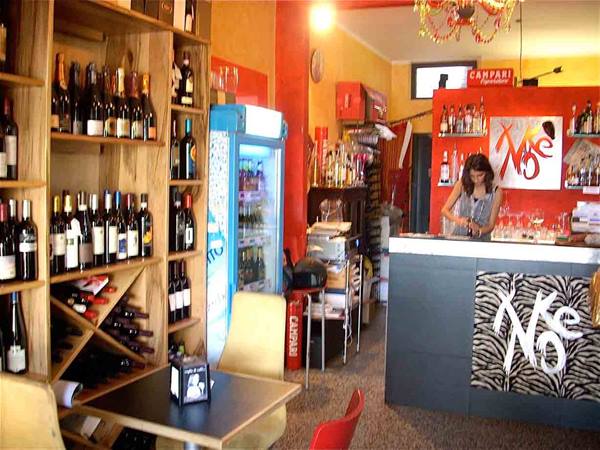
Returning to the historic centre, our walk continues through the highly colourful carrugi, full of charming little shops and focaccia bakeries, until we reach the Parish Church of Sant'Ambrogio, whose façade was rebuilt in 1916 in neo-Renaissance style. Its bell tower about thirty metres high, the fourteenth-century "Campanin Russu", is the symbol of the town. We postpone to the next day the visit to the menhir, a monolith located on the top of the Piani d'Invrea, and to the Eremo del Deserto, a seventeenth-century Carmelite convent in the hinterland, and we head toward the pleasures of good food. To start, we stop for an aperitif at the Wine Bar "Perché No", in Via Colombo.
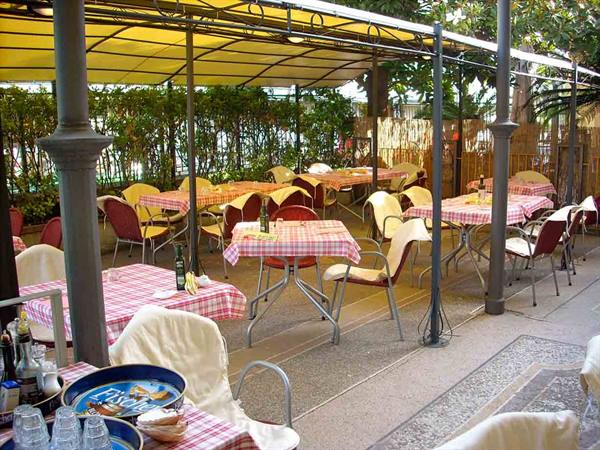
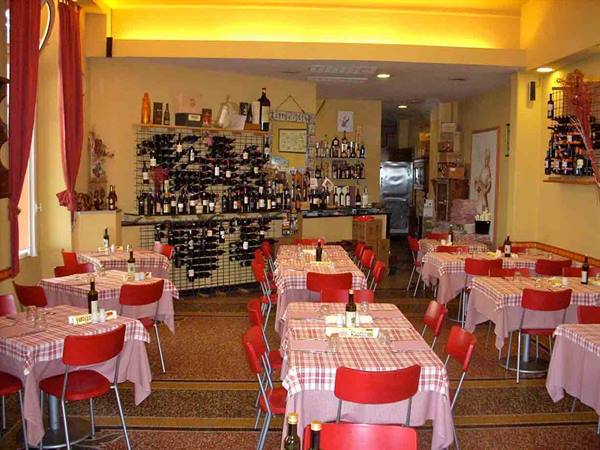
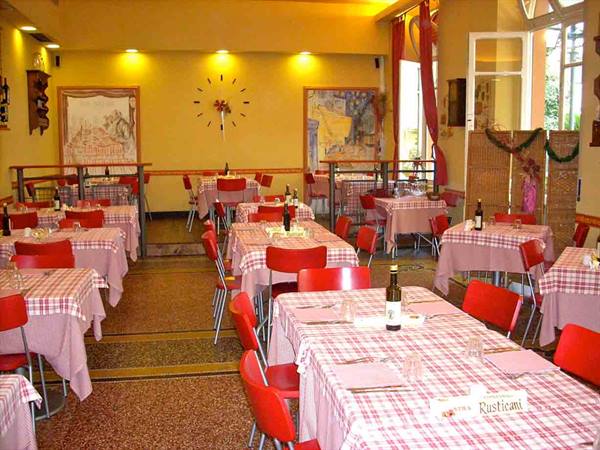
Sipping excellent cocktails and enjoying a wide variety of snacks and salads in the fashionable setting, we exchange a few words with the owner Alessandro, discovering that a few steps away is the Ristorante Enoteca "Perché No", run by his brother Andrea. After the aperitif we move to the Restaurant, settling into the large dehor. "This is a historic building from 1912, it was once the seat of the Hotel Delfino. We have run it since 2000, and after starting as a wine bar and brasserie, the place has evolved to be appreciated today for its quality dishes based on fresh products at nonetheless moderate prices," Mr Andrea tells us; he runs the place together with the chefs Ernesto, Claudio and Davide, and with Cecilia in the dining room. We start with local raw fish, a variation of Ligurian-style stewed fish starters and a tasting of fine cheeses and cured meats paired with jams and wine.
We follow this rich starter with tagliolini scented with Rossese and blackberries with morsels of stockfish sautéed with olives, capers, pine nuts and chilli. We also taste the linguine with local anchovies and bottarga, the ravioli with a sea bass filling with a sauce of red mullet fillets and fresh tomato. Some of the group instead opt for a land-based first course, the borage plin tossed in the pan with sausage and Fossa pecorino scented with pistachio pesto. In choosing the main courses we divide between the fried catch of the day, the mixed grills of fish and meat and the local filleted fish with seasonal vegetables. We wash down these good things with wines chosen from the 350 labels available, including about thirty types of excellent champagne.
Our Ligurian day ends on a sweet note, with tiramisù with white chocolate mousse and semifreddi of fior di latte and toasted pine nuts with pistachio cream and dark chocolate drizzle, and afterwards, another walk along the seafront lit by the stars...
Francesca Bertha
FOR INFORMATION:
Ristorante Enoteca Perché no Corso Colombo, 50 Varazze (SV) Tel.: 019/930235
The journey's photographs
14 photographs · click to open them full screen





0 reader comments