The story
The tourist who arrives in Vado Ligure today follows in the footsteps of illustrious travellers who had come here long before us: the Greek geographer Strabo, Pliny the Elder, historian and scientist born in 23 AD, the Latin geographer Pomponius Mela and even Brutus who, in the 1st century BC, described this place in a letter addressed to Cicero. If for us it is a lovely seaside town on the Riviera Ligure di Ponente, as well as a municipality with an important industrial history thanks also to the production of electric motors, which began in 1905, for the illustrious chroniclers of Roman times Vada Sabatia was a strategic centre of the Empire, linked to Rome via the Via Aemilia Scauri. Walking under the palms of the seafront, a sense of peace pervades us, and we would think of anything but the Punic Wars.
Instead, when we stop in a park to munch a focaccia, an activity that first attracts a greedy seagull and then a lady who begins to tell us stories about Vado Ligure, we realise that to understand any of it we have to go back to Hannibal and his elephants. It so happens that the commander's brother, named Mago, had sacked Genoa, carrying out an unprecedented destruction and taking all the loot to Savona. It was precisely this act that gave rise to Vado Ligure: the Romans founded it to oppose Savona, guilty of having given refuge to the terrible Mago. It even seems that the expression "magone", meaning a lump in the throat, is due to the terror that the Genoese experienced because of Hannibal's brother.
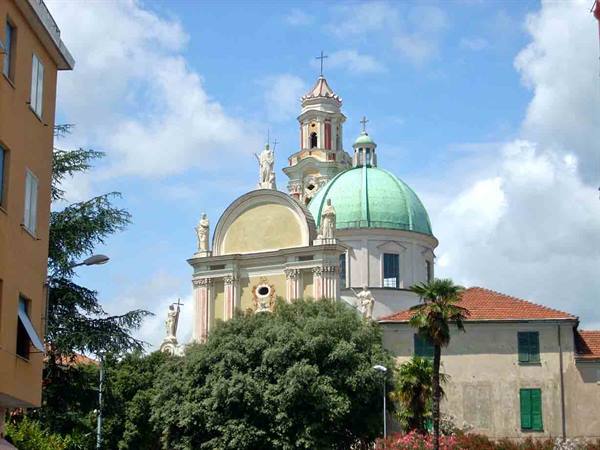
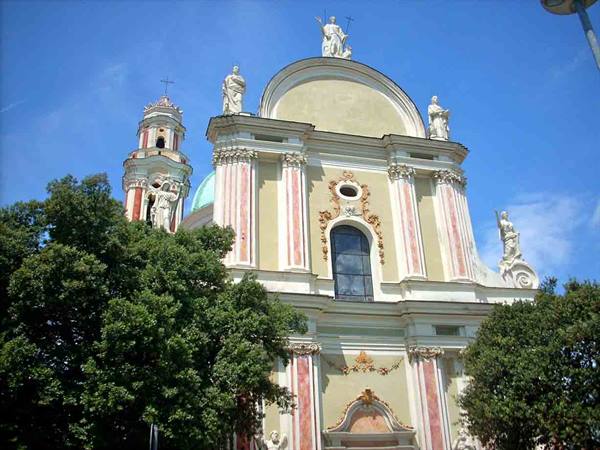
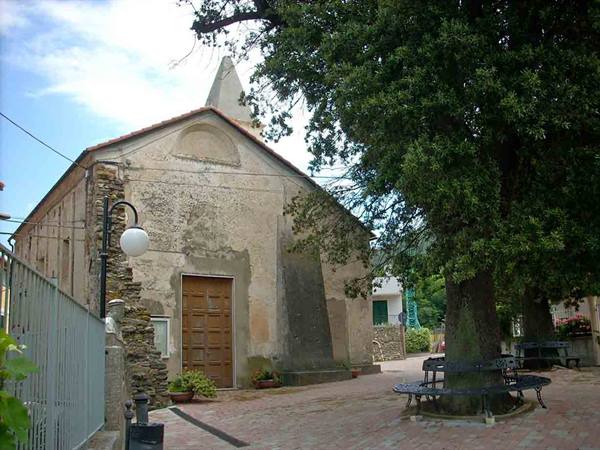
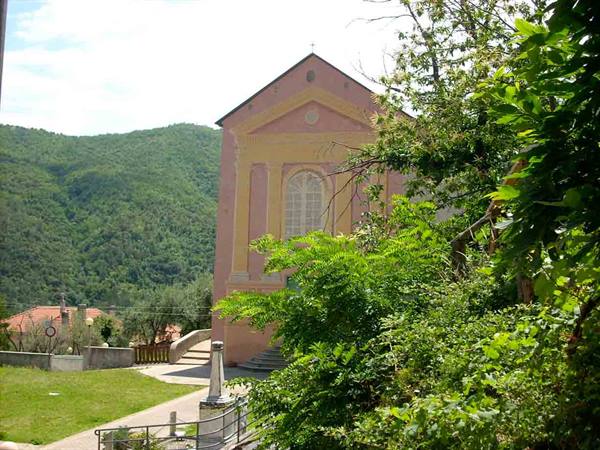
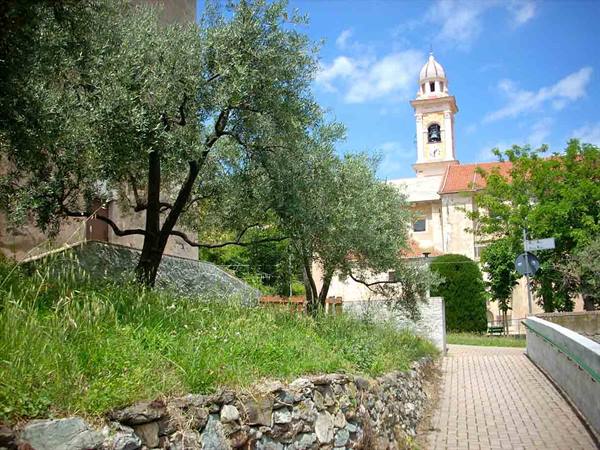
The memory of the many battles of past centuries is preserved by the forts, destroyed and rebuilt several times: the Fort of San Lorenzo, near the mouth of the Segno stream, and the Fort San Giacomo, connected to the first by outer walls and underground passages. Among the other forts, several of which are now reduced to ruins, the Bastione San Giovanni stands out, located along the beach of Vado. Our walk continues with a visit to the Parish Church of San Giovanni Battista, patron saint of the town. Erected in the 18th century in Baroque style, the church preserves precious works of art inside, including two paintings by Francesco Baracca. We decide to visit the hamlets of Sant'Ermete and Segno as well, situated on the heights. At Sant'Ermete we admire the very graceful parish church of medieval origin, as well as a very ancient lime kiln.
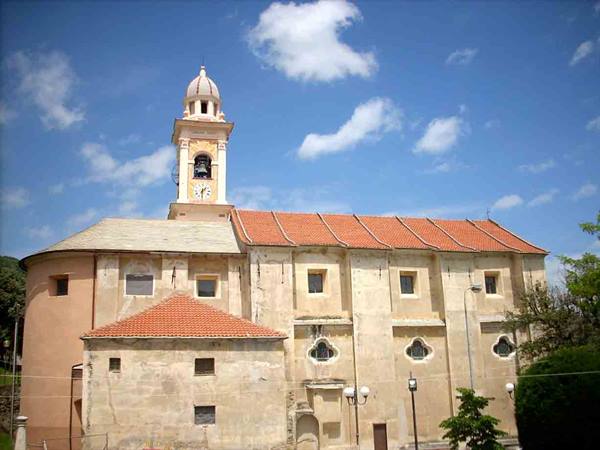
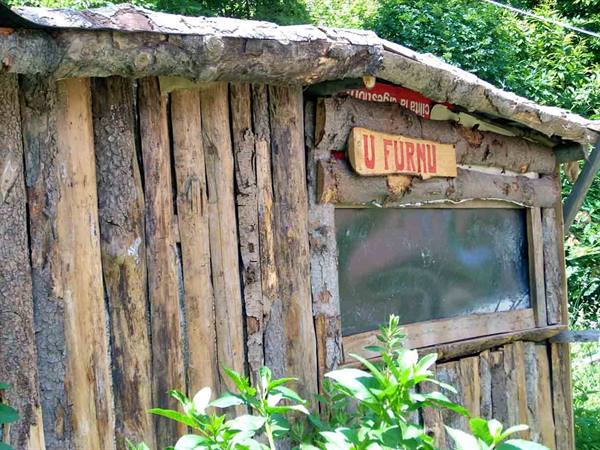
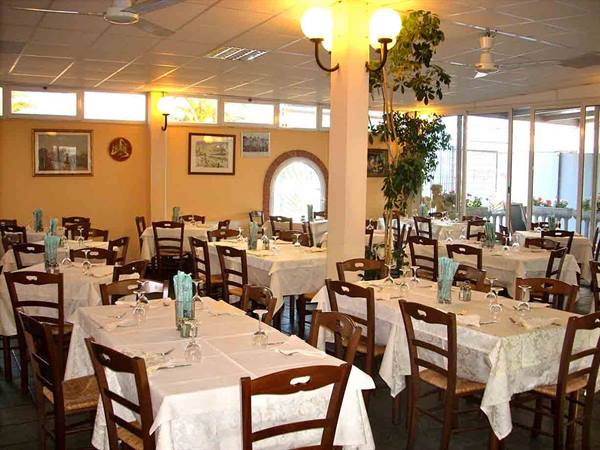
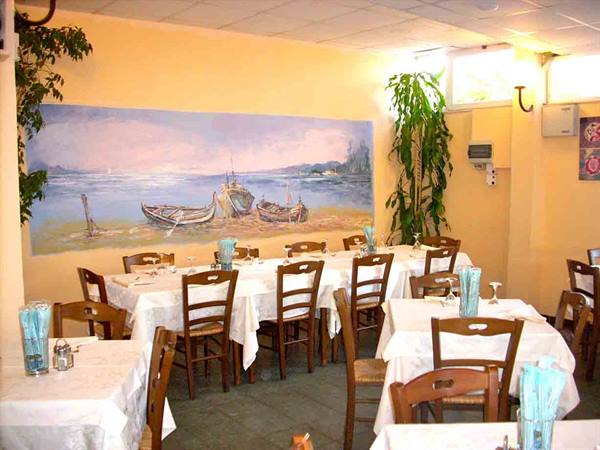
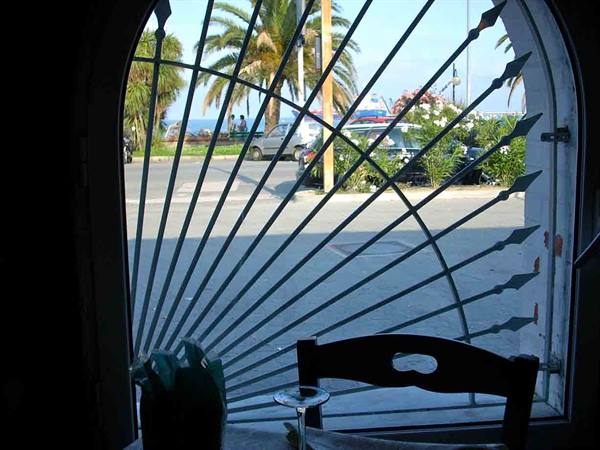
The lime of Vado Ligure, they say, was even used in the construction of the Colosseum. Travelling along a very panoramic road, we reach the hamlet of Segno, from which a wonderful view of the mountains opens up, with a glimpse of the sea in the distance. In the centre of the village stands the imposing Parish Church of San Maurizio, and near it, the Oratory of Santa Margherita, renovated in the 1990s. Next to the Oratory we notice an original playground, conceived to introduce children to the old trades and country life. After this lovely tour we return to the seafront and decide to stop for dinner at the Ristorante Pizzeria Da Antonio, located on the Aurelia. We leave the car in the large car park and take our seats in the very spacious dining room with a sea view. "Many years ago this place was a trattoria called Felicita.
My family and I have been running it for thirty-one years, and besides the set business menus we offer at lunch at a modest price, we specialise in Ligurian and national dishes, as well as Campanian specialities, since I am from Naples. We are also known for our pizzas and focaccias," the owner, Mr Antonio, tells us as we begin to study the menu. Some of the young people in the group choose the pizzas, all made in the wood-fired oven, among them the Napoli, with cherry tomatoes, buffalo mozzarella, sausage and friarielli, that is, Neapolitan turnip tops. Some taste the seafood pizza, the focaccia di Recco, and two of us go for the Pizze dello Sportivo, choosing the Pizza Juve and the Pizza Inter. The rest of the group opts instead for the restaurant specialities, starting with a rich seafood antipasto and enjoying, among other things, the fish carpaccio and hot shellfish antipasti.
We continue with scialatielli with seafood, fisherman's risotto, seafood paella and Gragnano calamarata pasta. After these exquisite first courses we enjoy a lovely grilled fish, while some of us have the mixed fried fish and the baked fish. We wash down these delights with Ligurian and Piedmontese wines, among them Gavi, Pigato and Arneis, as well as Campanian wines such as Fiano and Greco di Tufo. Our dinner ends with the excellent house desserts and with the decision to come back here soon, both to taste the lobster linguine, available on reservation, and to let loose with the young people during one of the giropizza evenings...
Francesca Bertha
FOR INFORMATION:
Ristorante Da Antonio Via Aurelia, 22 Vado Ligure (SV) Tel.: 019/881507
The journey's photographs
14 photographs · click to open them full screen



0 reader comments