The story
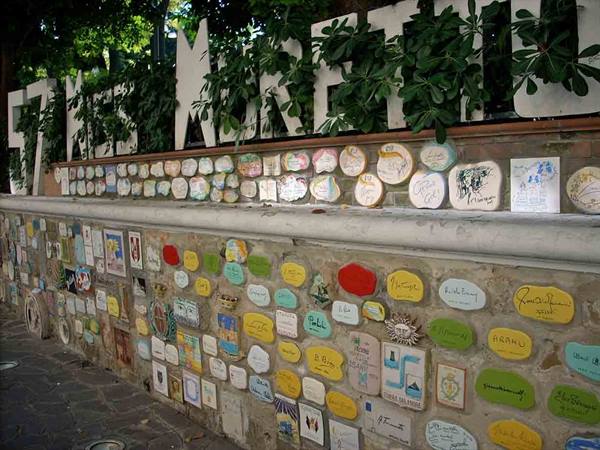
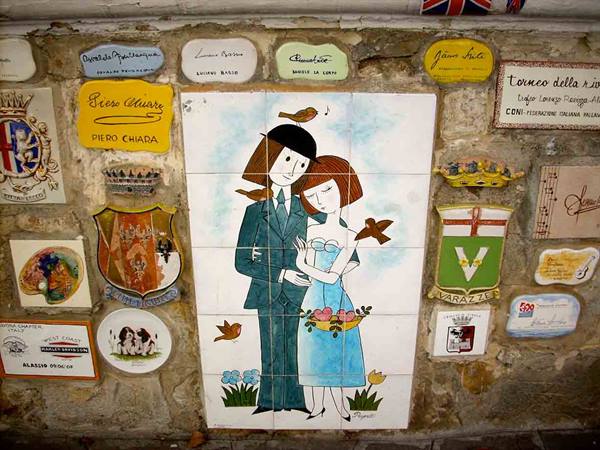
The first of the now countless coloured tiles, signed by figures from the worlds of art, entertainment and sport, to be placed on the famous Muretto of Alassio, was that of Ernest Hemingway. It was 1951, and at the time, as the Alassio painter Mario Berrino recalls, the little wall of Via Dante was just a rustic low wall bordering the public gardens. And so the artist had had the idea of decorating it with tiles commemorating the many VIPs who enlivened the dolce vita of the place. The great American writer was enthusiastic about the idea. His tile was followed by that of the Quartetto Cetra and many others. Our walk in this splendid town on the Riviera Ligure di Ponente begins right at the Muretto, famous also for the Miss Muretto beauty contest, as well as for being a lucky place for lovers.
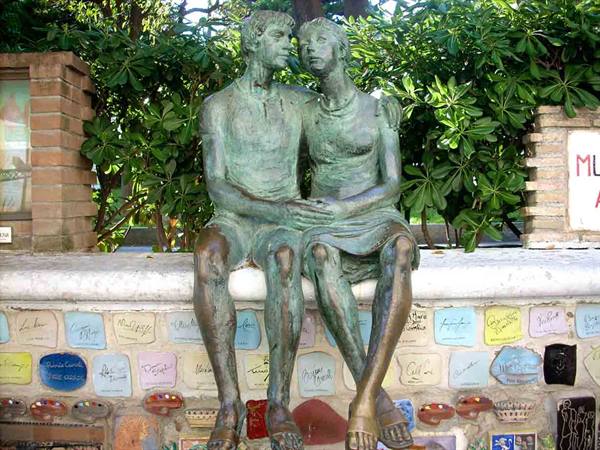
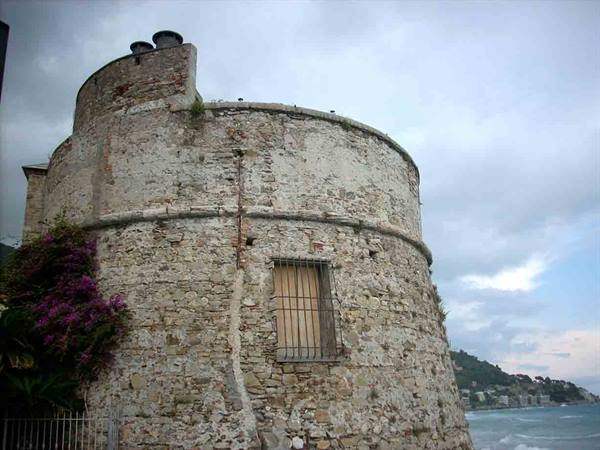
On St Valentine's Day, in fact, couples meet beneath the celebrated work of the "amoreux" by Raymond Peynet, leaving their love letters in the post box placed next to the sculpture of the lovers, a work by Eros Pellini. After all, even the place name Alassio is tied to a great love story: that between Aleramo of Monferrato and the daughter of Emperor Otto I of Saxony, Adelasia, from whose name the term Alassio is said to derive. It was Aleramo himself who was the first owner of the very ancient Torre di Vegliasco, depicted in the town's coat of arms. In times past, the watchtowers built on the seafront, such as the Torrione Saraceno in Borgo Coscia, were extremely important in defending the coast from the frequent raids of pirates. Many centuries later, between the end of the 19th century and the early 20th, Alassio became one of the favourite tourist destinations of the English.
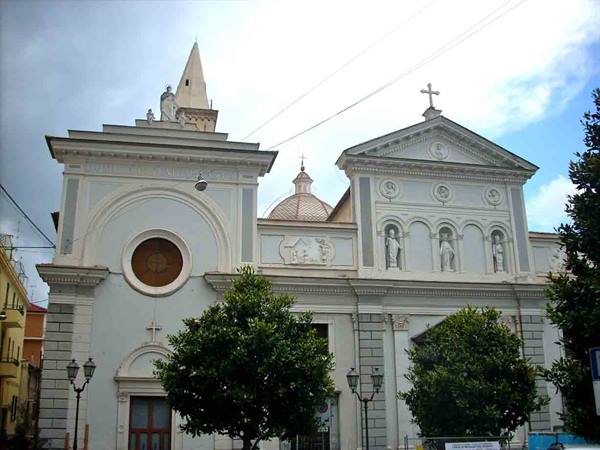
That is why, walking in the centre, you see splendid English-style villas just about everywhere. Among the most illustrious English who had lived in Alassio, the Hanbury family stands out, the family that created the botanical gardens of the same name in Ventimiglia, as well as the painter Richard Whateley West, after whom the art gallery housed at the Library of Viale Hanbury is named. The town is also very rich in beautiful churches, among them the Parish Church of Sant'Ambrogio, dating back to the 11th century. On Mount Tirasso, in a dominant position over the town and on the ruins of a very ancient castle, stands the Sanctuary of Nostra Signora della Guardia, built in 1200.
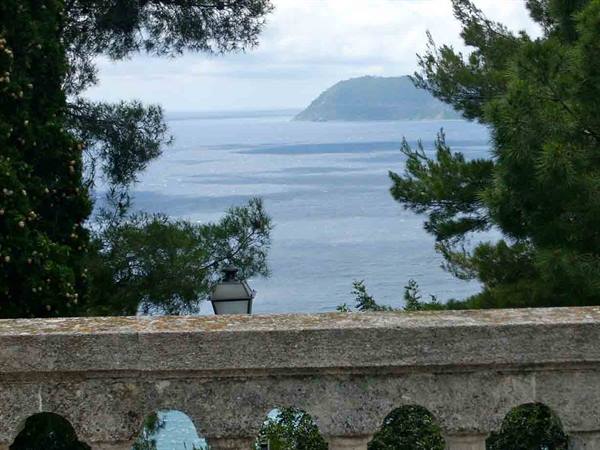
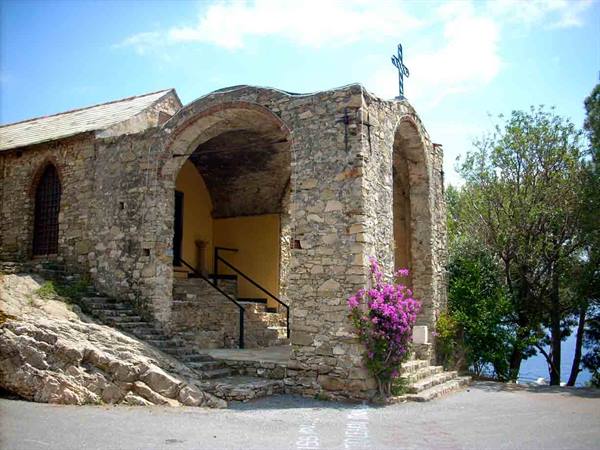
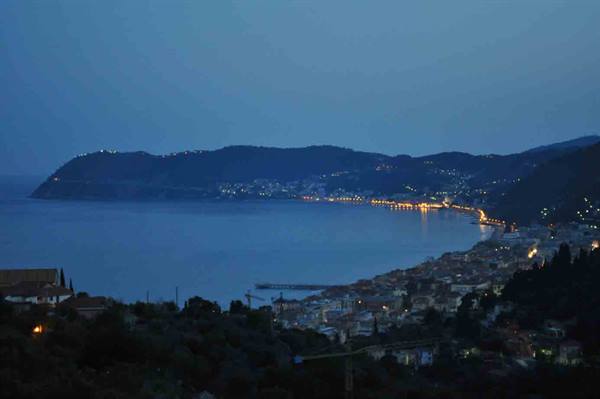
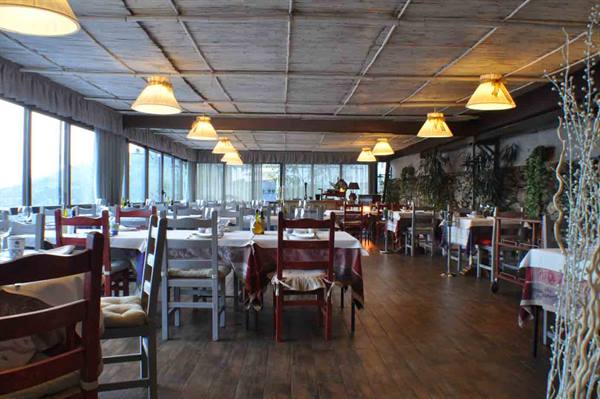
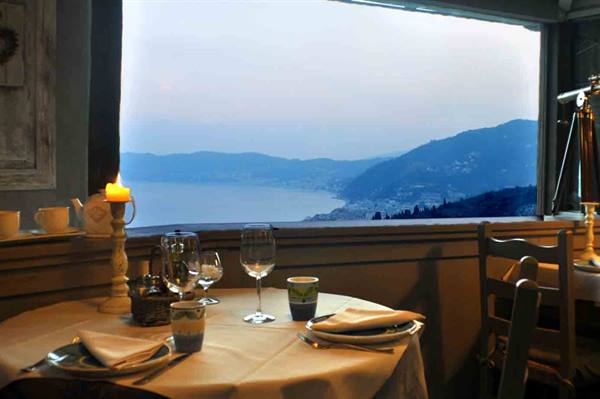
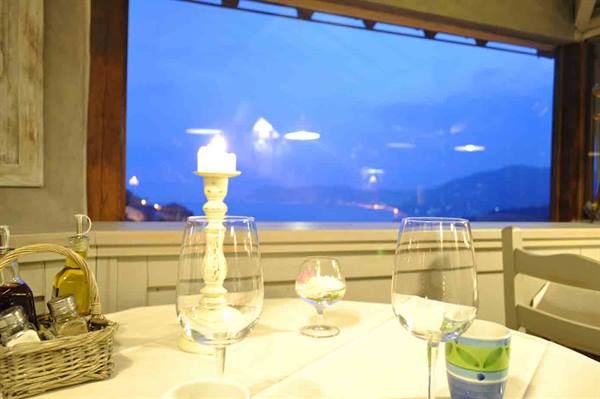
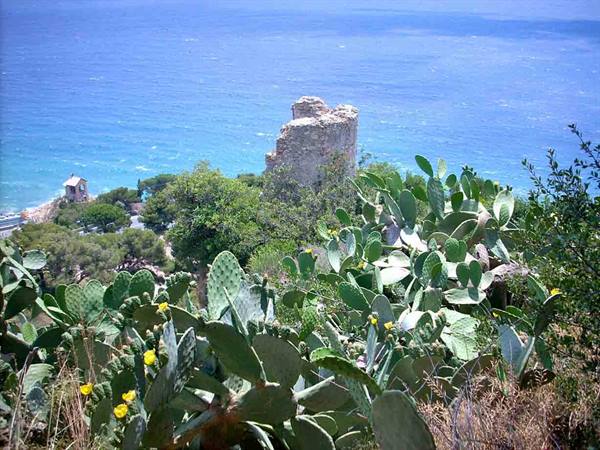
To admire the breathtaking panorama of Alassio from above, we reach the ancient Roman panoramic road in the Santa Croce district, where the church of the same name is located, built in the 11th century by Benedictine monks from the nearby Gallinara Island. From the belvedere a wonderful view opens up over the island surrounded by the blue of the sea, while on the coast one makes out the ruins of a tower and the little chapel on the Luca Ferrari marina. A short distance from here, passing along a characteristic road lined with walls immersed in a shower of bougainvillea, we reach the hamlet of Solva, where we settle at the tables of the Osteria Ristorante La Vigna. The view that opens from the dining room over the gulf leaves you speechless: it is like being in a painting by Raoul Dufy.
"Since the 1960s, the Osteria La Vigna has been one of the most fashionable restaurants, frequented by VIPs. We took over the management in 2007, enhancing the charm that had made it famous and able to impress even the most demanding guests," Mr Pio tells us, the owner who runs the restaurant together with his children Luca and Charlotte. We begin our dinner in the name of the traditional flavours of the area with one of this place's specialities: the pinzimonio, with excellent little sauces. We continue with cuttlefish in buridda, Ligurian-style stuffed anchovies and brandacujun, a typically Ligurian dish consisting of a creamed salt cod or stockfish with potatoes. Some of us taste land-based antipasti instead, among them snails with polenta.
We follow this rich antipasto with first courses made with homemade fresh pasta, choosing the black tagliolini with prawns and goat's cheese, the lobster tagliatelle, the sea bass ravioli with mussels, clams and courgettes, and the potato gnocchi with fresh anchovies. We also try the green trofiette alla genovese with pesto, potatoes and green beans, and the borage ravioli with walnut sauce. In choosing the main courses we split between fish dishes such as the trancio of the day's catch with potatoes, olives and pine nuts, the fried squid, the stockfish with potatoes and Taggiasca olives, and land dishes such as the rabbit in Vermentino.
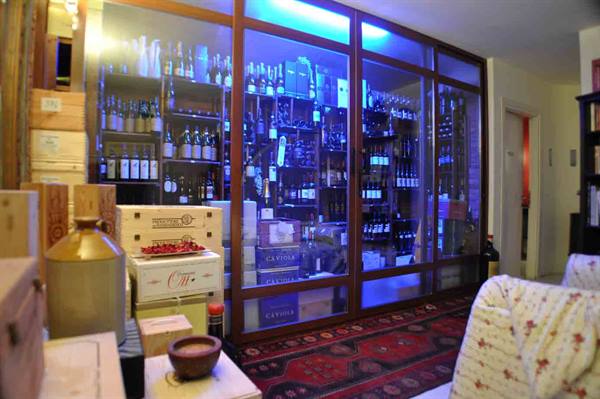
We conclude the dinner enjoying the excellent house desserts, sipping Ligurian and Piedmontese wines, and making plans for when to come back here next time: like the artists of the early 1900s, our hearts too have been captivated by the beauty of Alassio.
Francesca Bertha
FOR INFORMATION:
Ristorante La Vigna Via Lepanto, 1 Fraz. Solva, Alassio (SV) Tel.: 0182/644744
The journey's photographs
15 photographs · click to open them full screen


0 reader comments