The story
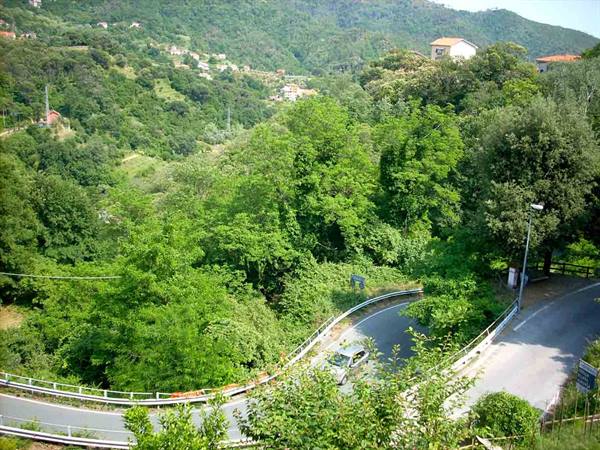
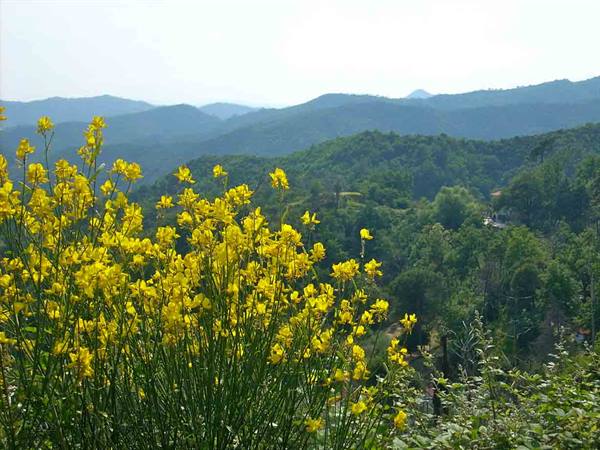
In the age of satellite navigators, planning a trip out of town by studying an old atlas has a particular charm. Even more so if those maps depict one of the most beautiful areas of northern Italy, Liguria. The Atlante Ligustico, produced in 1774 by Francesco Maria Accinelli, depicts Ligùstia, which, besides present-day Liguria, at the time extended from Cisalpine Gaul to the edge of Etruria. It is precisely with this broader, more historical vision of the region that we decide to abandon the usual convenient motorway route that leads to the sea, and to take a longer but also more thrilling one, along the bends that lead from Acqui Terme to Savona, passing through wonderful colourful villages set in the dark green of the dense woods of the Beigua National Park.
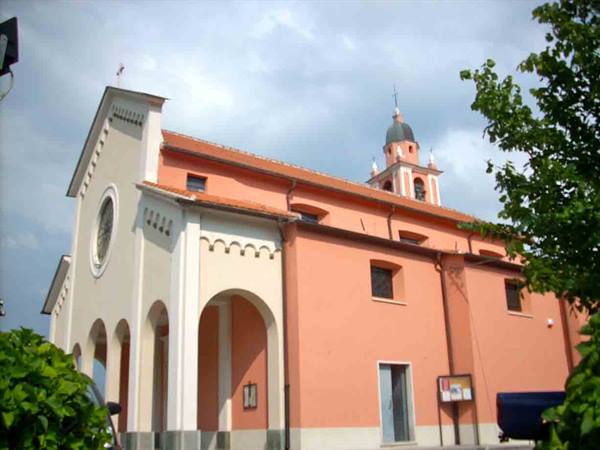
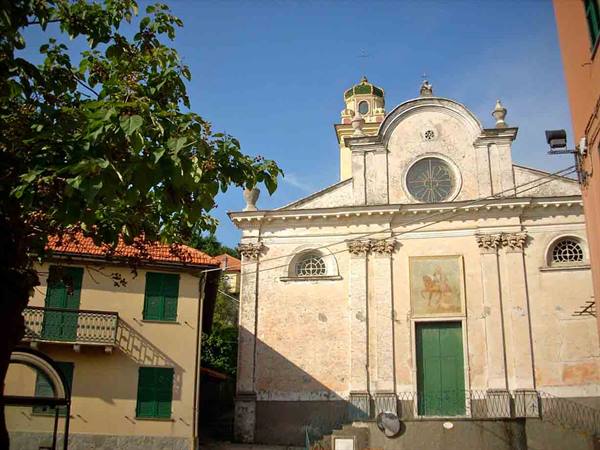
One of the most beautiful municipalities encountered is Stella, actually made up of five stars, that is, five ancient hamlets, each dedicated to a saint. The first we reach, arriving from the north, is Santa Giustina, which in medieval times was a possession of the monks of the abbey of Sezzadio, the village where Aleramo of Monferrato was probably born. The vivid colours of the bell tower of the Parish Church of Santa Giustina are visible from afar, almost as if wanting to guide travellers towards this place. Inside, besides two wooden statues of Santa Giustina and San Giacomo, we also notice a curious portrait of fossil finds collected by Don Deogratias Perrando, a self-taught naturalist and geologist as well as parish priest of the village in the 19th century. The finds he collected are today in Genoa, as well as at the Perrando Museum in Sassello.
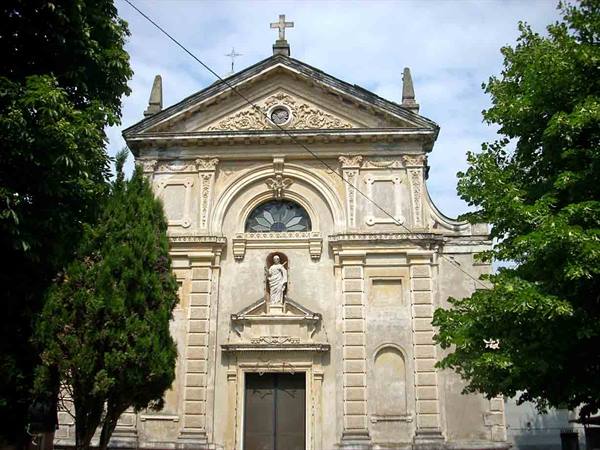
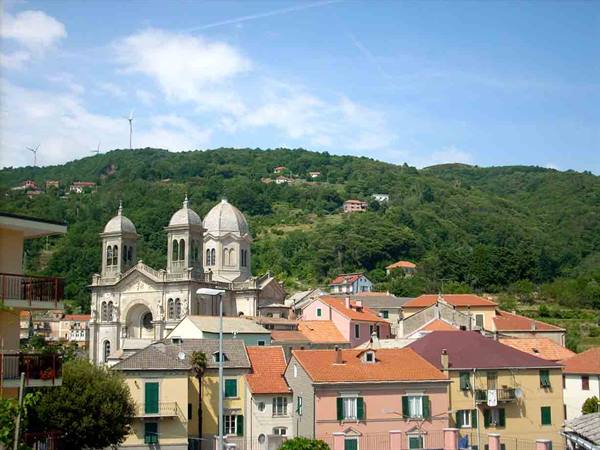
The second star, not to the right as the song says, but going straight on, is the biggest one, the municipal capital San Giovanni. Famous for having been the birthplace of the seventh President of the Republic, Sandro Pertini, the place, like a good part of the territory of Stella, was inhabited since prehistoric times. Dominating the historic centre of San Giovanni there was once the Castle, probably of Byzantine origin, whose remains can be visited today, noting the pentagonal layout of the walls. The 19th-century Parish Church replaced the ancient parish church that had grown out of a medieval chapel, which is today the Oratory of San Sebastiano. The westernmost tip of the great Stella is San Bernardo, a very panoramic holiday spot, also known by the name Corona, which is actually one of its hamlets, whose name perhaps alludes to the crown of the mountains surrounding this place.
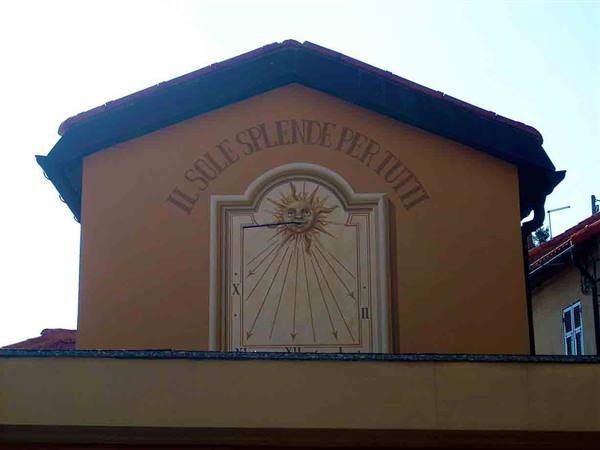
Besides the beautiful church, remodelled several times starting from the 16th century and richly decorated inside, San Bernardo is also known for its small karst caves, a real treat for enthusiasts. Moving eastwards, we reach San Martino, considered the oldest nucleus of Stella, also because its church was, until 1567, the only parish church of Stella. We also visit the Torre del Mezzano, which is said to have once been connected by an underground passage to the Castle in San Giovanni. The tower certainly served to keep watch over the mule track, or, to put it as De André did, the creuza coming from Albisola. At San Martino the Ligurian sun also tells the time: the sundials, present just about everywhere, seem to say that the sun shines for everyone. We thus arrive at the Stella closest to the sea, that is, Gameragna, known as Santa Caterina, to whom the church is also dedicated.
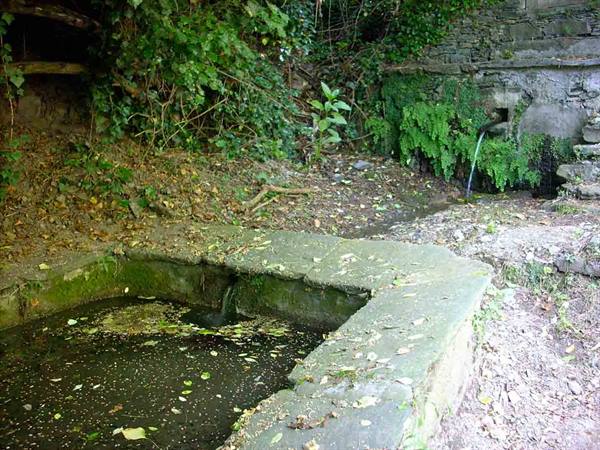
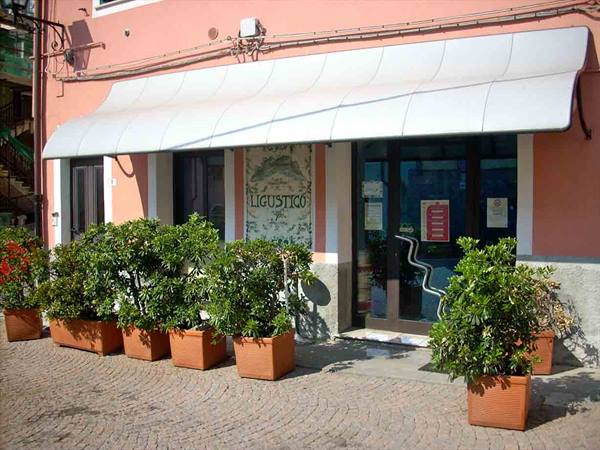
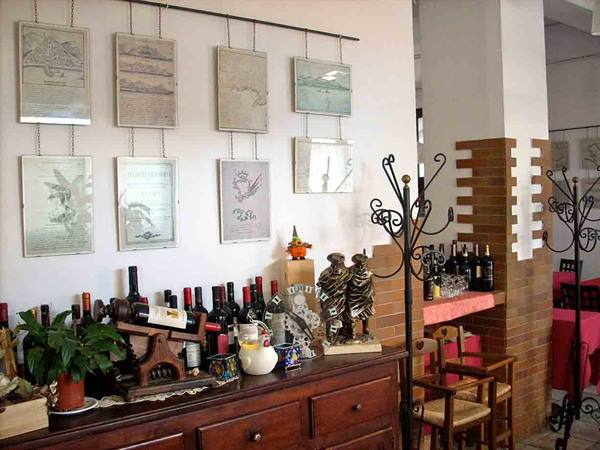
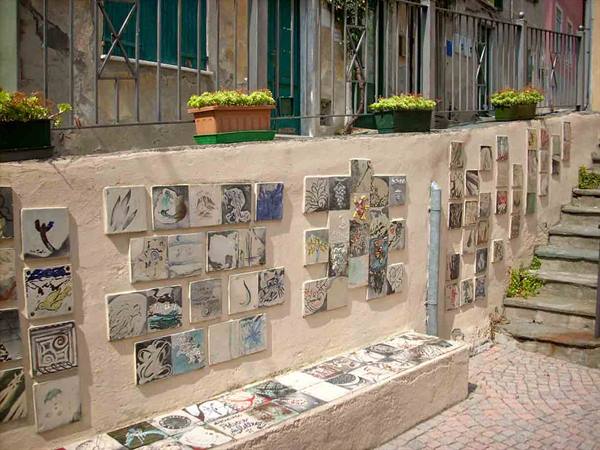
Travelling along the little road that leads to the ancient spring where they say even Napoleon stopped to water his horses, our gaze caresses the dark blue of the mountains behind which one glimpses the sea: both Celle Ligure and Albisola are less than half an hour away by road. Taking a walk among the alleys of the village, we notice with great pleasure the Ristorante Ligustico, where we decide to stop for dinner. Seeing on the walls the very images of the Atlante Ligustico is an emotion that rewards our choice, as does the kindness of the owners, Roberto and Lilli, who have run this characteristic restaurant since 1995.
We begin our dinner in the name of the flavours of authentic Ligurian cuisine, enjoying formaggetta and olives, mixed cold cuts and a very good prawn cocktail, before moving on to the typical first courses such as the garganelli with prawns and courgettes, the fine-herb ravioli, the Sardinian gnocchetti "Sancho Panza" that enhance the pecorino produced by the Sardinian breeders working in Liguria, and the inevitable potato gnocchi with pesto. As a main course we choose a very good mixed grilled meat, and some of us also happily enjoy the tagliata with rocket or with mushrooms, the grilled spring chicken and the cipollata with mushrooms. We conclude our Ligurian dinner with a lovely apple pie with meringue and hot chocolate, a semifreddo of dried fruit with honey, the panna cotta and hot berries with ice cream.
Francesca Bertha
FOR INFORMATION:
Ristorante Ligustico Fraz. Gameragna, 2 Stella (SV) 019/706384
The journey's photographs
14 photographs · click to open them full screen



0 reader comments