The story
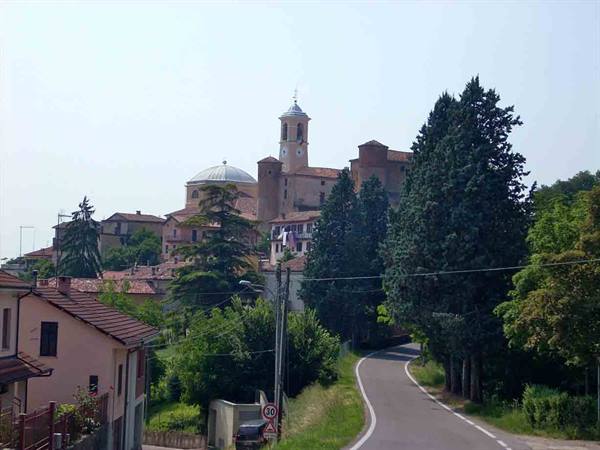
In the Val Tiglione, on the doorstep of Asti, the year 1134 was one of the most dramatic in its history: the plague decimated the inhabitants of many villages along the stream that flows into the Tanaro river, and the few survivors prayed desperately for salvation. At that point, as if by divine inspiration, they had the idea of moving up onto the highest hill in the area: the healthy air of that place, at the time completely covered in woods, would save them from certain death. And so on that "monte grosso" was born the village of Montegrosso d'Asti, the village of salvation. Today this charming little place continues to release its beneficial effects, but now in a modern, touristy key: anyone arriving here from the greyness of the city can surely find relief from stress and enjoy a pleasant day in the town's atmospheres steeped in history.
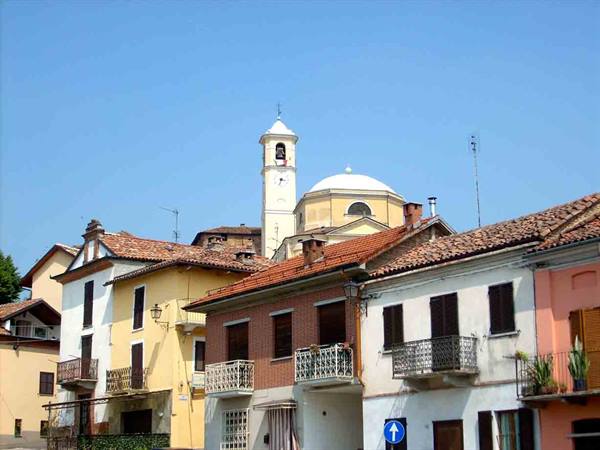
Walking along the old "sternìe", the steep lanes paved with river pebbles that wind between colourful houses, through which you glimpse the endless chains of the Asti hills, we feel as though we have stepped into a painting. All we need is a quick chat with the locals to discover that it really is so: we are inside a painting by Enrico Paulucci. The painter, born in Genoa in 1901, is famous among other things for having founded in 1929, together with five artists including Carlo Levi, the "Sei di Torino" (Six of Turin), a group inspired by the French post-Impressionist painting of Cézanne, Matisse, Dufy and others. Paulucci's mother was from Montegrosso and the artist always remained very attached to this place, where he also lived for many years, producing numerous paintings in which he portrayed these splendid landscapes.
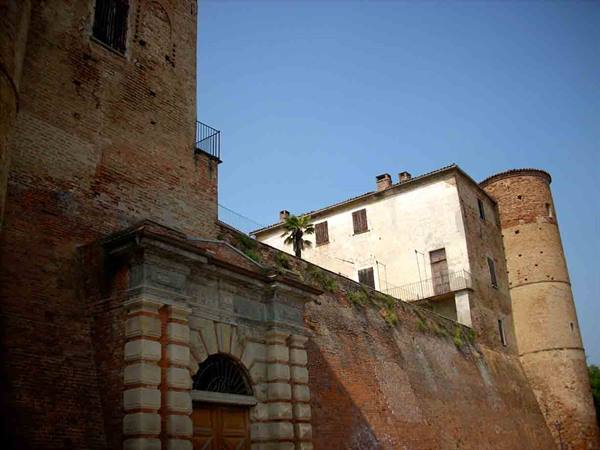
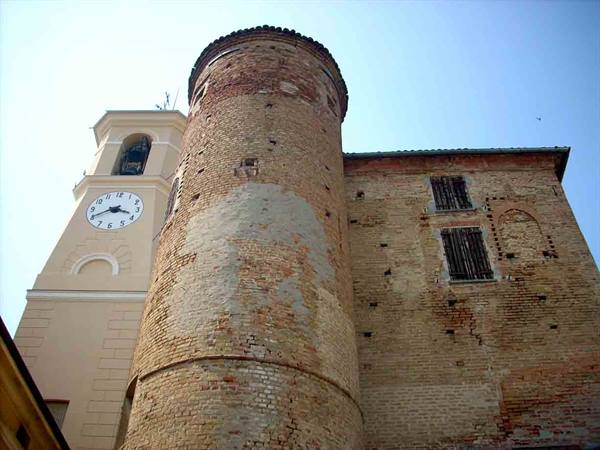
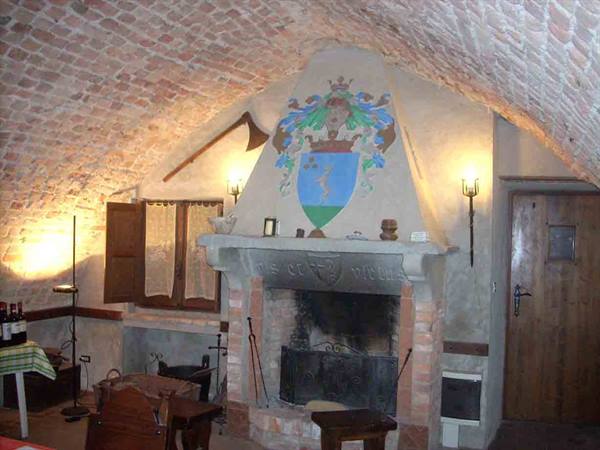
From any point, if you raise your eyes towards the upper part of the village, you see the Castle and the adjoining Parish Church of Saints Secondo and Matteo, with its octagonal dome and neoclassical pronaos. We thus reach the architectural heart of the village, first visiting the twentieth-century parish church, which houses an important panel depicting the Holy Family. Reaching the imposing medieval castle, we immediately notice a striking tower, very tall and round. We arrive at the castle's main door just as we see a gentleman entering, so we pluck up our courage and ask whether it is possible to take a look inside too. The Castellano, Mr Graziano Motta, welcomes us, seating us at the sturdy wooden table in the middle of a room steeped in history. "More than a castle, this building was a real fort, for a garrison of about forty men," he tells us. But that's not all.
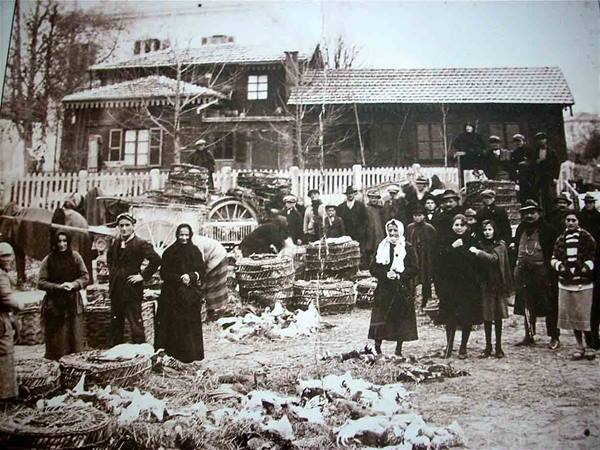
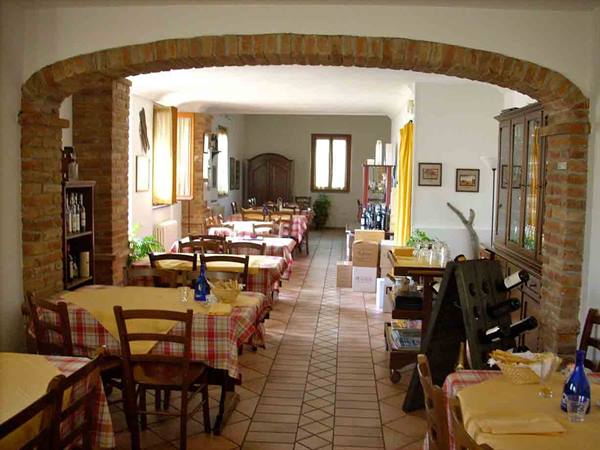
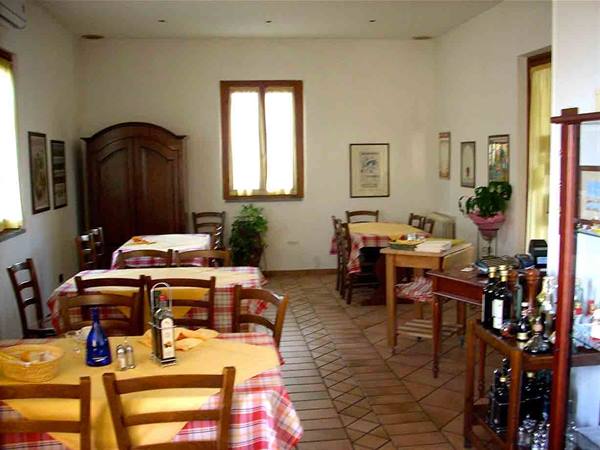
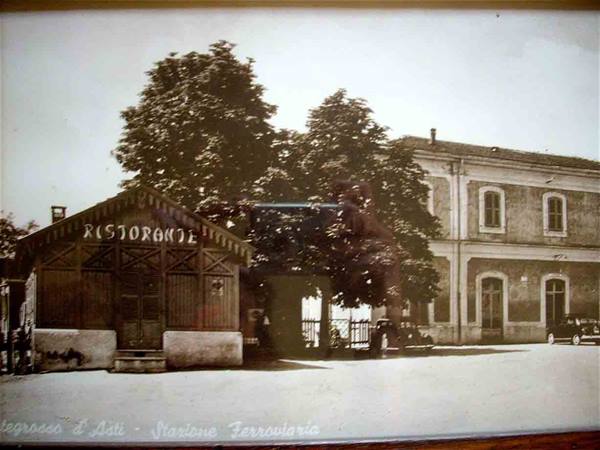
They say that in this castle, and more precisely in that very tower we liked so much, a ghost also lives. "I haven't met him yet, but I know he is a friar whose head the Ghibellines cut off in 1328, when they conquered the tower. It seems that once a year trickles of blood even surface on the tower," the Castellano reassures us... After these novel-like shivers we head to another historic place in the town: the Ristorante della Stazione, in Piazza Roero. "This place has about 120 years of history behind it. Once the market was held in this square, and the bar-restaurant of the time never closed so as to feed the passengers arriving by train during the night," Gian Luca tells us; he has run the restaurant with Michela since 2006, the year her parents handed the reins over to their daughter. "This June we celebrate twenty years of our family running it.
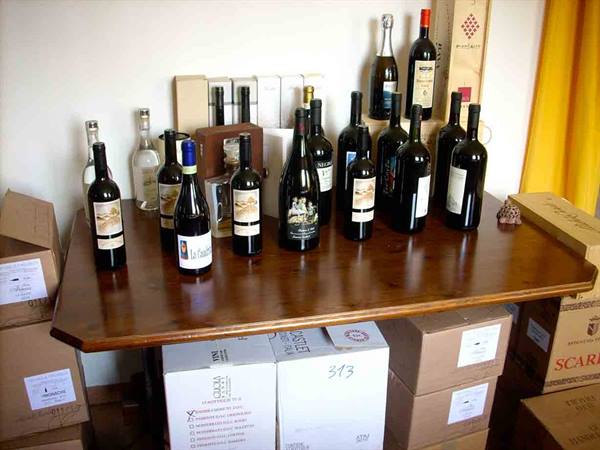
But my mother still helps us, she always makes the best agnolotti," Michela confides. We start with peppers with bagna cauda, vitello tonnato, hand-chopped fassona beef and the cheese spumone, that is a selection of cheeses from the board blended together, with pepper jam and Montaldo honey. After these exquisite starters of Monferrina tradition we taste some first courses made with homemade pasta: the classic square hand-made agnolotti with three meats in roast sauce, the garden borage tagliatelle with sausage ragù and the Castelmagno gnocchi. We wash these delicacies down with some excellent wines chosen from the roughly ninety labels available, including Barbera, Dolcetto, Grignolino and Bonarda, from both well-known estates and small local producers.
We continue with the Piedmontese mixed fry, the rolled rabbit with aromatic herbs baked in the oven, served with potatoes, and some of us also enjoy a fine Piedmontese fassona steak. Awaiting our return here for the unmissable truffle season, this time our dinner ends among sweet temptations including bunet, Moscato zabaione, tiramisù with strawberries and the nocciolata, a soft hazelnut cake covered in chocolate crumb...
Francesca Bertha
FOR INFORMATION:
Ristorante della Stazione – L'òstu Da Castagna Piazza Roero, 3 Montegrosso d'Asti (AT) Tel.: 0141/953167
The journey's photographs
14 photographs · click to open them full screen




0 reader comments