The story
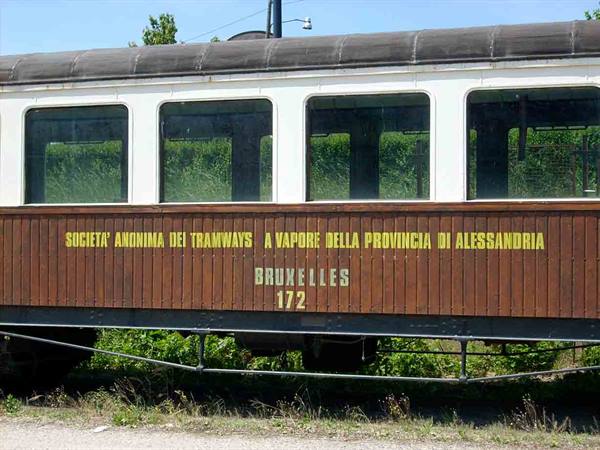
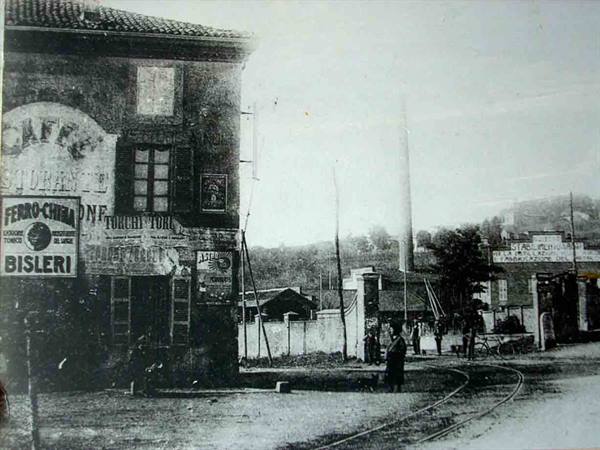
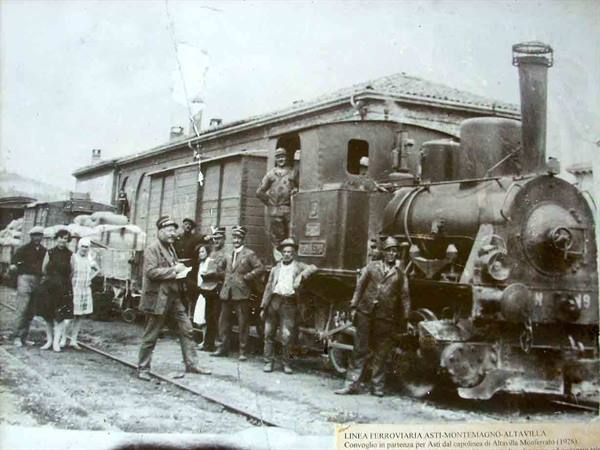
"It is our city, a small city and the trams don't run through it. But the river runs through it and above the river the leaves and above the leaves the Sun", so goes one of the many poetic compositions by the singer-songwriter Gianmaria Testa, a native of the Langhe. We are used to seeing trams only in the larger cities, yet, if we had wanted to visit Altavilla Monferrato until about eighty years ago, we would almost certainly have arrived by tram. The history of this municipality on the border with the province of Asti is closely tied to the history of the steam tramways. Altavilla was in fact one of the most important stations of the tram network of the province of Alessandria, which from 1880 until 1936 connected the hill villages with Casale Monferrato, Alessandria and Asti.
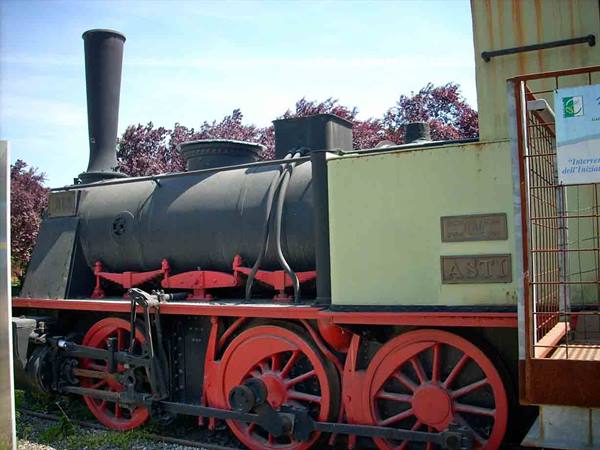
The curiosity to find out something more about these incredible trams that even managed to climb the hills of San Salvatore Monferrato, as well as Vignale, leads us to visit the Tramways Museum, in the hamlet of Cittadella. Seeing the old locomotives and listening to the account of some elderly local person, we discover that around the tramways there exists a veritable literature, full of picturesque episodes, starting with the nicknames people gave to these means of transport. What fired the popular imagination in this regard were the journey times, described as "snail-like" by the scholar Franco Castelli (15 km in almost two hours), along with their puffing and clanking in the black smoke of the chimney.
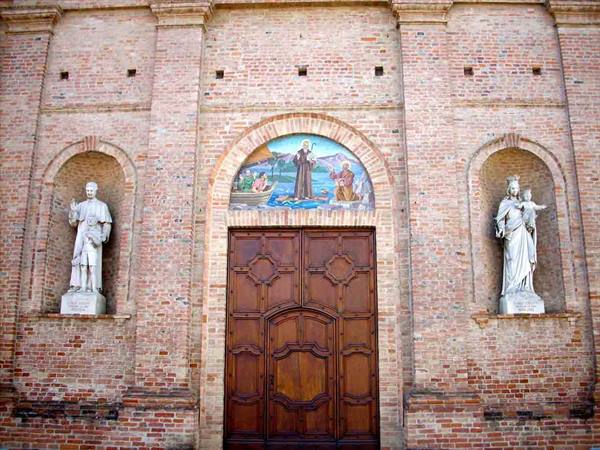
So the people of Alessandria called the tram a "coffee pot", while in the province they spoke of "rabaton" (a tumble, given the frequent derailments), of "fruciam" (old iron), but also of a "ticket with the right to a push", since uphill it was not rare for the convoy to stall, forcing passengers to get off and push the locomotive. It is also said that the tram drivers often hit the bottle, an understandable fact given the quality of the wines of these hills. But Altavilla Monferrato is also famous for grappa; indeed, a short distance from the Tramways Museum is the Grappa Museum, at a historic distillery. Our walk continues to the centre, where we admire the striking Parish Church dedicated to San Giulio d'Orta. Inside are preserved several precious works by Moncalvo, as well as the Last Supper by Caccia and the "Wedding at Cana" by Musso.
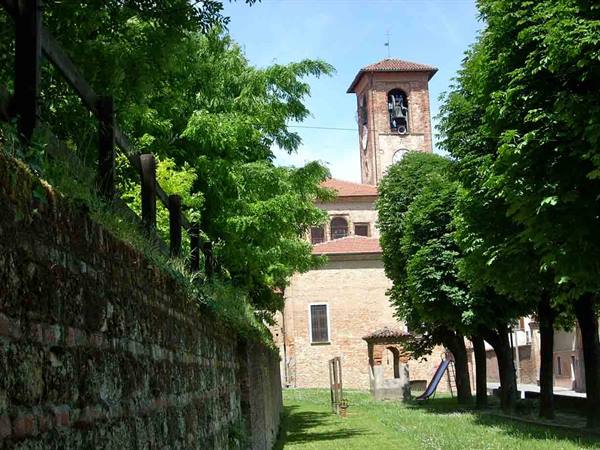
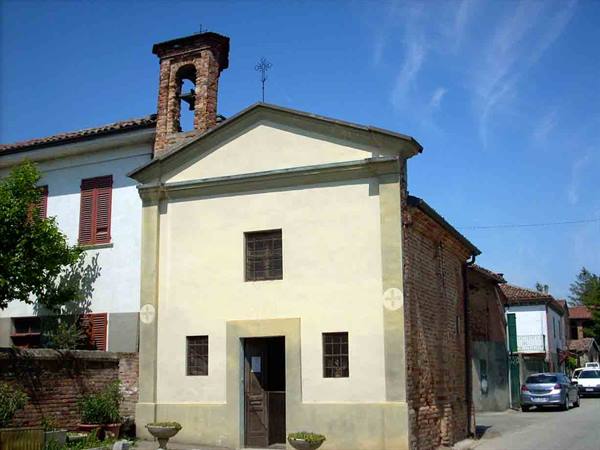
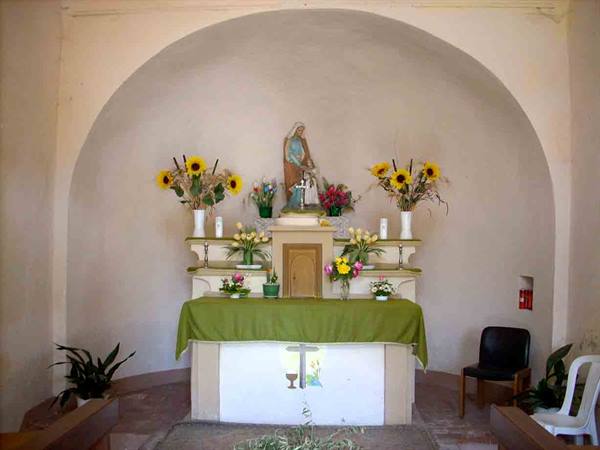
We walk around the village along the ancient city walls built, together with the castle, by Giovanni del Monferrato after 1320. Today only a few ruins of the manor remain, incorporated into a residential building. Following the characteristic little streets that pass between gardens overflowing with flowers and houses whose windows look out onto the splendid surrounding hills, we reach the Church of Santa Maria Assunta, and we also visit a lovely little chapel dedicated to Saint Anne. After this walk, pleasantly tired and hungry, we return near the Tramways Museum and decide to stop for dinner at the Caffè del Tranvai. "The place has existed since the 1930s and at the time the trams passed right here in front, that is why it is called that.
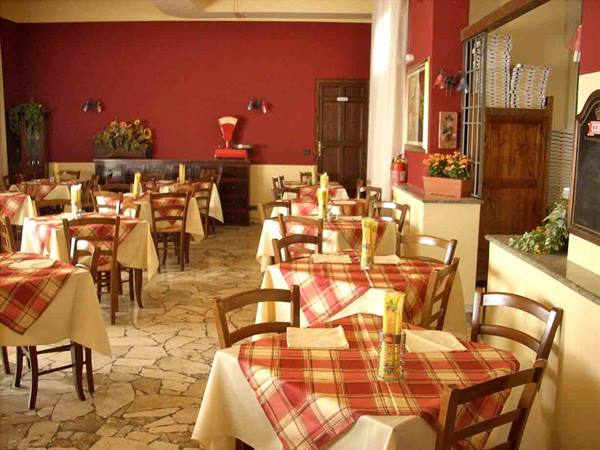
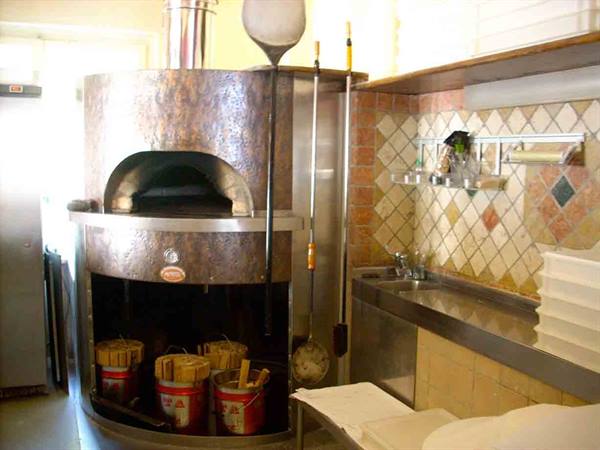
I have run it for nine years and, besides the restaurant specialities, our strong point is the pizzas, thin and made in the wood-fired oven," the owner Fabio Vergano tells us. After the aperitif we settle at the tables of the large room that can seat up to seventy people, and begin to taste the starters: a nice mixed board of cold cuts, the grilled tomino with julienne of pears, the Albese beef chopped by knife, the scallops with asparagus tips and crispy potatoes, as well as the seafood salad. While some of our group opt for the restaurant menu, tasting the spaghetti with pecorino and pepper, the agnolotti alla Monferrina and the "drunken" spaghetti, with Dolcetto and salami paste, most of us cannot resist the excellent pizzas.
We decide to try some of the most curious of the roughly ninety varieties offered: the Selvatica pizza, with mozzarella, apples and wild-boar ham, the Equina, with shredded horse meat, rocket and flaked grana, the Coffeè, with tomato, coffee powder, scamorza, speck and gin, as well as the Biancaneve, with extra-virgin olive oil, mozzarella, certosa, pepper and rosemary. We wash it all down with bottled beers from all over the world, even from Argentina and Australia. Our friends go on to a nice Nebbiolo tagliata and the swordfish, buffalo mozzarella and tomato salad. To the delight of the children who are with us, but not only, we end our dinner with some fantastic sweet pizzas: the Melinda pizza, with white wine, sliced apples and sugar, and the Melba pizza, with red wine, sliced peaches and sugar.
To crown this delicious experience, a pizza with Nutella and cream also arrives, which we share and make disappear in a few minutes...
Francesca Bertha
FOR INFORMATION:
Ristorante Pizzeria Caffè del Tranvai Regione Cittadella, 3 Altavilla Monferrato (AL) Tel. 0142/926401
The journey's photographs
15 photographs · click to open them full screen





0 reader comments