The story
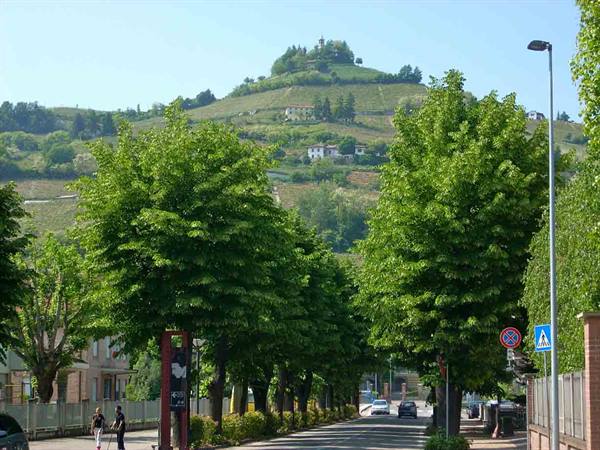
“Una vigna che sale sul dorso di un colle fino a incidersi nel cielo, è una vista familiare, eppure le cortine dei filari semplici e profonde appaiono una porta magica”, so wrote Cesare Pavese in the opening of the story “The Vineyard”, capturing the essence of his native village, Santo Stefano Belbo. Today, those who come to visit this lovely municipality in the Langhe, a little over twenty kilometres from Asti although it belongs to the province of Cuneo, often do so precisely because they are curious to discover the places of Pavese. Exactly as happened to us, who decided to immerse ourselves for a weekend in the atmospheres of “The Moon and the Bonfires”, Cesare Pavese's 1950 novel, but also in those of numerous other stories by the writer, deeply tied to his own land.
Whichever road you take to get here, before reaching the village you cross dozens of square kilometres of vineyards, all immaculately tended. The Pavese magic begins when the traveller passes through these panoramic bends in the middle hours of the day, and although he sees no one working among the rows, he notices that they are in perfect order. That the culture of the vineyard is closely tied to the soul of this place is also shown by the Latin phrase on the civic coat of arms, granted to the municipality in 1902 by King Victor Emmanuel III: “Vitis Sancti Stephani ad Belbum Vita”. Before tasting a good glass of Moscato d'Asti or Asti Spumante, wines of which Santo Stefano Belbo is the largest producer, let's take a walk to discover the village.
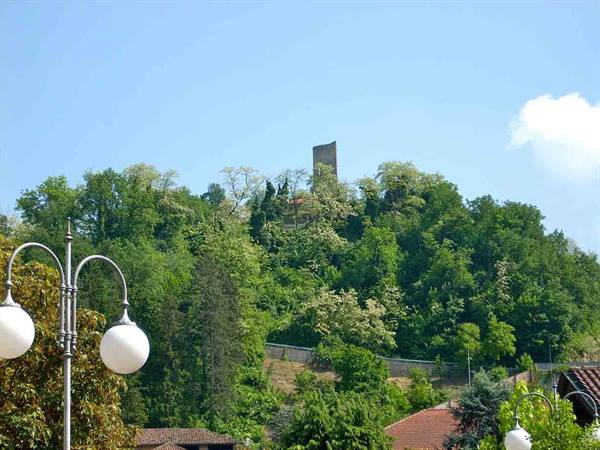
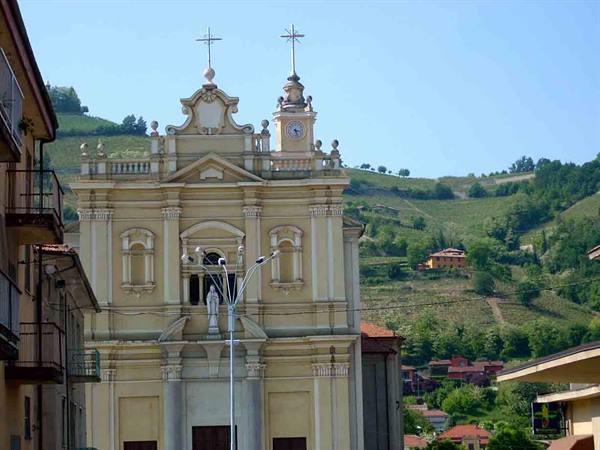
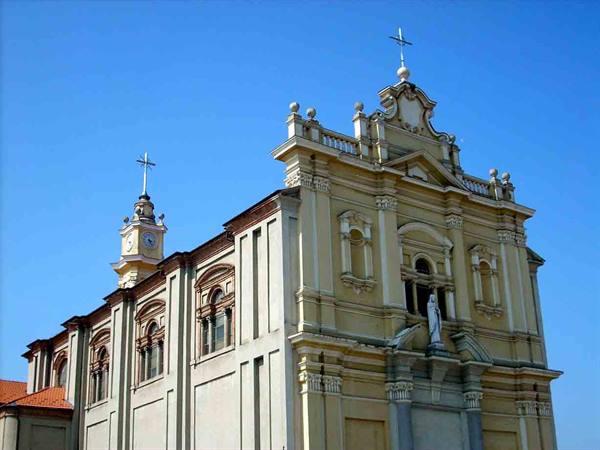
We immediately notice, up high on the Santa Libera hill, the evocative ruin of a square tower, which we learn is contemporary with Dante and was destroyed centuries later, as was the castle, almost completely razed to the ground in 1635 by the Spaniards and Austrians who were fighting over it. Visiting the Parish Church of the Sacred Heart, whose light colours stand out against the green backdrop of the hill, we discover that the history of the parish also intertwines with Pavese's works. In fact, the ancient Parish Church of Saints James and Christopher, which dates back to the fourteenth century and is the first parish church of the village, after troubled centuries found itself in a “ruinous state” in 1785, then being slowly restored over the following almost hundred years.
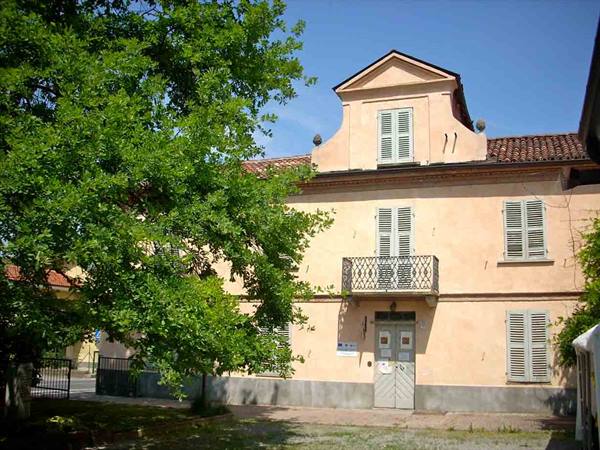
In 1886 a new organ was also installed and the following year the façade was redone, but in 1926 the parish functions were transferred to the new church of the Sacred Heart of Jesus, while the ancient parish church became the seat of the Cesare Pavese Foundation. The civic library is also housed there, in Piazza Confraternita, and whoever enters can immediately take a cultural excursion into Pavese's world, thanks to the photos and copies of manuscripts displayed on the walls, as well as documents and objects that can be viewed inside. During our walk we also visited the Romanesque Abbey of San Gaudenzio, said to be a former temple of Jupiter, as well as a former Benedictine convent, and we climbed up to the Sanctuary of the Madonna della Neve, on the Moncucco hill. On the way back, we visited the birthplace of Cesare Pavese, home of the Pavese Museum.
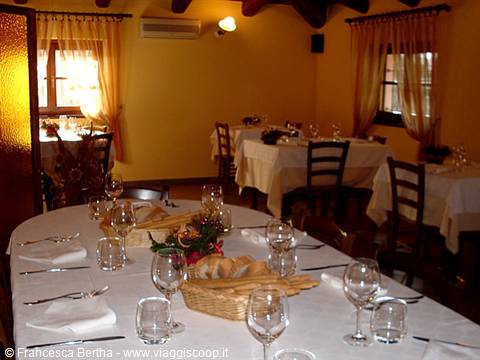
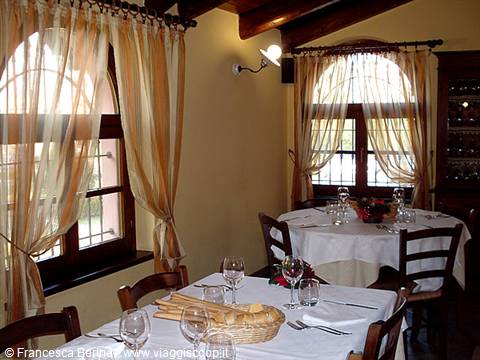
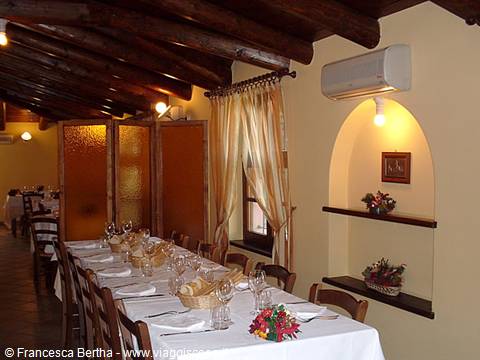
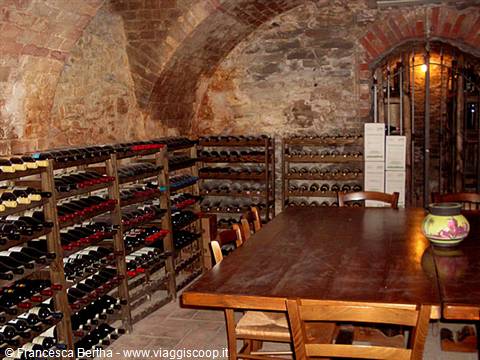
At the foot of the Gaminella hill, so dear to the writer, just two hundred metres from his birthplace, we decided to stop at the Ristorante La Bossolasca, also taking advantage of the convenience of the establishment's ten rooms. “We opened in 1997, after renovating the family farmhouse”, Mr Maurizio Barbero tells us, who runs the restaurant together with his wife Elisa, who welcomed us in the dining room. We immediately discover that the flagship of the place are the dishes with truffle and mushrooms, although to enjoy them in their season we will have to return in a few months. We begin our dinner with the traditional hand-chopped raw meat, vitello tonnato, an asparagus flan with fondue, peppers stuffed with tuna and ricotta, and roast cockerel salad, boned and stuffed with green beans.
We follow this rich starter with first courses made with home-made pasta, using the organic flour of the Mulino Marino of Cossano Belbo. We have tagliolini with mushrooms, the very typical ravioli del plin, potato gnocchi with Castelmagno and maltagliati with leek and gorgonzola. In choosing the second courses we divide between delicacies such as oven-baked veal shank, rabbit with taggiasca olives, duck leg with Moscato and honey, capocollo with Moscato and prunes, as well as oven-baked lamb and the classic and delicious Piedmontese mixed fry. We accompany these treats with excellent wines from the Langa and Monferrato, before surrendering to the very greedy temptation of desserts, such as bunet, hazelnut cake, a torrone semifreddo, crème brûlée and chocolate salami...
Francesca Bertha
FOR INFORMATION:
Ristorante La Bossolasca Via Robini, 22 Santo Stefano Belbo (CN) 0141/840613
The journey's photographs
15 photographs · click to open them full screen





0 reader comments