The story
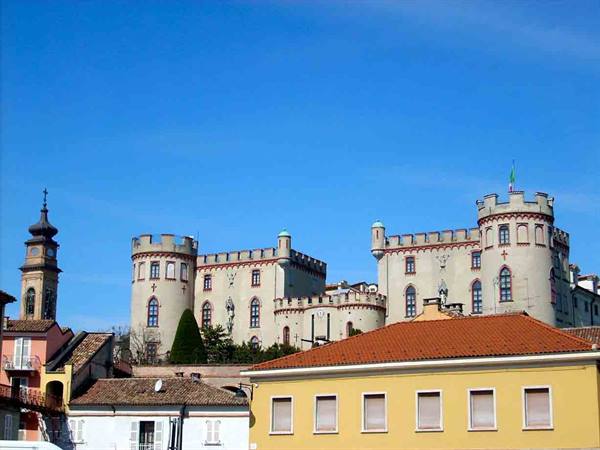
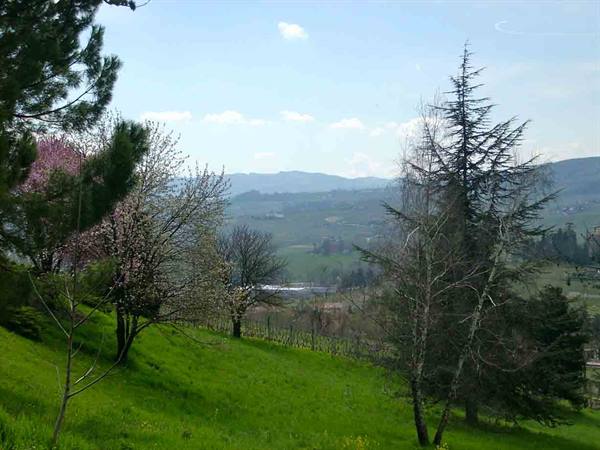
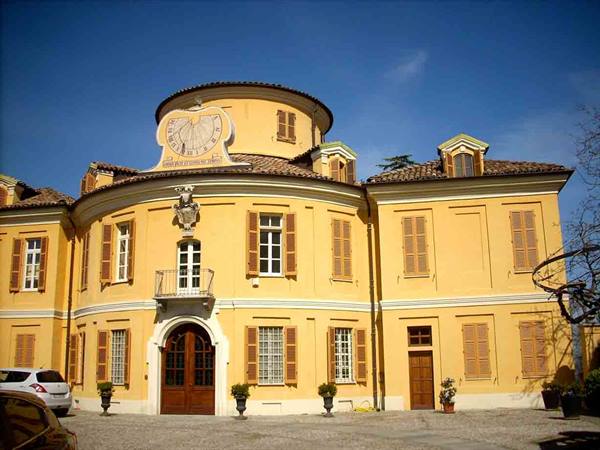
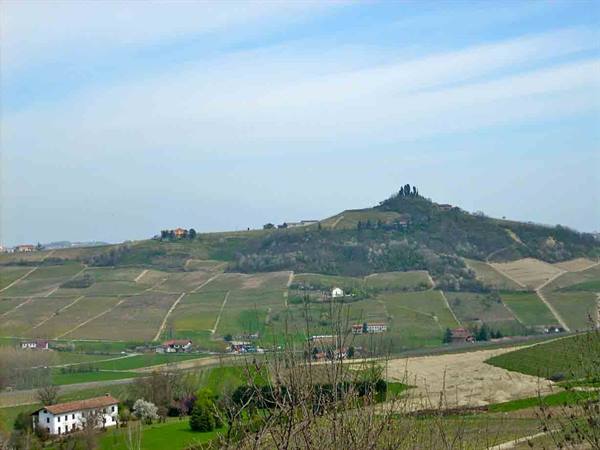
A splendid green hill dominating the valley, set amid endless vineyards, fields and woods, topped by a castle that looks as if it came out of a fairy tale: very large, with four round corner towers and red decorations. Such a place could only be invented by a child, yet it really exists, and it is not even far from the big cities of the North, such as Milan, Turin, Genoa or Alessandria. To put it in the words of the historian Gian Secondo De Canis, who lived between the eighteenth and nineteenth centuries, “Costigliole lies on the back, and around a small conical hill, on whose summit stands the massive square castle in excellent condition, flanked by four large round towers”.
Indeed, the Castle of Costigliole d'Asti, which could be called the symbolic monument of this fine town in the Asti area located between Monferrato and the Langhe, was built between the 14th and 15th centuries and remodelled into its current Gothicising forms in the nineteenth century. Over the centuries it was the residence of various local noble families, and figures such as the expert wine lover Filippo Asinari di S. Marzano, who gave an impulse to the viticulture of his time, lived here, as did the Countess of Castiglione Virginia Verasis, to whom Cavour entrusted the task of ambassador of Piedmont at the Paris court of Napoleon III.
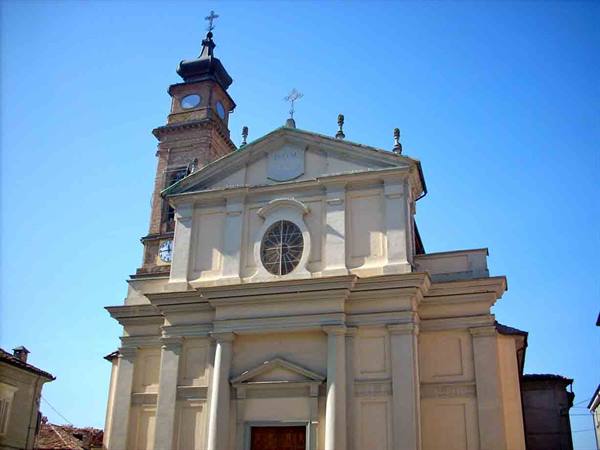
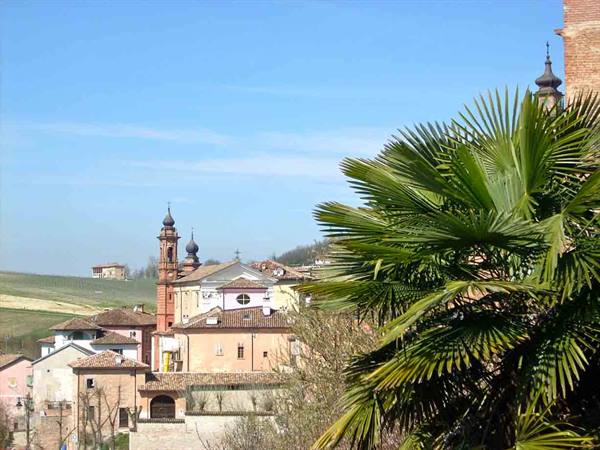
After these illustrious historical figures who passed through here, we too begin to discover the beauties of Costigliole d'Asti, starting with the Parish Church of Nostra Signora di Loreto, situated in the highest part of the town, known as “la rocca”, opposite the Castle. It dates from the late sixteenth century and was enlarged and enriched with works of art in later centuries. The other best-known church of Costigliole is that of the Confraternita di San Gerolamo, inside which we visited the Museo d'Arte Sacra, which preserves the most significant testimonies of Costigliole's religious heritage of the seventeenth and eighteenth centuries. Wandering the characteristic little streets, which open onto numerous views of the splendid surrounding hills, we discover that the history of Costigliole is deeply linked to the history of its hamlets.
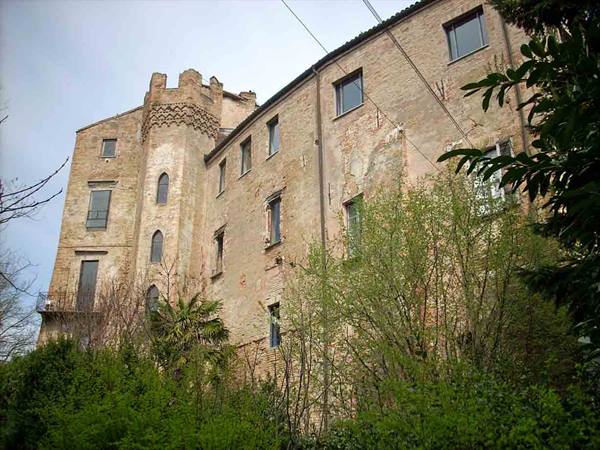
If the beauty of the Castle left us open-mouthed, chatting with the locals we learn that in the hamlet of Burio there stands another important castle, which probably owes its name to the ancient Ligurian stock of the euburiati, as well as several further hamlets where the remains of ancient, now demolished castles are still present, such as the Motta Tanagri, Bionzo, Cavorro, or Lù, on Monte Leucio. The Costigliole area is also very rich in myths and legends, among which the best known is the one linked to Laureti, that is the hamlet of Loreto, whose earliest legendary records would trace it back even to one of the first places inhabited by the sons of Noah after the Great Flood. After this walk through the history of Costigliole, for our dinner we return to the foot of the Castle that so enchanted us, at the Ristorante Sinoira, in the very central Piazza Umberto I.
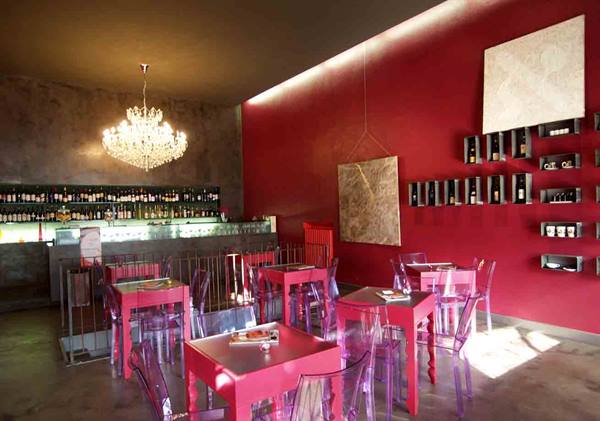
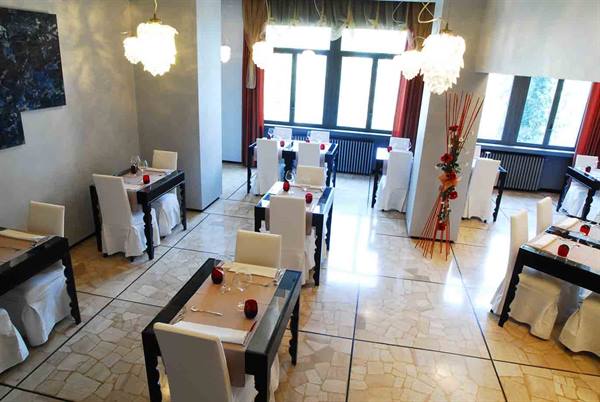
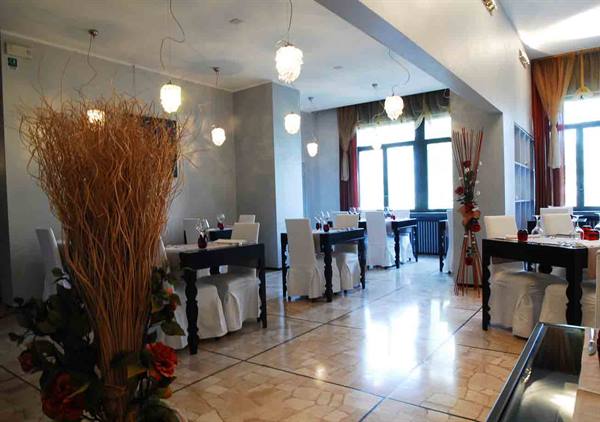
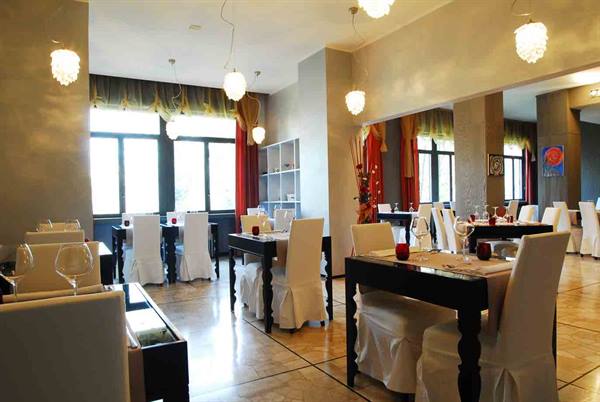
“The term ‘Sinoira’ refers to an ancient Piedmontese peasant tradition, the merenda sinoira, which, because of its goodness and abundance, tends to replace dinner itself. In our establishment's concept, it is about eating and drinking well, in a pleasant and welcoming setting,” explains Stefano Sconfienza, the owner who runs the restaurant together with Enrico Baretta and chef Diego Bongiovanni. We reach the elegant dining room, which periodically hosts temporary exhibitions by local artists, through the colourful and refined wine bar. We start with an excellent vitello tonnato, particularly tender thanks to low-temperature cooking, a Gold Islanda cod fillet on potato salad, and a pumpkin flan with parmesan sauce.
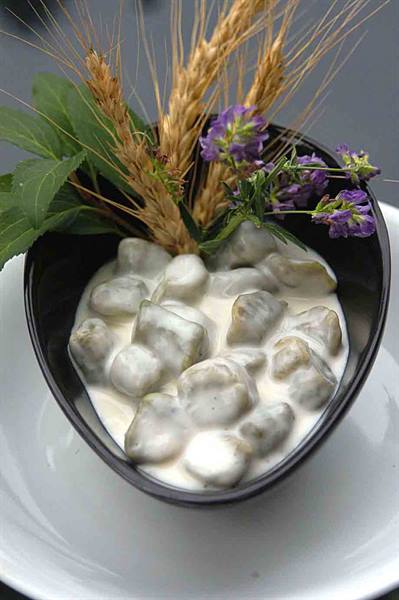
We follow these typical delicacies with the ravioli del Plin in roast sauce, the gnocchetti al Castelmagno, the large ravioli with scallops and prawns in tomato sauce and a fine taleggio risotto with liquorice sauce. We continue with some exquisite local main courses, served on decorated plates, with the pleasant choreography of the restaurant, such as the braised veal on potato cream, the pigeon breast with apples and the pork fillet in a spiced crust, with vegetables. We wash these treats down with a Barbera d'Asti superiore, as well as other Piedmontese wines such as the Timorasso, but also an excellent Chardonney.
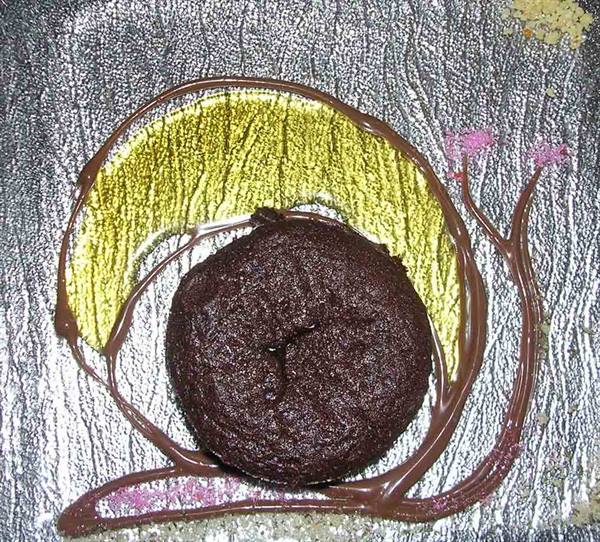
Our dinner in this characteristic town ends on a sweet note, thanks to a warm chocolate fondant, an excellent hazelnut semifreddo, and a speciality that enchanted us almost as much as the castle, the Pistachio “in bolla”, that is a genuine dark-chocolate sphere with a pistachio mousse inside.
Francesca Bertha
FOR INFORMATION:
Ristorante Sinòira Piazza Umberto I, 27 Costigliole d'Asti (AT) 0141/966012
The journey's photographs
14 photographs · click to open them full screen

0 reader comments