The story
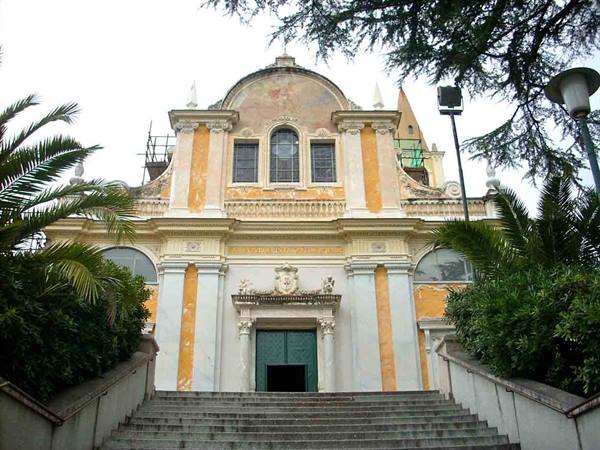
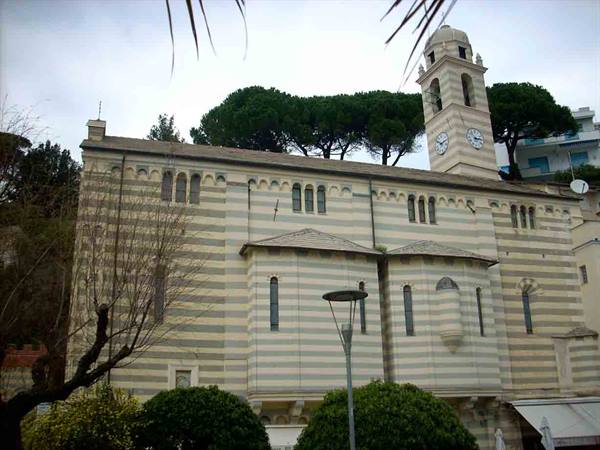
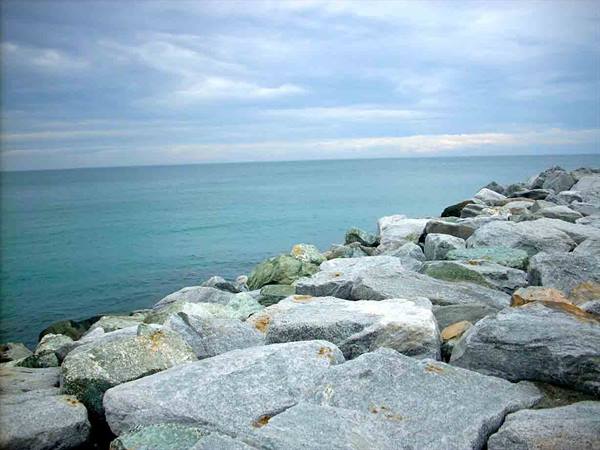
When spring arrives, one inevitably feels like popping over to the places where the Sun is at home, where even its weakest April rays seem like July ones, because they are amplified by the vivid colours of the houses facing the sea. We are in the province of Savona, and if the capital is known as the “City of the Popes”, thanks to no fewer than two popes from Savona, Sixtus IV and his nephew Julius II, we discover that in reality Sixtus IV was born in 1414 in a hamlet of Celle Ligure called Pecorile. He is the Pontiff after whom the Sistine Chapel is named, which, precisely during the pontificate of Julius II, was frescoed by Michelangelo. The scent of the sea accompanies us also during the visit to the most important religious monument of Celle, the Church of San Michele Arcangelo.
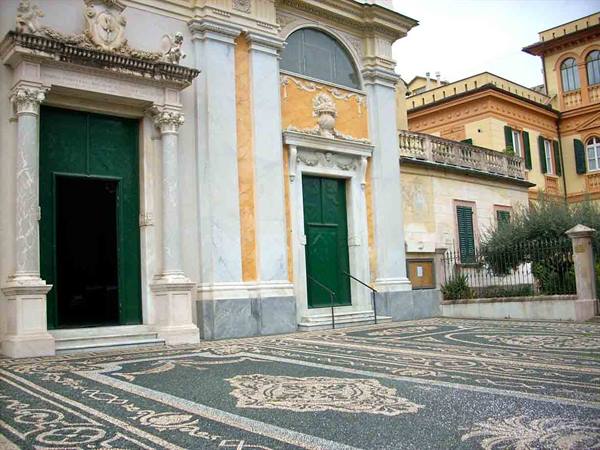
Indeed, the churchyard in front of the church is made up of a mosaic of over half a million white and black sea pebbles, collected from 1894 onwards by Don Agostino Delfino and his pupils, on the shoreline between Camogli and Albisola. The stones thus collected were transported to Celle with fishing gozzi. Inside the church there are priceless works of art, including the polyptych “San Michele e i Santi”, painted in 1535 by Perin del Vaga, a pupil of Raphael. According to legend, the work would be an ex voto dedicated by the painter to San Michele for having found salvation on the beach of Celle Ligure after a shipwreck. Historical facts report, however, that the work had been commissioned from the artist by the fishermen of Celle. Celle Ligure is mentioned in documents for the first time in 1014, and in the 12th century its territory passed to the Marquisate of Ponzone.
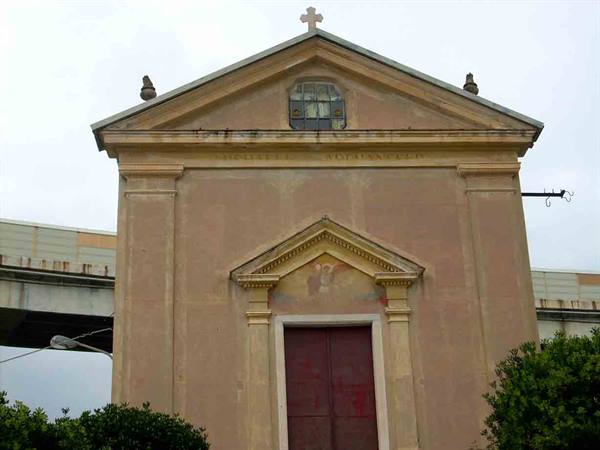
And it was precisely Pietro Ivaldi, known as the Muto di Toleto, being a native of the hamlet of Toleto di Ponzone, the homeland of the filetto baciato among the hills of the Alto Monferrato Acquese, who created the famous series of paintings depicting episodes from the life of Christ inside the Church of San Michele Arcangelo of Celle. During our stay we visited several of the many other beautiful churches, including the Oratory of San Michele and the Church of San Giorgio in the Sanda hamlet. And it is precisely from the Sanda hamlet that one of the most exciting tourist itineraries of Celle starts, the Botanical Trail, which leads to the place where the historic Torre Bregalla stood, known as the Torre di Cardemei.
Returning to the centre, a few steps from the Church of San Michele Arcangelo, we meet none other than Moses: a statue of the biblical figure, placed inside a charming garden, recalls the joy of the people of Celle when, in 1909, the spring water of the Nascio reached the town. But not only that: Moses is also the name of one of the restaurants with the oldest tradition in Celle, in Via Colla, exactly where we decide to round off the day with an exquisite typically Ligurian dinner.
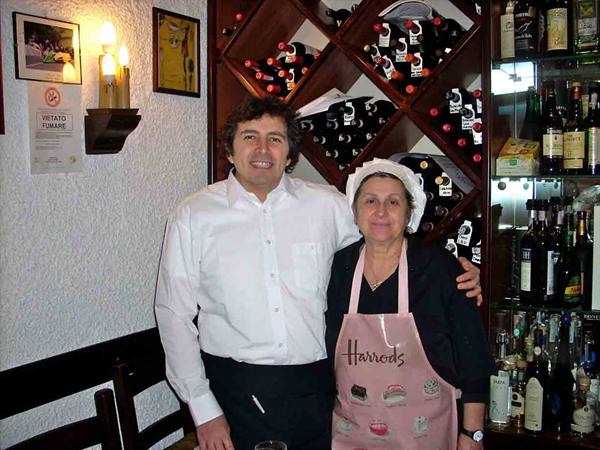
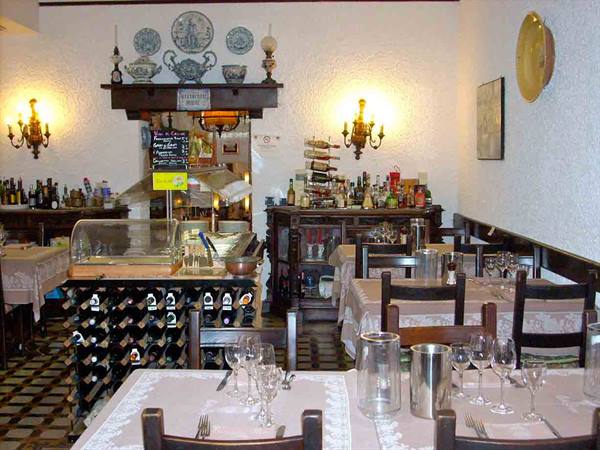
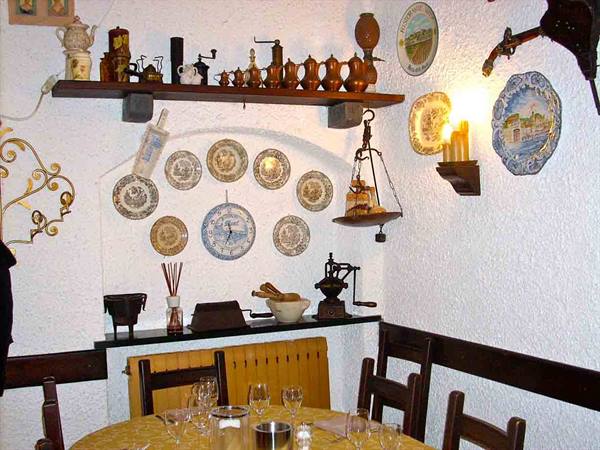
“Mosè is the nickname of the ancient Rebagliati family and was given to Giovanni Rebagliati at the end of the nineteenth century, great-great-grandfather of my father, because during the cold autumn evenings, while working in the oil mill, Giovanni used to read the Bible, getting excited when he spoke of the ‘Saved from the waters’,” Riccardo Rebagliati tells us; today he runs the establishment together with Signora Franca, his mother. “The restaurant is made from the chapel and the cellar of the eighteenth-century Palazzo Avogadro,” Signora Franca reveals as we settle at the tables of the welcoming room furnished with class. We start with trolley starters, and continue with one of the flagships of the Restaurant, the risotto with red radicchio of Treviso, served with shelled scampi tails, flavoured with rosemary and garlic in its jacket. We also taste the rice “A7 Milano – Genova”.
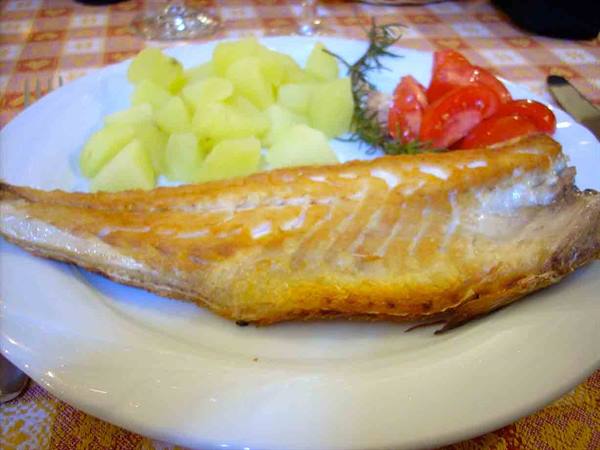
As its name suggests, this risotto, prepared with saffron, prawns, shelled scampi, courgettes and their flowers, combines Lombard and Ligurian flavours. Some of us cannot resist the trofiette al pesto alla Cellasca with potatoes and green beans, while the rest of the group chooses the spaghetti alla Mosè, with garlic, anchovies in bagna cauda, tomato and ground black Taggiasca olive paste. We follow these exquisite first courses with the mixed fry of “our sea”, mamma Franca's favourite. We also taste an excellent pan-seared sea bass fillet, flavoured with garlic in its jacket and rosemary, with a drop of “Toro Albalà Don Arrope” balsamic vinegar on top and served with boiled potatoes and cherry tomatoes. We accompany it all with excellent white wines such as the Pigato della Riviera Ligure di Ponente.
The sweet conclusion of this beautiful day on the Riviera sees us taste the Crema Mosè, as well as the tarte tatin doused with Calvados, and the Crème brulè, which, as an old recipe book shown to us by Signora Franca testifies, should be called Latte brulè. Be that as it may, these treats will certainly be among the many good reasons that will soon bring us back to Celle Ligure.
Francesca Bertha
FOR INFORMATION:
Via Colla, 30 Celle Ligure (SV) 019/991560
The journey's photographs
14 photographs · click to open them full screen



0 reader comments