The story
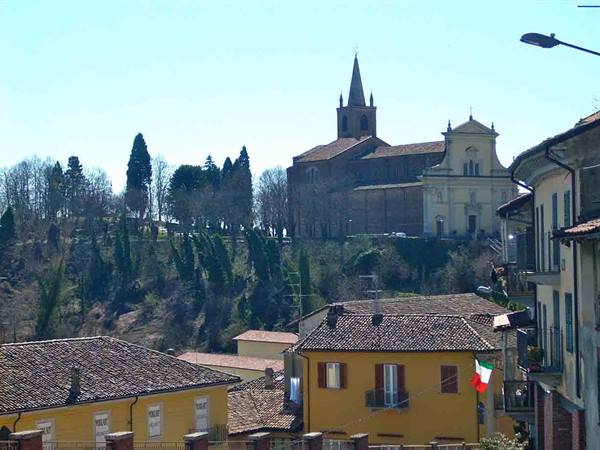
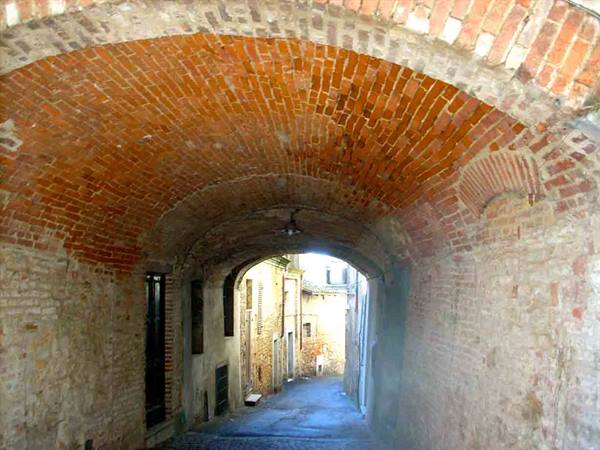
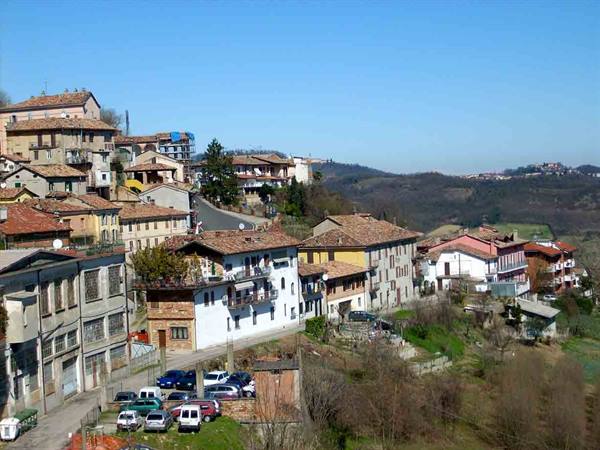
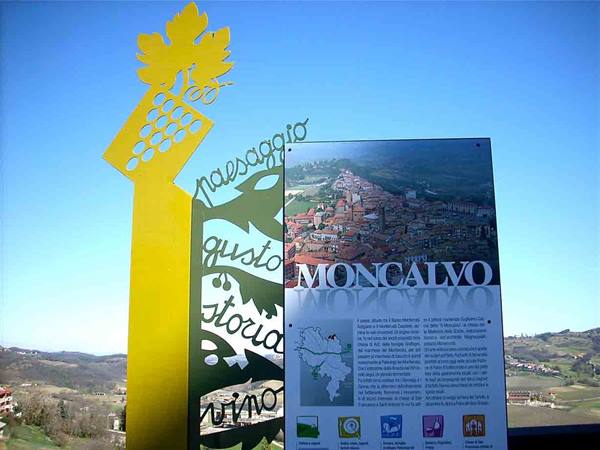
A very charming medieval town that dominates the surrounding valleys and hills, which begin to chase one another right from these lands of the Lower Monferrato, all the way to the Ligurian Sea. The thousand shades of green and golden yellow of the fields you cross to reach Moncalvo seem painted by an artist. Brushstrokes that instil serenity, joy and balance, but that also arouse the curiosity of the traveller, drawn by the wish to discover what lies behind those ancient walls that can already be made out from some distance. After a few bends and having travelled some steep little streets lined with characteristic arches and old doorways, we reach the historic centre and, having parked in the very large Piazza Carlo Alberto, we begin our walk taking our cue from one of the tourist signs displayed at various points of the town.
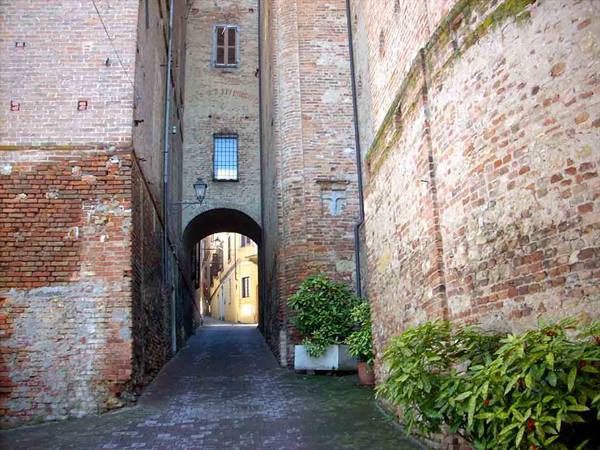
Venturing into the heart of the village we notice several interesting buildings erected between the 15th and 16th centuries, such as the Casa dei Marchesi del Monferrato and Casa Lanfrancone with the remains of the Gothic façade, but also Palazzo Manacorda or the eighteenth-century Palazzo Testa Fochi, built on an earlier late-medieval structure. There are numerous points where the eye can range over the splendid surrounding landscape that opens up at the end of the alleys and among the houses, reminding everyone that Moncalvo is part of the Comuni dei Colli Divini, a union created in 2000 that groups nine municipalities characterised by wine production, in particular of Barbera, Grignolino and Malvasia, and by the "divine" beauty of their landscape.
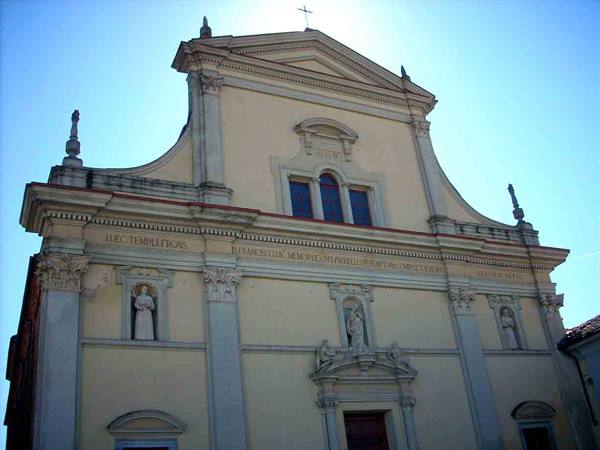
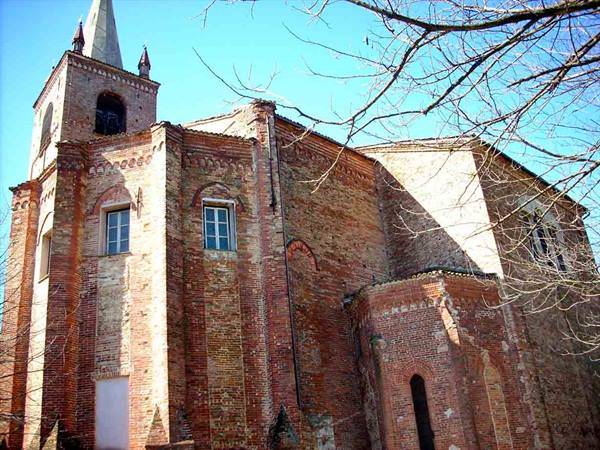
It was precisely these gentle hills and their colours that inspired one of the most important painters of the Piedmontese Counter-Reformation, Guglielmo Caccia, known as il Moncalvo, who lived between 1568 and 1625. He was born in Montabone, but lived and worked here, and the churches of the town are full of the precious testimonies of his fruitful career. Caccia painted the gallery of the Royal Palace of Turin and his "Deposition from the Cross" in the Church of San Gaudenzio in Novara is very famous, but his works are also present in numerous other Italian churches. Our itinerary continues towards the place that more than any other keeps the memory of the great painter, the Church of San Francesco. In the religious building, erected in a splendid scenic position in the 13th century, Guglielmo Caccia is buried and inside are kept about a dozen of his canvases.
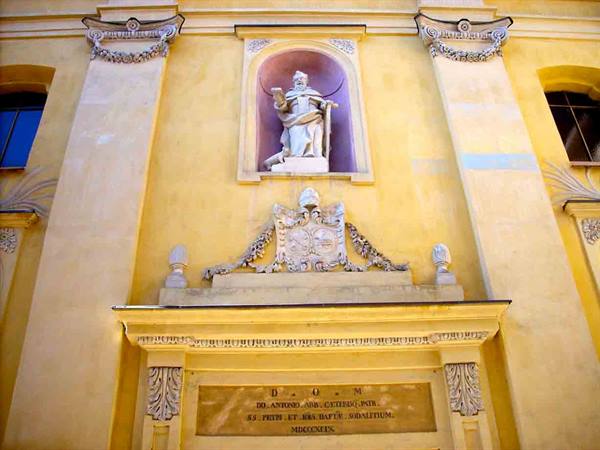
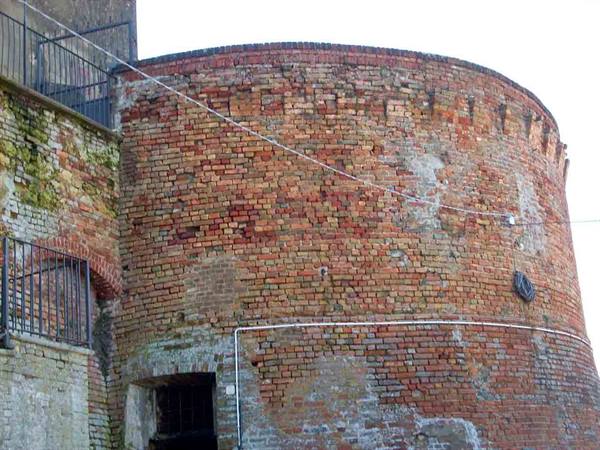
It was also the artist who founded, in 1611, the Monastery of Sant'Orsola, including the Church of San Giuseppe, where the Town Hall is now housed. The first group of nuns was made up of Guglielmo's own daughters, who followed in their father's footsteps, becoming skilled painters. The monastery was suppressed in 1802. After visiting the Church of Sant'Antonio, dedicated to the patron of the town, we head towards the remains of the ancient Castle, which in the Middle Ages was one of the largest fortified complexes in the area. Its grandeur can still be sensed, even though it was destroyed at the end of the nineteenth century, leaving posterity only the mighty 12th-century bastions. And it is right in front of the remains of the ancient fortress, in Piazza Antico Castello, that we decide to stop for dinner, at the Ristorante Ametista.
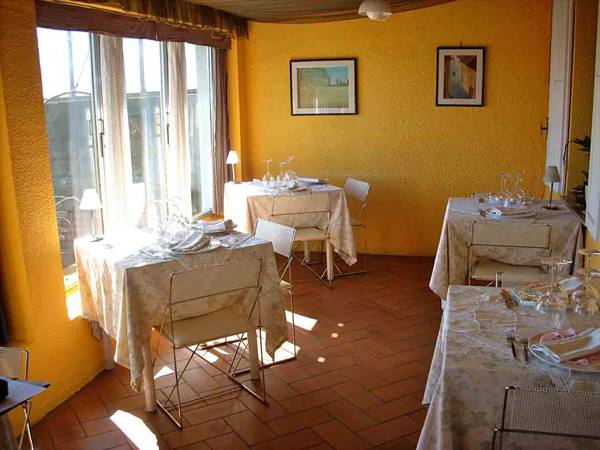
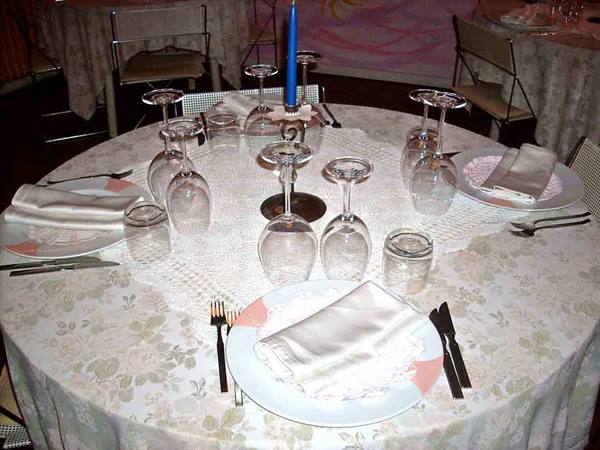
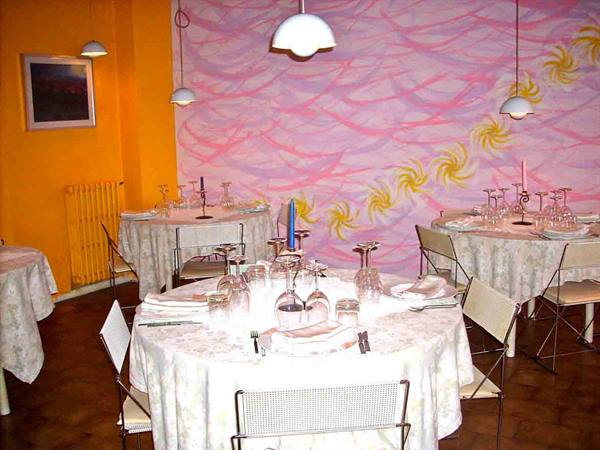
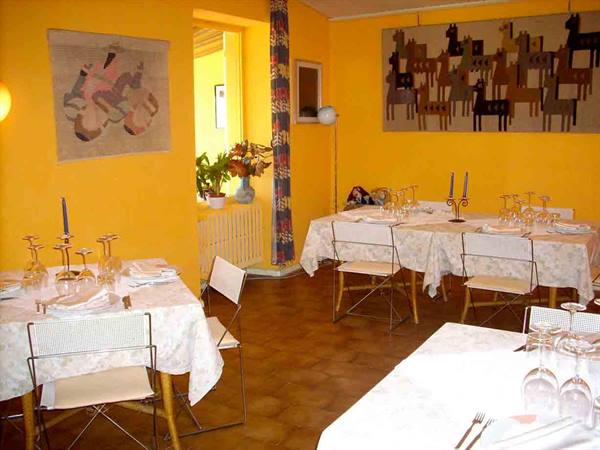
We take our seats in a room whose windows open onto a breathtaking view of the surrounding hills. Knowing that amethyst is a stone that many consider a symbol of temperance and humanity, we ask the owner whether the name of the place had been chosen for this reason. "No, when we started running this restaurant twenty-four years ago, it was already called Ametista, because of the colours of the paintwork at the time," Mr Vincenzo explains; he runs the place together with his wife Cristina and with Walter. We begin our dinner in the spirit of Monferrato flavours with a rich starter made of scorpionfish, octopus and pineapple millefeuille, chicken galantine with tuna sauce and rabbit in pastry with zabaione and rhubarb.
Among the first courses, the traditional Monferrato agnolotti with sausage ragù cannot be missing, while some of us choose the pear pasta with speck carbonara and the large hazelnut ravioli with greens and prawns. We continue our culinary journey with a fine sliced beef with rosemary and lamb chops in a herb and honey crust, while a couple of our friends opt for the sea bass in a mustard crust with peppers. We wash these delicacies down with Piedmontese and Italian wines, while the sweet conclusion of the evening sees us enjoy a Barolo chinato cream, the hazelnut and gianduja cremino and the pistachio and amaretto bavarois. An ancient folkloric art of this town is that of the terracotta whistles produced in the hamlet of Patro. After this lovely day we are sure that the sound of these whistles will call us back to Moncalvo many more times.
Francesca Bertha
FOR INFORMATION:
Ristorante Ametista Piazza Antico Castello, 15 Moncalvo (AT) 0141/917423
The journey's photographs
14 photographs · click to open them full screen

0 reader comments