The story
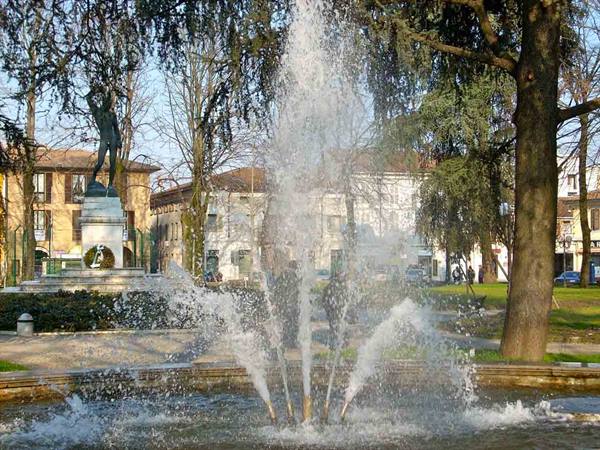
The quince: a tree native to ancient Persia, with a fruit that resembles both the apple and the pear, with a slightly bitter taste that nevertheless did not stop the Romans from eating it fresh with honey, as well as making a cider from it that symbolised love and fertility, as also testified by several frescoes in Pompeii. This fruit, so ancient and particular, still considered an aphrodisiac, besides simply being good and wholesome, is the symbol of the town of Codogno, since it grew in abundance on its lands. At Codogno we are at the gates of Milan, but also at the gates of Lodi and Piacenza: and during the long centuries of history, these three cities all played an important role in the affairs of Codogno.
There were still almost six months to go before the discovery of America when, on 21 April 1492, an act sanctioned Codogno's adherence to Piacenza, a decision that allowed the town, which already had its own commercial life, to obtain a freer and broader market. Out of gratitude, the people of Codogno placed the Piacenza she-wolf in their coat of arms, in which the animal appears "passant on the green grassy plain, collared and tied with gold to a natural quince tree, fruited with gold, nourished on the plain". Towards the end of the nineteenth century, a flourishing period for the town, Codogno was the fourth most populated centre in the whole Milan area. Today it is part of the province of Lodi, established in 1992, even though in the referendum of that same year 89 per cent of the people of Codogno had expressed the wish to stay with the province of Milan.
But wherever it belonged from an administrative point of view, Codogno has always known how to excel. Since the Middle Ages it stood out as the most important centre of dairy production and in the 17th century it exported as many as forty thousand wheels of Grana cheese a year. When the Austrian government decided to send to Brazil a ship loaded with the most representative products of the Habsburg empire, the Grana cheese of Codogno was not missing either. It was also here that the first Italian industry in the sector, the Zazzera, was founded. During our walk through the streets of this charming town, we also noticed its artistic and cultural wealth.
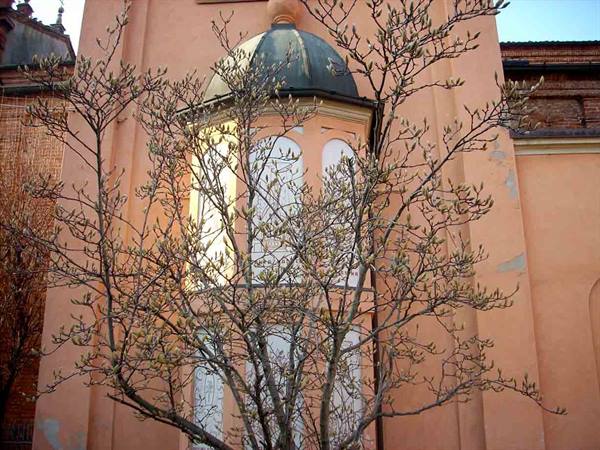
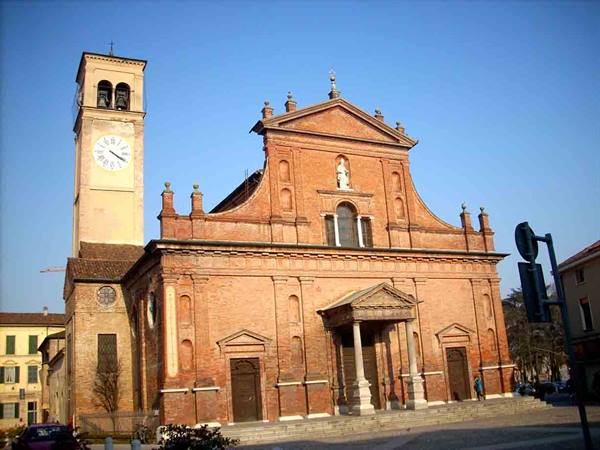
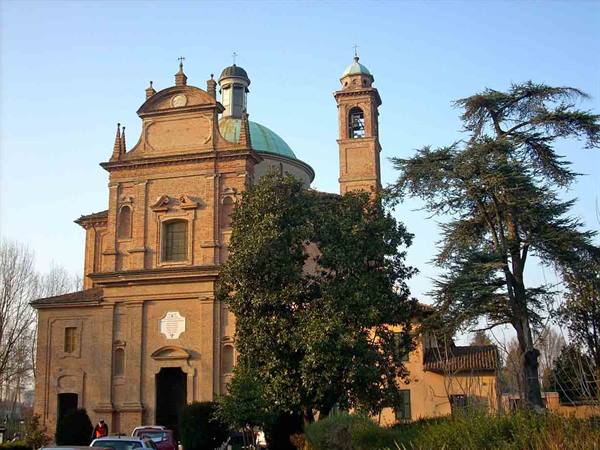
The most important religious monument is the parish church of San Biagio, of the Leonardesque school, rebuilt in 1491 on the foundations of the original Chapel, but the eighteenth-century Sanctuary of the Madonna di Caravaggio is also very interesting, dedicated to the Virgin who appeared to a poor peasant woman ill-treated by her husband, Giannetta de'Vacchi. Our little tour of the centre also led us to admire the Church of the Grazie and its splendid cloister, as well as the two recent parishes, dedicated to Santa Francesca Cabrini and San Giovanni Bosco. We also visited the Carlo Lamberti Art Collection, which includes numerous works by important artists from Codogno. Our day ends by moving from art history to culinary art and to the pizzas that spring from the best Italian tradition, that of Tramonti, a splendid town in the province of Salerno.
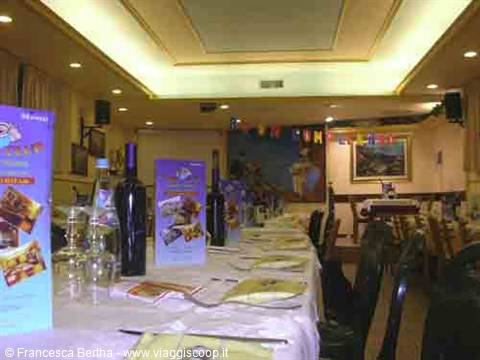
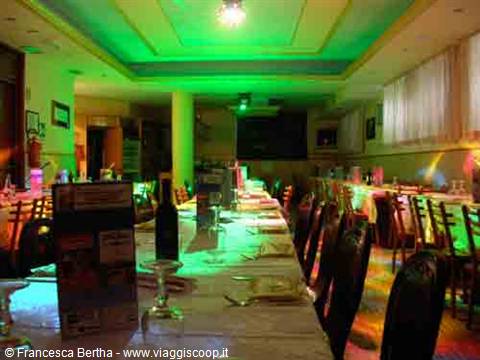
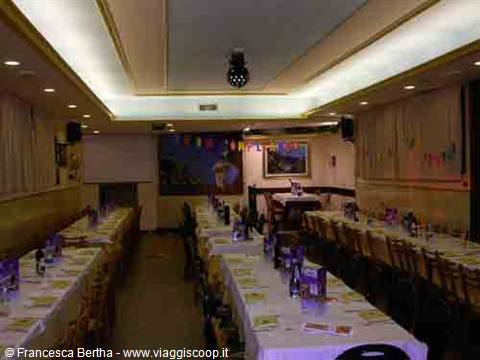
Indeed, the owner Antonio Cascella, who has run the Ristorante Pizzeria Park Club in the very central Piazza Cairoli for twenty-seven years now, is originally from there. "Tramonti is known for being the town of pizza makers," Mr Antonio tells us. "Thirty years ago it was my uncle who opened this place, and I have seen this place change and grow, and the town around it too, through the generations. At the time this was the only pizzeria in Codogno. The quality of our work and our helpfulness have always been appreciated. Moreover, at weekends we are also the last meeting place of the young, who after the disco stop by for a good pizza." We take our seats at the tables of the large room and decide to enjoy some fine pizzas among the eighty flavours available.
We choose the Pizza del Basso Lodigiano, with tomato, mozzarella, gorgonzola, sausage, polenta and shaved Grana, the Pizza Sfiziosa and the Pizza Park Club, with tomato, mozzarella, ham, mushrooms, artichokes, spicy salami, wurstel and black olives. Some of us take the pizza prepared with wholemeal dough, while the rest of the group decides to enjoy the other culinary specialities of the Restaurant. After the rich Park Club starter, Mr Antonio recommends the excellent scialatielli with seafood, but we also taste the bavette alla puttanesca and the gnocchi alla sorrentina. A friend of ours who is coeliac enjoys a menu prepared for her needs. We continue with a mixed fried fish, while someone cannot resist the sliced beef with rocket and shaved Grana and the beef alla pizzaiola, with fresh tomato, olives, capers and oregano.
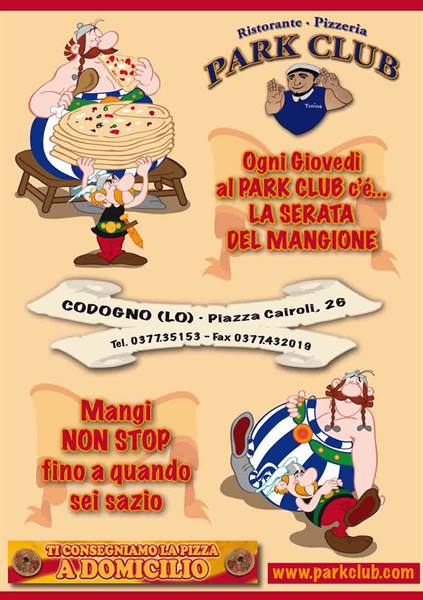
After discovering this lovely town, we will certainly be back, even for lunch if we are around for work in the area, or on a Thursday evening, for one of the legendary "Serate del Mangione".
Francesca Bertha
FOR INFORMATION:
Ristorante Pizzeria Park Club Piazza Cairoli, 26 Codogno (LO) 0377/35153
The journey's photographs
14 photographs · click to open them full screen





0 reader comments