The story
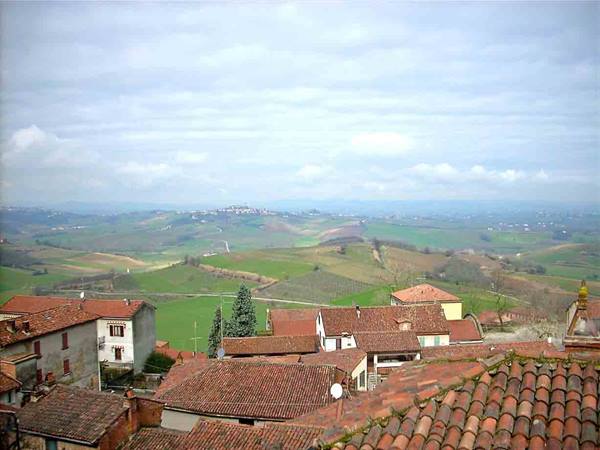
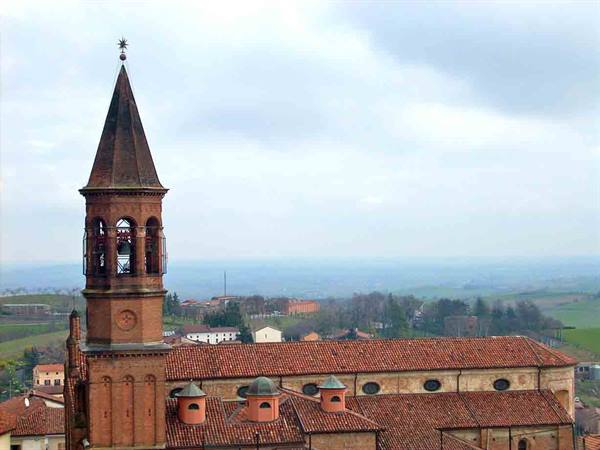
A grove sacred to the gods and steeped in light, which the ancient Romans called Lucus: this is the origin of the name of Lu, this splendid village of the Lower Monferrato of Casale. This time, for our day out we decided to follow the traces of the ancient gods, choosing as our destination the town situated on the highest hill of a vast area characterised by the succession of gentle hills that dominate the Alessandria plain. The beauty of this landscape, praised also by the Renaissance poet Galeotto del Carretto, and the fertility of the lands crossed by the Grana stream made the territory of present-day Lu attractive already to prehistoric peoples. Indeed, the Roman Villa of the Metilii, from which the name Mediliano would derive, stood right here between the 1st and 4th centuries and was the centre of agricultural and craft activities.
Also here a palaeo-Christian burial area was found, from which emerged the oldest Christian epitaph in southern Piedmont. In the same area stands the Church of San Giovanni di Mediliano, founded in the 7th century. The present-day town of Lu was born as a "curtis", that is an organised agricultural estate, then became a "castrum", an agricultural depot and military stronghold, and by the end of the 13th century a true village protected by a broad circuit of walls, with districts, squares and various churches inside, including those of San Nazario and San Giacomo. The curious legend of San Valerio, patron of the town, is also linked to the farming tradition. It is said that in the 4th century, in the middle of a rather harsh and snowy winter, word spread that not far from the settlement a field of ripe wheat had appeared.
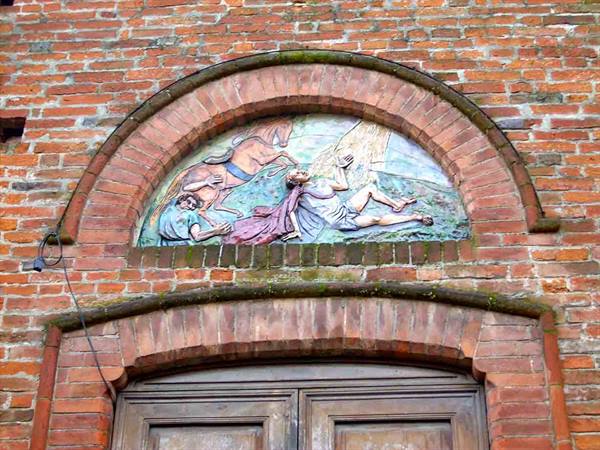
The inhabitants ran incredulous to the spot and were left open-mouthed: a vast field of ripe wheat, with the golden colour of the summer sun, swayed there before their eyes. They immediately cried miracle, saying prayers, and set to work to gather the unexpected gift of God. It was then right in the middle of that field that they made the discovery of the remains of the bishop Saint Valerio martyr, who since then has been venerated as the Patron of Lu. The patronal feast, which falls every year on 22 January, is the most important religious and folkloric event of Lu, also known for its numerous cultural events including the pop-rock music festival "Lustando" and the piano weeks "Pianoechos".
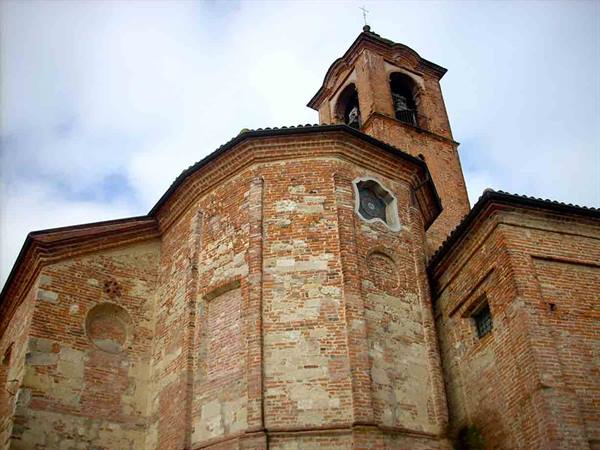
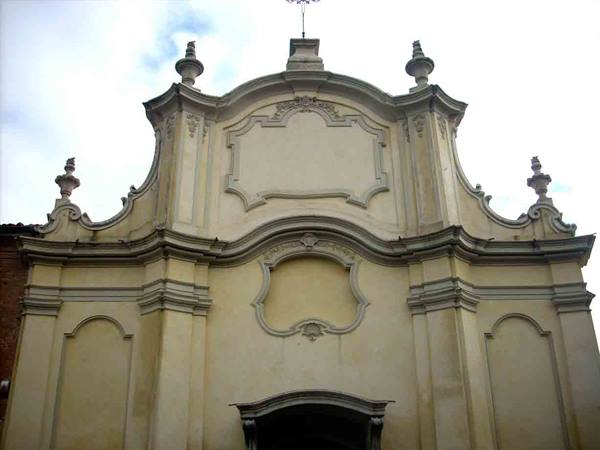
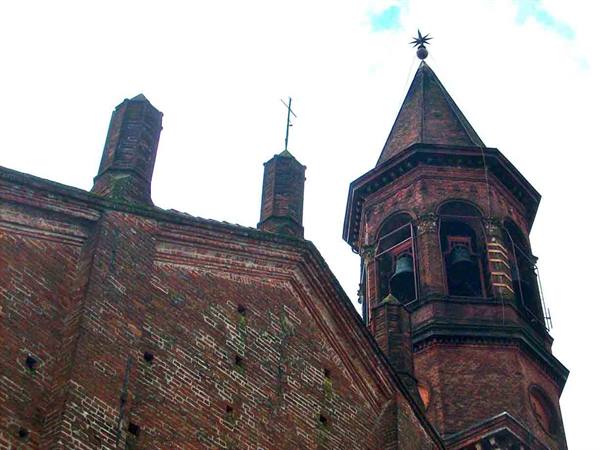
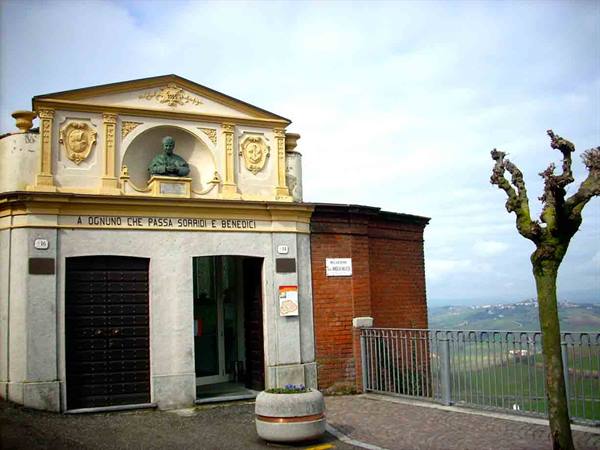
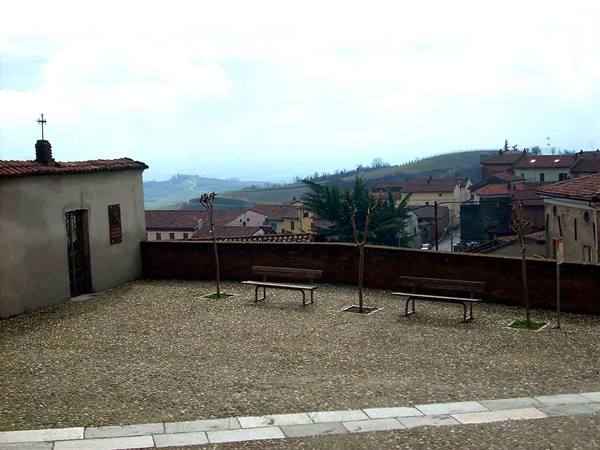
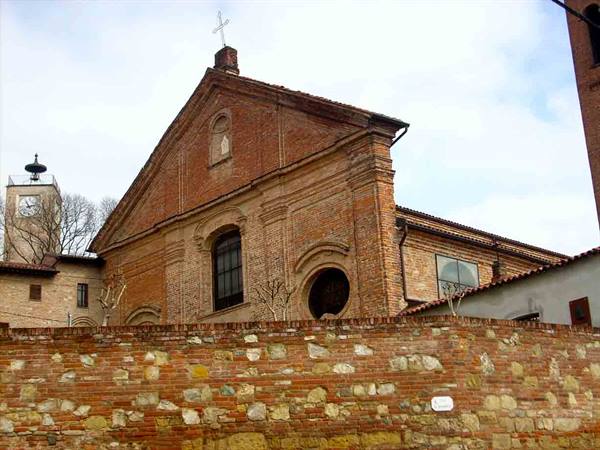
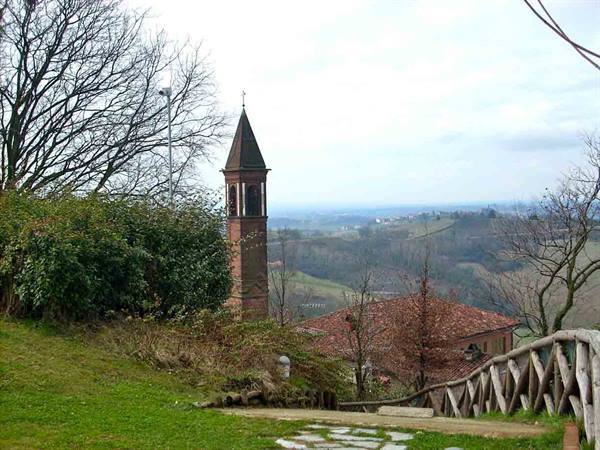
During our walk we admired the breathtaking panorama that opens up from the viewpoint also called Prevostura, we climbed up to the fifteenth-century Tower and visited the Little Church of San Valerio, where the relics of the Saint are kept, as well as many other beautiful churches, including the Church of Santa Maria Nuova, built around the middle of the 15th century, the Church of San Biagio, now deconsecrated, the Church of San Giuseppe, the Church of the Holy Trinity and the Church of San Giacomo, from the 13th century, which has recently been restored and rescued from the decay into which it had fallen in previous centuries. Visiting the San Giacomo Museum at the ancient Casa della Reggenza, we admired about a hundred works of art and religious art objects, many dating back to the Middle Ages.
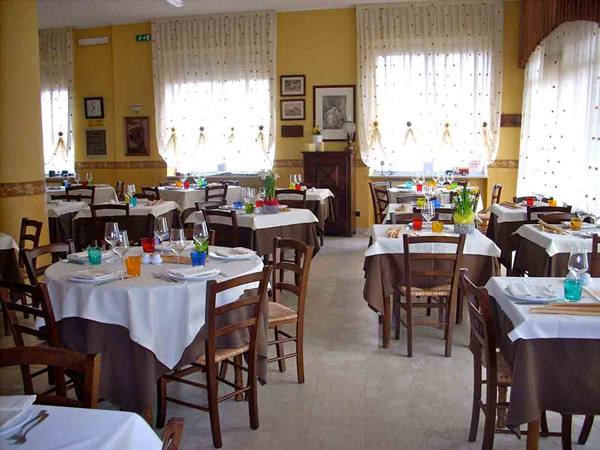
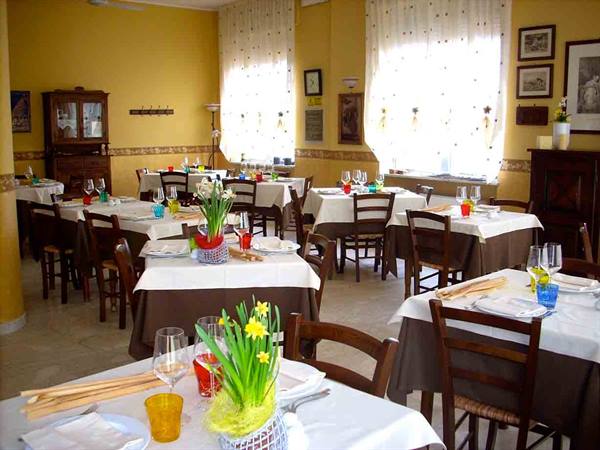
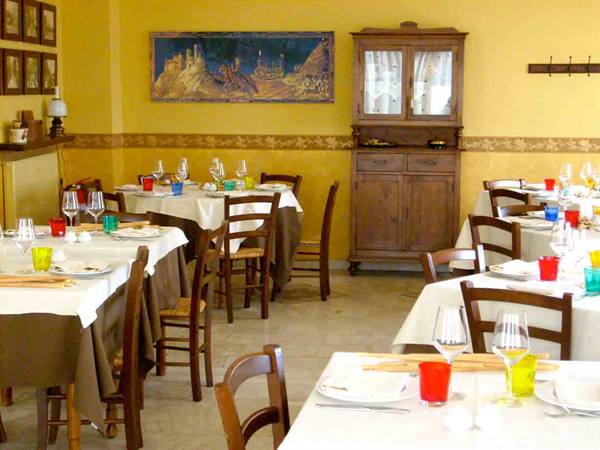
We stay in Lu's history also in choosing the place where we stop for dinner: the Ristorante Orazio, in Piazza Gherzi, that is the main square of the town. "We know for certain that in 1870 an inn already existed here, which served as a shelter for the horses of wayfarers and also had a few rooms," the owners tell us, Mr Roberto and Mrs Daniela, who have run this historic place since 1985. Carlotta too, their daughter, still busy with her studies, gives her parents a hand. We begin our dinner in the spirit of traditional Piedmontese flavours with an abundant starter of selected local mixed cold cuts, raw meat, peppers in bagna cauda and vitello tonnato. We follow these treats with the unmissable home-made agnolotti, prepared with stew sauce, and with tagliolini with mushrooms. "In preparing the sauces we follow seasonality, varying them every week," Mrs Daniela explains to us.
Some of us decide to enjoy one of the very good house legume soups. In choosing the second courses we let loose in tradition with the brasato alla piemontese, the donkey stew and the flagship dish of the place, the rabbit in white wine. The rest of our group instead opts for the mixed fried Piedmontese and some take another typical dish, the mixed boiled meats alla piemontese. We wash it all down with Monferrato wines, but some of us also choose labels from the Langhe and Roero. Such a pleasant day can only end on a very sweet note, thanks to the tempting house offerings: a few fine slices of tart, apple and hazelnut cake, the zuppa inglese, and above all the irresistible bunet, a typical Piedmontese dessert.
Francesca Bertha
FOR INFORMATION:
Ristorante Orazio Piazza Gherzi, 5 Lu (AL) 0131/741138
The journey's photographs
17 photographs · click to open them full screen




0 reader comments